
Buying guide · 11 min
Choosing a Persian rug for a dining room
Editorial team · updated 2026-10-03

17th century · accession 53.214 · The Metropolitan Museum of Art · CC0 (Met Open Access) · Photo source ↗
- Type
- Buying guide
- Reading
- 11 min
- Chapters
- 9
- Photos
- 6
For a dining room choose a durable wool rug or kilim large enough that chairs stay on it when pulled out — usually 60 cm beyond the table.
Sizing rule
Measure your table and add about 60–75 cm on every side.
Best types
- Hard-wearing village and tribal rugs
- Flat-woven kilims that are easy to clean
- Medium-pile city rugs with busy patterns that hide crumbs
Care
Use a rug pad and clean spills immediately by blotting.
Sizing rule
Choose a rug that extends at least about 60 cm beyond the table edge on all sides so chairs stay on the rug when pulled out.
Durability
Low to medium pile wool rugs cope best with chairs and crumbs; avoid fragile silk. A thin non-slip pad protects both rug and floor.
- Vacuum regularly to remove crumbs
- Blot spills immediately, do not rub
- Rotate the rug each year
A note on this guide
This guide is general information from the CraftPersia editorial team and has not been reviewed by a specialist. Prices, workshop locations and practices change; check current details before travelling or buying.
Crafts covered in this guide
Persian carpet (فرش ایرانی) — A hand-knotted pile textile woven across Iran in city workshops, village looms and pastoral camps, distinguished by regional structure, palette and design vocabulary.
Kilim (Gelim) (گلیم) — A flat, pileless woven textile made across Iran by interlocking or slit-weaving coloured weft threads over a warp, used as floor covering, storage bag, saddle cover and tent divider depending on region.
Materials, techniques and centres
Persian carpet and Kilim (Gelim) are recorded in the archive with wool, silk, cotton and natural dyes as principal materials, and knotted pile weaving and weft-faced flatweaving as techniques. Associated centres include Tabriz, Isfahan, Kashan, Kerman, Qom and Shiraz; a place name on its own does not establish where an individual object was made.
Collecting and next steps
When applying this guide to a specific object, work from what can be observed: structure, materials, tool marks, repairs and documentation. Ask the seller or maker for written statements about who made the piece, where, from what materials, and what has been repaired or replaced.
The steps here are educational; identification, conservation and valuation of an individual object require appropriate independent expertise.
Related photographs and screened examples
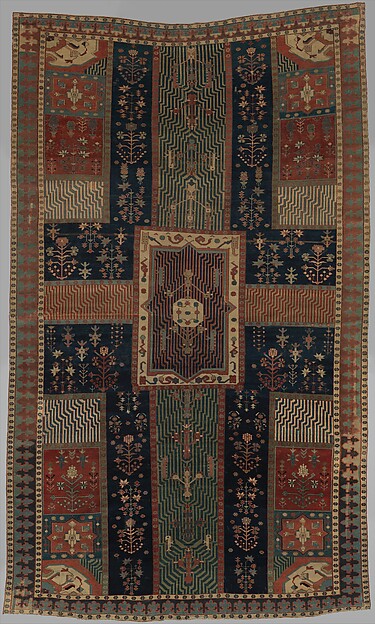

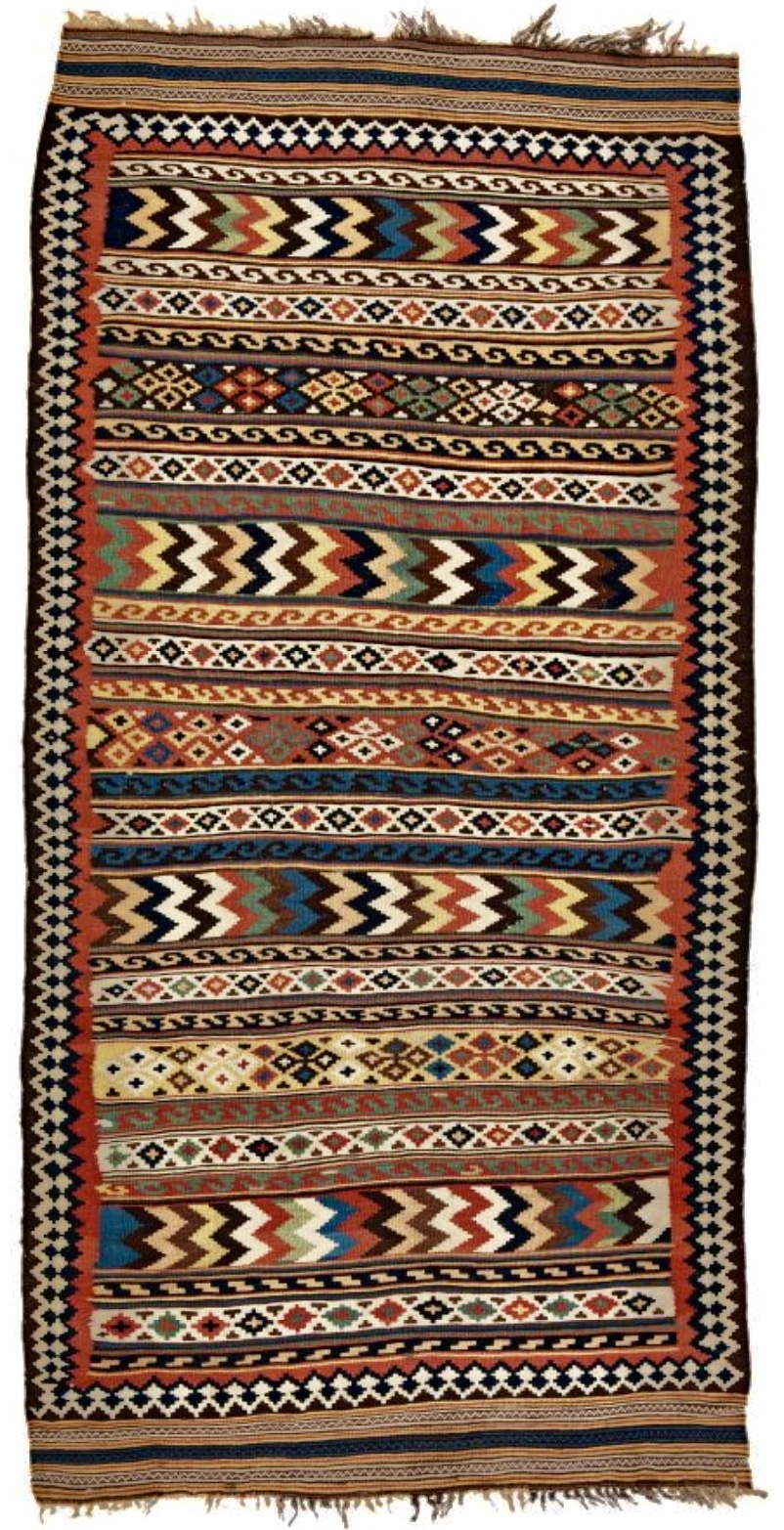
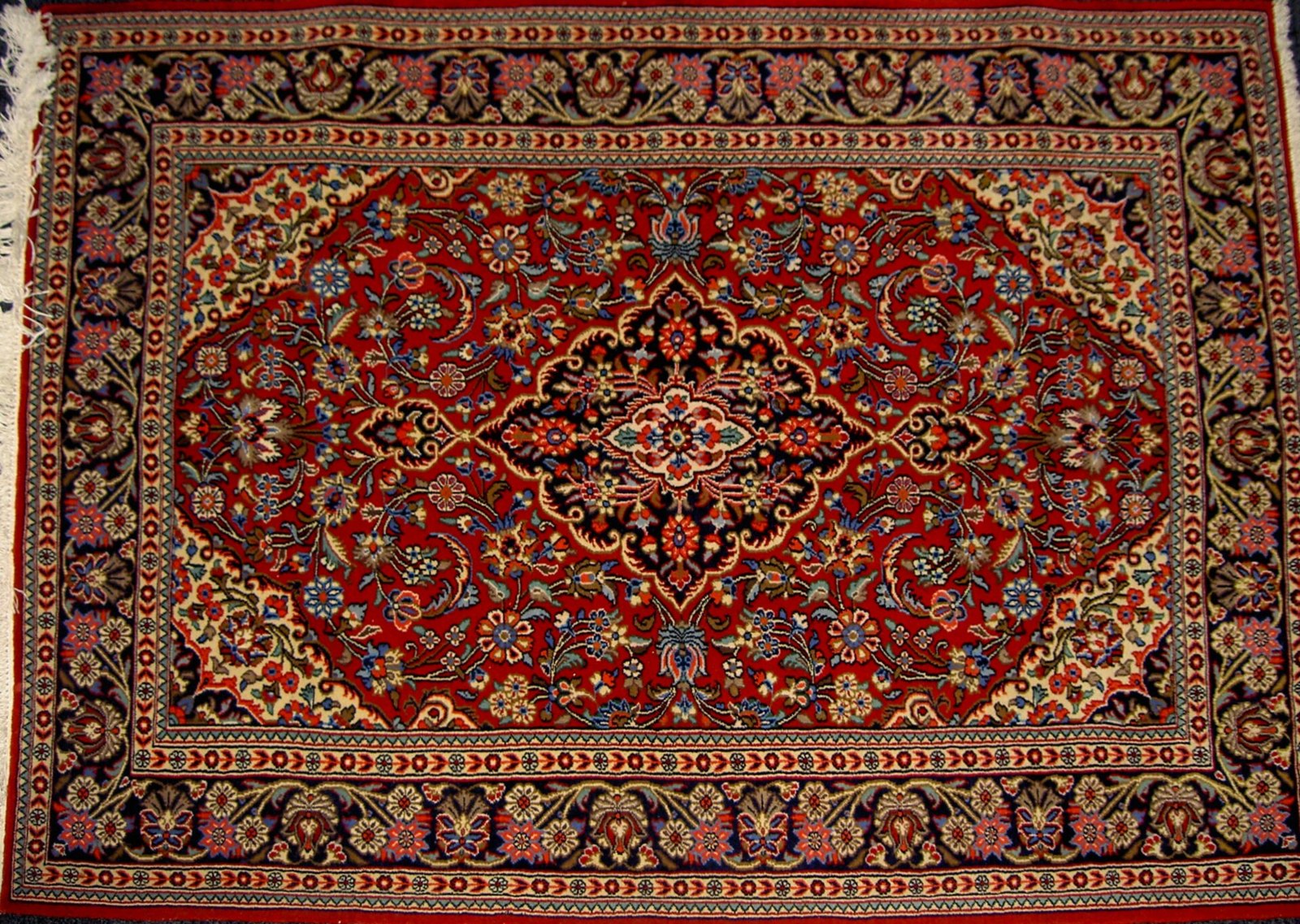
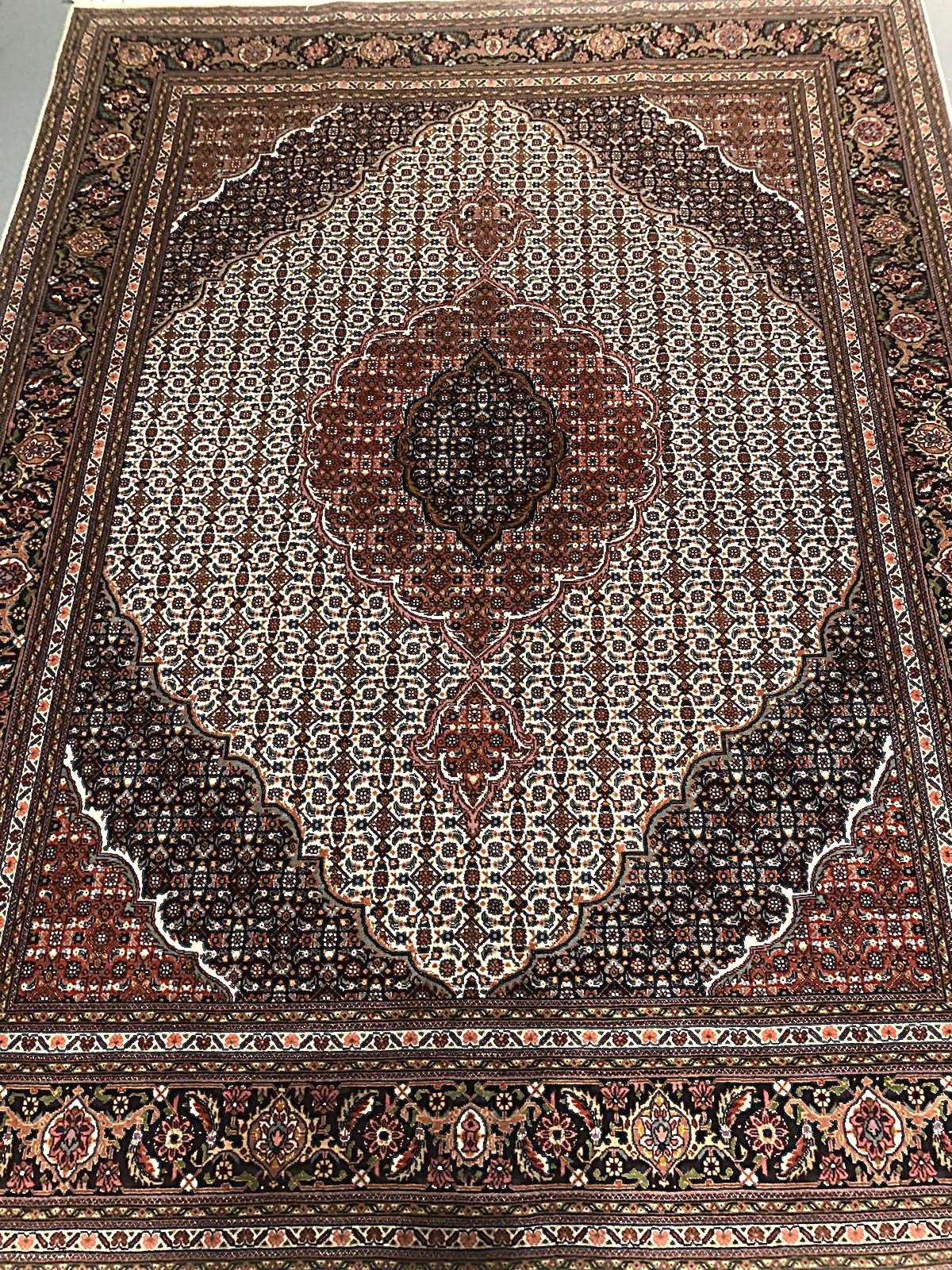
Representative photographs only. Marketplace examples rely on seller descriptions; CraftPersia has not independently authenticated their maker, origin, or rights status. Follow each source link for the listing context.
| Craft | Associated centres | Key materials |
|---|---|---|
| Persian carpet | Tabriz, Isfahan, Kashan | Wool, Silk, Cotton |
| Kilim (Gelim) | Shiraz, Kerman, Sistan & Baluchestan | Wool, Cotton, Natural dyes |
References and further reading
- [1] H. E. Wulff, The Traditional Crafts of Persia, MIT Press, 1966.General historical craft reference, not evidence for a particular object.
These sources provide context, not authentication or provenance for an individual object. Editorial interpretations remain under review.