
Buying guide · 10 min
Genuine Iranian handmade gifts on a small budget
Editorial team · updated 2026-10-03
accessed 2026-09-30 · Fdmfi · CC BY-SA 3.0 (Wikimedia Commons; JPG re-encoded) · Photo source ↗
- Type
- Buying guide
- Reading
- 10 min
- Chapters
- 8
- Photos
- 6
Small authentic Iranian handmade gifts — block-printed cloths, small pottery, engraved spoons, giveh — can still be found at modest prices.
Ideas
- Qalamkar tablecloths and napkins
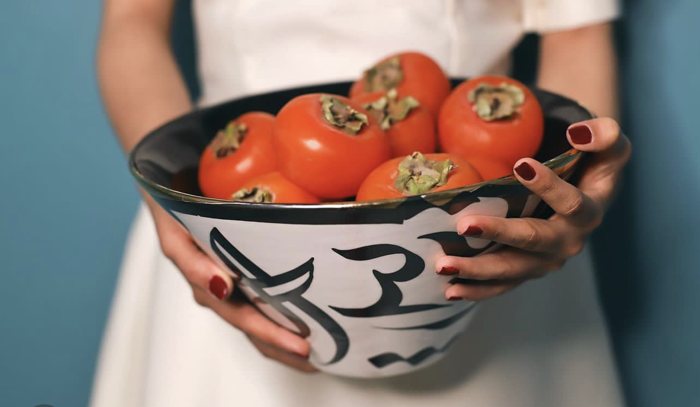
- Small Lalejin or Meybod bowls
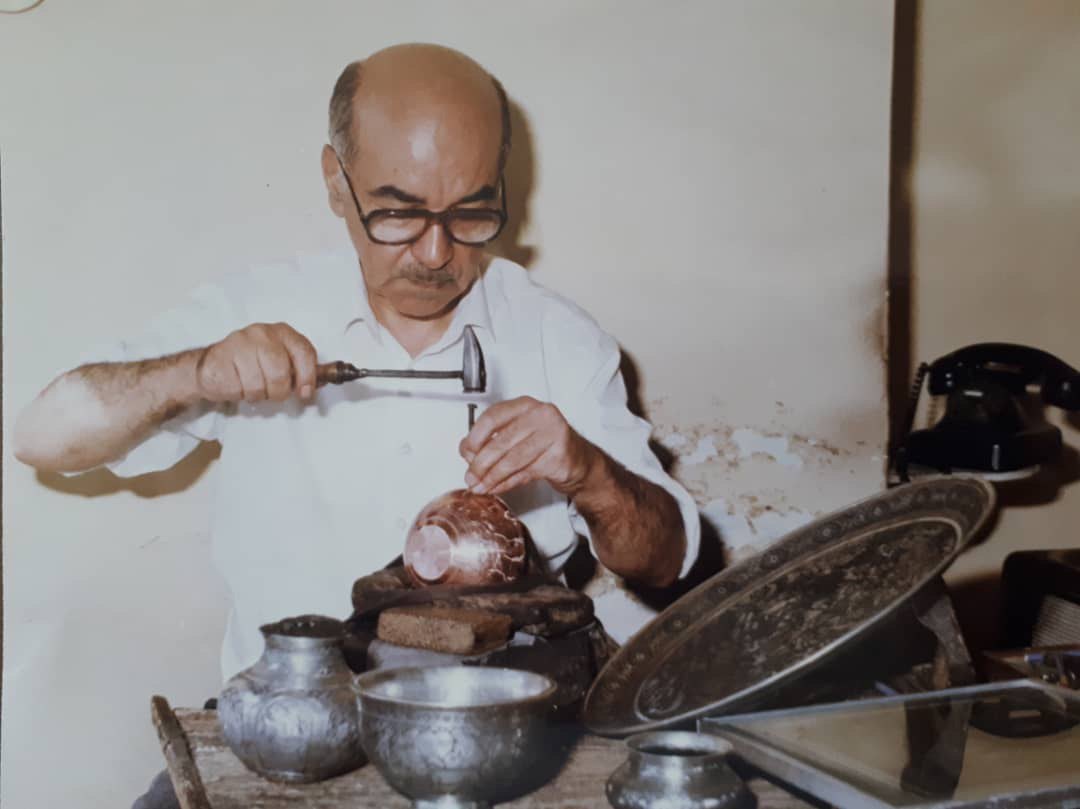
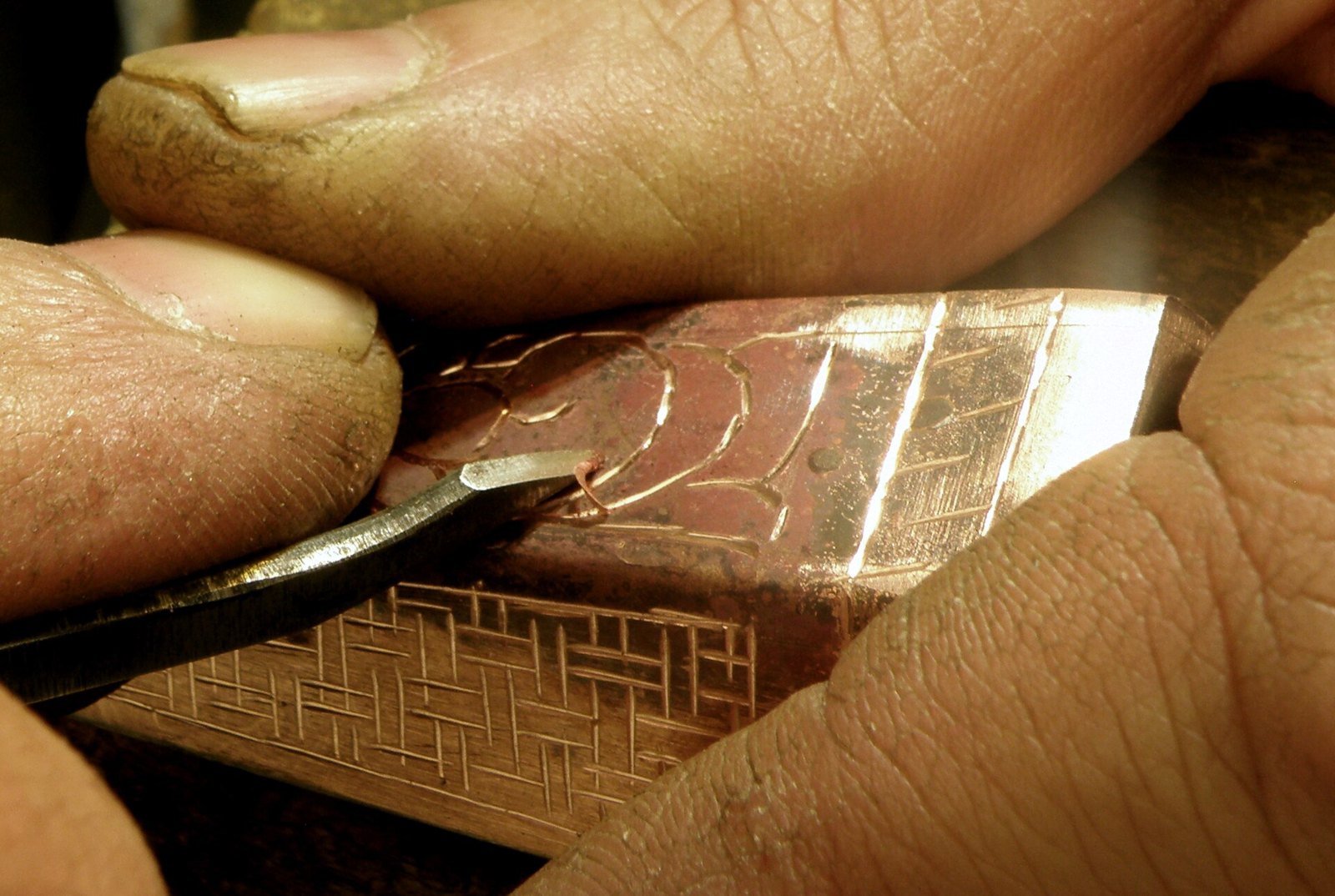
- Engraved copper spoons or coasters
- Termeh pouches
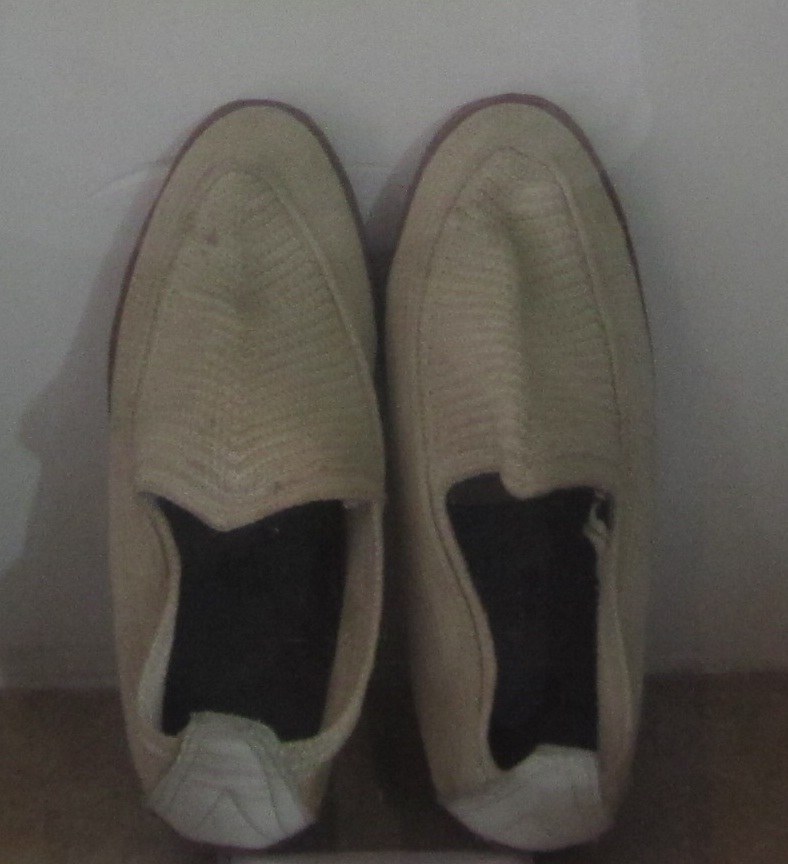
- Giveh for a keen walker
Keeping it genuine
Ask where and how it was made. Machine-printed 'qalamkar' and imported souvenirs are common in tourist areas.
Ideas by budget
Prices are indicative only and change quickly with exchange rates and materials.
- Small khatam frames or pen holders
- Qalamkar napkins or tablecloths
- Copper or engraved brass coasters
- Small minakari dishes
- Hand-embroidered pateh or Baluchi patches
- Meybod pottery bowls
Getting real handmade work cheaply
Small pieces are where handmade and machine-made goods mix most. Buy from shops that make their own stock, compare several items for natural variation, and avoid anything described only as ‘Persian style’. Ask for the town of origin.
A note on this guide
This guide is general information from the CraftPersia editorial team and has not been reviewed by a specialist. Prices, workshop locations and practices change; check current details before travelling or buying.
Crafts covered in this guide
Qalamkar block printing (قلمکار) — A resist-dyed and block-printed cotton textile, historically associated with Isfahan, in which carved wooden blocks stamp repeating floral and figural patterns onto cloth in successive colour stages.
Giveh footwear (گیوه) — A traditional handmade summer shoe with a cotton-thread woven or crocheted upper and a sole historically made of pressed cotton fabric or leather, produced in a number of Iranian towns known for the craft.
Lalejin pottery (سفال لالجین) — A regional pottery tradition centred on the town of Lalejin near Hamadan, producing thrown and press-moulded glazed and unglazed earthenware, from utilitarian storage vessels to decorative tableware, in a large number of household workshops.
Qalam-zani (قلمزنی) — The Iranian tradition of decorating copper, brass and silver vessels with small chisels struck by hammer, working the metal into line, ground and relief.
Materials, techniques and centres
Qalamkar block printing, Giveh footwear, Lalejin pottery and Qalam-zani are recorded in the archive with cotton, leather, clay (earthenware), brass, copper and silver as principal materials, and textile block printing, giveh upper stitching, wheel throwing, underglaze painting and chisel engraving (qalam-zani) as techniques. Associated centres include Isfahan, Kerman, Hamadan and Lalejin and Tabriz; a place name on its own does not establish where an individual object was made.
Collecting and next steps
When applying this guide to a specific object, work from what can be observed: structure, materials, tool marks, repairs and documentation. Ask the seller or maker for written statements about who made the piece, where, from what materials, and what has been repaired or replaced.
The steps here are educational; identification, conservation and valuation of an individual object require appropriate independent expertise.
Related photographs and screened examples
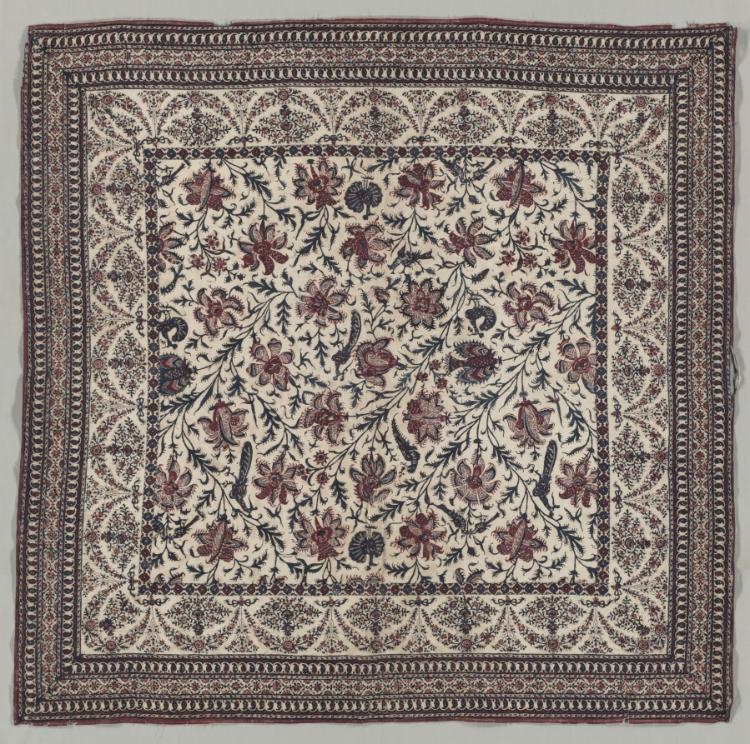
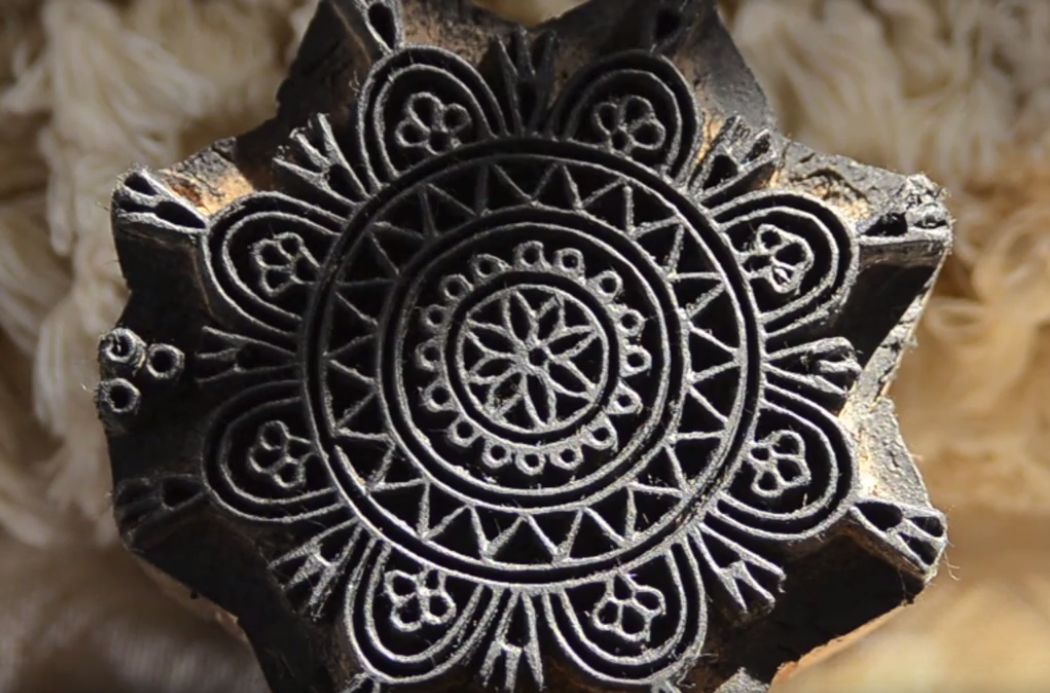
Representative photographs only. Marketplace examples rely on seller descriptions; CraftPersia has not independently authenticated their maker, origin, or rights status. Follow each source link for the listing context.
| Craft | Associated centres | Key materials |
|---|---|---|
| Qalamkar block printing | Isfahan | Cotton |
| Giveh footwear | Isfahan, Kerman | Cotton, Leather |
| Lalejin pottery | Hamadan and Lalejin | Clay (earthenware) |
| Qalam-zani | Isfahan, Tabriz | Brass, Copper, Silver |
References and further reading
- [1] H. E. Wulff, The Traditional Crafts of Persia, MIT Press, 1966.General historical craft reference, not evidence for a particular object.
These sources provide context, not authentication or provenance for an individual object. Editorial interpretations remain under review.