
Collector guide · 7 min
Understanding natural dyes
Editorial team · updated 2026-05-27
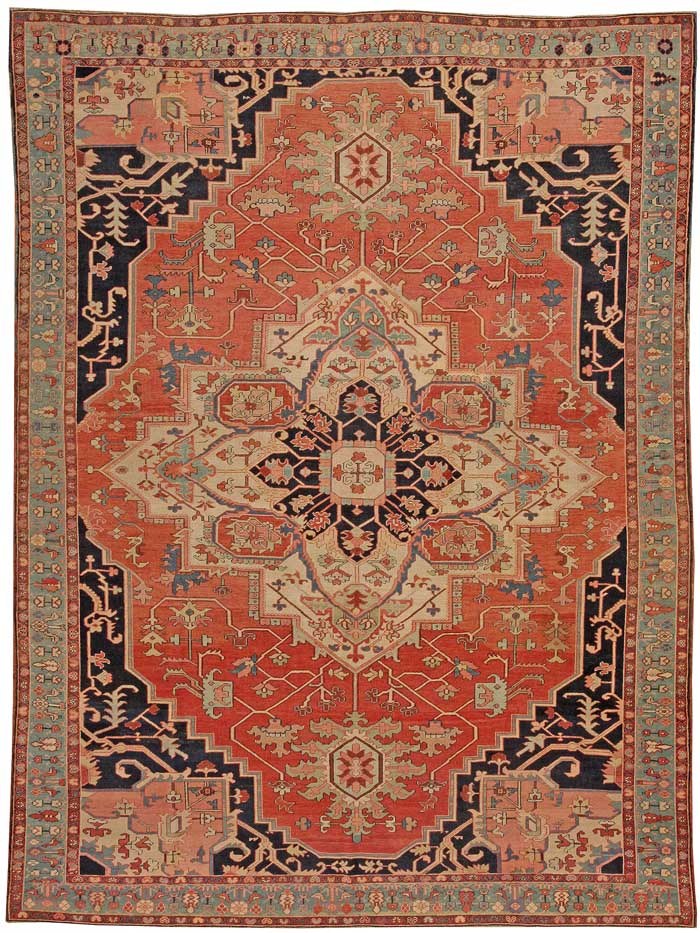
accessed 2026-09-30 · Nazmiyal · CC BY-SA 3.0 (Wikimedia Commons; JPG re-encoded) · Photo source ↗
- Type
- Collector guide
- Reading
- 7 min
- Chapters
- 8
- Photos
- 6
What madder, indigo and weld do over time, and why colour alone cannot date a textile.
The palette
Madder root gives reds from brick to rose depending on mordant and water; indigo gives blues by vat reduction rather than by ordinary dyeing; weld and pomegranate rind give yellows that fade first. Cochineal was traded and used for cooler crimsons.
How they age
Natural dyes usually soften rather than turn. Where a yellow has faded from a green, the remaining blue can make an old textile look unexpectedly cool — a change in the object, not an error by the weaver.
Limits of visual judgement
Synthetic dyes have been used in Iran since the late nineteenth century, and good synthetic dyeing can closely resemble natural work. Only laboratory analysis settles the question; a seller claiming natural dyes without testing is stating a belief.
- Classic sources
- Madder (red), indigo (blue), weld and vine leaves (yellow), walnut husk (brown), pomegranate rind
- Synthetic dyes arrived
- Late 19th century
Main dye sources
Madder root gives reds from pink to deep brick; indigo gives blues; combining them gives purples. Yellows come from weld, isparak and vine leaves; greens result from overdyeing yellow with indigo. Walnut husks and oak galls give browns and blacks.
Mordants and process
Alum is the main mordant fixing dyes to wool. Iron mordants darken colours but can corrode wool over time, which is why old black outlines are often worn lower than surrounding pile.
- Alum — brightens, common
- Iron — darkens, can weaken fibre
- Repeated dipping deepens shade
Spotting natural dyes
Natural dyes fade gracefully and show abrash. Early synthetic dyes often faded unevenly or bled; compare the colour at the pile tips with the base of the knot. Laboratory analysis is the only reliable test.
Technique and evidence
Dye colour depends on fibre, mordant, water and process as well as source. Indigo is a vat dye, while madder and many yellow sources use different preparation. Visual colour and abrash cannot demonstrate a botanical source or date.
Collecting and next steps
Ask whether a dye statement is based on a workshop recipe, maker testimony or laboratory testing. Record any sampling permission and analytical method; do not perform bleach or solvent tests at home.
The steps here are educational; identification, conservation and valuation of an individual object require appropriate independent expertise.
Related photographs and screened examples
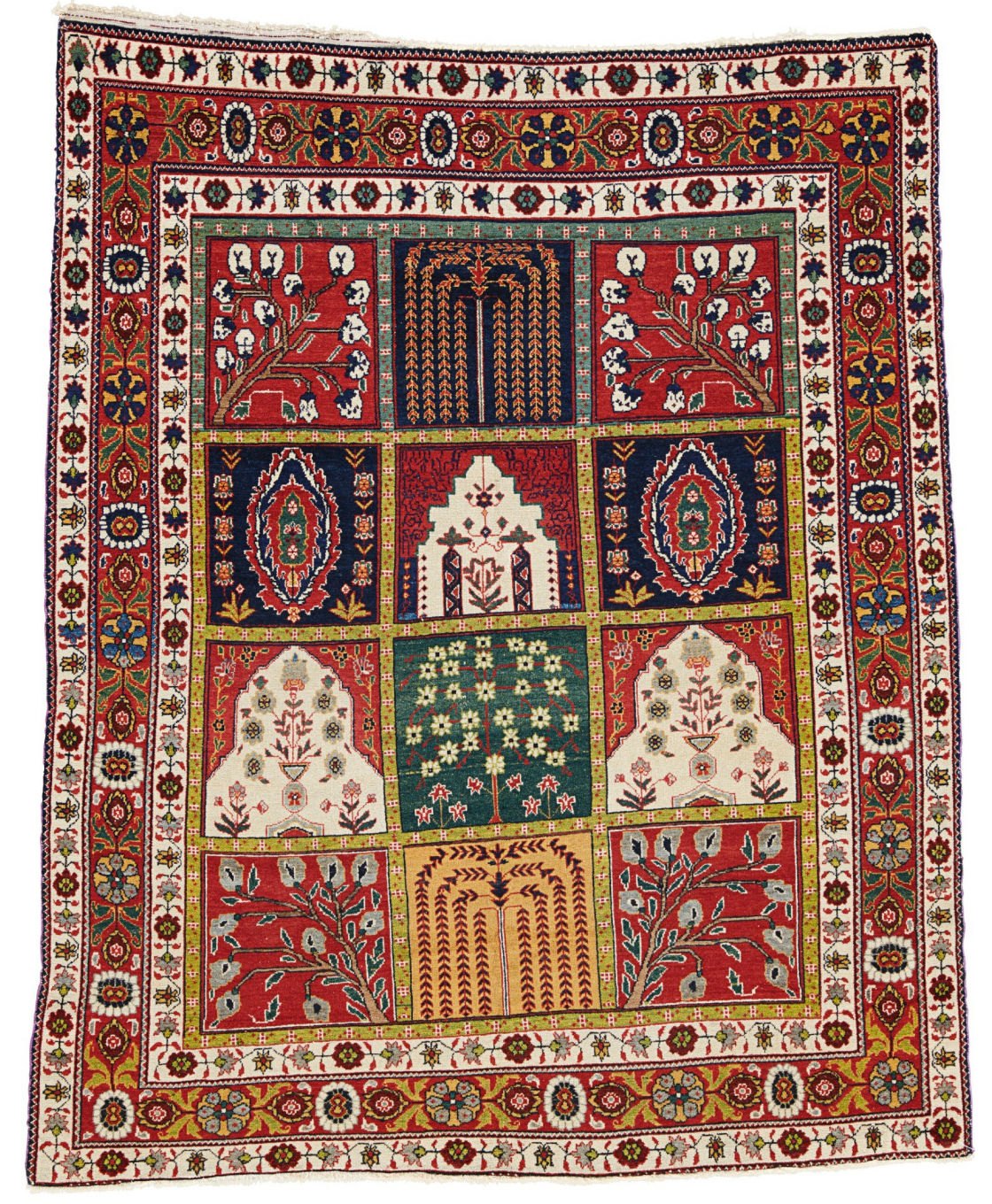

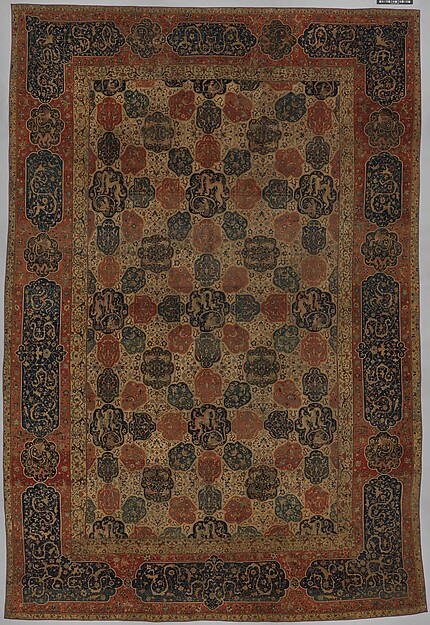
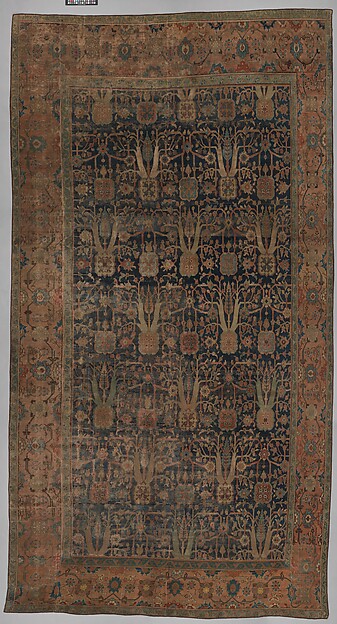
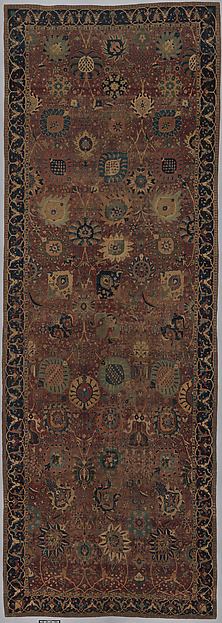
Representative photographs only. Marketplace examples rely on seller descriptions; CraftPersia has not independently authenticated their maker, origin, or rights status. Follow each source link for the listing context.
| Colour | Natural source |
|---|---|
| Red | Madder root |
| Blue | Indigo |
| Yellow | Weld, isparak, vine leaves |
| Green | Yellow + indigo |
| Brown/black | Walnut husk, oak gall, iron |
| Subject | What differs | What to do |
|---|---|---|
| Madder | Root; range of reds | Hue varies with preparation and mordant |
| Indigo | Vat dye; blues | Can be layered with yellows for green |
| Synthetic dyes | Many chemical families | Have coexisted with traditional sources |
Timeline
- Fibre
Identify material before interpreting colour.
- Dyeing
Record recipe and mordant where known.
- Assessment
Use laboratory testing for a specific chemical claim.
References and further reading
- [1] Cardon, D. — Natural Dyes: Sources, Tradition, Technology and Science (2007)
- [2] UNESCO, Traditional skills of carpet weaving in Fars (2010). ↗Documents a tradition of dye practice; does not identify dye in a particular textile.
These sources provide context, not authentication or provenance for an individual object. Editorial interpretations remain under review.