
Beginner guide · 13 min
Ghalamkar: hand block printing on cotton
Editorial team · updated 2026-09-29
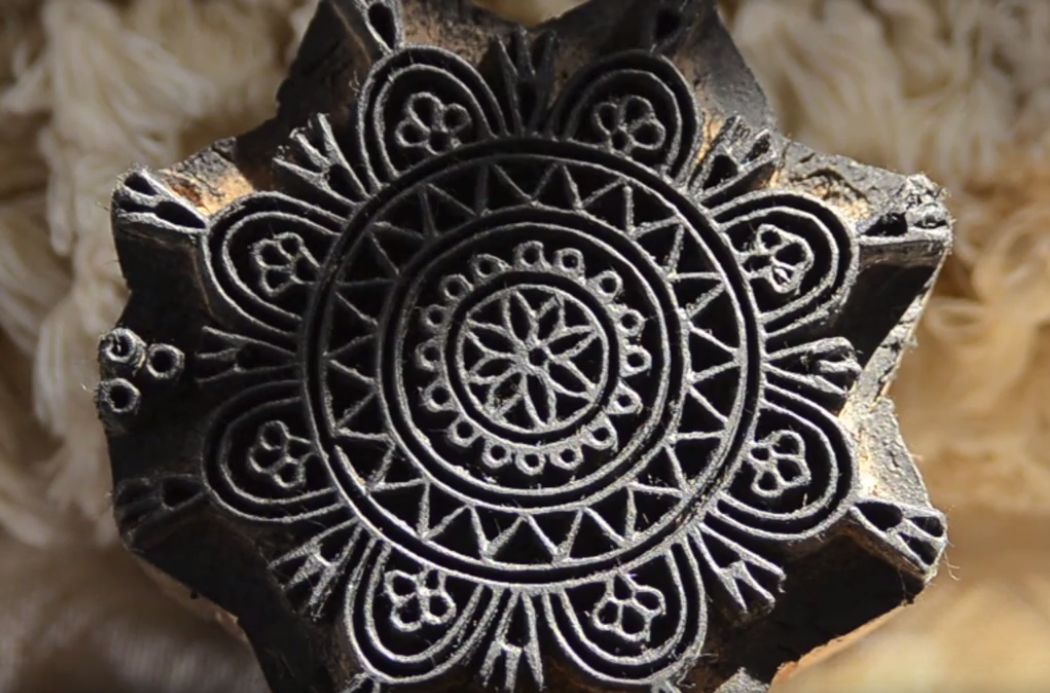
accessed 16 October 2026 · Wikimedia Commons contributor (per Commons record) · CC BY-SA 4.0 (per Wikimedia Commons; rights review pending) · Photo source ↗
- Type
- Beginner guide
- Reading
- 13 min
- Chapters
- 11
- Photos
- 4
The carved-wooden-block textile printing of Isfahan.
Process
Carved pear-wood blocks are dipped in dye and pressed by hand onto cotton cloth, one colour at a time.
Colours
Traditional colours include black, red, blue and yellow, some from plant sources.
Hand vs screen
Hand-printed cloth shows slight misalignments and repeats; screen-printed copies are more uniform.
- Small registration shifts
- Uneven edges of colour
- Vendor able to name the workshop
Process
Qalamkar printers stamp cotton with carved pear-wood blocks dipped in dye. Each colour needs a separate block. The cloth is then washed and dried, and in traditional workshops it is boiled with mordants to fix the dyes.
Spotting hand printing
- Small shifts where blocks meet
- Slight differences in colour density
- Screen prints look perfectly even
Blocks and designs
Blocks are carved from pear or walnut wood by specialist carvers. Designs include paisley (boteh), cypress trees, birds, medallions and scenes with poetry. A large tablecloth may need dozens of block impressions for each colour.
Buying and washing
Wash new qalamkar separately in cool water the first time, because some dyes bleed. Avoid strong detergents and dry it in shade.
A note on this guide
This is a general introduction written by the CraftPersia editorial team. It has not yet been reviewed by a specialist. Practice varies between workshops; confirm details with makers or museums, and treat any dates as approximate.
Crafts covered in this guide
Qalamkar block printing (قلمکار) — A resist-dyed and block-printed cotton textile, historically associated with Isfahan, in which carved wooden blocks stamp repeating floral and figural patterns onto cloth in successive colour stages.
Materials, techniques and centres
Qalamkar block printing is recorded in the archive with cotton as principal materials, and textile block printing as the technique. Associated centres include Isfahan; a place name on its own does not establish where an individual object was made.
Collecting and next steps
When applying this guide to a specific object, work from what can be observed: structure, materials, tool marks, repairs and documentation. Ask the seller or maker for written statements about who made the piece, where, from what materials, and what has been repaired or replaced.
The steps here are educational; identification, conservation and valuation of an individual object require appropriate independent expertise.
Related photographs and screened examples
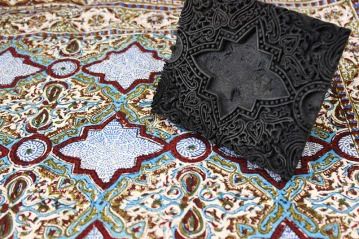
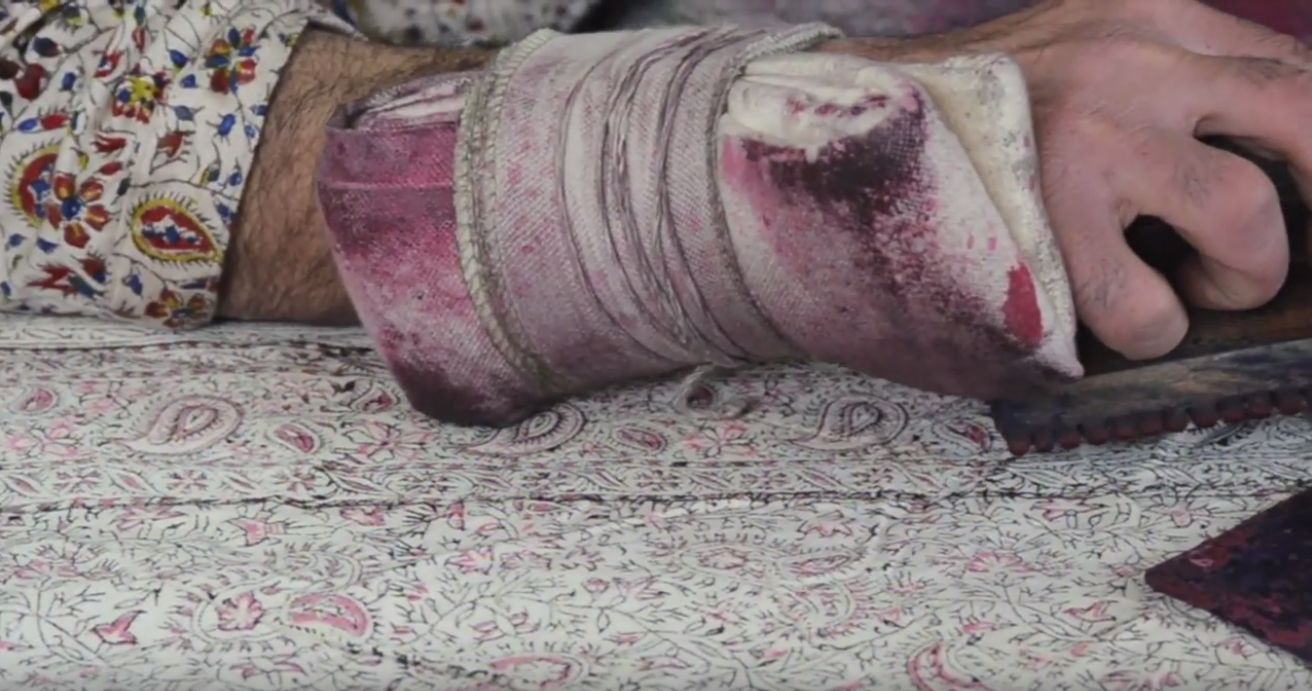
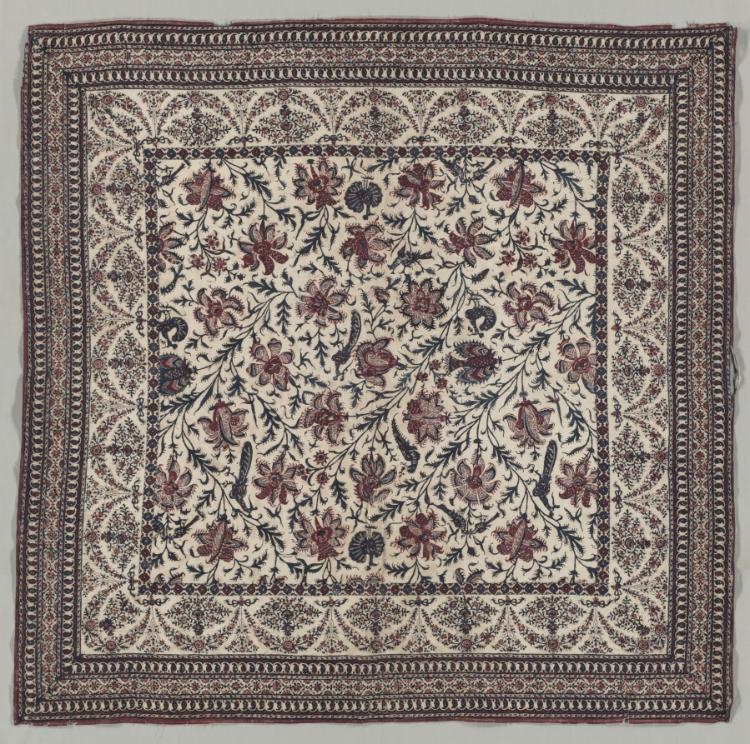
Representative photographs only. Marketplace examples rely on seller descriptions; CraftPersia has not independently authenticated their maker, origin, or rights status. Follow each source link for the listing context.
References and further reading
- [1] H. E. Wulff, The Traditional Crafts of Persia, MIT Press, 1966.General historical craft reference, not evidence for a particular object.
These sources provide context, not authentication or provenance for an individual object. Editorial interpretations remain under review.