
Geography
Craft places
شهرها و روستاهای صنایع دستیCities, towns and villages where particular crafts are made or traded. Each entry summarises what the place is known for, which quarters to walk, and what to examine on an object. The notes draw on published reference and travel literature; they are under review and not verified on the ground.
Bazaar names, workshop addresses, market days and access to heritage sites all change. Treat every practical note as a starting point to confirm locally.
Ardabil
1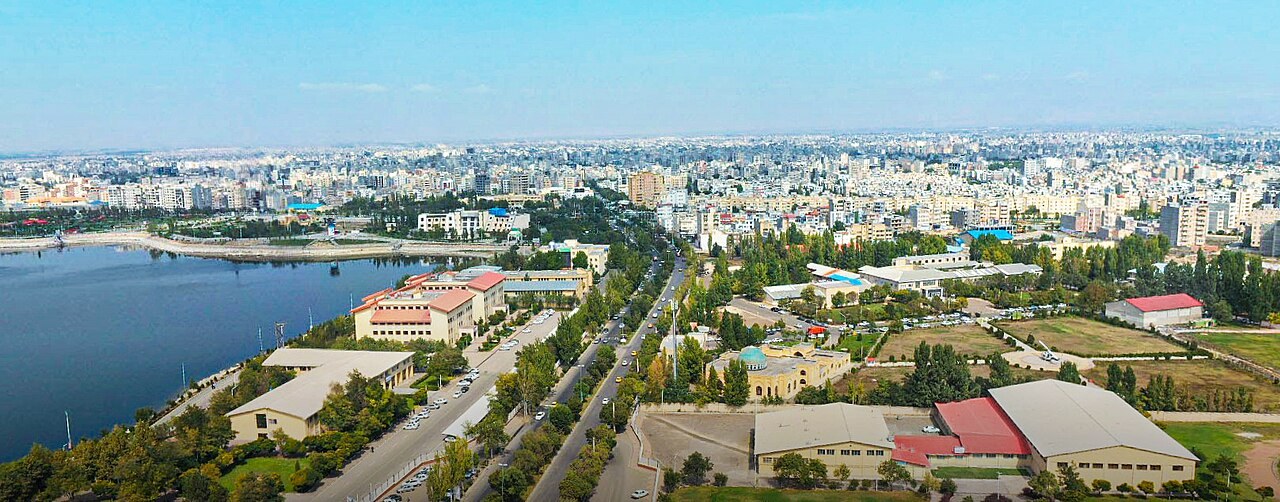
Ardabil
اردبیلA cool north-western city near the Caspian watershed, associated with Shahsavan flatweaves, bags and felt.
Photo: Mc evann · CC BY-SA 4.0 (Wikimedia Commons; resized/re-encoded JPEG) · Wikimedia Commons
Bushehr
1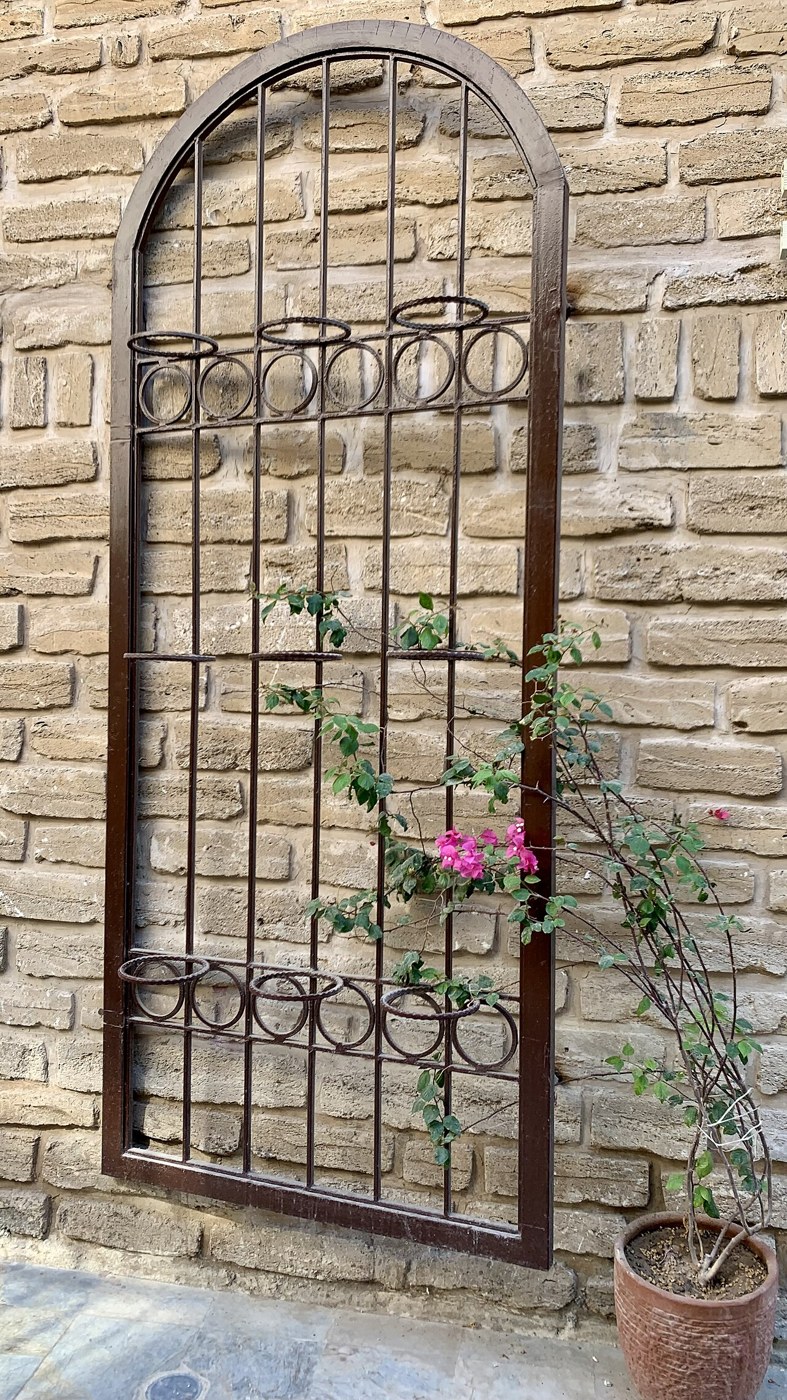
Bushehr
بوشهرA Gulf port with a preserved quarter of coral-stone merchant houses, palm-fibre crafts and wooden boat building along the coast.
Photo: Danial Esmaeilian · CC BY-SA 4.0 (Wikimedia Commons; resized/re-encoded JPEG) · Wikimedia Commons
East Azerbaijan
3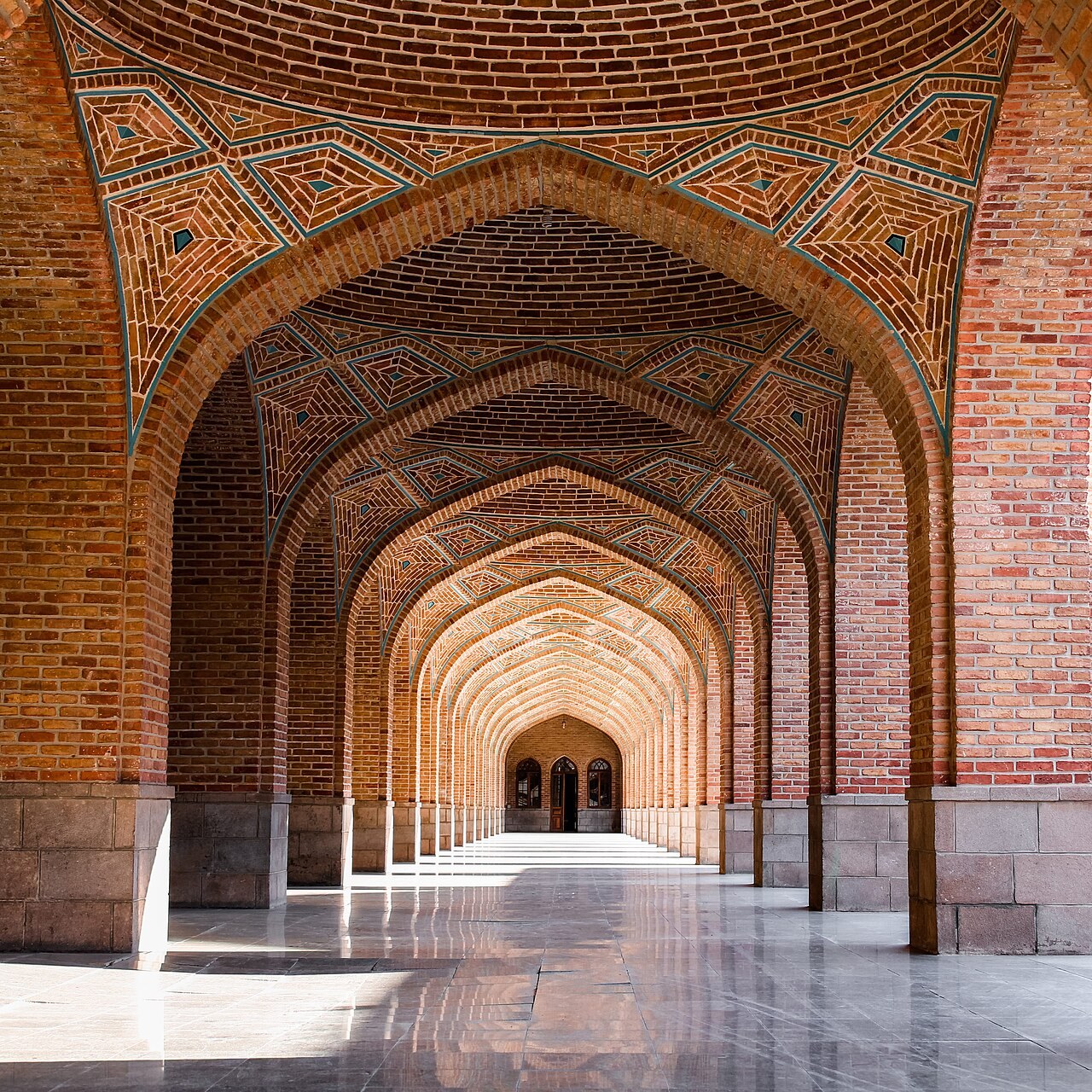
Tabriz
تبریزA carpet city in the north-west whose covered bazaar complex is one of the largest in the country and remains a wholesale centre for rugs.
Photo: Hameddaeipic · CC BY-SA 4.0 (Wikimedia Commons; resized/re-encoded JPEG) · Wikimedia Commons
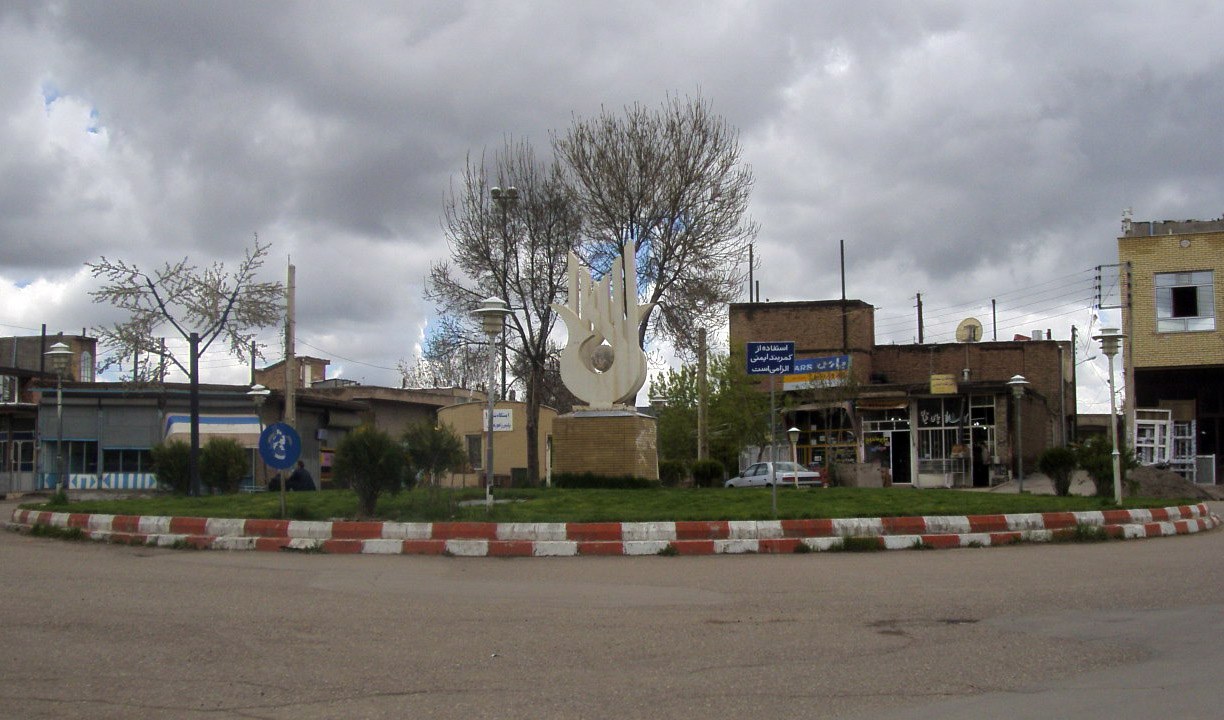
Heriz
هریسA weaving district east of Tabriz whose large geometric medallion carpets are among the most recognisable Iranian village types.
Photo: user:Elmju · CC BY-SA 3.0 (Wikimedia Commons; resized/re-encoded JPEG) · Wikimedia Commons
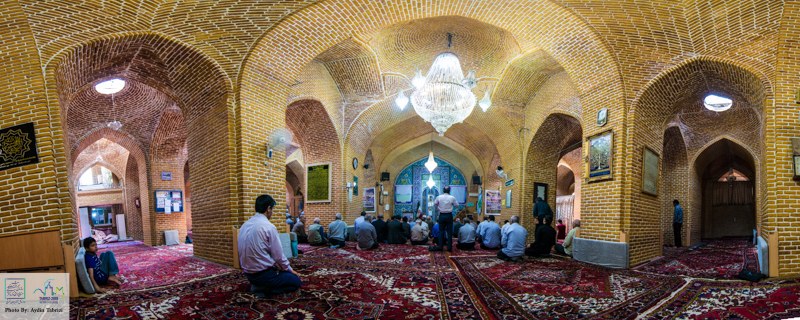
Sarab
سرابA town on the Tabriz–Ardabil road whose name is associated with long narrow runners in camel-coloured wool.
Photo: aydin tabrizi · CC BY-SA 4.0 (Wikimedia Commons; resized/re-encoded JPEG) · Wikimedia Commons
Fars
3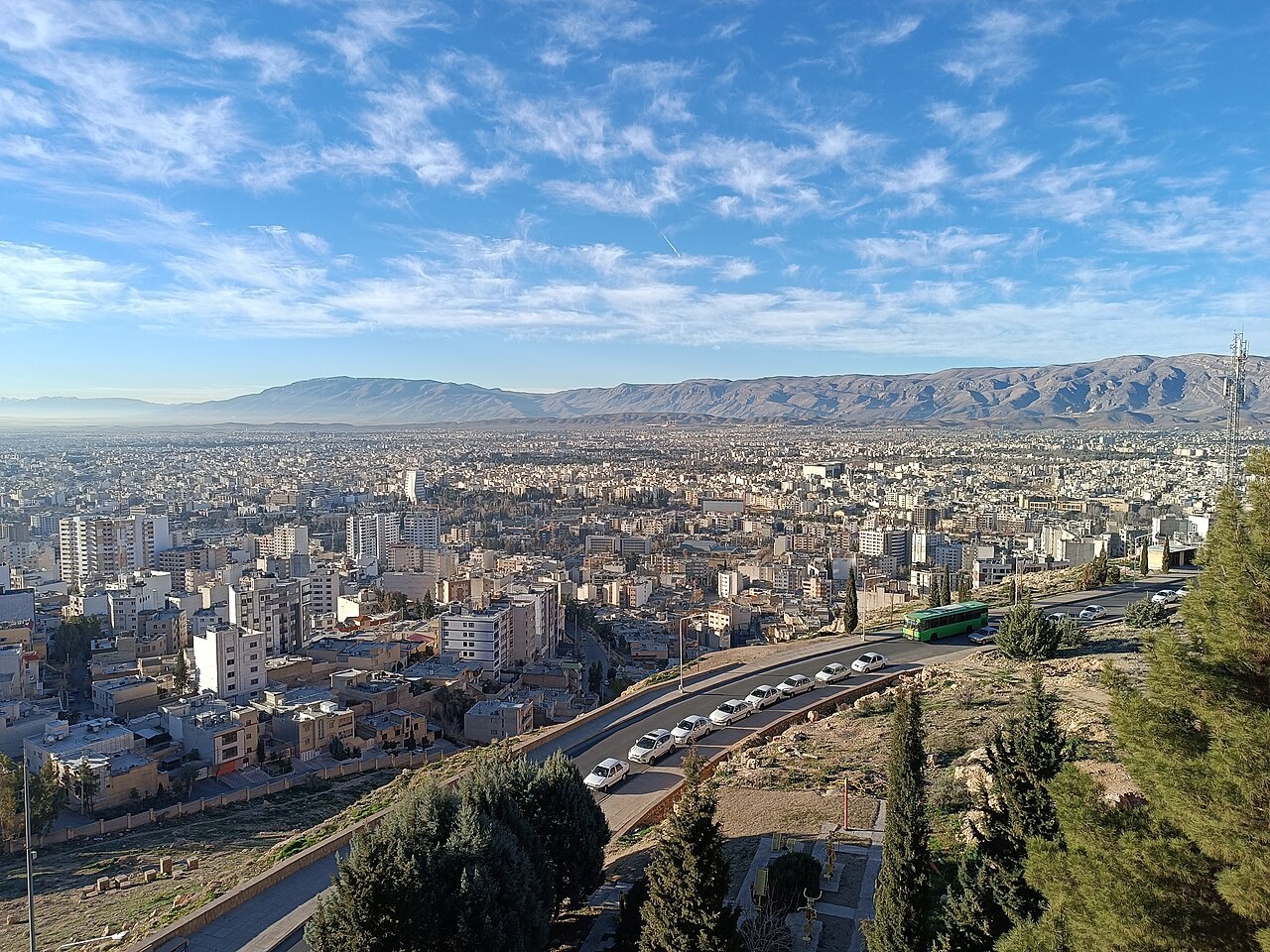
Shiraz
شیرازThe market city of Fars, where nomadic and village weaving from the surrounding tribes is traded alongside urban inlay, metal and khatam work.
Photo: رامان معینی · CC BY-SA 4.0 (Wikimedia Commons; resized/re-encoded JPEG) · Wikimedia Commons
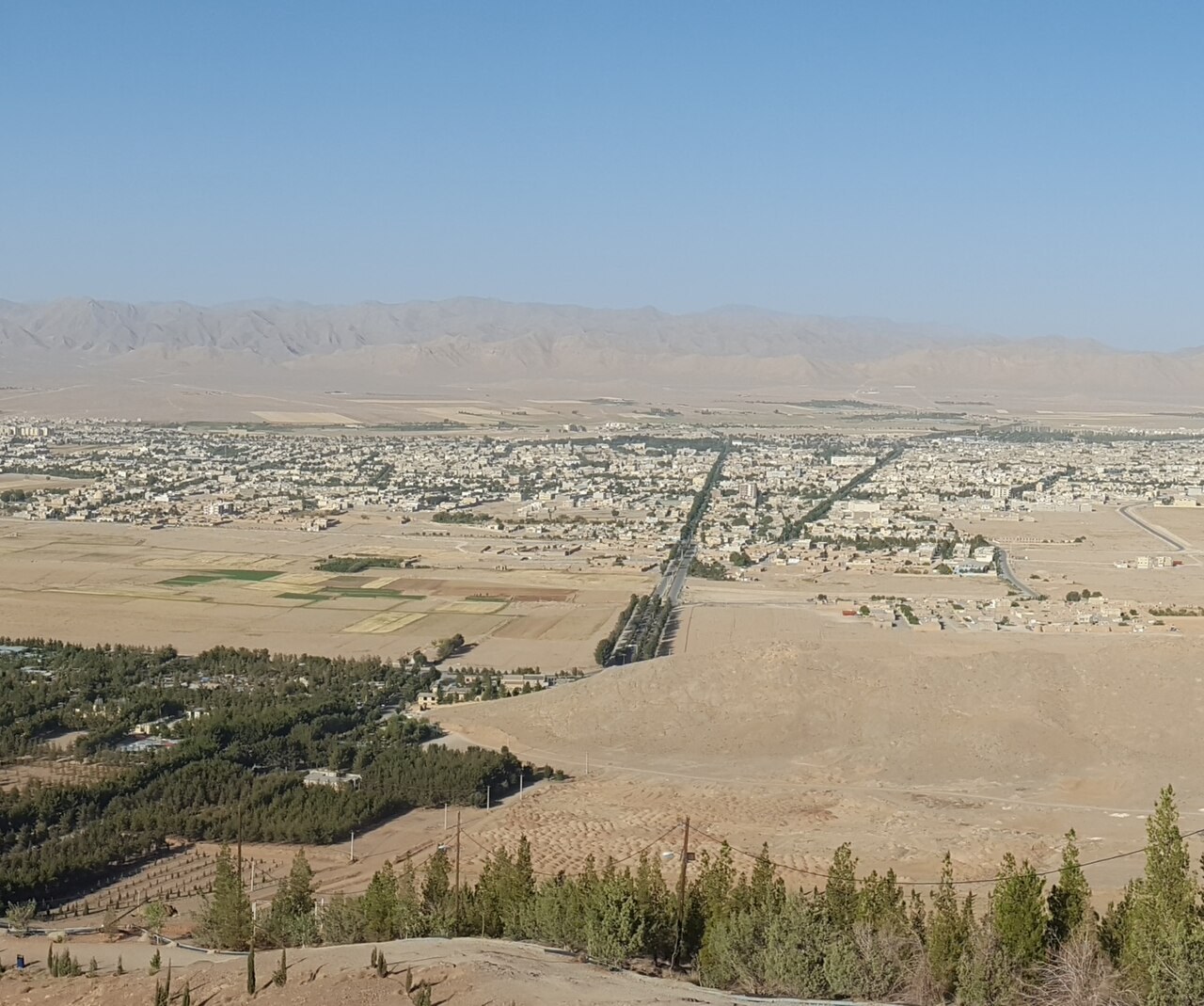
Abadeh
آبادهA town on the Isfahan–Shiraz road known for carved wooden utensils and for a recognisable village rug type.
Photo: FCAMU10 · CC BY-SA 4.0 (Wikimedia Commons; resized/re-encoded JPEG) · Wikimedia Commons
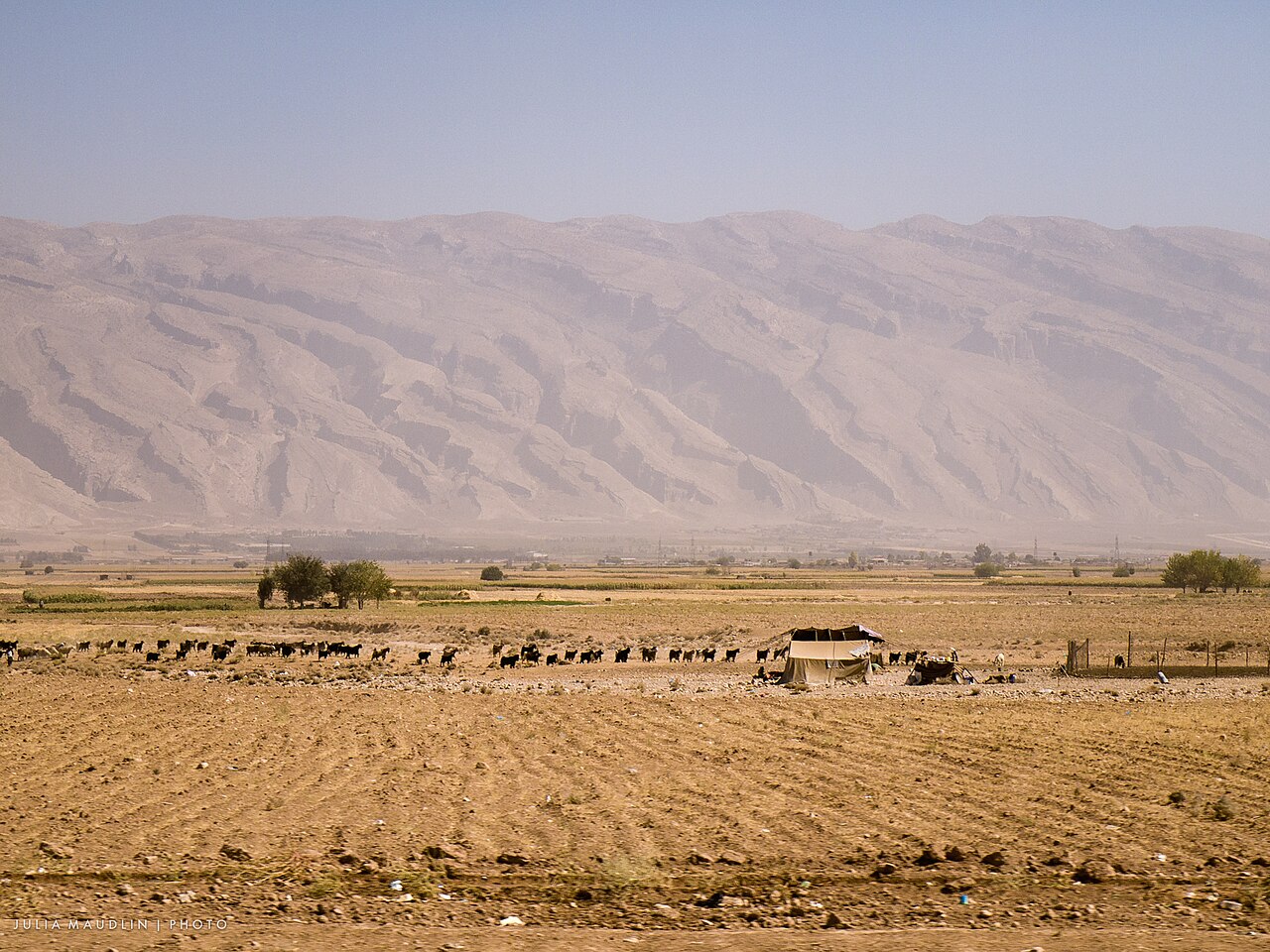
Firuzabad
فیروزآبادA town south of Shiraz in the Qashqai migration country, used as a reference point for Fars tribal weaving.
Photo: Julia Maudlin from Lake Oswego, Oregon, USA · CC BY 2.0 (Wikimedia Commons; resized/re-encoded JPEG) · Wikimedia Commons
Gilan
3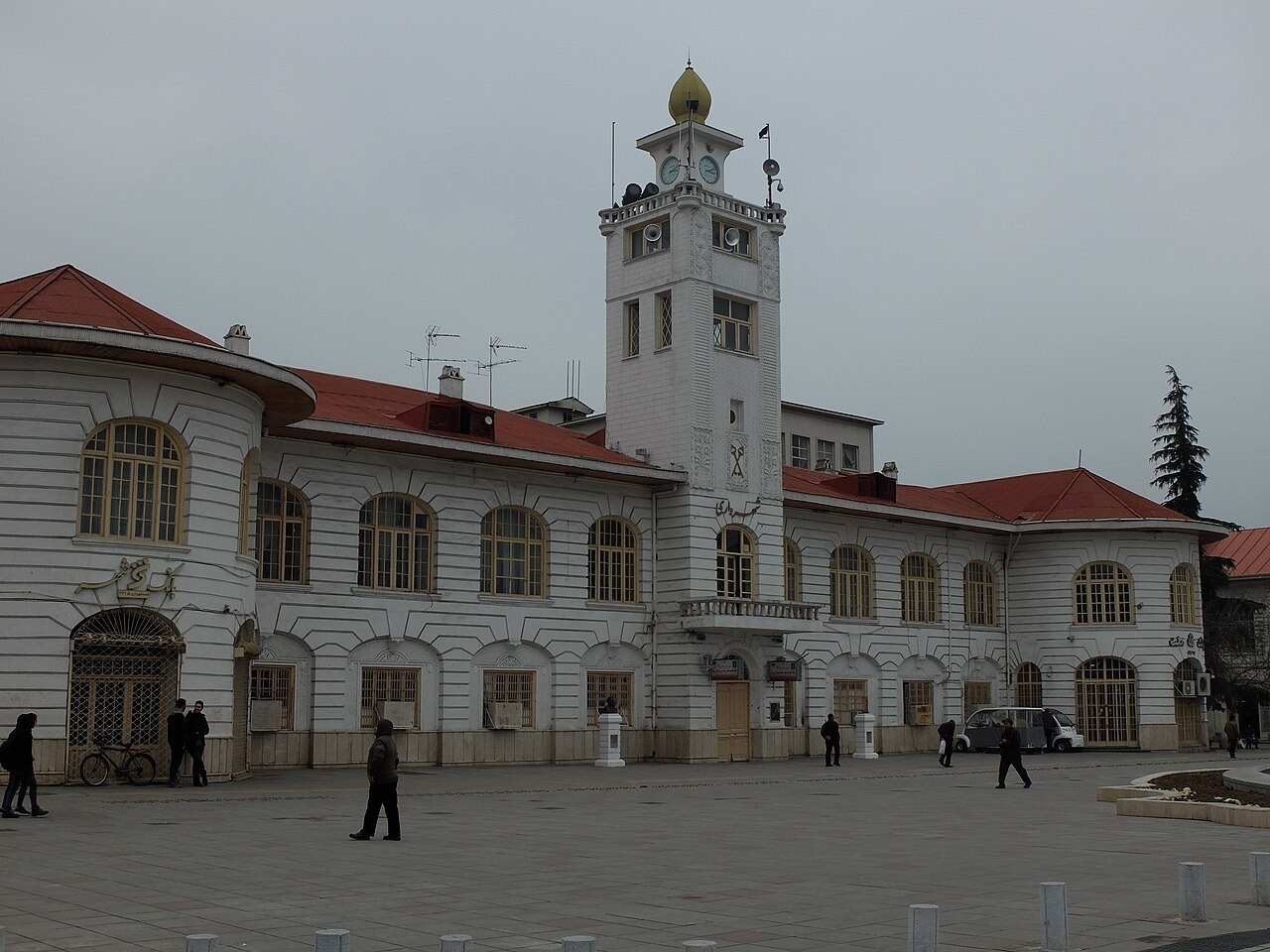
Rasht
رشتThe Caspian provincial capital, whose name is attached to rasht-duzi, a bold appliqué and chain-stitch embroidery on woollen ground.
Photo: Al13Ar18 · CC BY-SA 4.0 (Wikimedia Commons; resized/re-encoded JPEG) · Wikimedia Commons
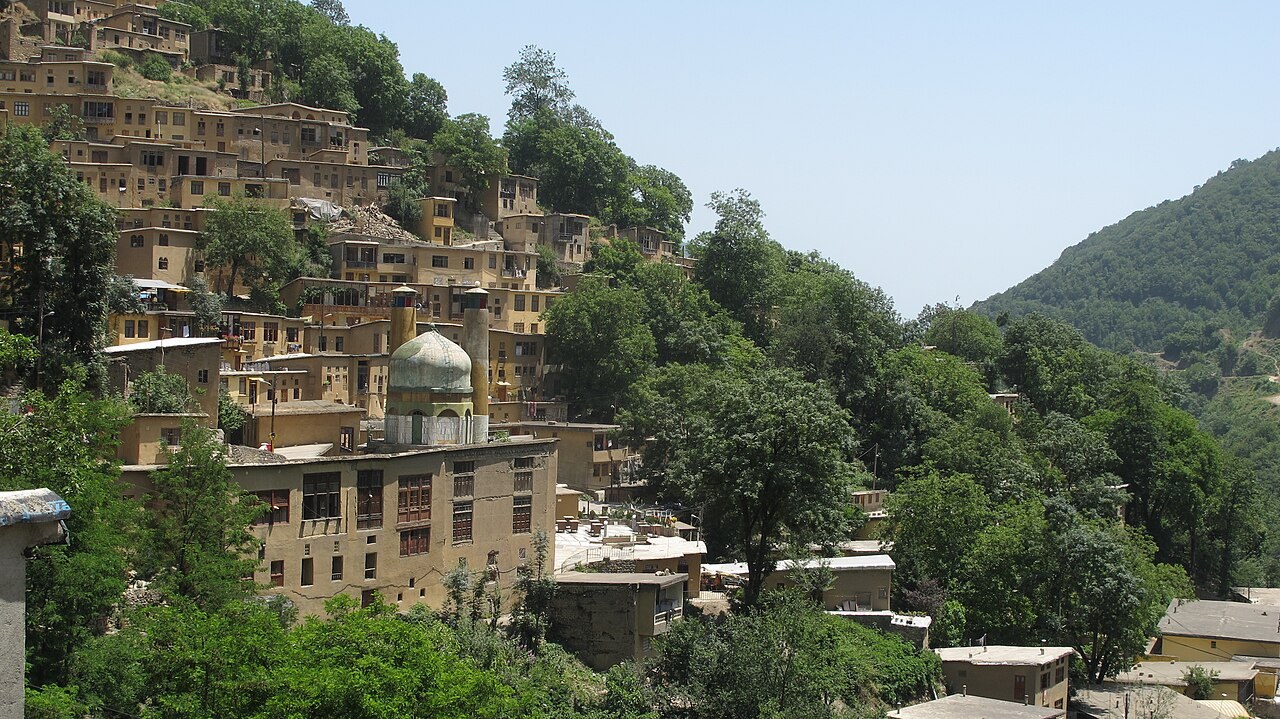
Masuleh
ماسولهA stepped mountain village in Gilan where rooftops serve as streets, with woollen knitting, wooden ware and honey sold along its lanes.
Photo: Far-gh · CC BY-SA 4.0 (Wikimedia Commons; resized/re-encoded JPEG) · Wikimedia Commons
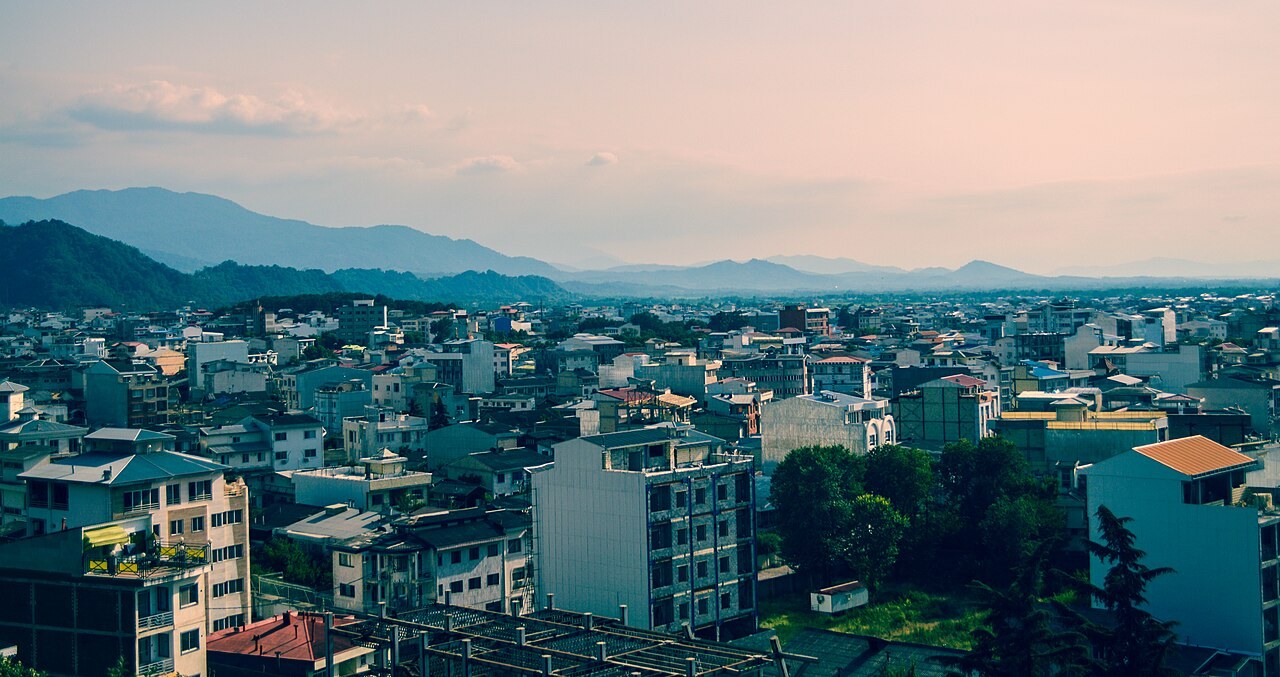
Lahijan
لاهیجانA Caspian tea town in Gilan, with silk history, wooden ware and basketry alongside its tea gardens.
Photo: Kazemiarman90 · CC BY-SA 4.0 (Wikimedia Commons; resized/re-encoded JPEG) · Wikimedia Commons
Golestan
1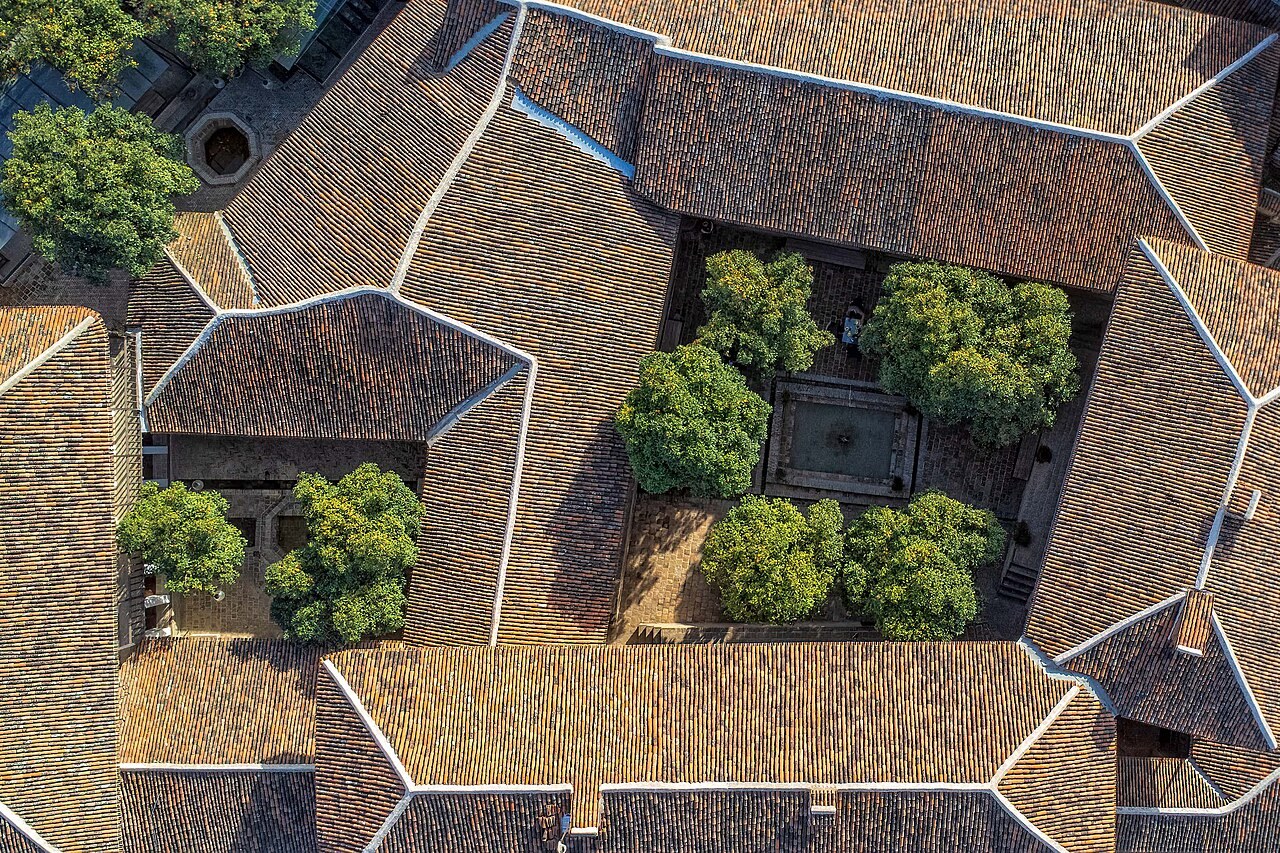
Gorgan
گرگانA city on the northern steppe edge, the market for Turkmen weaving, silver and felt from the surrounding plain.
Photo: Ataei mohammadi · CC BY-SA 4.0 (Wikimedia Commons; resized/re-encoded JPEG) · Wikimedia Commons
Hamadan
4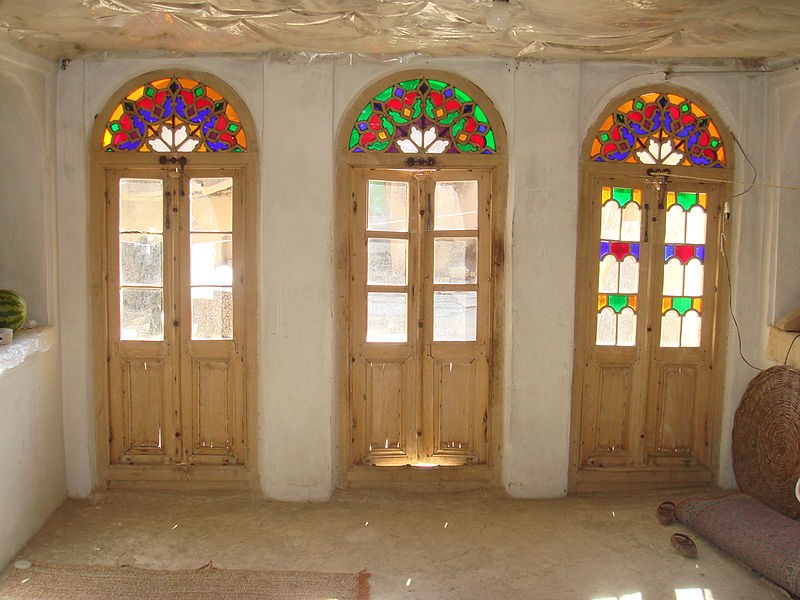
Lalejin
لالجینA pottery town north-west of Hamadan where a large share of households is reported to work in clay, glazing and kiln firing.
Photo: Original uploader was Oqtay at Persian Wikipedia · CC0 (Wikimedia Commons; resized/re-encoded JPEG) · Wikimedia Commons
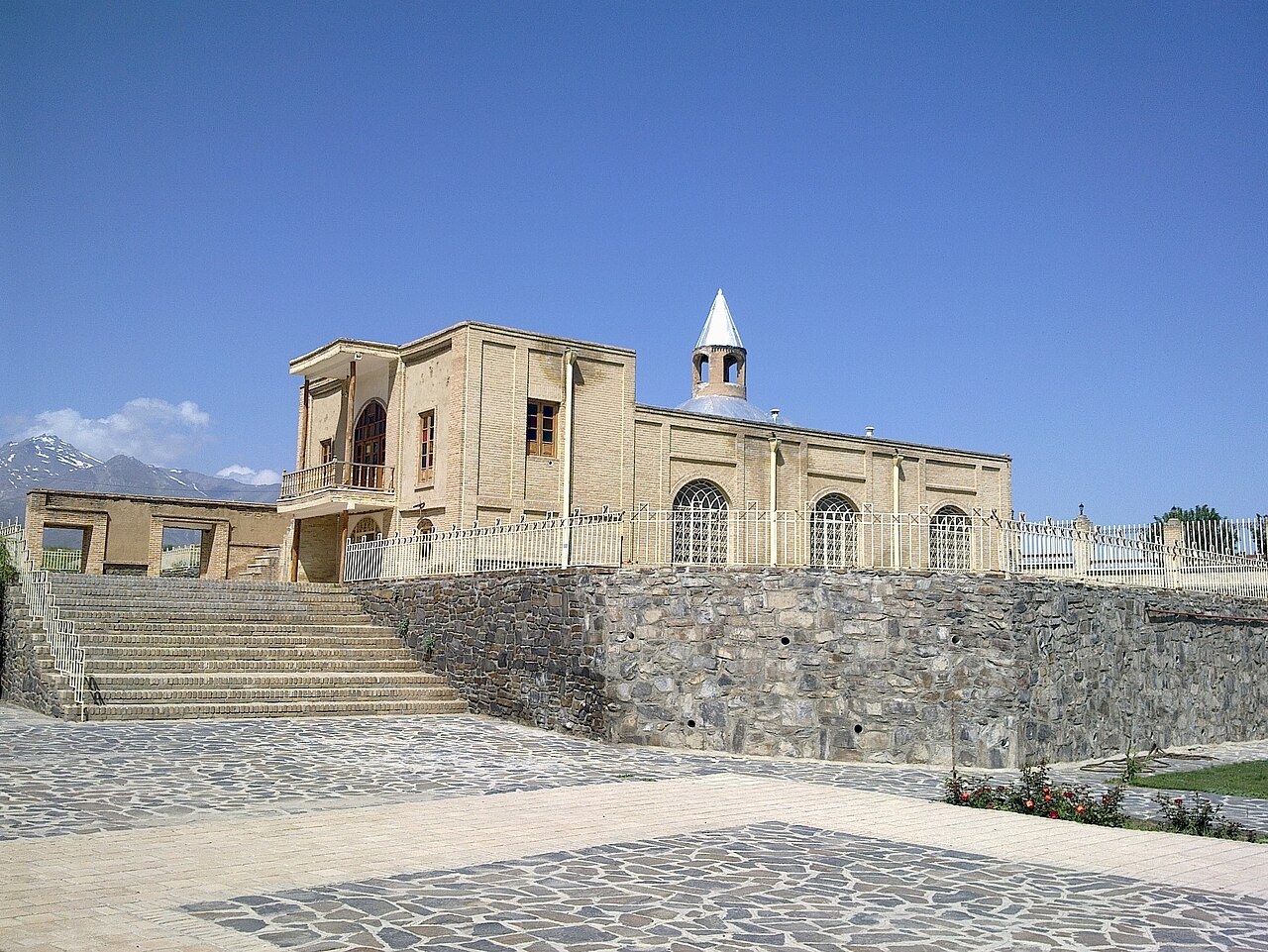
Hamadan
همدانA western highland city that acts as the market for a wide belt of village carpet and flatweave weaving, and for the pottery of Lalejin.
Photo: In fact · CC BY-SA 4.0 (Wikimedia Commons; resized/re-encoded JPEG) · Wikimedia Commons
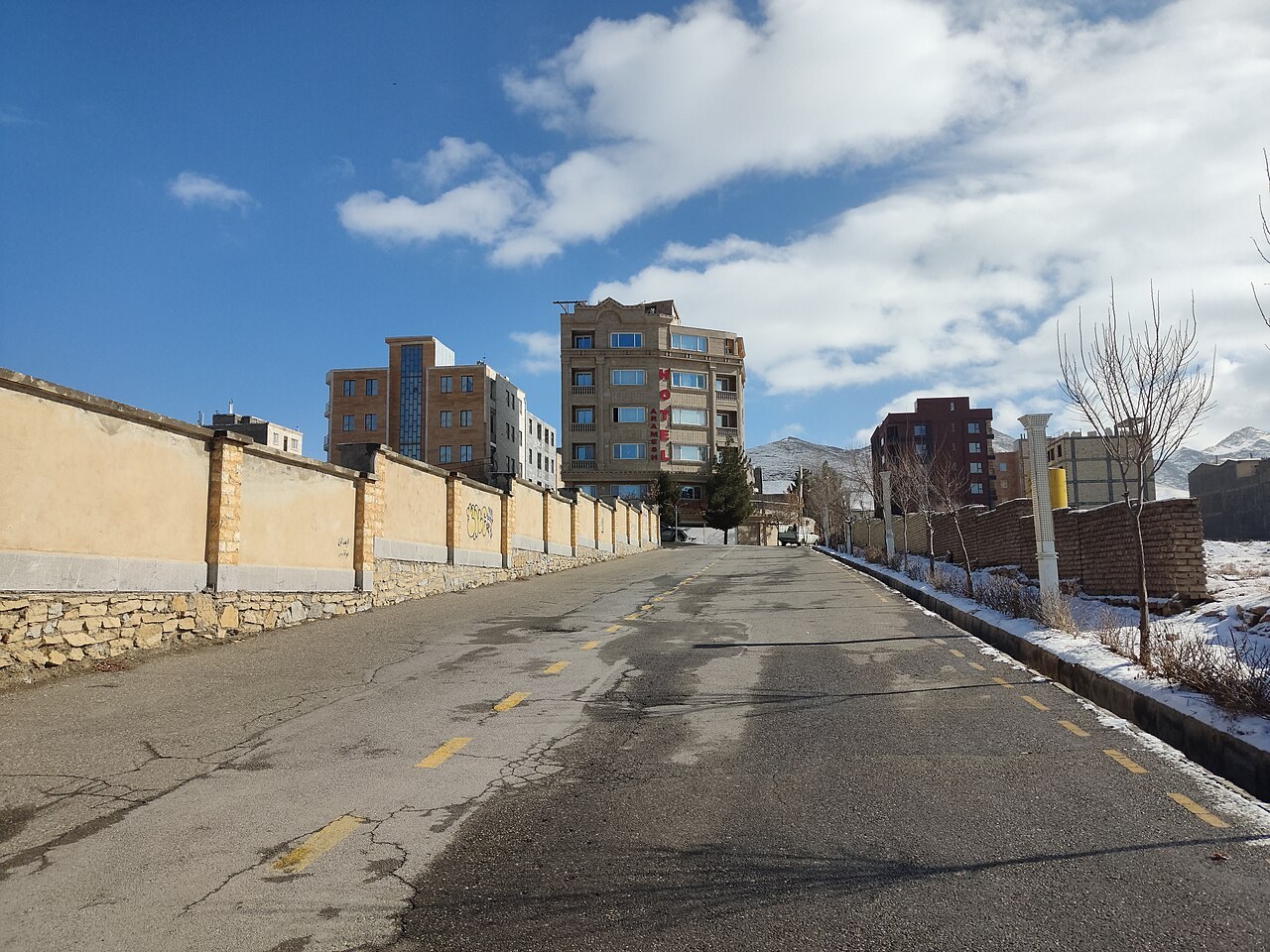
Malayer
ملایرA Hamadan province city whose name appears in the rug trade for village weaving, with vineyards in the surrounding district.
Photo: Parsa 2au · CC BY-SA 4.0 (Wikimedia Commons; resized/re-encoded JPEG) · Wikimedia Commons
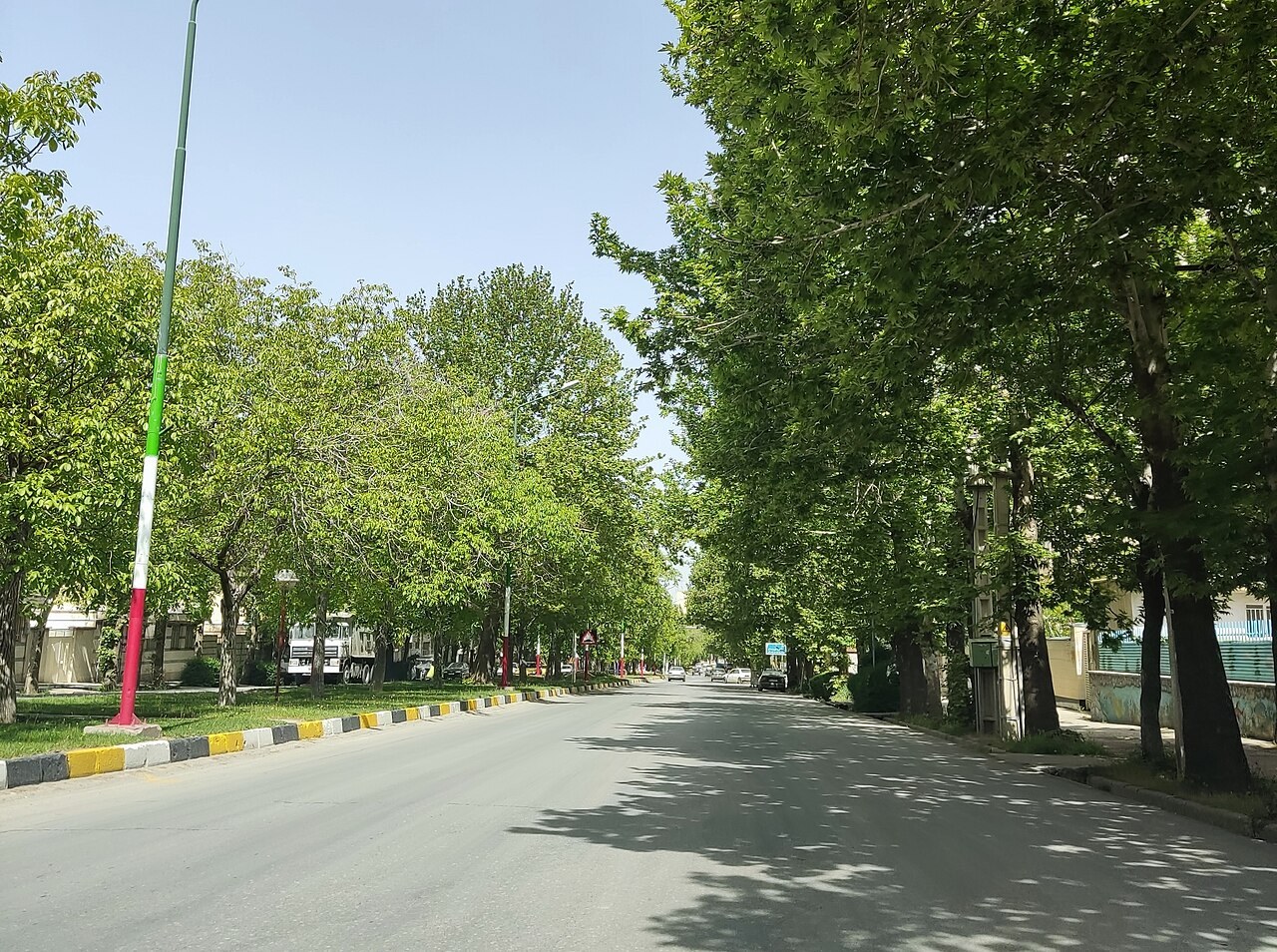
Tuyserkan
تویسرکانA walnut-growing town in Hamadan province with woodwork, village weaving and leather in its market.
Photo: Parsa 2au · CC BY-SA 4.0 (Wikimedia Commons; resized/re-encoded JPEG) · Wikimedia Commons
Hormozgan
3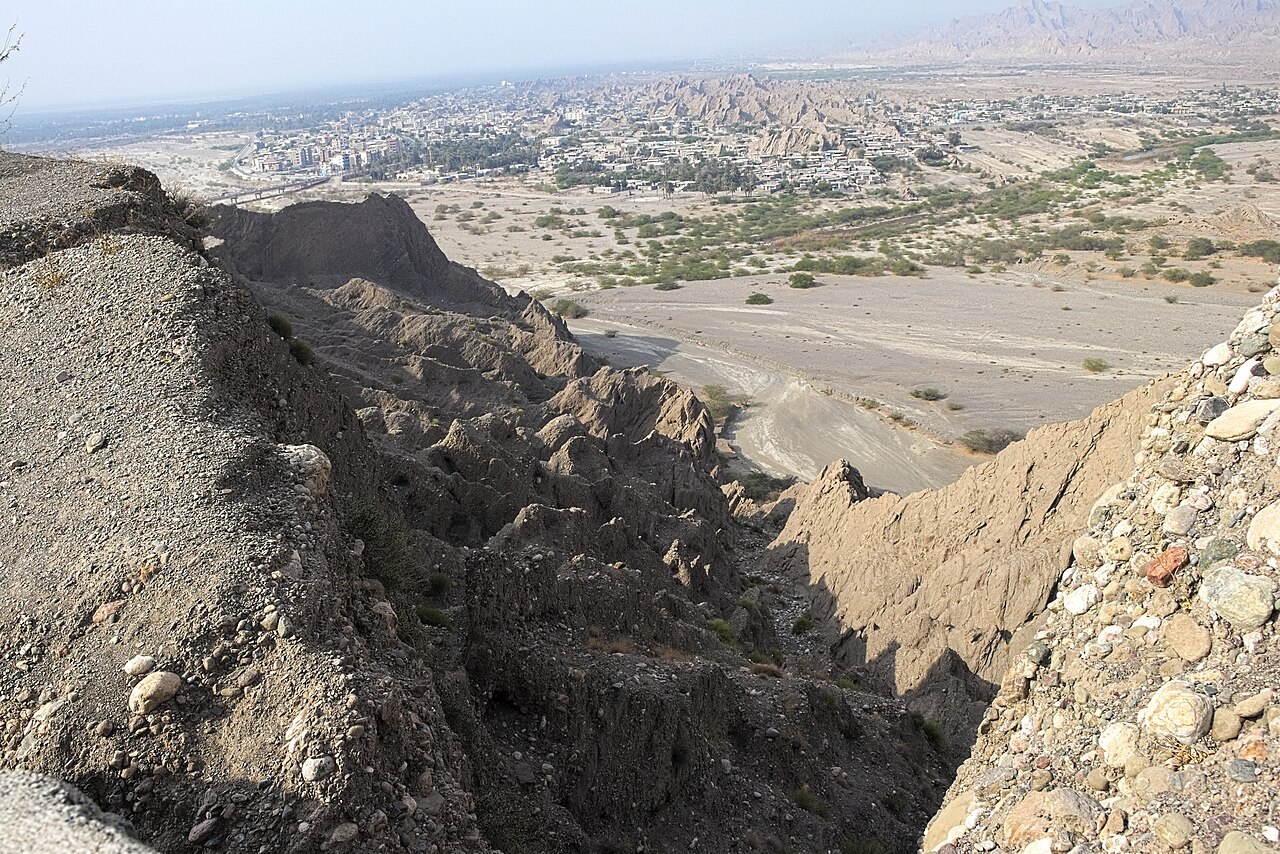
Minab
مینابA southern coastal-hinterland city with palm-fibre work, pottery and a long-running Thursday market.
Photo: Okruz · CC BY-SA 4.0 (Wikimedia Commons; resized/re-encoded JPEG) · Wikimedia Commons
Bandar Abbas
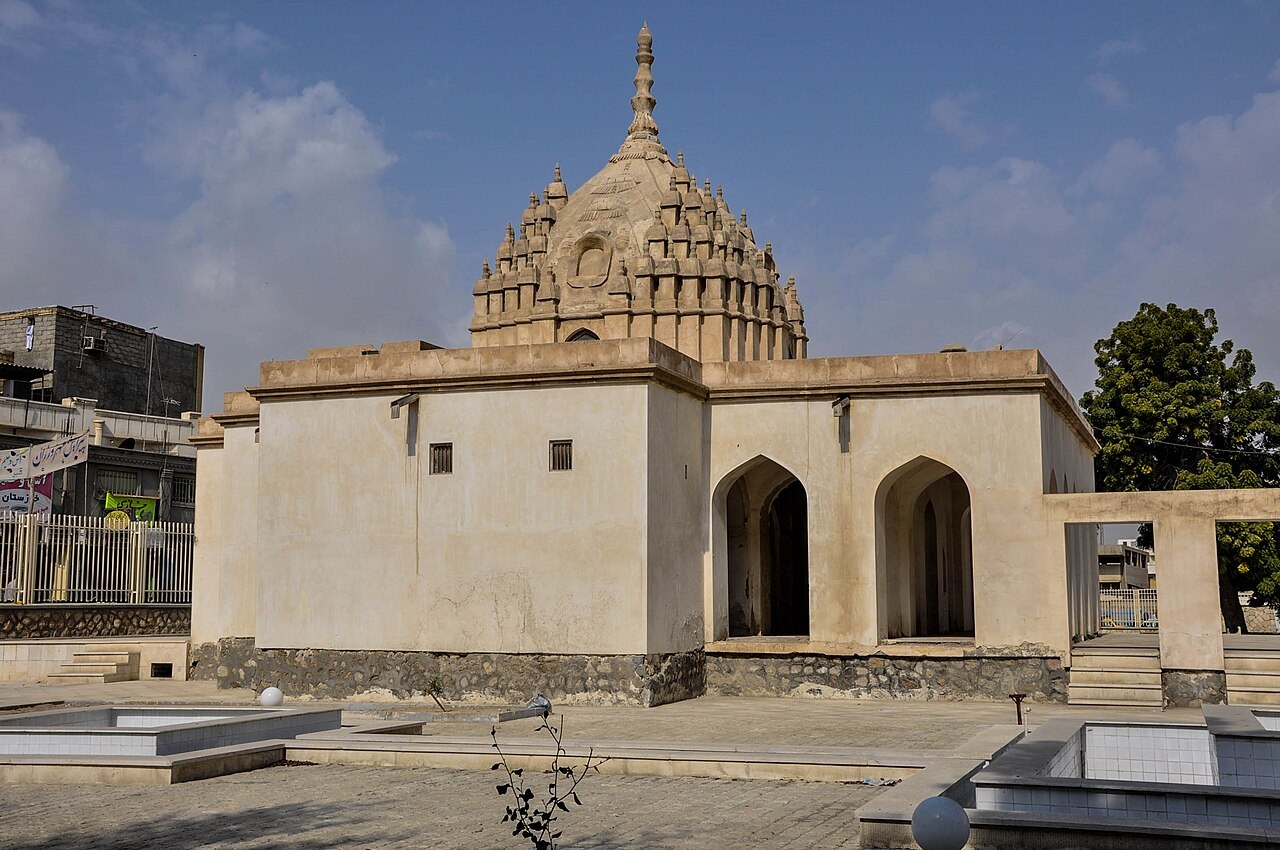
بندرعباسThe main southern port, where Persian Gulf textile, embroidery and palm-fibre traditions meet trade goods from across the water.
Photo: Salehyar · CC BY-SA 4.0 (Wikimedia Commons; resized/re-encoded JPEG) · Wikimedia Commons
Qeshm
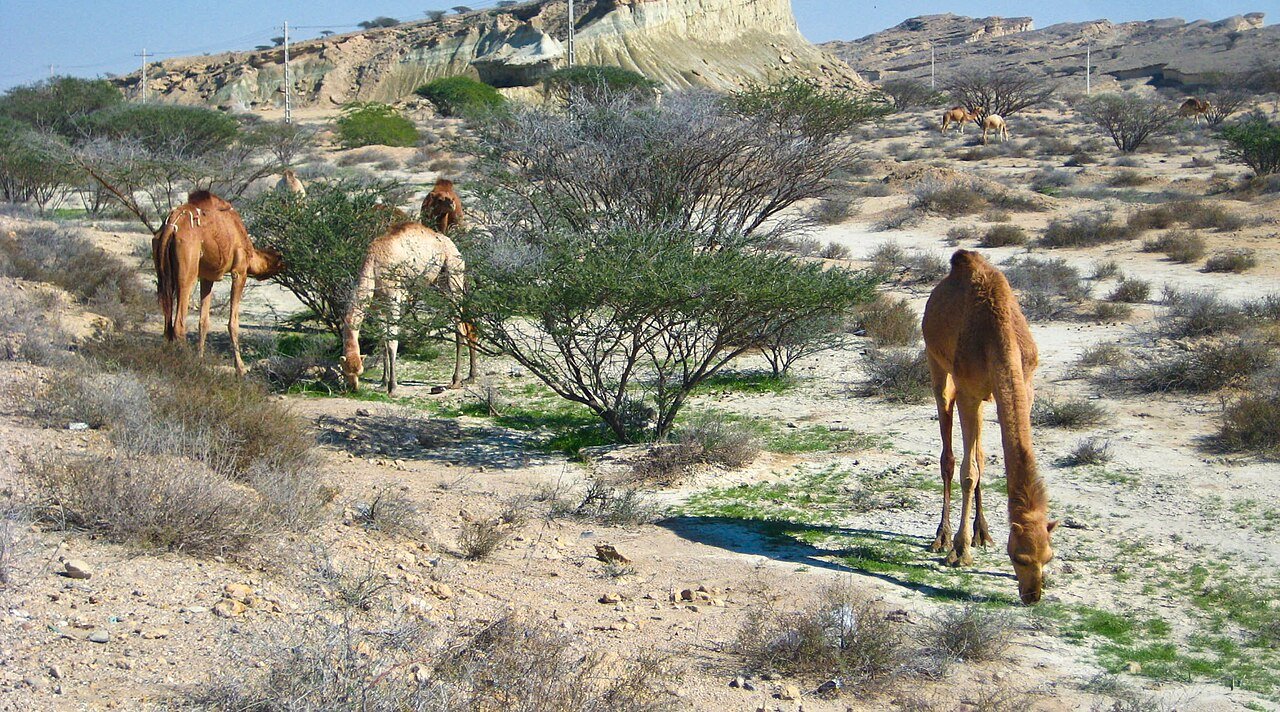
قشمThe largest island in the Persian Gulf, with wooden boat building, palm-fibre work and embroidery in its villages.
Photo: Qeshmnil · CC BY-SA 4.0 (Wikimedia Commons; resized/re-encoded JPEG) · Wikimedia Commons
Isfahan
5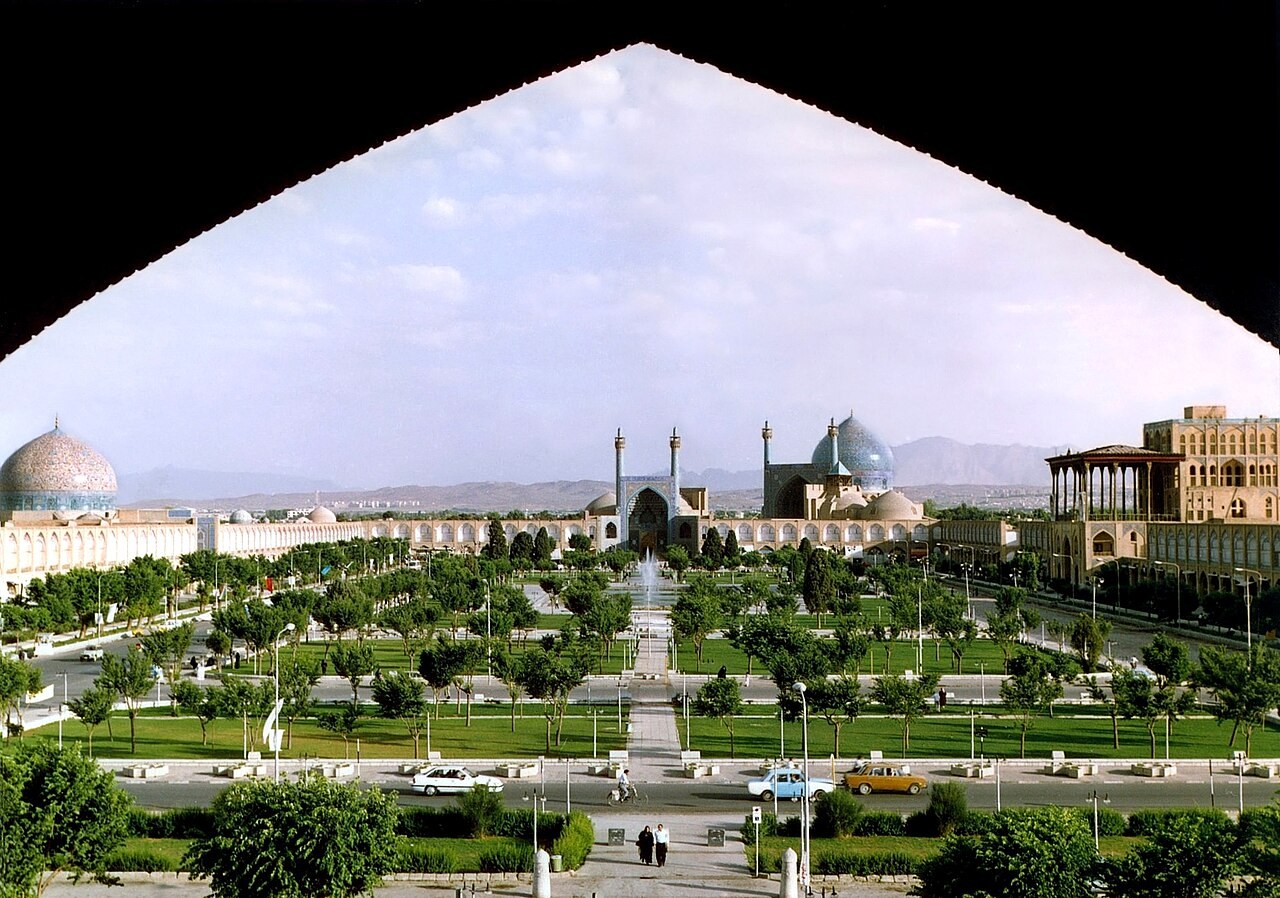
Isfahan
اصفهانThe best documented craft city in Iran, with workshops for inlay, engraved metal, enamel, miniature painting and tile clustered around one central square.
Photo: en:User:Arad · CC BY-SA 3.0 (Wikimedia Commons; resized/re-encoded JPEG) · Wikimedia Commons
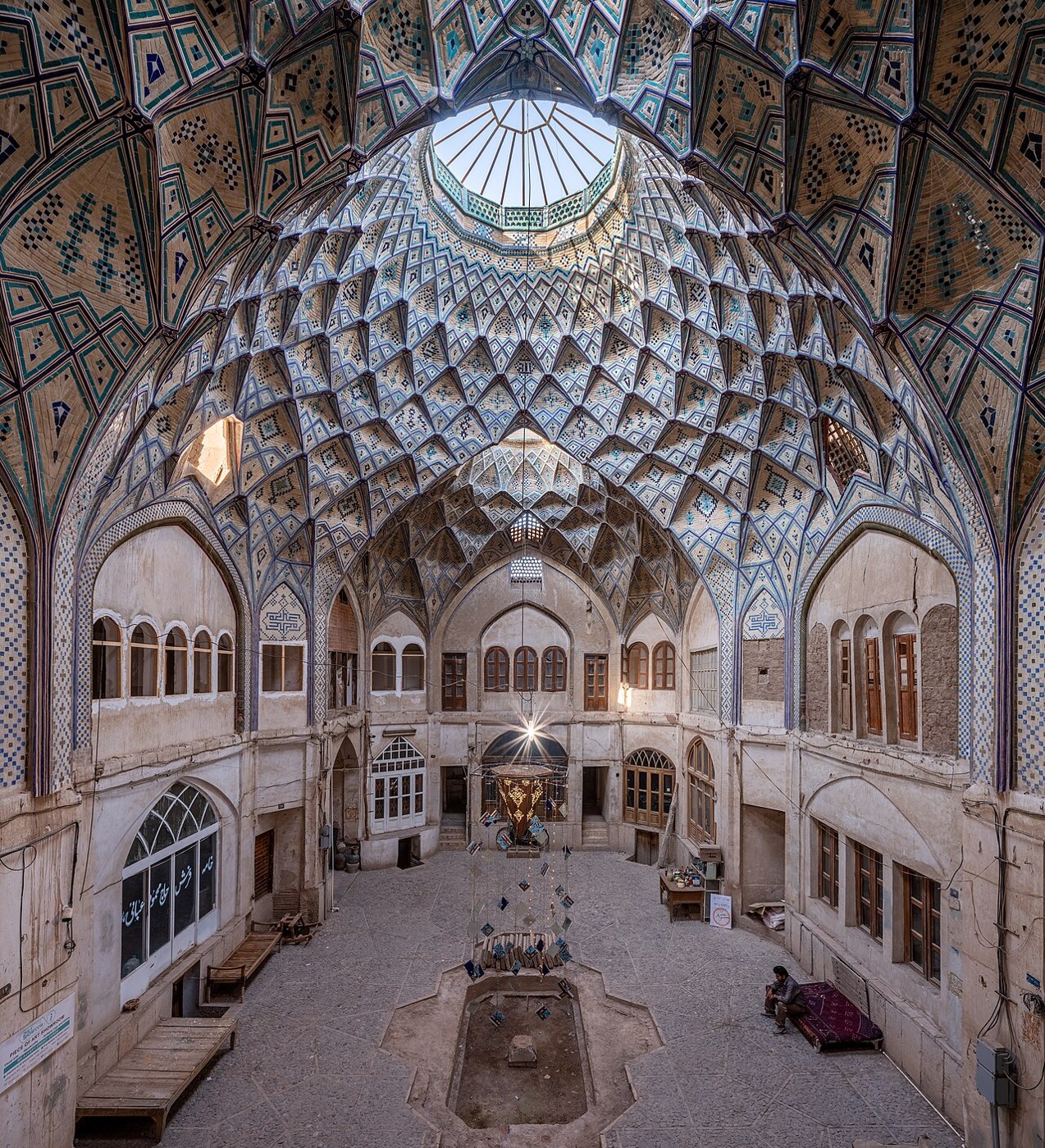
Kashan
کاشانA desert-edge city associated with silk and velvet weaving, rose water distilling and, historically, some of the most admired Persian tilework and carpets.
Photo: Amir Pashaei · CC BY-SA 4.0 (Wikimedia Commons; resized/re-encoded JPEG) · Wikimedia Commons
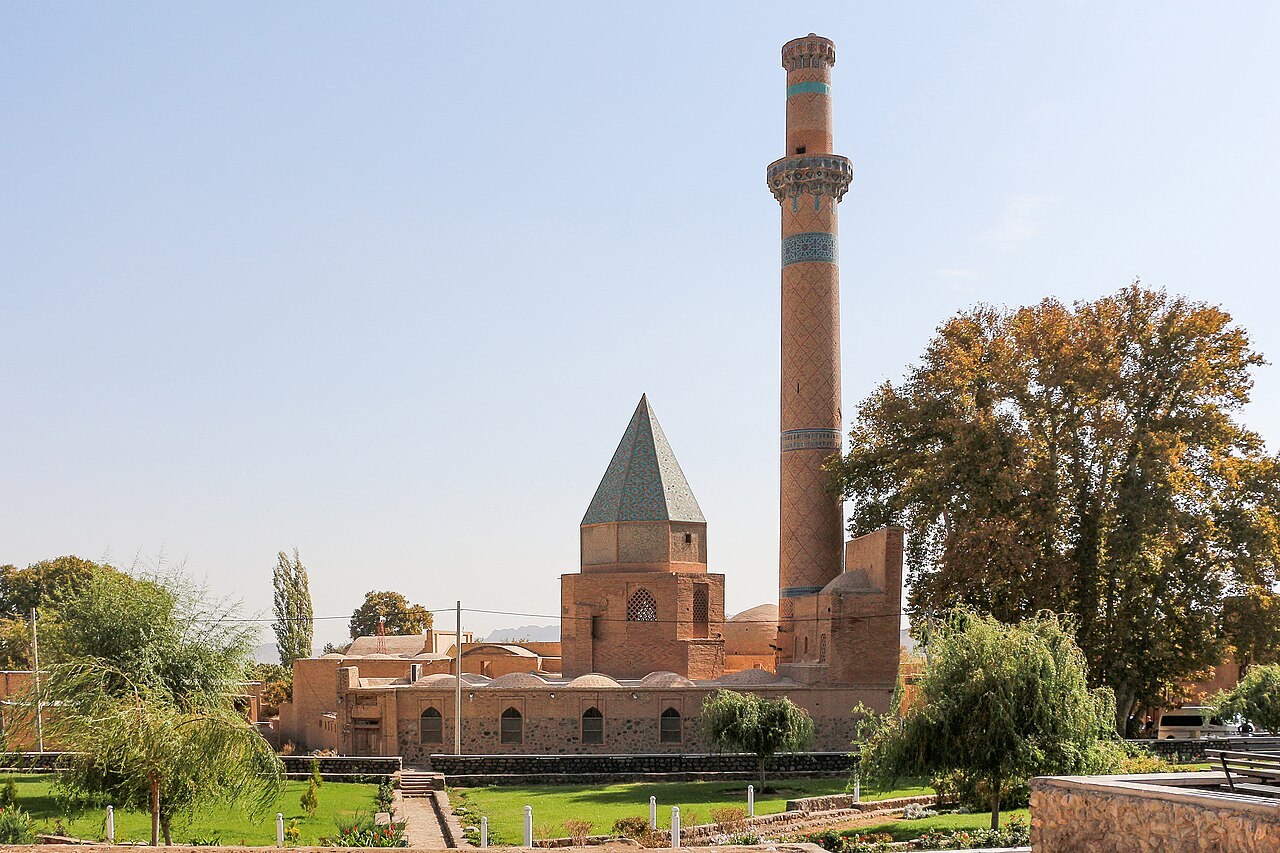
Natanz
نطنزA mountain town on the Kashan–Isfahan road, known for its fourteenth-century shrine complex and for pottery and fruit production in the surrounding valleys.
Photo: Bernard Gagnon · CC BY-SA 4.0 (Wikimedia Commons; resized/re-encoded JPEG) · Wikimedia Commons
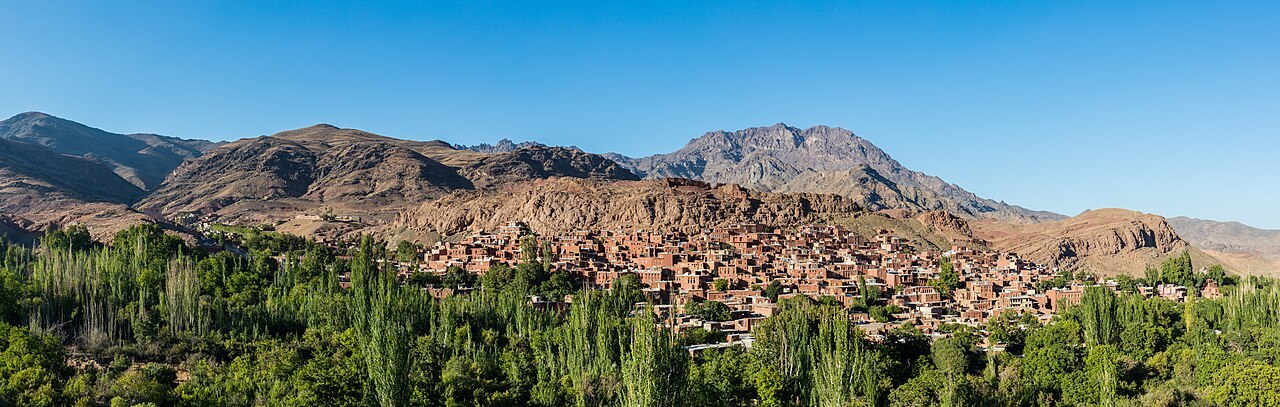
Abyaneh
ابیانهA red-earth mountain village known for its distinctive dress, hand-knitted and woven textiles, and dried fruit.
Photo: Diego Delso · CC BY-SA 4.0 (Wikimedia Commons; resized/re-encoded JPEG) · Wikimedia Commons
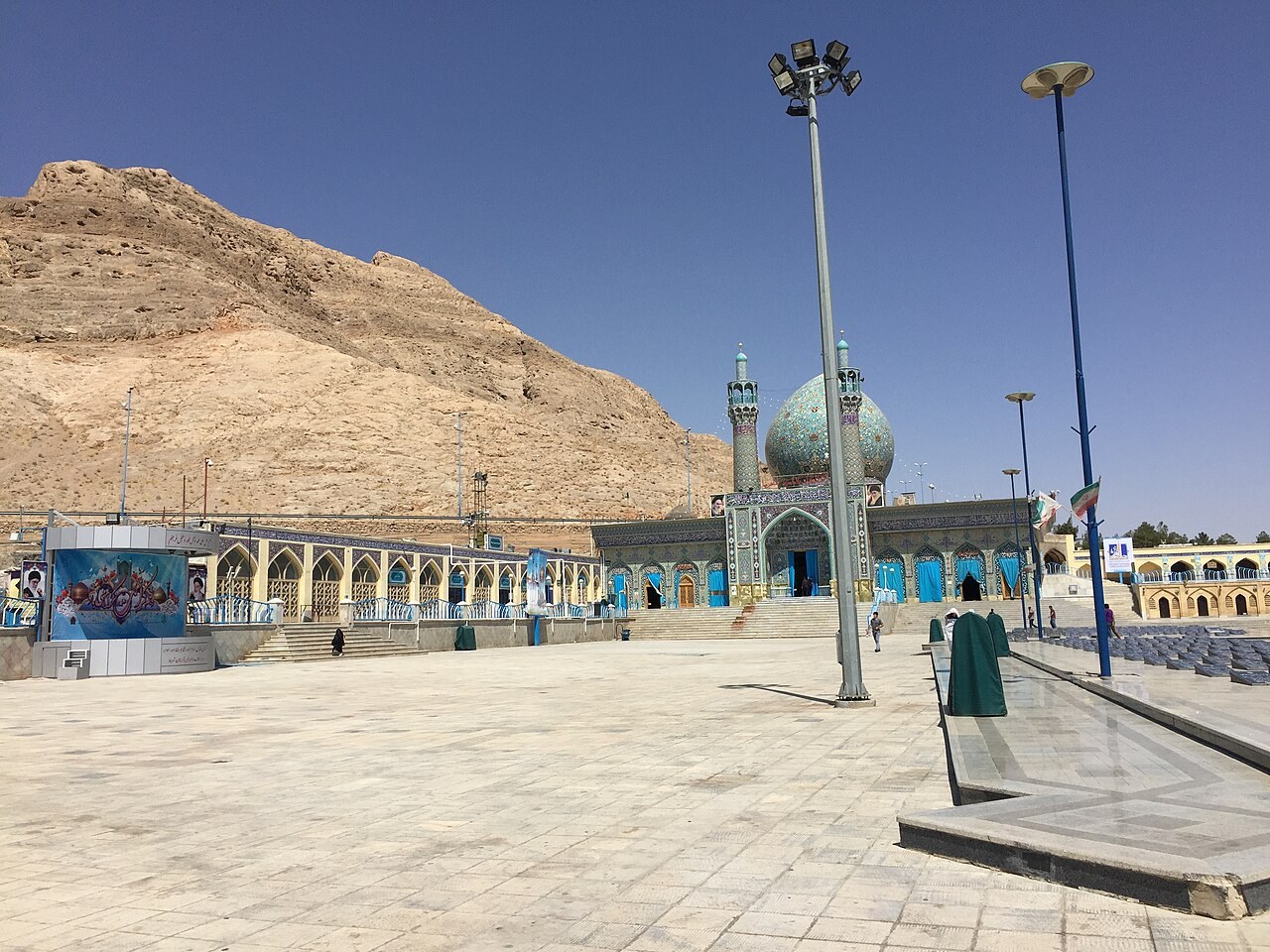
Shahreza
شهرضاA town south of Isfahan with a long-standing pottery and tile industry supplying the region.
Photo: Dansari03 · CC0 (Wikimedia Commons; resized/re-encoded JPEG) · Wikimedia Commons
Kerman
5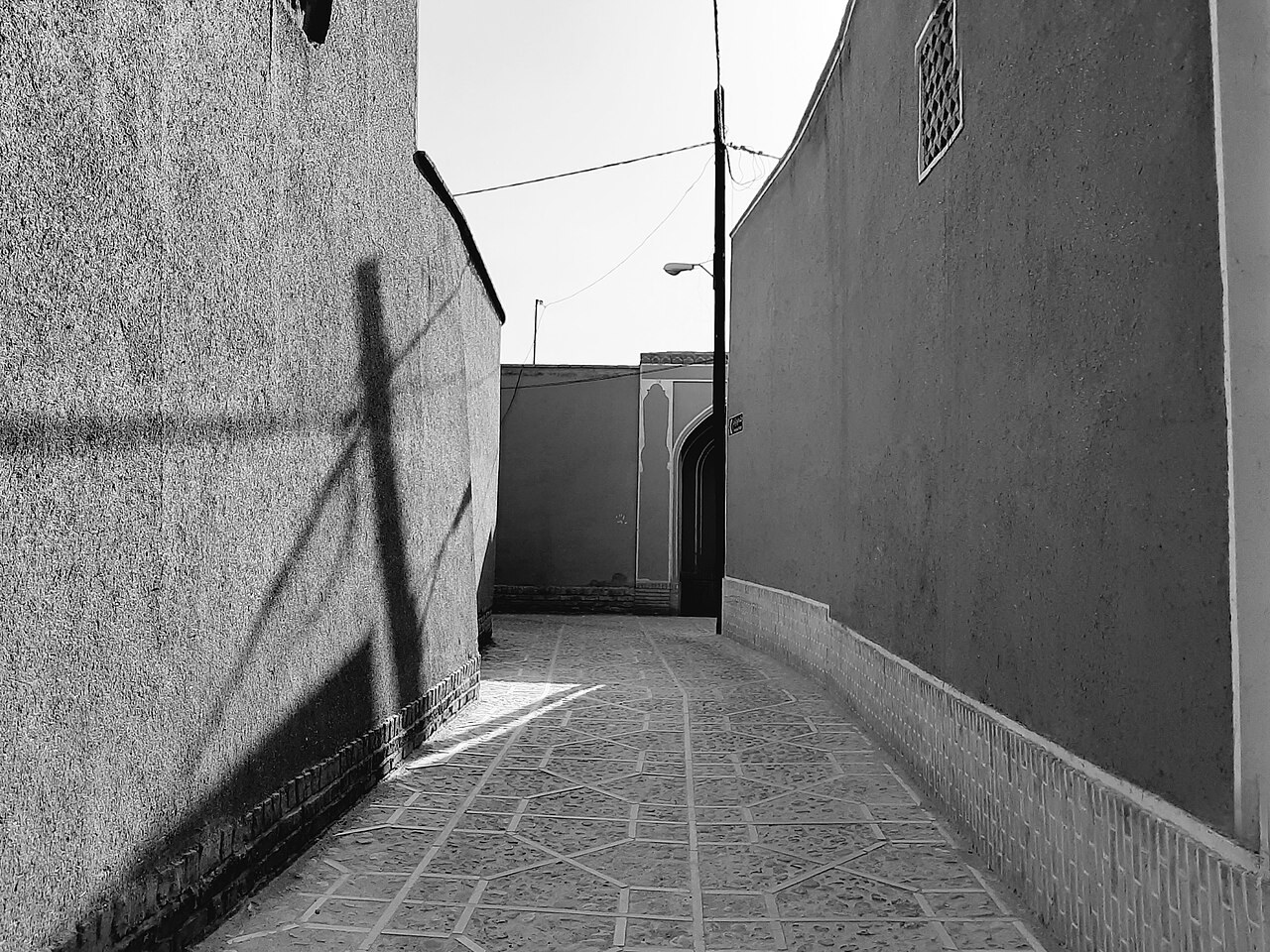
Kerman
کرمانA south-eastern city known for pateh needlework on woollen ground cloth and for a long carpet-weaving tradition.
Photo: ImanFakhri · CC BY-SA 4.0 (Wikimedia Commons; resized/re-encoded JPEG) · Wikimedia Commons
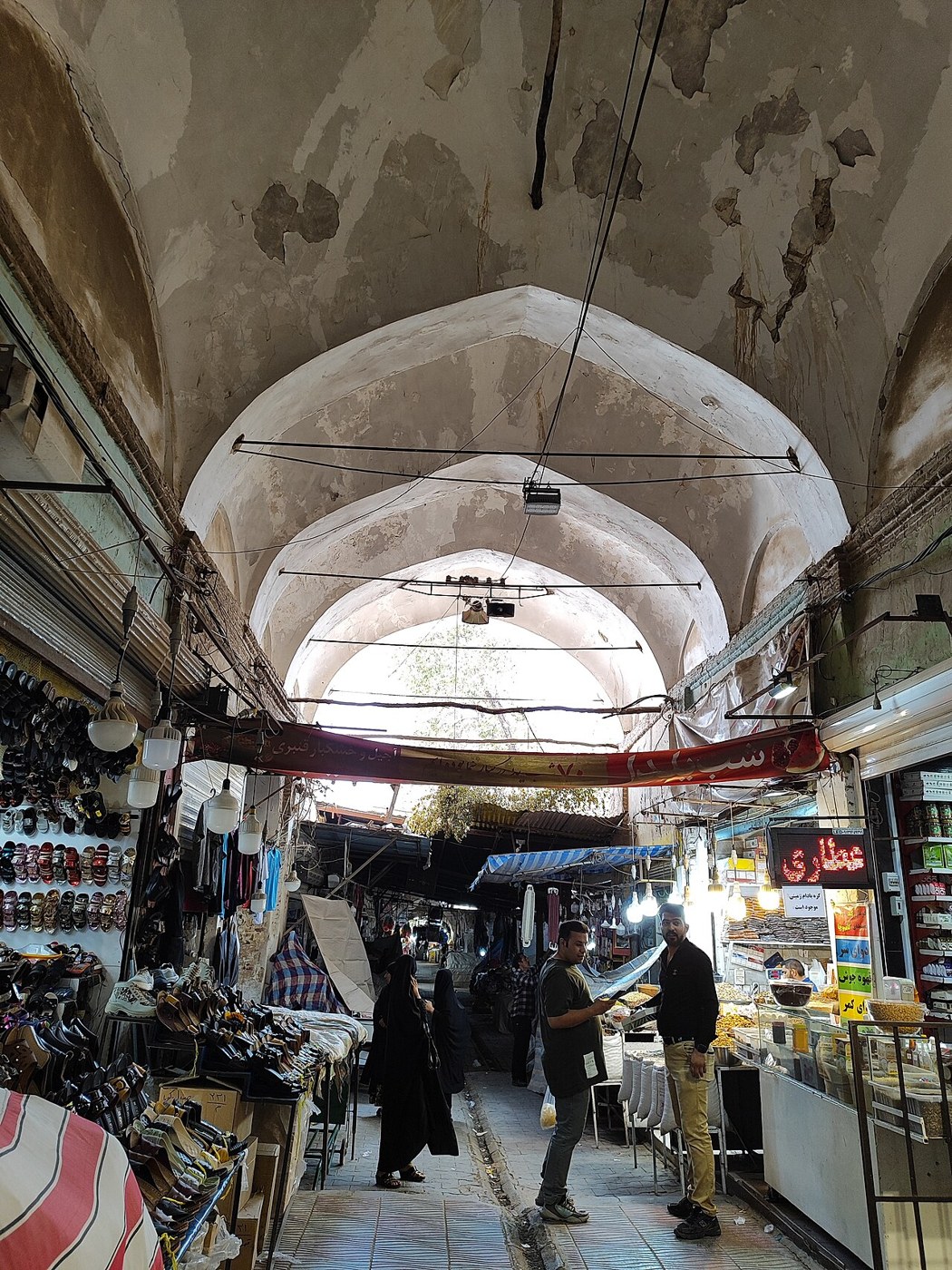
Sirjan
سیرجانA southern Kerman city associated with Afshar-attributed weaving and with kilim and bag faces from the surrounding district.
Photo: Amin Khuzayma · CC BY-SA 4.0 (Wikimedia Commons; resized/re-encoded JPEG) · Wikimedia Commons
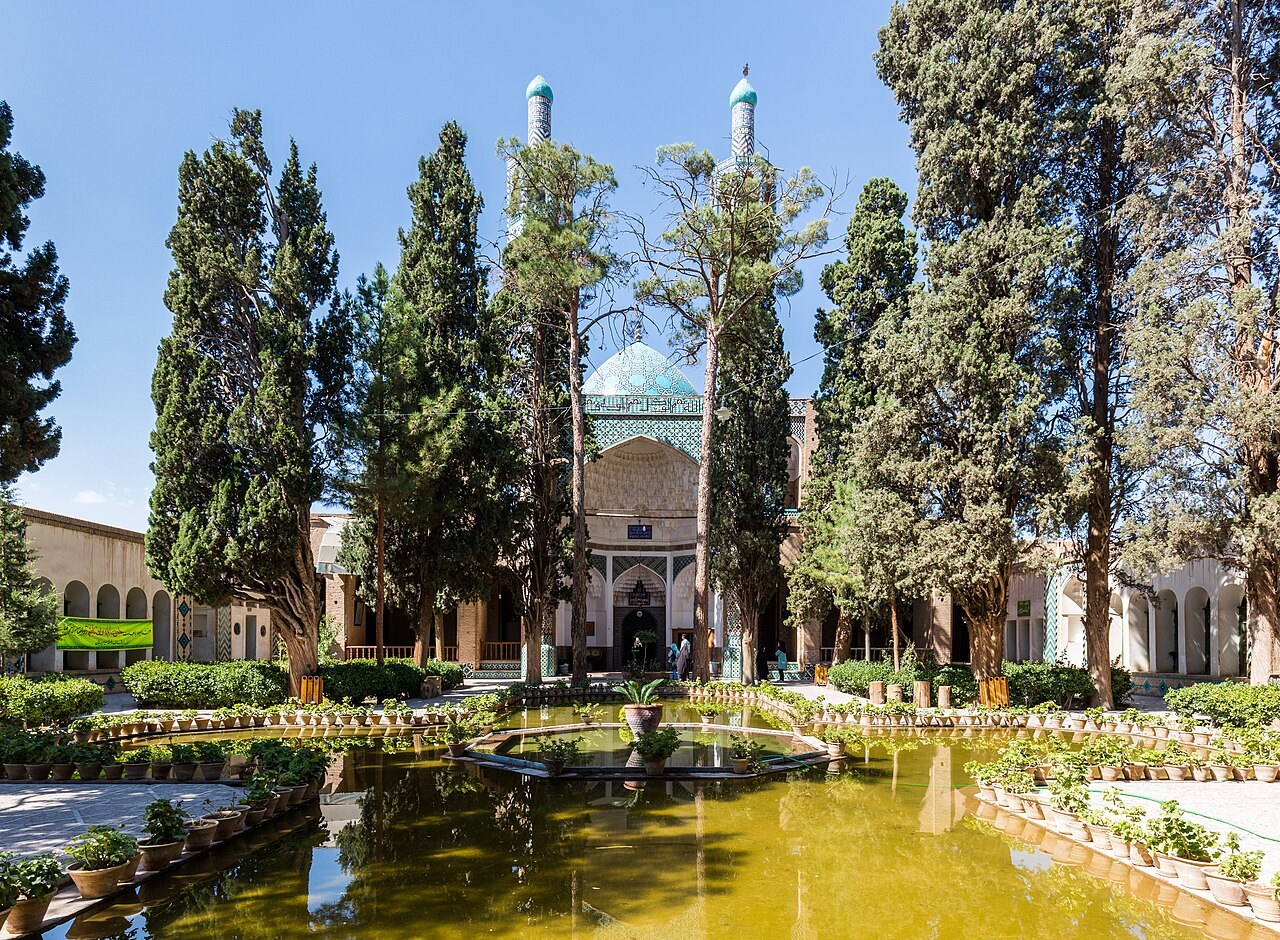
Mahan
ماهانA garden town south-east of Kerman, known for the Shah Nematollah Vali shrine and its tile and woodwork.
Photo: Diego Delso · CC BY-SA 4.0 (Wikimedia Commons; resized/re-encoded JPEG) · Wikimedia Commons
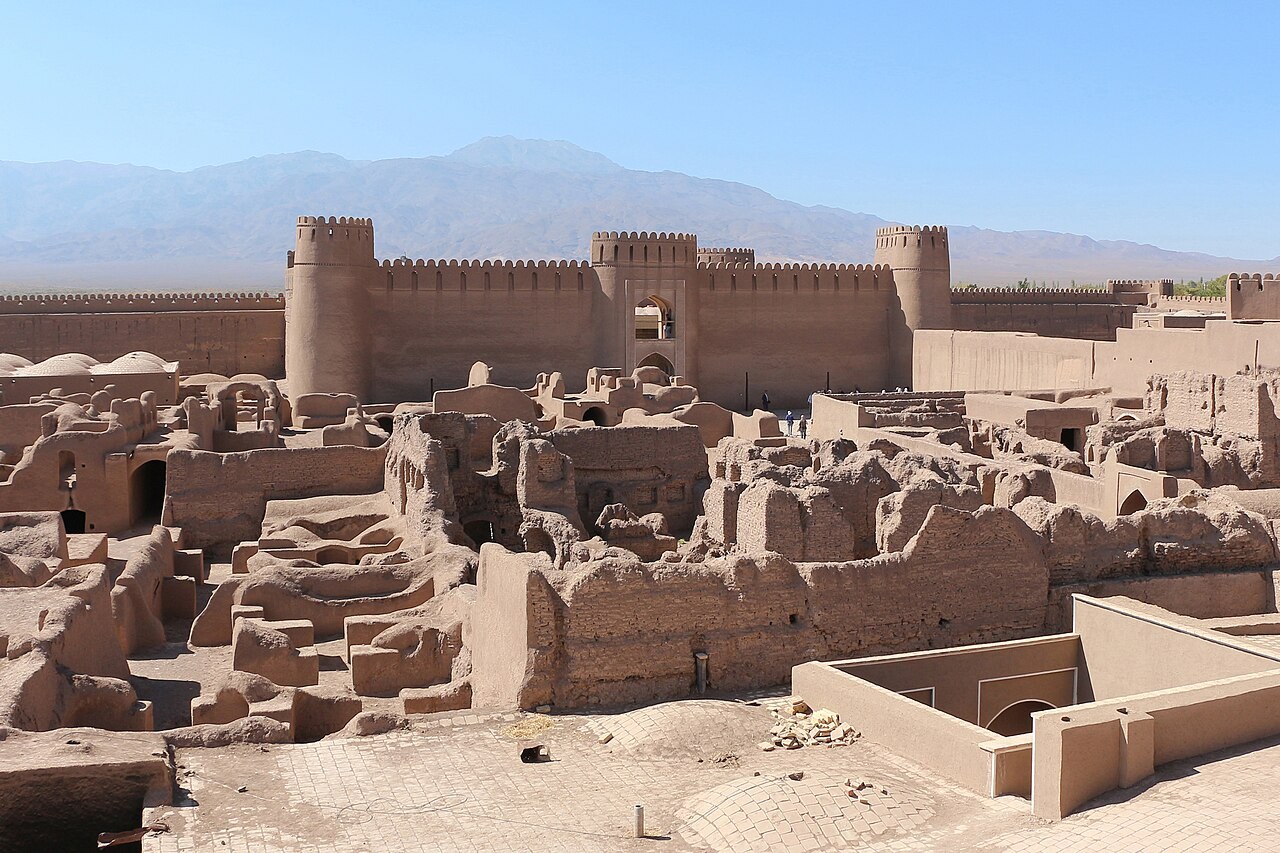
Rayen
راینA mountain town with a large surviving mud-brick citadel, used as a study site for earthen building crafts.
Photo: Bernard Gagnon · CC BY-SA 4.0 (Wikimedia Commons; resized/re-encoded JPEG) · Wikimedia Commons
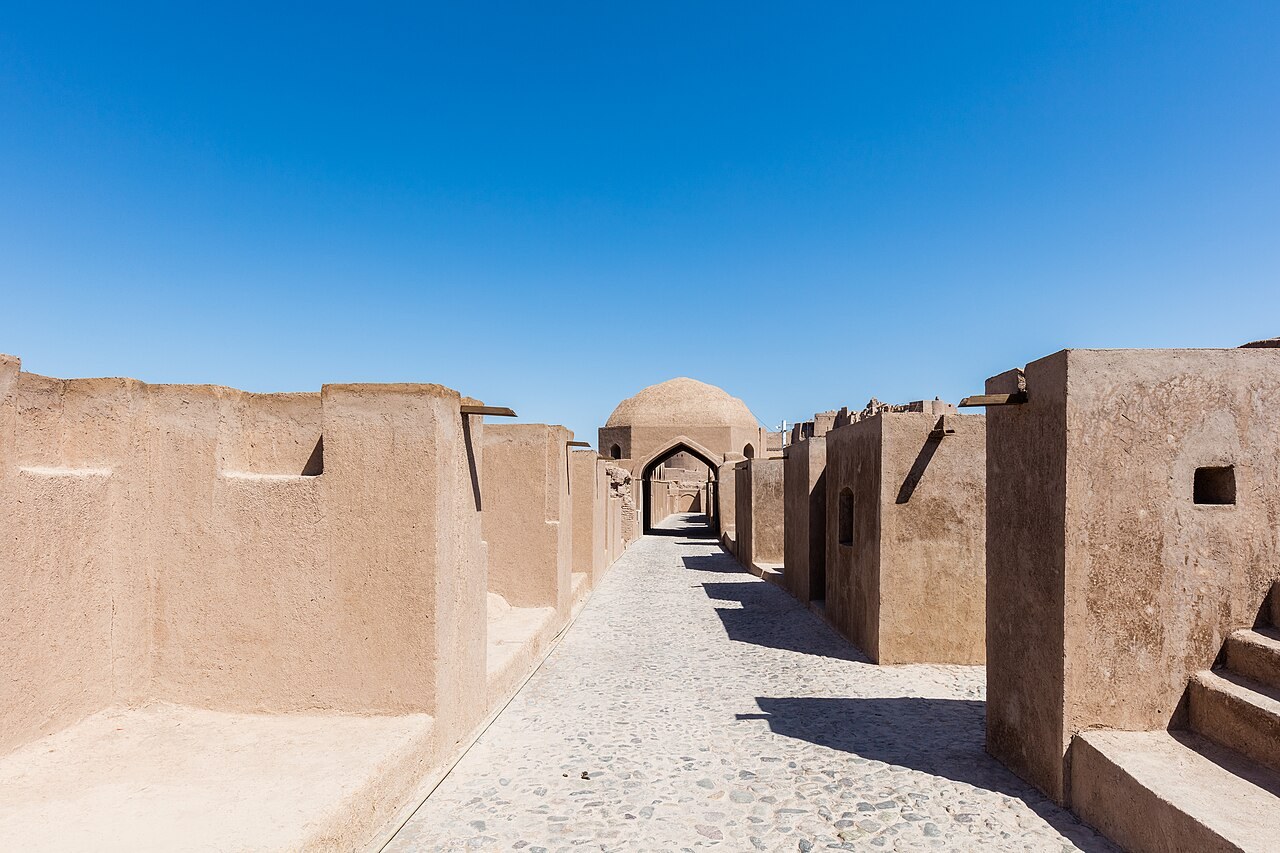
Bam
بمA date-growing oasis city in south-eastern Kerman, its ancient citadel badly damaged in the 2003 earthquake and under long-term restoration.
Photo: Diego Delso · CC BY-SA 4.0 (Wikimedia Commons; resized/re-encoded JPEG) · Wikimedia Commons
Kermanshah
1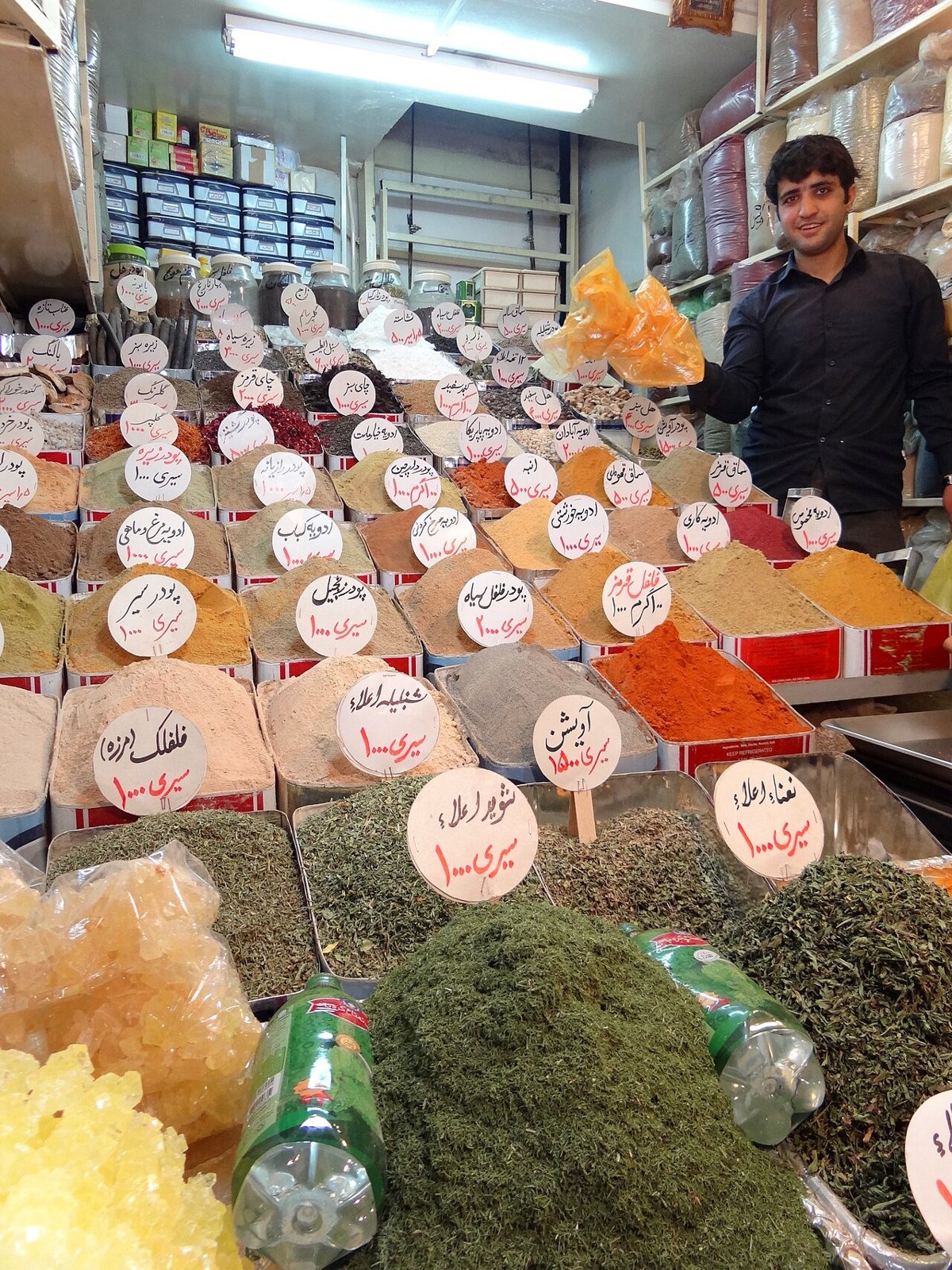
Kermanshah
کرمانشاهA western city on the old road to Baghdad, with giveh footwear, village weaving and metalwork in its bazaar.
Photo: Adam Jones from Kelowna, BC, Canada · CC BY-SA 2.0 (Wikimedia Commons; resized/re-encoded JPEG) · Wikimedia Commons
Khuzestan
2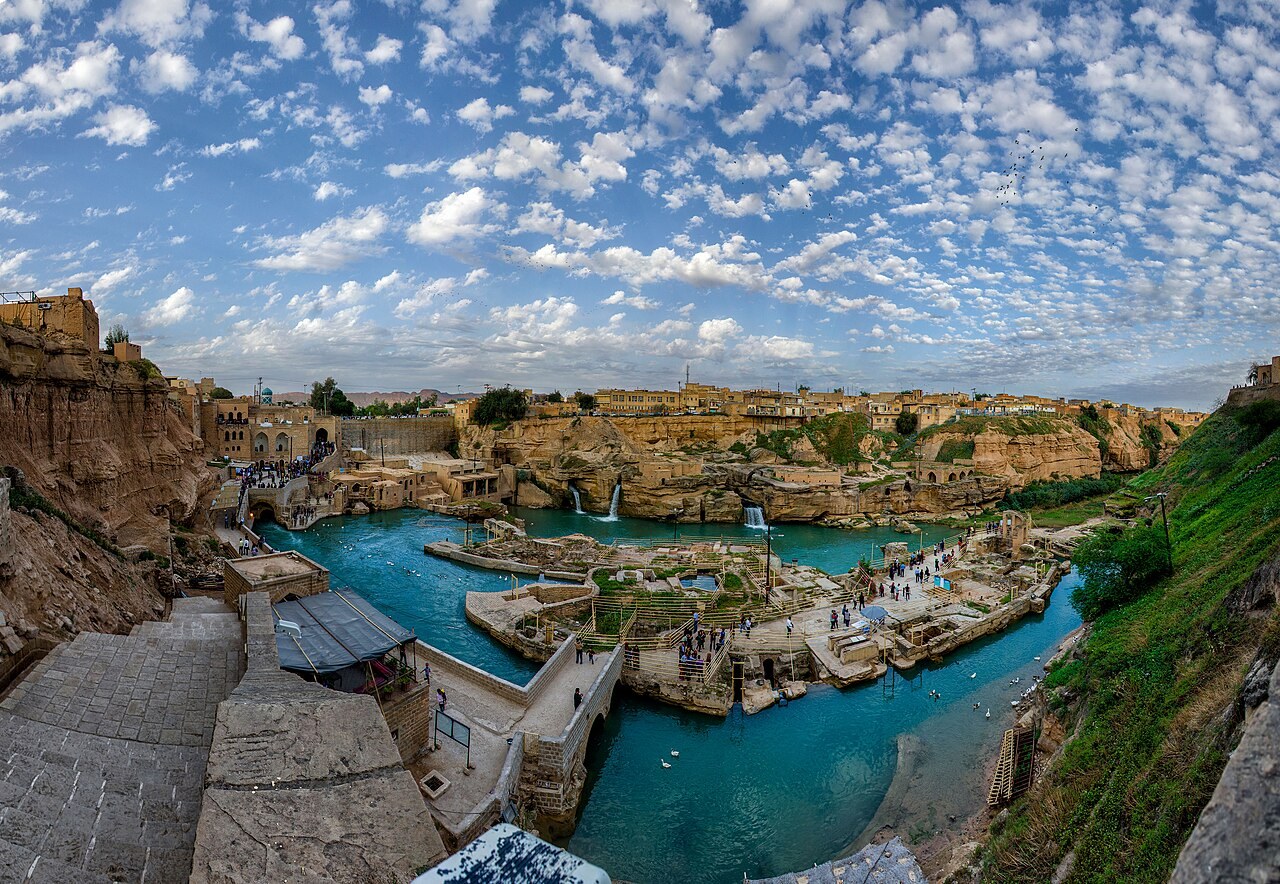
Shushtar
شوشترA Khuzestan city built around an ancient hydraulic system, with regional weaving, mat work and boat-related trades nearby.
Photo: Iman Yari · CC BY-SA 4.0 (Wikimedia Commons; resized/re-encoded JPEG) · Wikimedia Commons
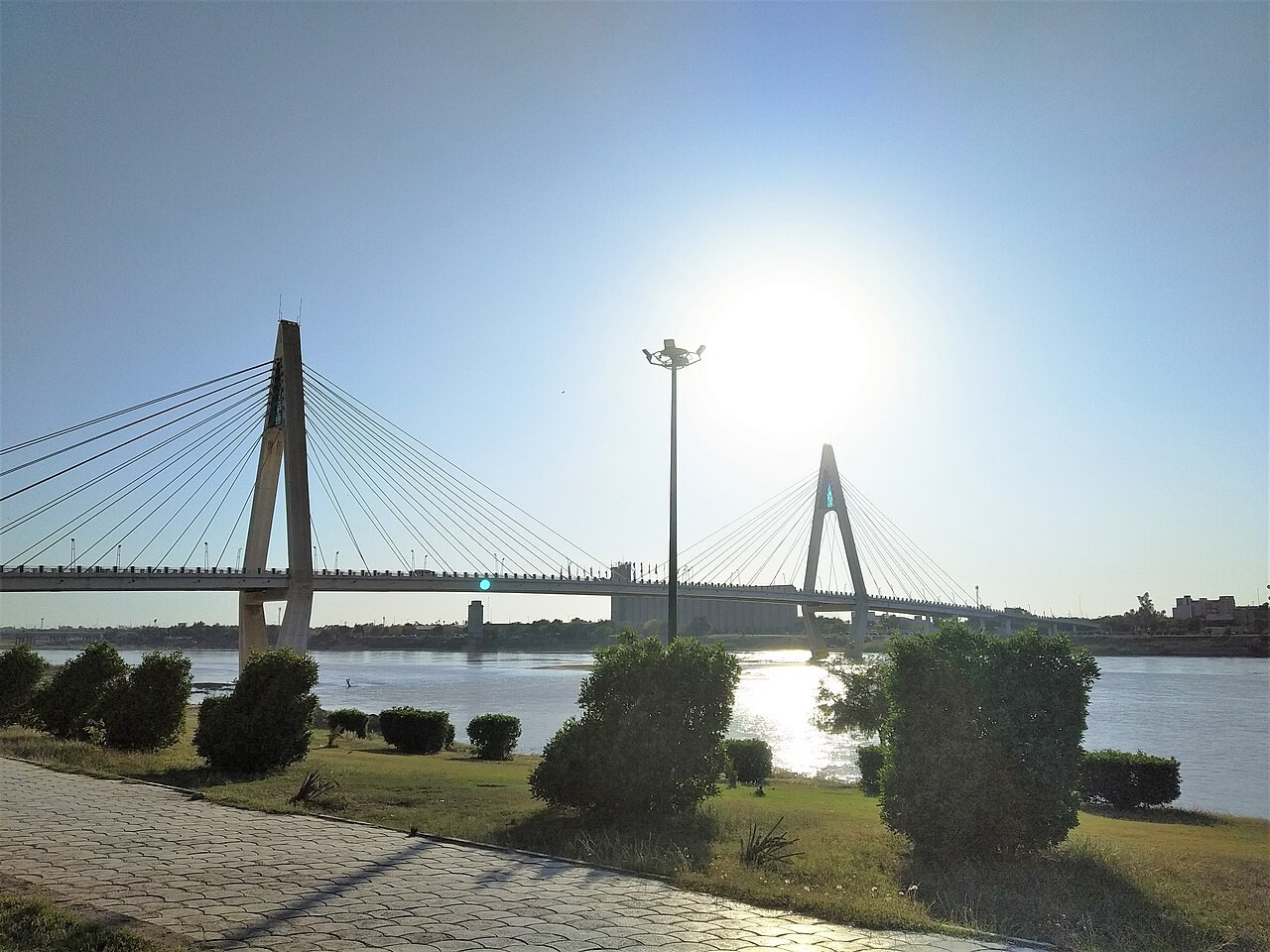
Ahvaz
اهوازThe Khuzestan capital on the Karun, the market for Arab and Bakhtiari weaving, reed work and river trades.
Photo: Chrisrabinson · CC BY-SA 4.0 (Wikimedia Commons; resized/re-encoded JPEG) · Wikimedia Commons
Kurdistan
2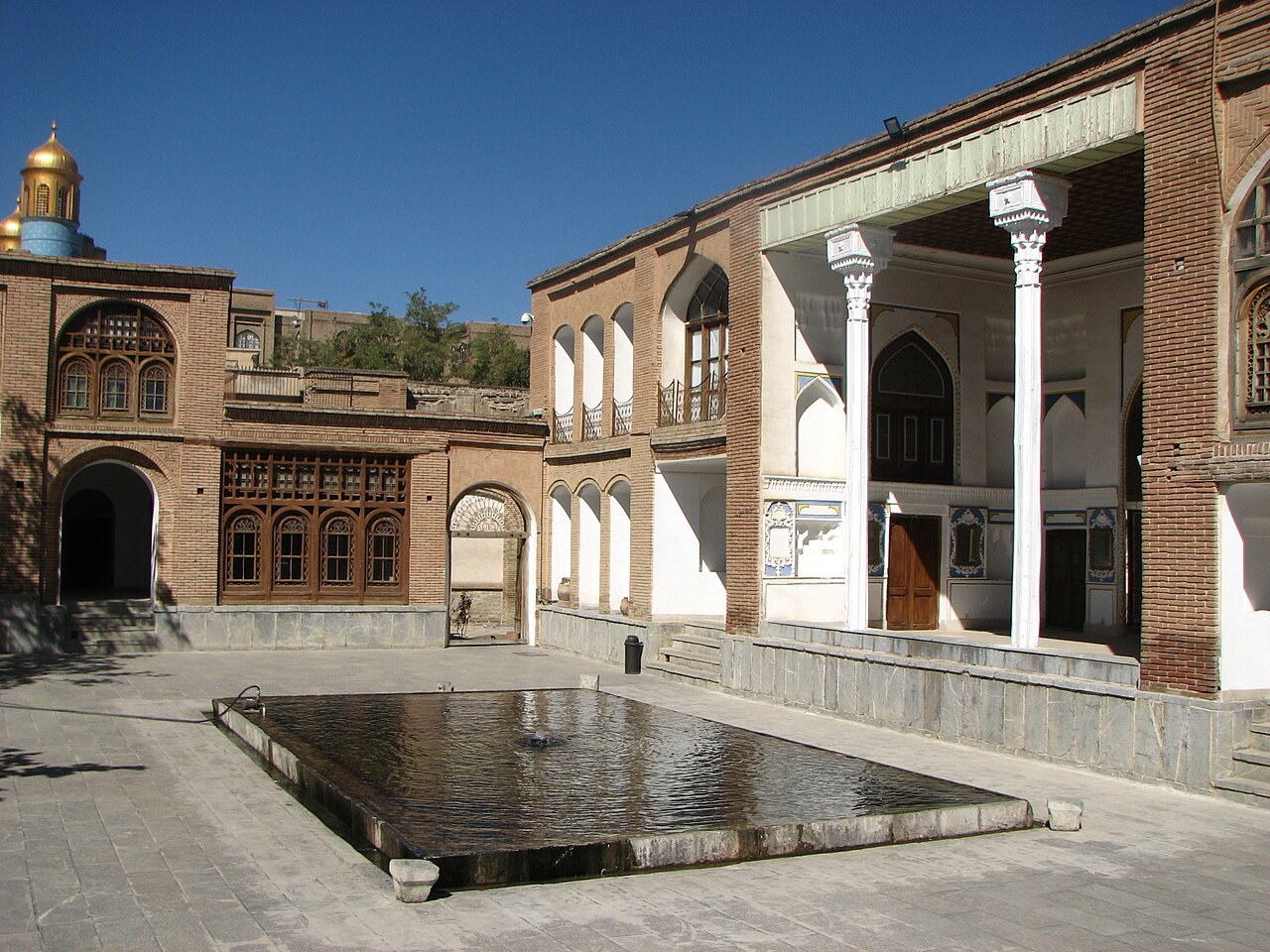
Sanandaj
سنندجThe Kurdish provincial capital, historically linked to fine single-wefted rugs known in the trade as Senneh, and to klash footwear from the surrounding region.
Photo: Mahmoodreza Mohajerani · CC BY-SA 4.0 (Wikimedia Commons; resized/re-encoded JPEG) · Wikimedia Commons
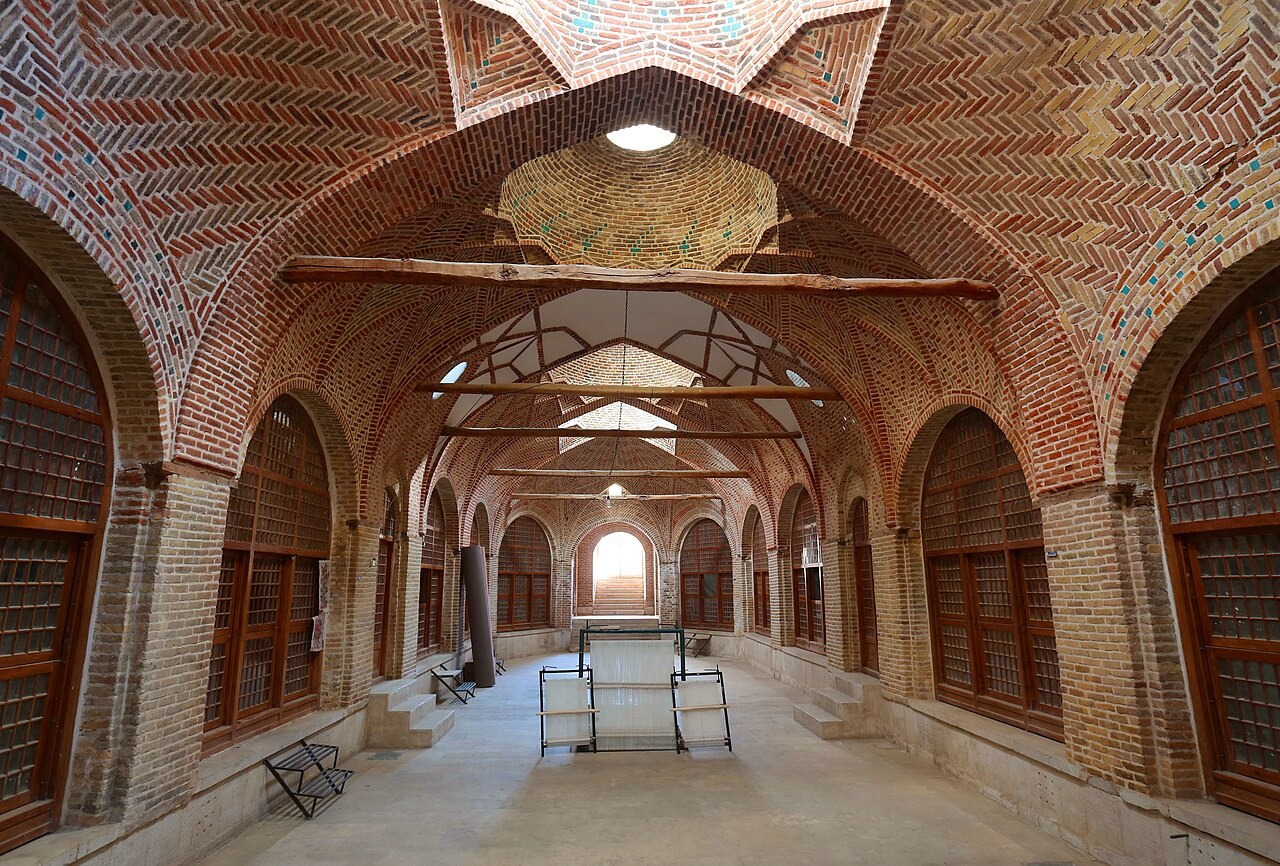
Bijar
بیجارA Kurdish highland town whose name is attached in the carpet trade to exceptionally heavy, densely packed rugs.
Photo: Behrad Moudi · CC BY-SA 4.0 (Wikimedia Commons; resized/re-encoded JPEG) · Wikimedia Commons
Lorestan
2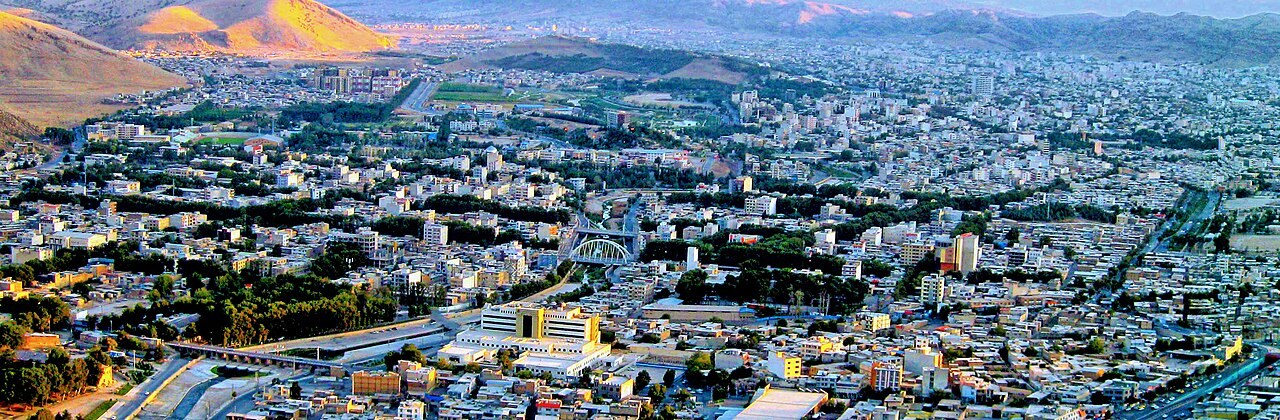
Khorramabad
خرمآبادThe capital of Lorestan, the market for Lori and Bakhtiari weaving, felt and pastoral craft from the Zagros.
Photo: Meysam · CC BY-SA 3.0 (Wikimedia Commons; resized/re-encoded JPEG) · Wikimedia Commons
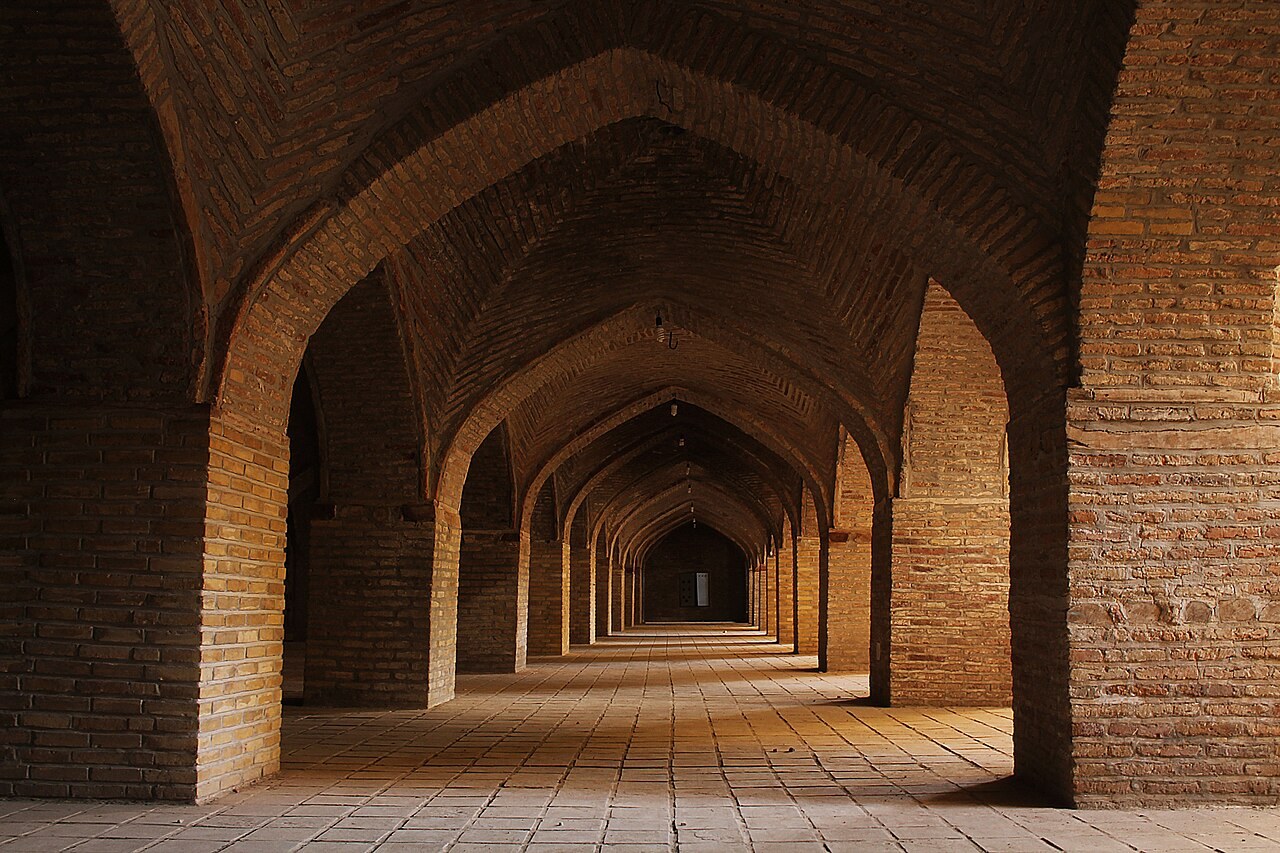
Borujerd
بروجردA Lorestan city with copper working and village weaving, on the road between the western highlands and Hamadan.
Photo: Seyedhosseini · CC BY-SA 4.0 (Wikimedia Commons; resized/re-encoded JPEG) · Wikimedia Commons
North Khorasan
1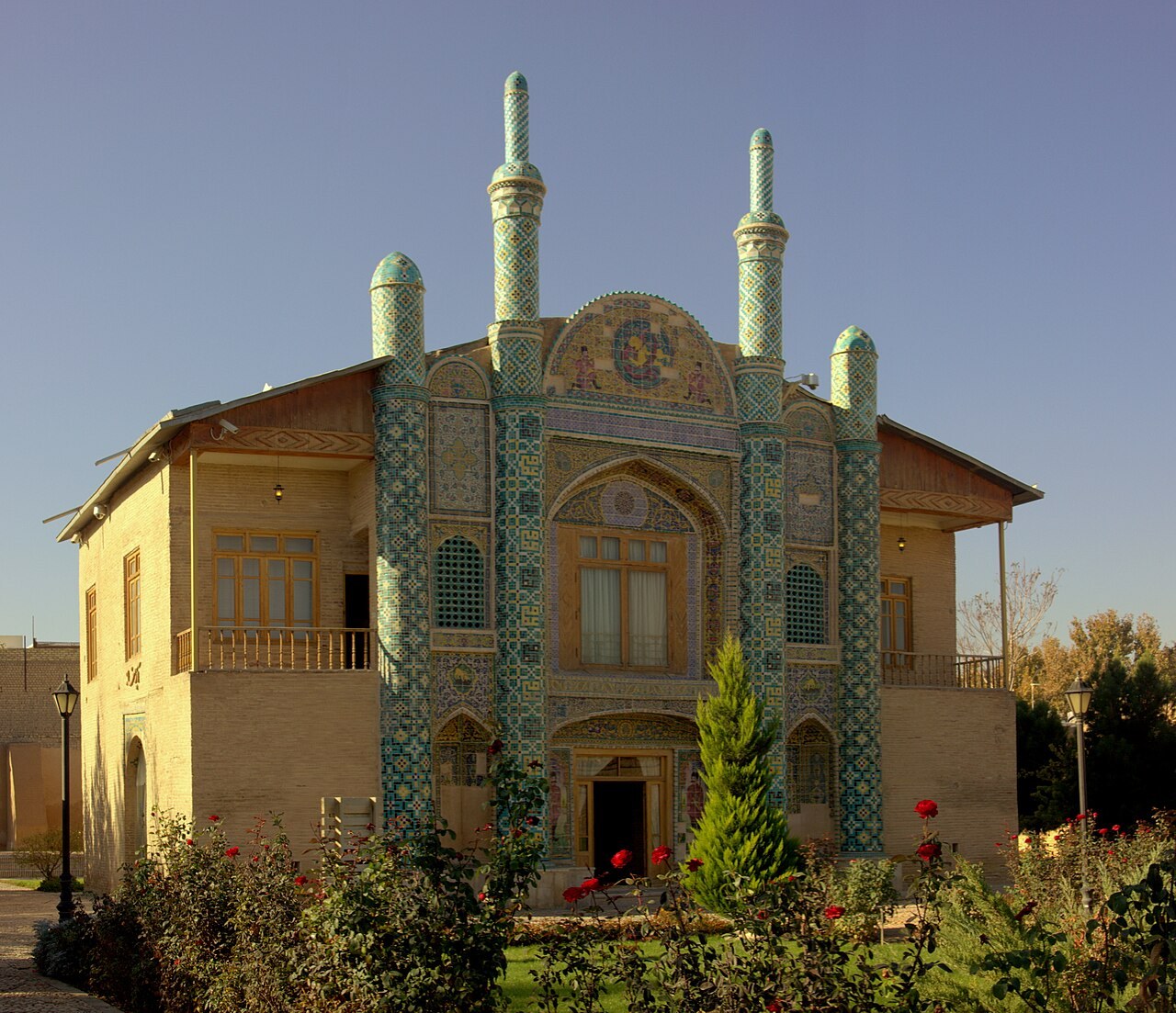
Bojnurd
بجنوردA north-eastern city in mixed Kurdish, Turkmen and Turkic country, with village weaving, felt and silver in its market.
Photo: Arashk rp2 · CC BY-SA 3.0 (Wikimedia Commons; resized/re-encoded JPEG) · Wikimedia Commons
Qazvin
1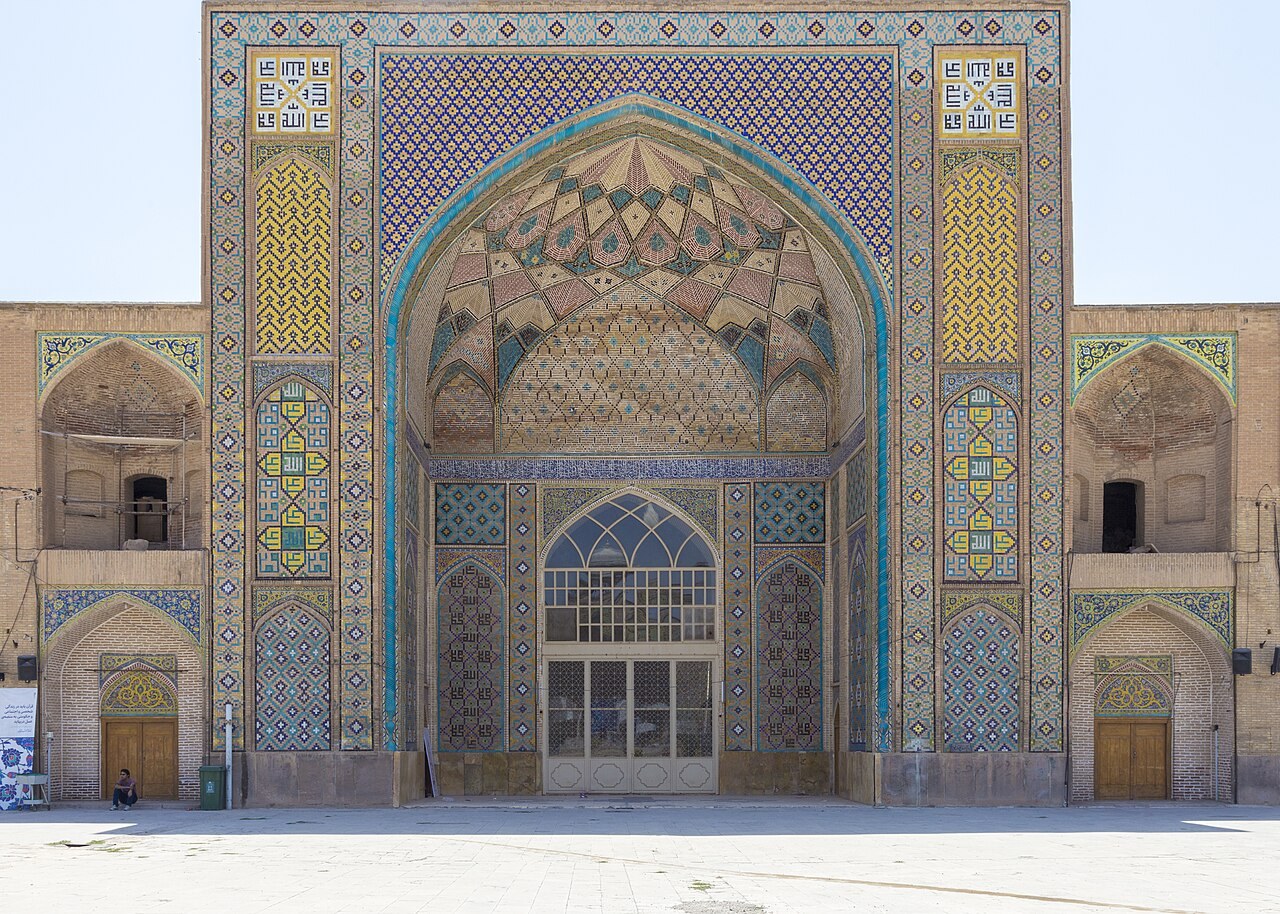
Qazvin
قزوینA former Safavid capital between Tehran and Zanjan, with calligraphy and manuscript heritage and a restored historic bazaar.
Photo: Mohammadkeshmiri · CC BY-SA 4.0 (Wikimedia Commons; resized/re-encoded JPEG) · Wikimedia Commons
Qom
1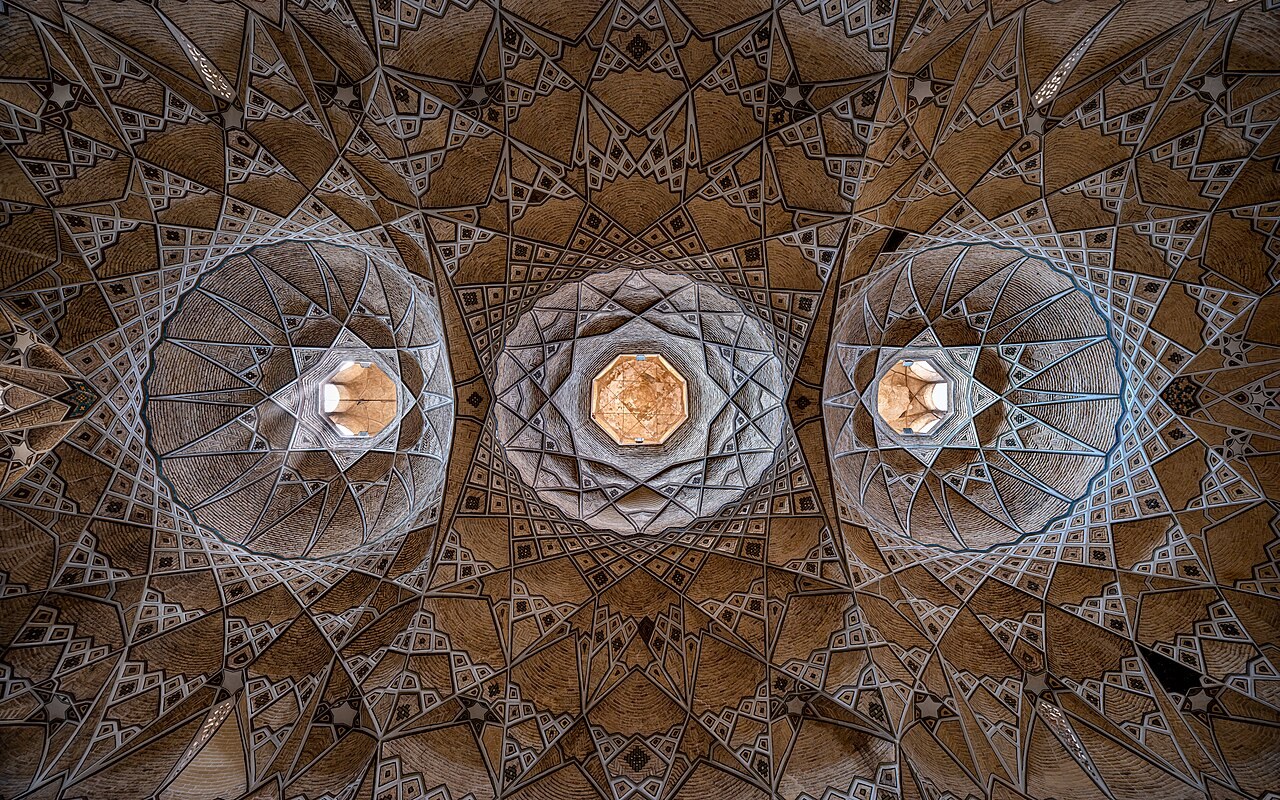
Qom
قمA pilgrimage city south of Tehran whose twentieth-century silk carpet workshops gave it a distinct place in the carpet trade.
Photo: Amir Pashaei · CC BY-SA 4.0 (Wikimedia Commons; resized/re-encoded JPEG) · Wikimedia Commons
Razavi Khorasan
3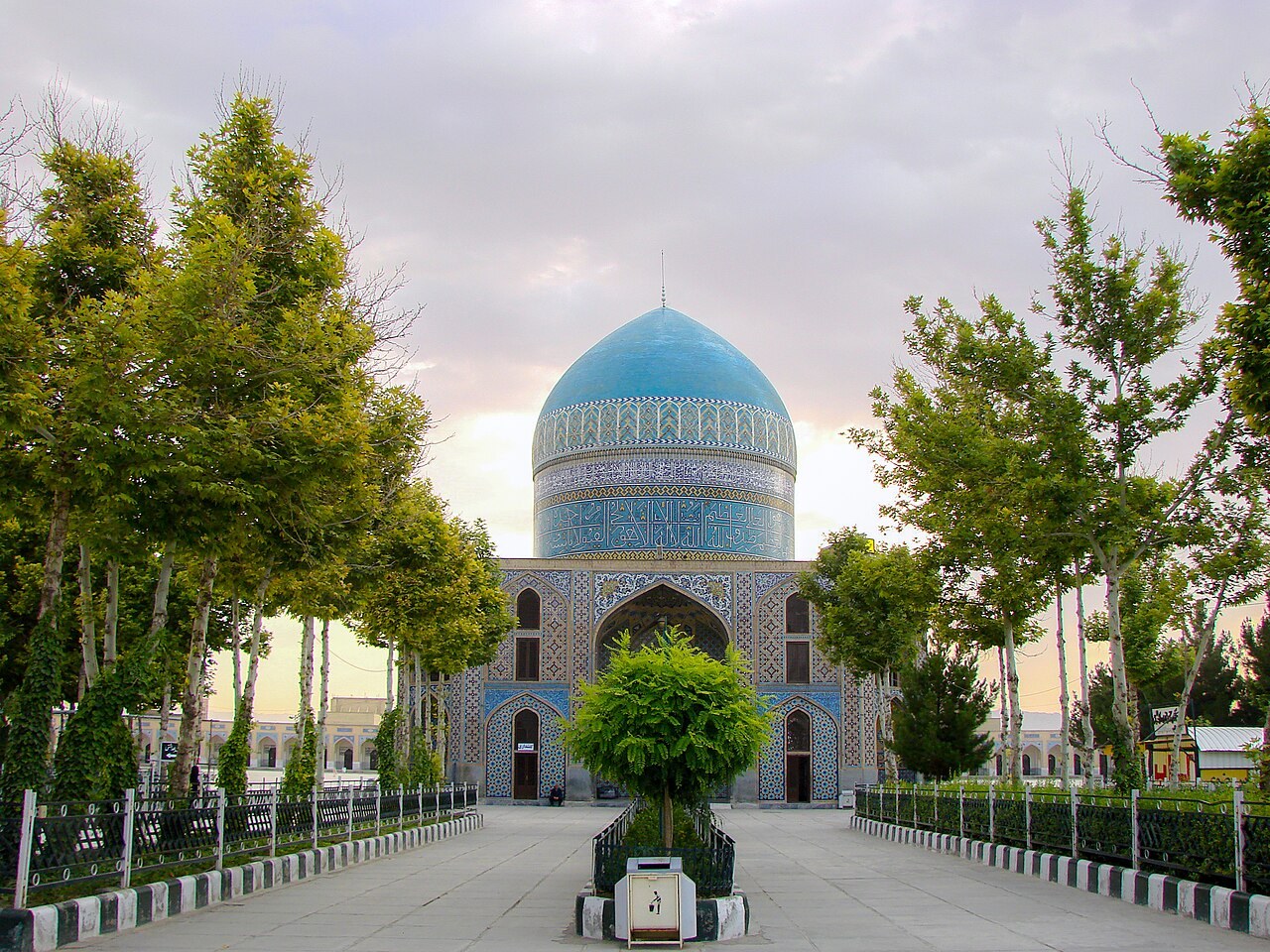
Mashhad
مشهدThe largest city of the north-east and a major pilgrimage destination, where soapstone carving, turquoise setting and Khorasan carpets are traded at scale.
Photo: Mostafameraji · CC BY-SA 4.0 (Wikimedia Commons; resized/re-encoded JPEG) · Wikimedia Commons
Neyshabur
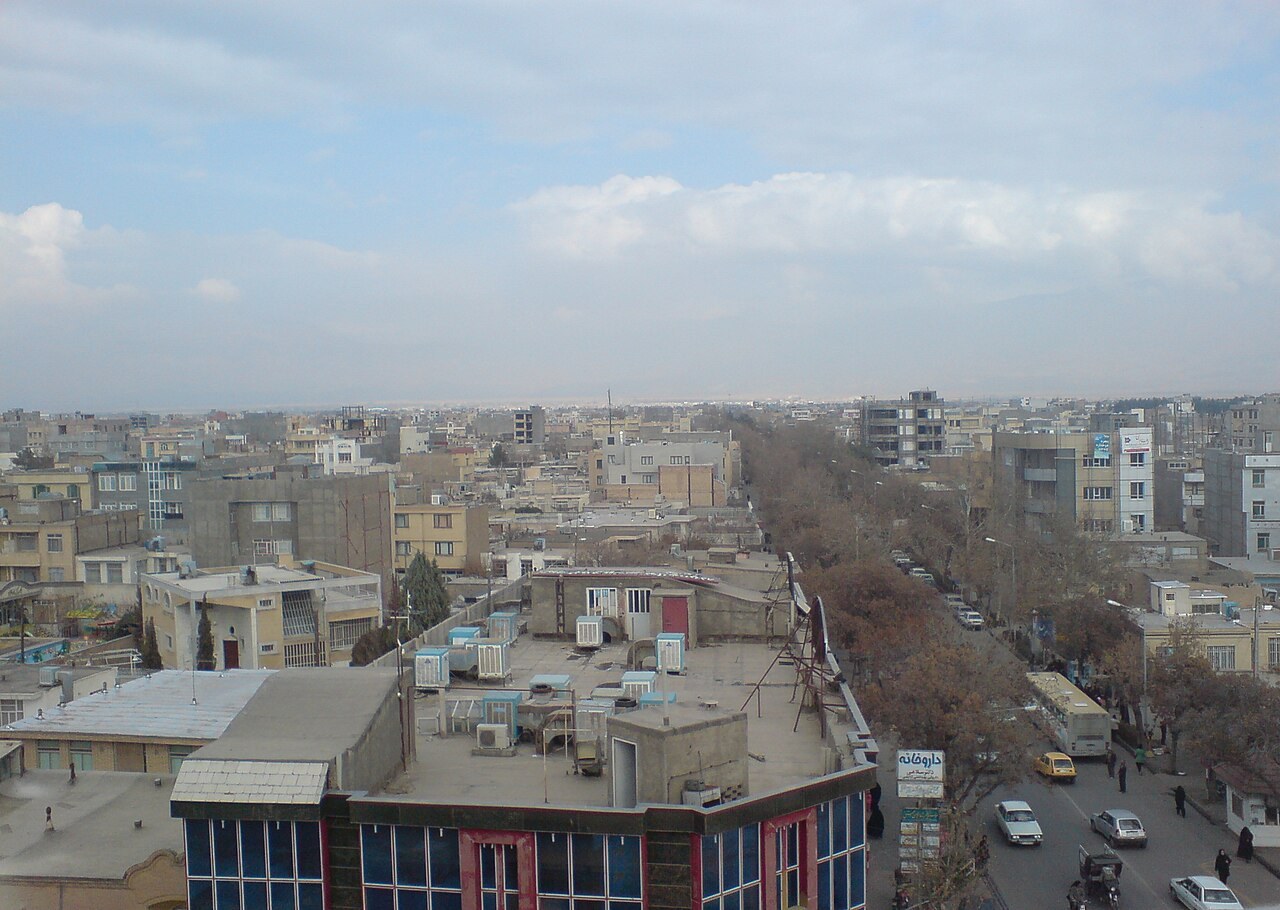
نیشابورA historic Khorasan city, the source of Iranian turquoise and an important reference point for early Islamic pottery.
Photo: user:sonia sevilla · Public domain (Wikimedia Commons; resized/re-encoded JPEG) · Wikimedia Commons
Torbat-e Heydarieh
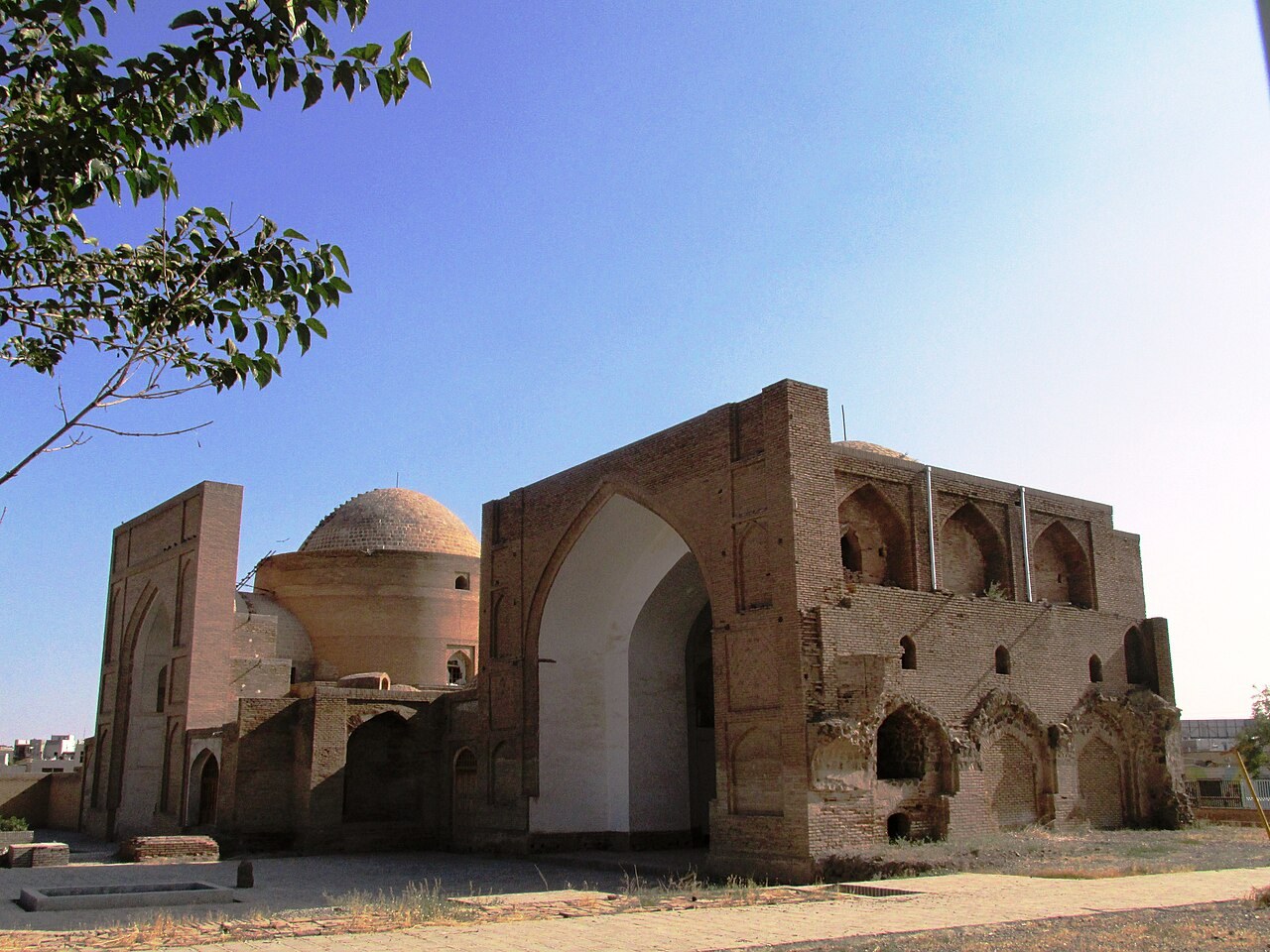
تربت حیدریهA southern Khorasan city whose name appears in the rug trade for regional weaving, with saffron farming in the surrounding district.
Photo: Misagh Club · CC BY-SA 4.0 (Wikimedia Commons; resized/re-encoded JPEG) · Wikimedia Commons
Semnan
1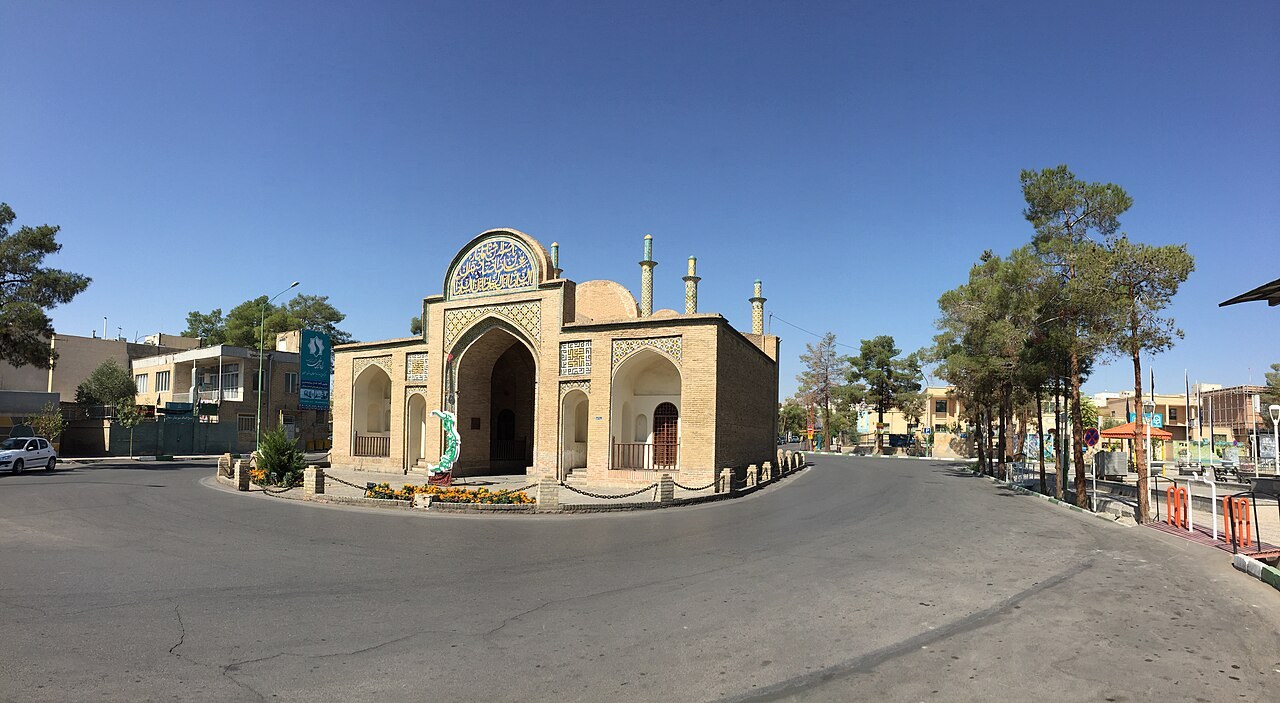
Semnan
سمنانA desert-edge city on the Tehran–Mashhad road, known for cotton and silk weaving traditions and for regional carpets.
Photo: Alirezarostami0098 · CC BY-SA 4.0 (Wikimedia Commons; resized/re-encoded JPEG) · Wikimedia Commons
Sistan and Baluchestan
2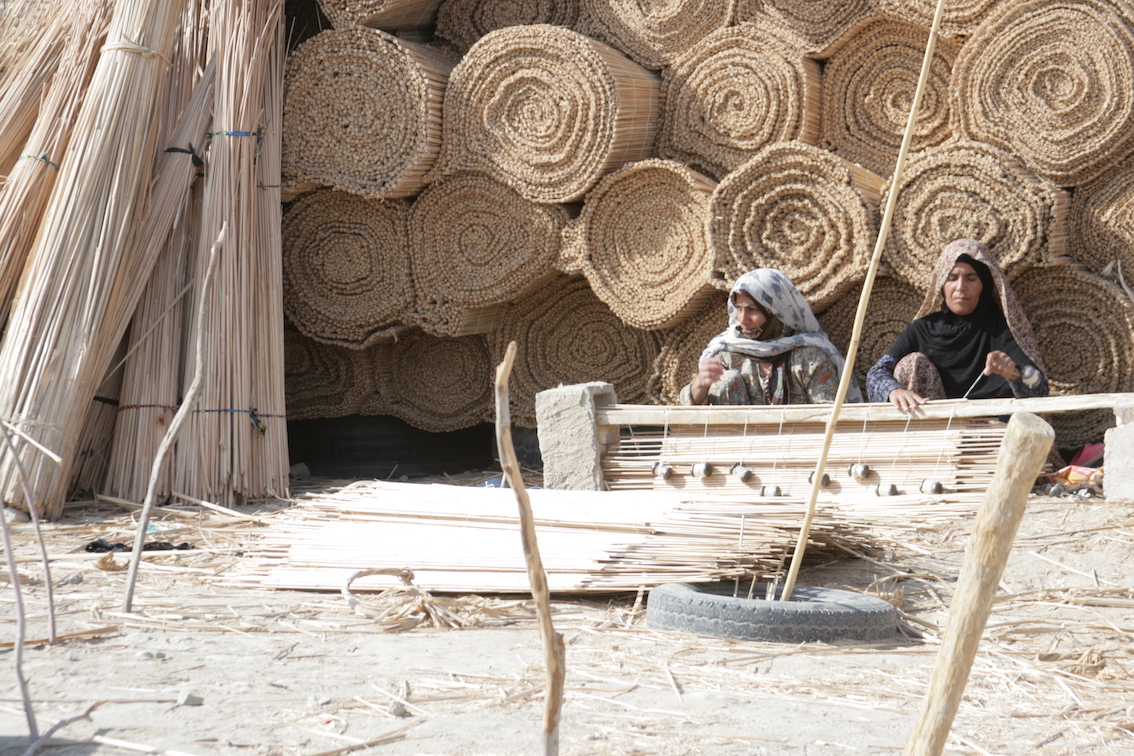
Zabol
زابلA city in the Sistan basin in the far east, associated with reed and mat work from the wetlands and with Sistani weaving.
Photo: MazyarMG · CC BY-SA 4.0 (Wikimedia Commons; resized/re-encoded JPEG) · Wikimedia Commons
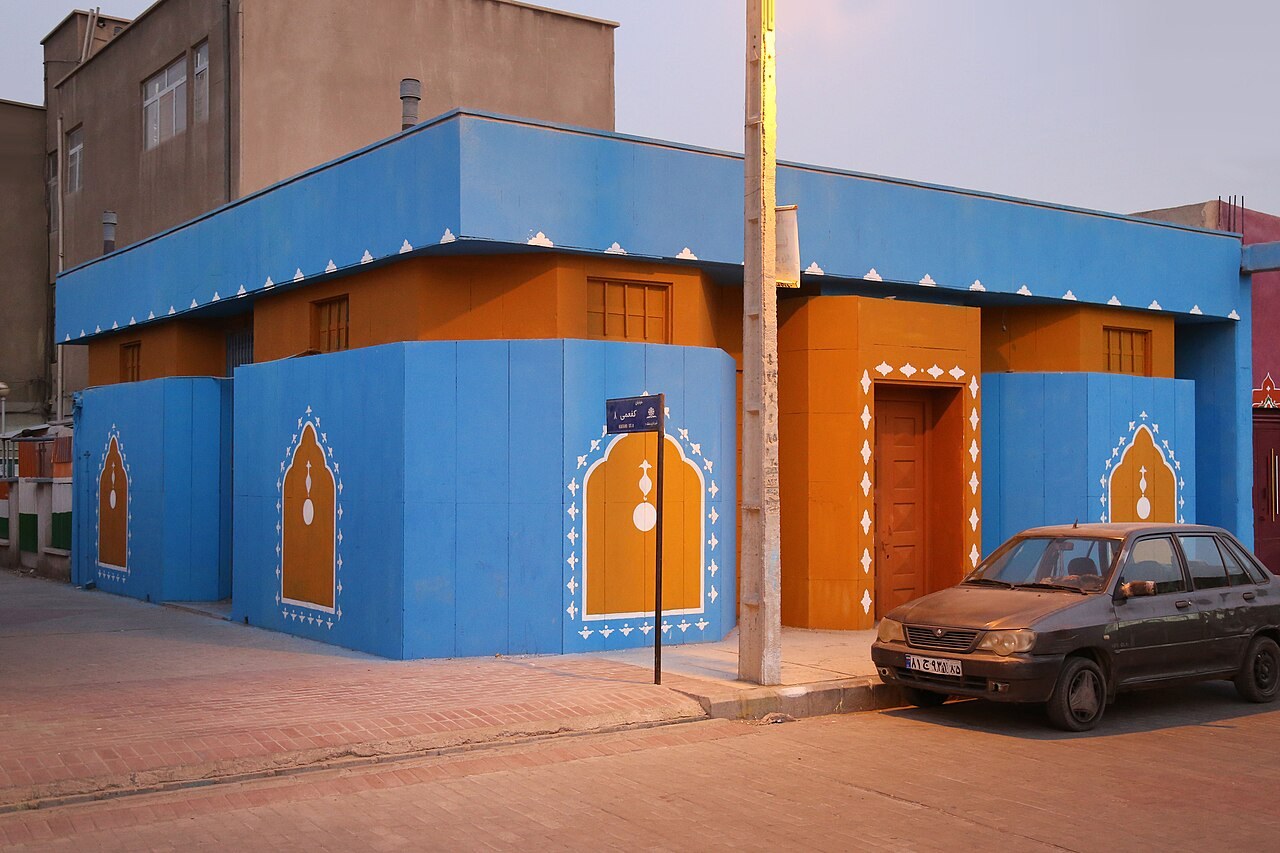
Zahedan
زاهدانThe provincial capital in the south-east, the main market for Baluch needlework, mirror-worked dress and pile weaving.
Photo: Safa.daneshvar · CC BY-SA 4.0 (Wikimedia Commons; resized/re-encoded JPEG) · Wikimedia Commons
South Khorasan
1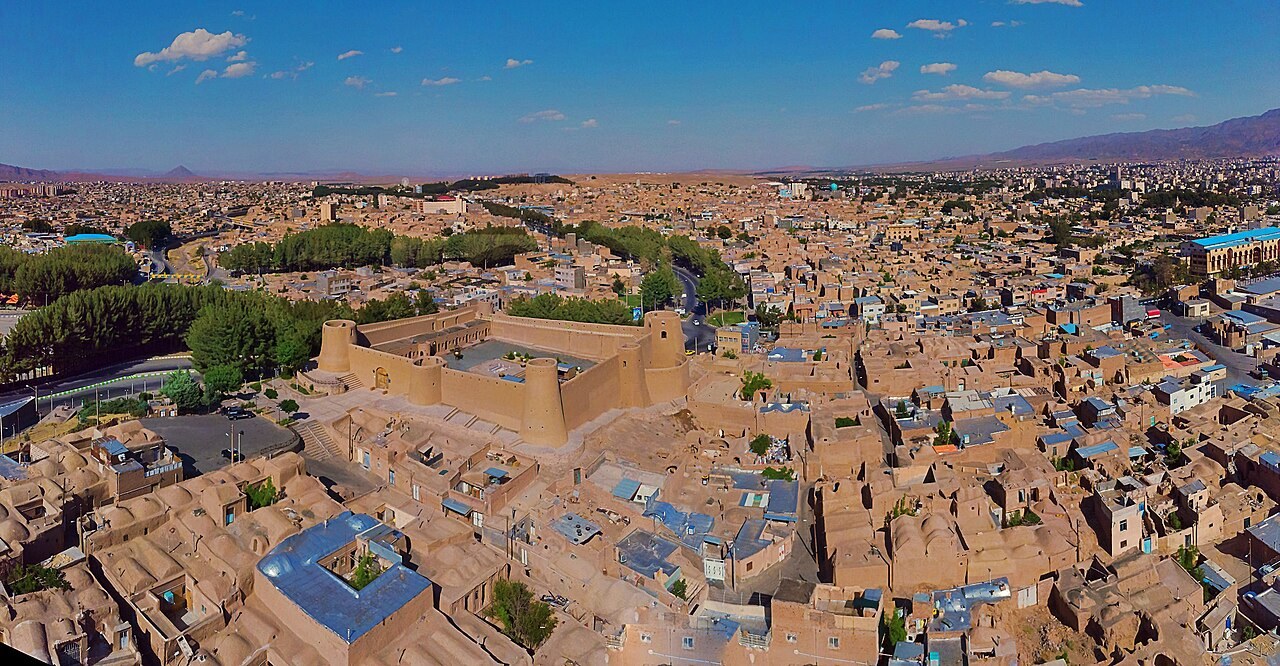
Birjand
بیرجندA desert-edge city in the east, associated with fine regional carpets and with saffron and barberry farming.
Photo: Pendar83 · CC BY-SA 4.0 (Wikimedia Commons; resized/re-encoded JPEG) · Wikimedia Commons
Tehran
1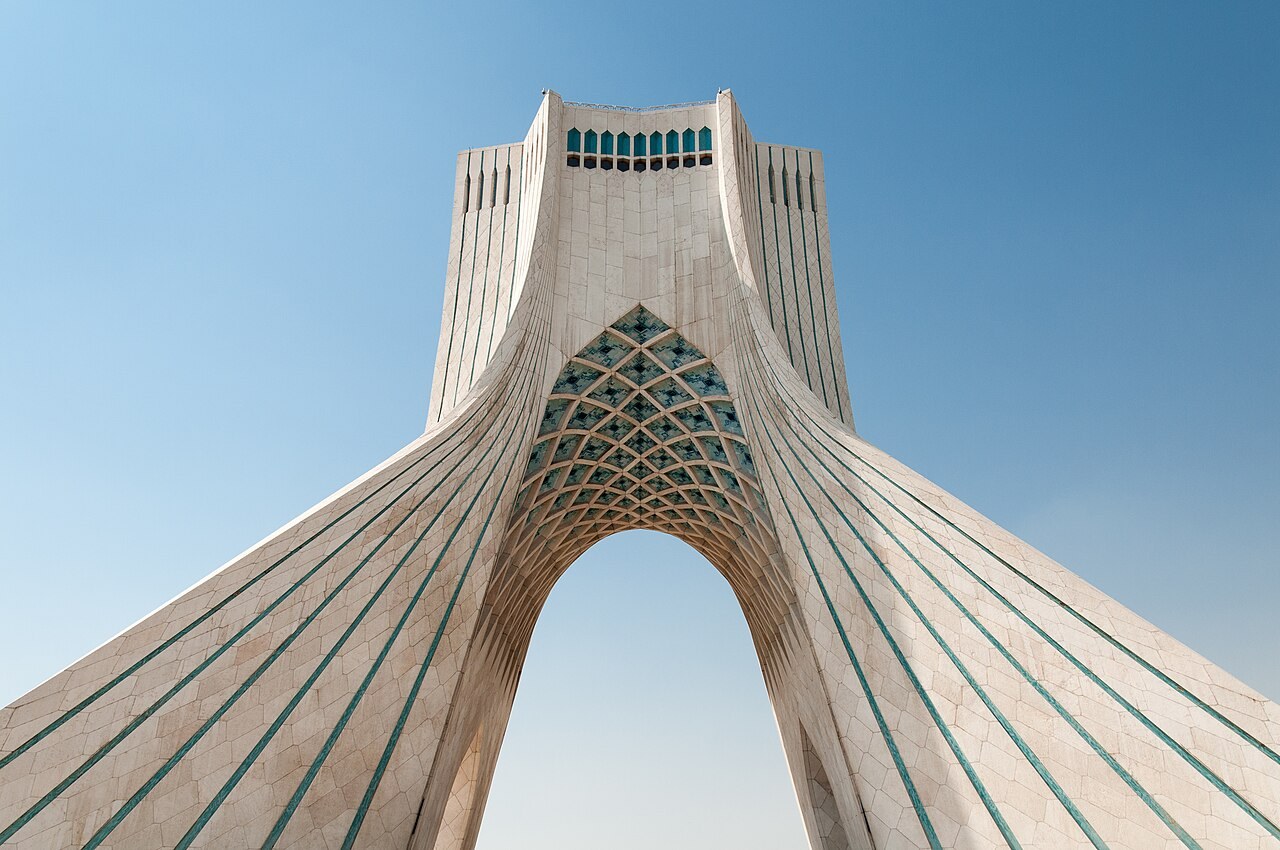
Tehran
تهرانThe capital and the country's largest craft market, where the output of every province is traded and the main national collections are held.
Photo: Laurens R. Krol · CC BY 4.0 (Wikimedia Commons; resized/re-encoded JPEG) · Wikimedia Commons
West Azerbaijan
2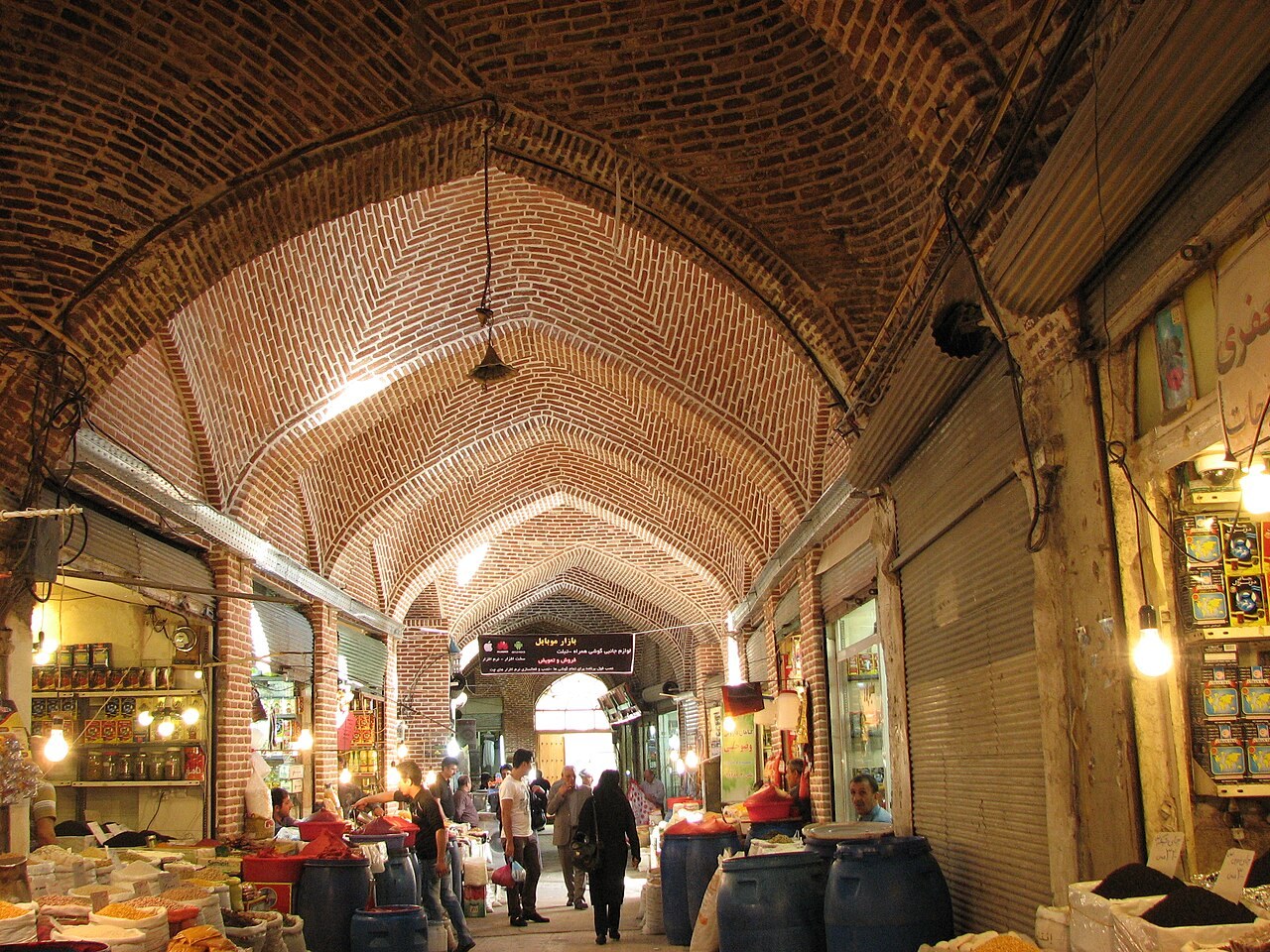
Urmia
ارومیهA north-western lake-side city where Kurdish, Azeri and Assyrian craft traditions overlap in the regional market.
Photo: Toni Afshar · CC BY-SA 4.0 (Wikimedia Commons; resized/re-encoded JPEG) · Wikimedia Commons
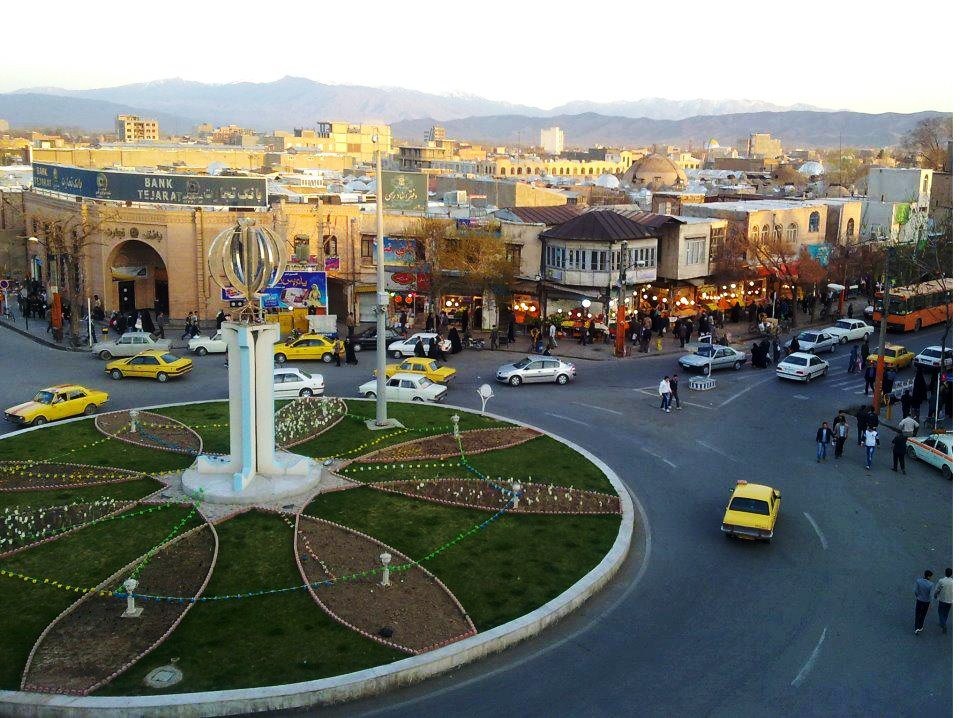
Khoy
خویA north-western city on the old caravan road to Anatolia, with village weaving and felt production in its hinterland.
Photo: Aminadrin · CC BY-SA 3.0 (Wikimedia Commons; resized/re-encoded JPEG) · Wikimedia Commons
Yazd
4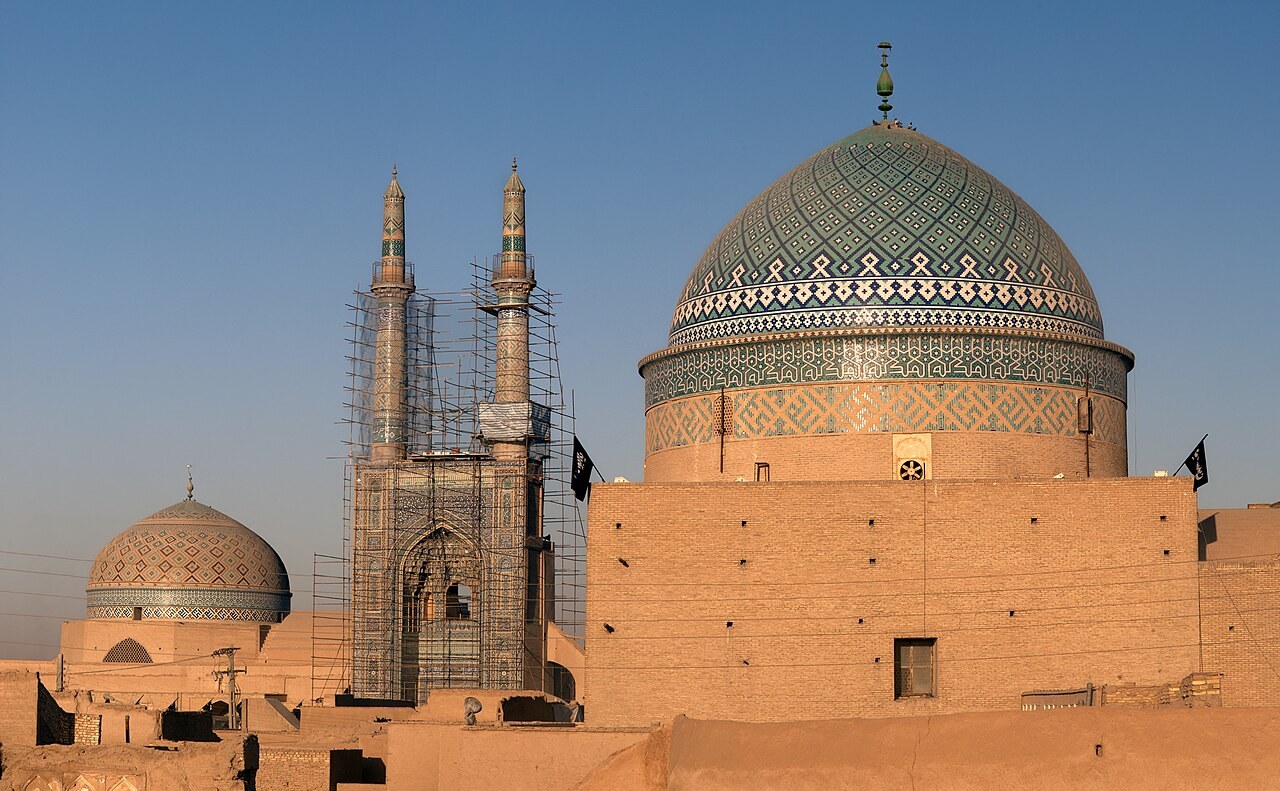
Yazd
یزدA desert city of adobe lanes and wind towers, long associated with silk and cotton weaving, termeh, and the zilu flatweave of its surrounding towns.
Photo: User:Ggia · CC BY-SA 3.0 (Wikimedia Commons; resized/re-encoded JPEG) · Wikimedia Commons
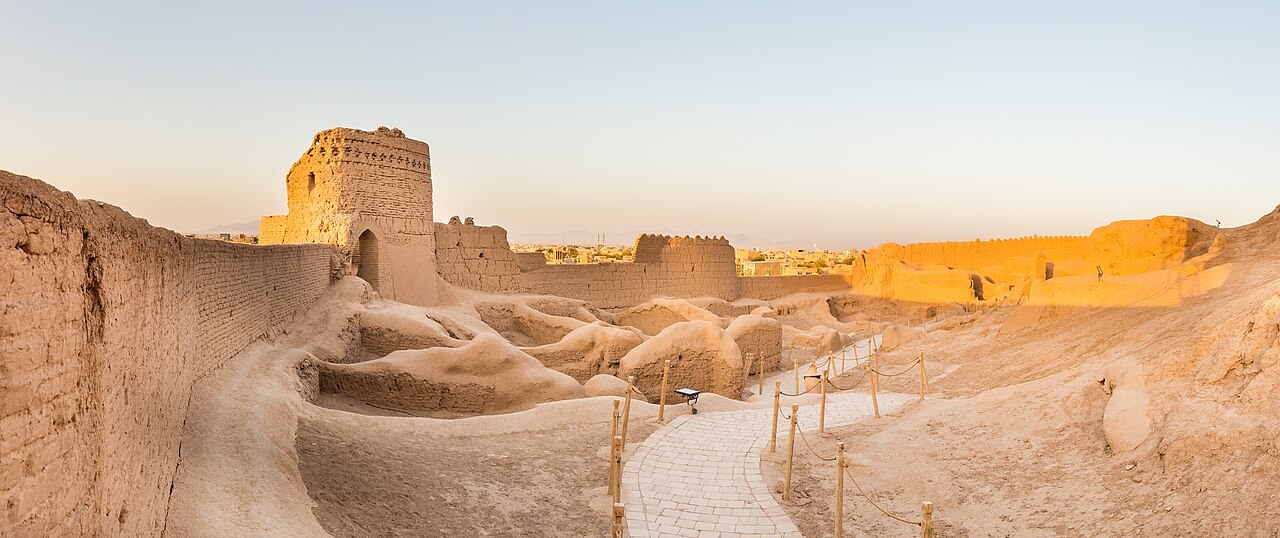
Meybod
میبدA desert town north-west of Yazd associated with zilu flatweaving, pottery and the historic caravan route infrastructure.
Photo: Diego Delso · CC BY-SA 4.0 (Wikimedia Commons; resized/re-encoded JPEG) · Wikimedia Commons
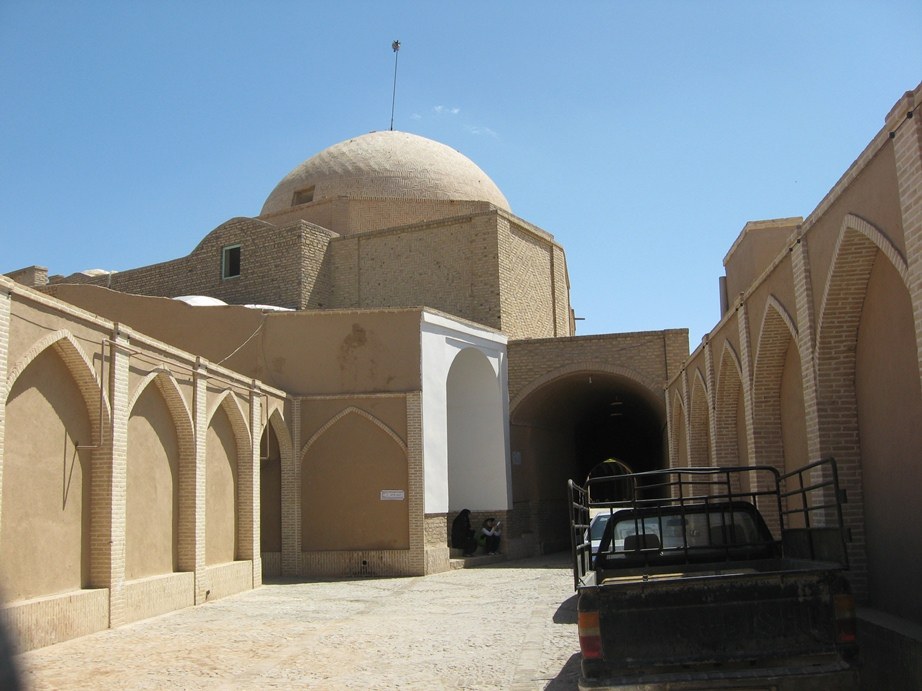
Ardakan
اردکانA desert town north-west of Yazd with adobe architecture, weaving and pistachio farming.
Photo: Behzad.Elahi · CC BY-SA 3.0 (Wikimedia Commons; resized/re-encoded JPEG) · Wikimedia Commons
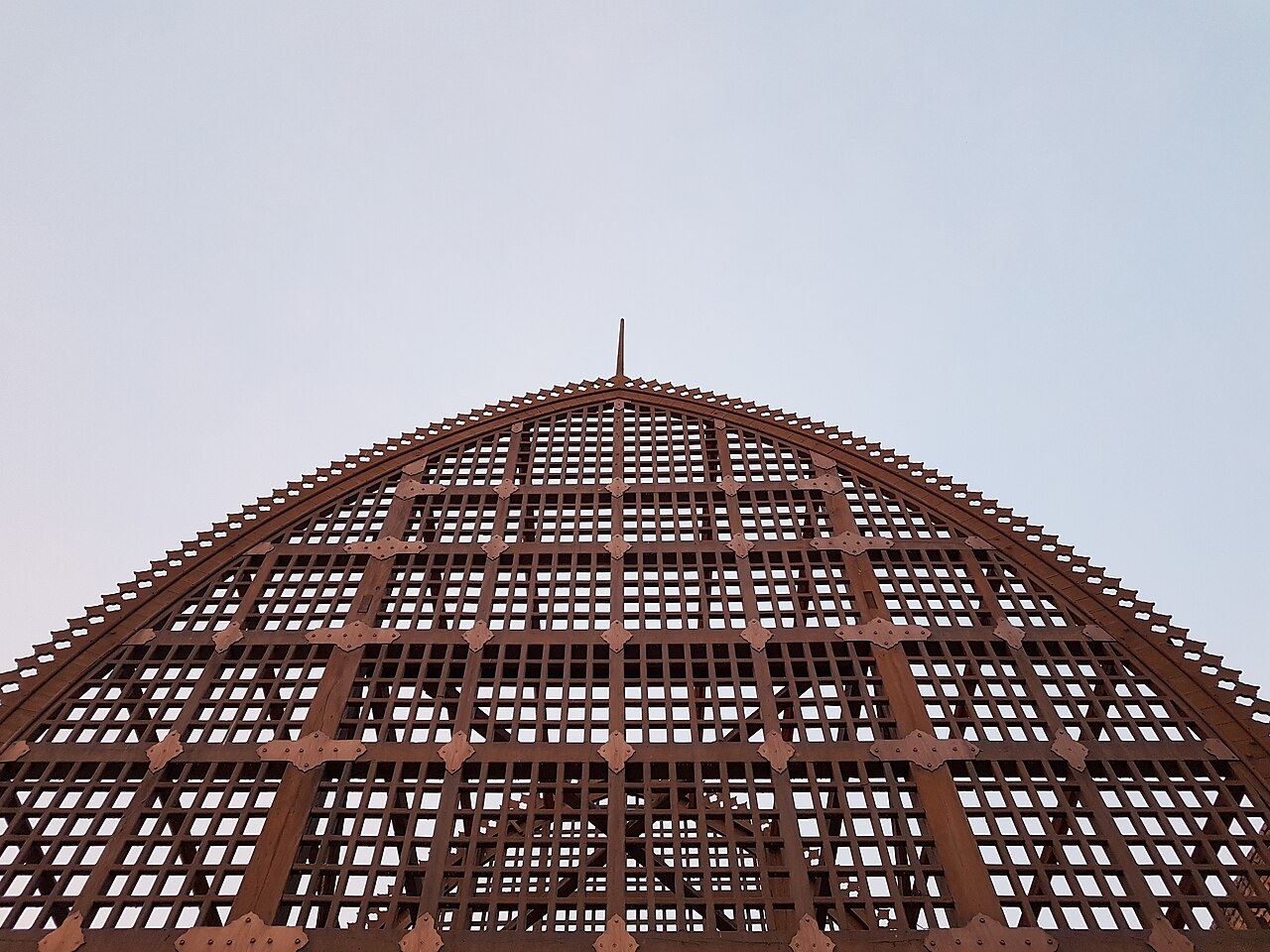
Taft
تفتA mountain-edge town south-west of Yazd, with orchards, Zoroastrian heritage sites and small-scale weaving.
Photo: Hnfh000 · CC BY-SA 4.0 (Wikimedia Commons; resized/re-encoded JPEG) · Wikimedia Commons
Zanjan
1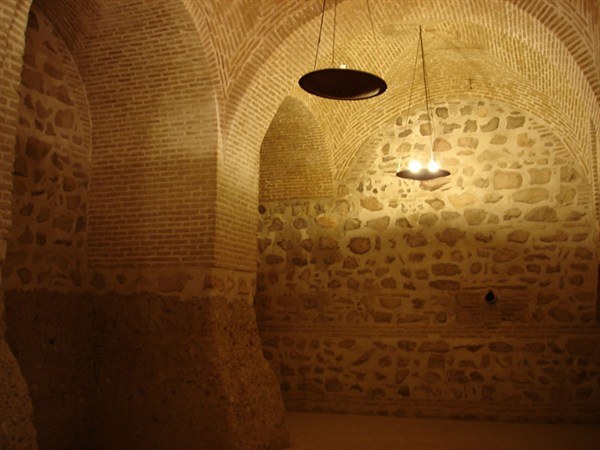
Zanjan
زنجانA north-western city long identified with knife making, malileh silver filigree and charoq footwear.
Photo: Kasra Mn · CC BY-SA 4.0 (Wikimedia Commons; resized/re-encoded JPEG) · Wikimedia Commons