
Buying guide · 10 min
Persian rug prices: what drives value (indicative only)
Editorial team · updated 2026-09-29

second half 16th century · accession 14.40.721 · The Metropolitan Museum of Art · CC0 (Met Open Access) · Photo source ↗
- Type
- Buying guide
- Reading
- 10 min
- Chapters
- 9
- Photos
- 6
Persian rug prices vary enormously; size, knot density, fibre, age, condition and origin matter more than any list price.
The short answer
There is no single price for a Persian rug. Two rugs of the same size can differ many times in price. What matters most is knot density, materials, origin, age, condition and design quality. This page explains the factors; it is not a valuation.
Main price factors
- Size
- Knot density and weaving time
- Pile fibre: wool, wool-and-silk or silk
- Natural or synthetic dyes
- Origin: city, village or tribal type
- Age and condition
- Signature or known workshop
- Where and from whom you buy
Why cheap 'Persian' rugs are cheap
A low price does not establish construction or origin. Ask for the actual item’s reverse and edge views, a qualified construction description and manufacturing documentation; regularity or a repaired fringe alone is not conclusive.
Getting a fair price
Compare several sellers, ask for origin and materials in writing, and for important purchases ask an independent appraiser before you buy.
Rough factors
- Size
- Knot density and design complexity
- Materials (wool, silk, wool-and-silk)
- Origin and workshop
- Condition and age
- Price evidence
- Asking price, estimate and completed sale are different
- Compare
- Documented object, dated market and full costs
- No shortcut
- No regional multiplier or KPSI-to-price formula
Identify the number you are comparing
A shop price is an asking price; an auction estimate is a pre-sale opinion; a hammer price is the accepted bid before specified charges. Retail replacement cost and resale proceeds answer different questions. Label each figure before comparing it.
Retain currency, date, market and whether the item actually sold. An unsold lot has no sale result, and a withdrawn listing does not prove a transaction. Exchange rates and charges must be recorded rather than silently omitted.
Compare actual objects, not regional rankings
Use dimensions, construction, attributed origin, documented materials, condition and known treatment to select plausible comparisons. A town name or signature alone cannot define a price tier. Signed, silk or natural-dye claims require evidence rather than assumed premiums.
Condition may outweigh size or density, but no fixed percentage deduction describes every repair. Record the extent and quality of intervention and let a qualified valuation explain its significance in the relevant market.
- Record attribution as qualified
- Check body size and shape
- Map wear, losses and repairs
- Distinguish declared fibres from tested fibres
Build the total from actual quoted charges
For a purchase, record item price, applicable buyer charges, packing, insured delivery and taxes or duties that apply to your transaction. Check current legal restrictions before arranging Iranian-origin imports. Do not treat this list as a jurisdiction-specific tax calculation.
A bargain can become unsuitable once delivery, return freight or necessary conservation is considered. Ask who bears those charges and whether refunds include them. Keep written quotations rather than applying an invented standard percentage.
Use a comparison to frame questions
Price evidence helps identify missing information, not authenticate a rug. A low asking price can reflect condition, market choice or uncertainty; it does not automatically prove imitation. A high price does not certify handwork or Iranian manufacture.
Set a spending limit and seek an independent opinion for consequential purchases. The photographs here are contextual rug illustrations, not priced inventory, auction comparables or evidence of investment performance.
Related photographs and screened examples
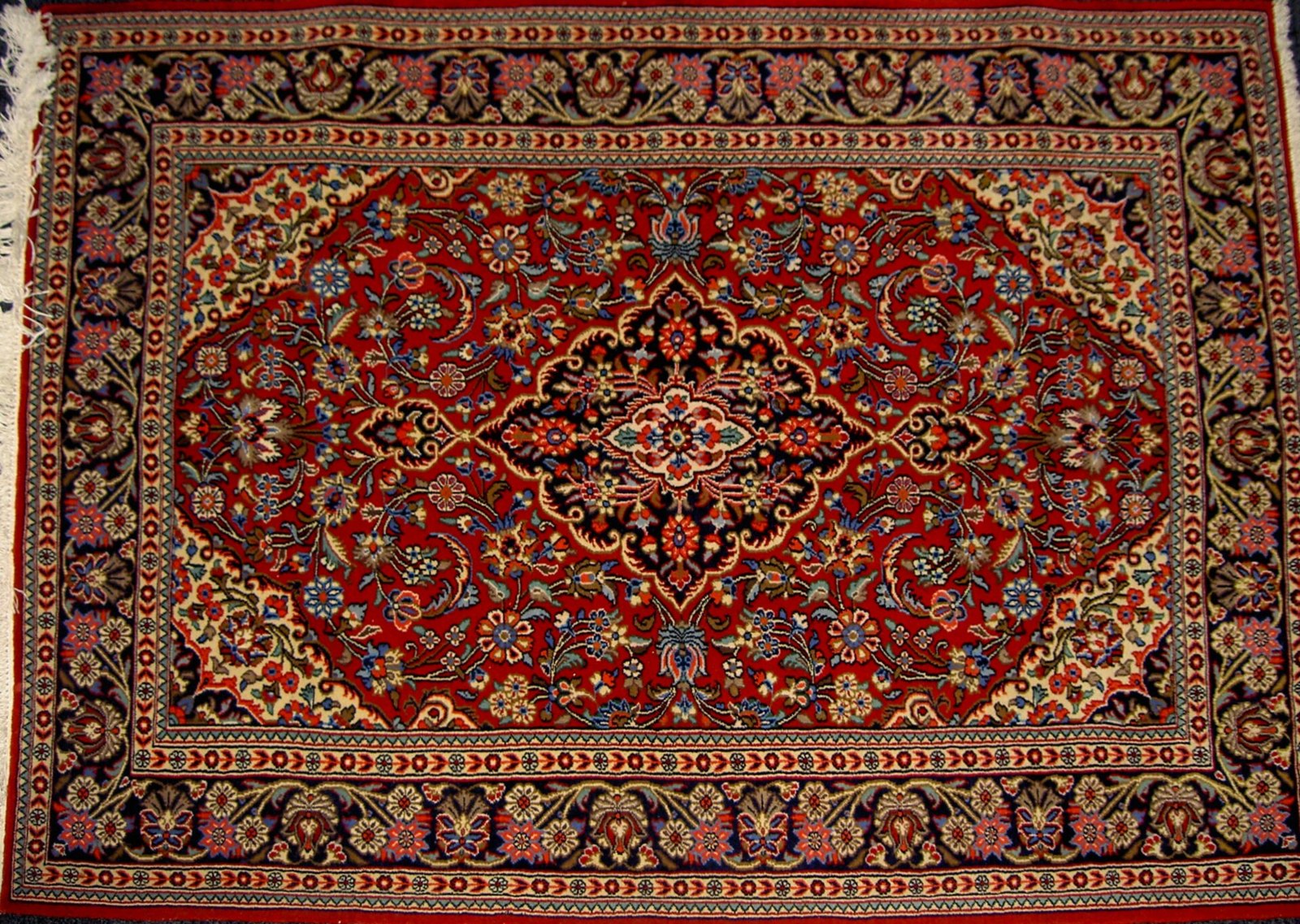
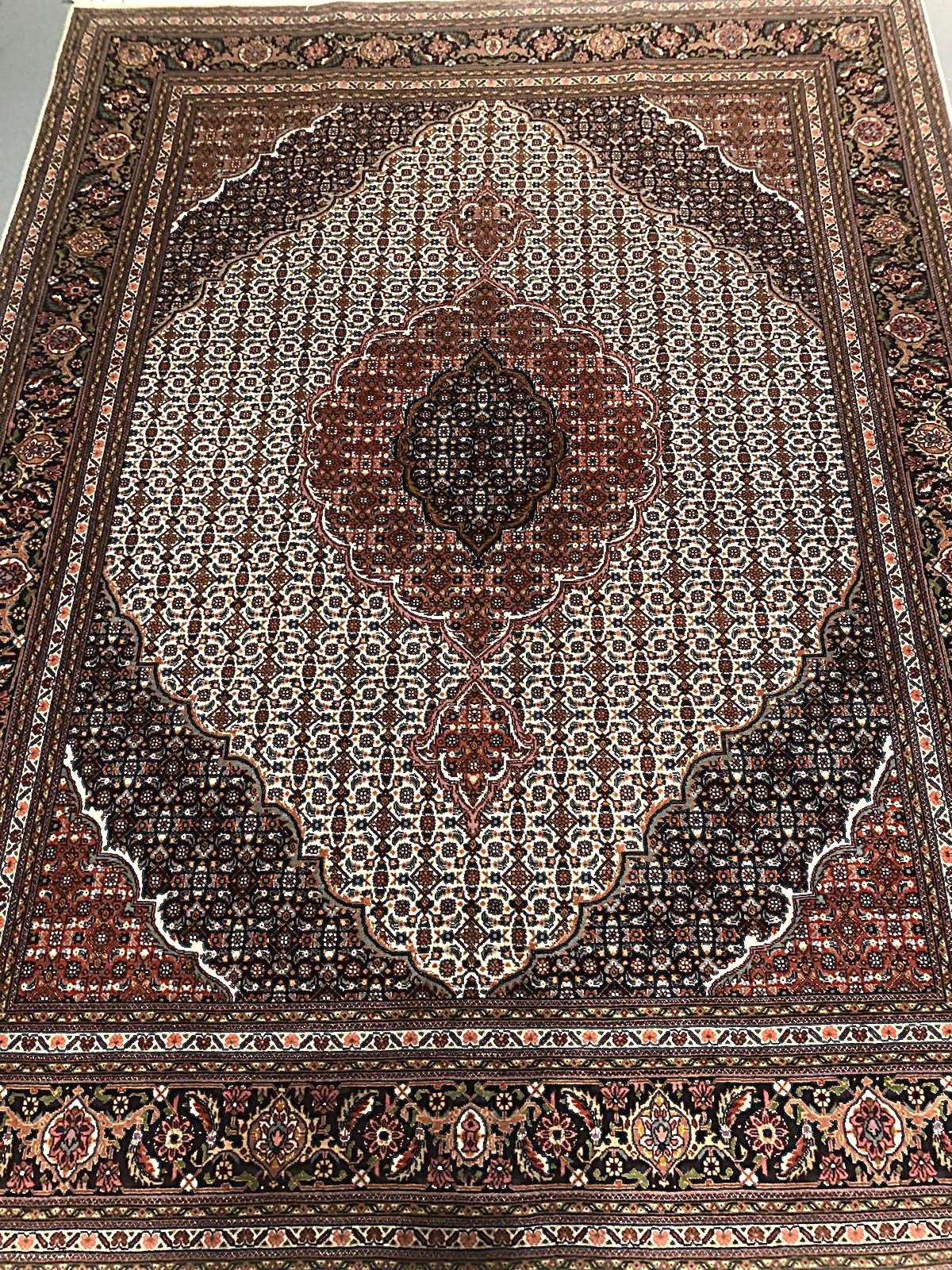
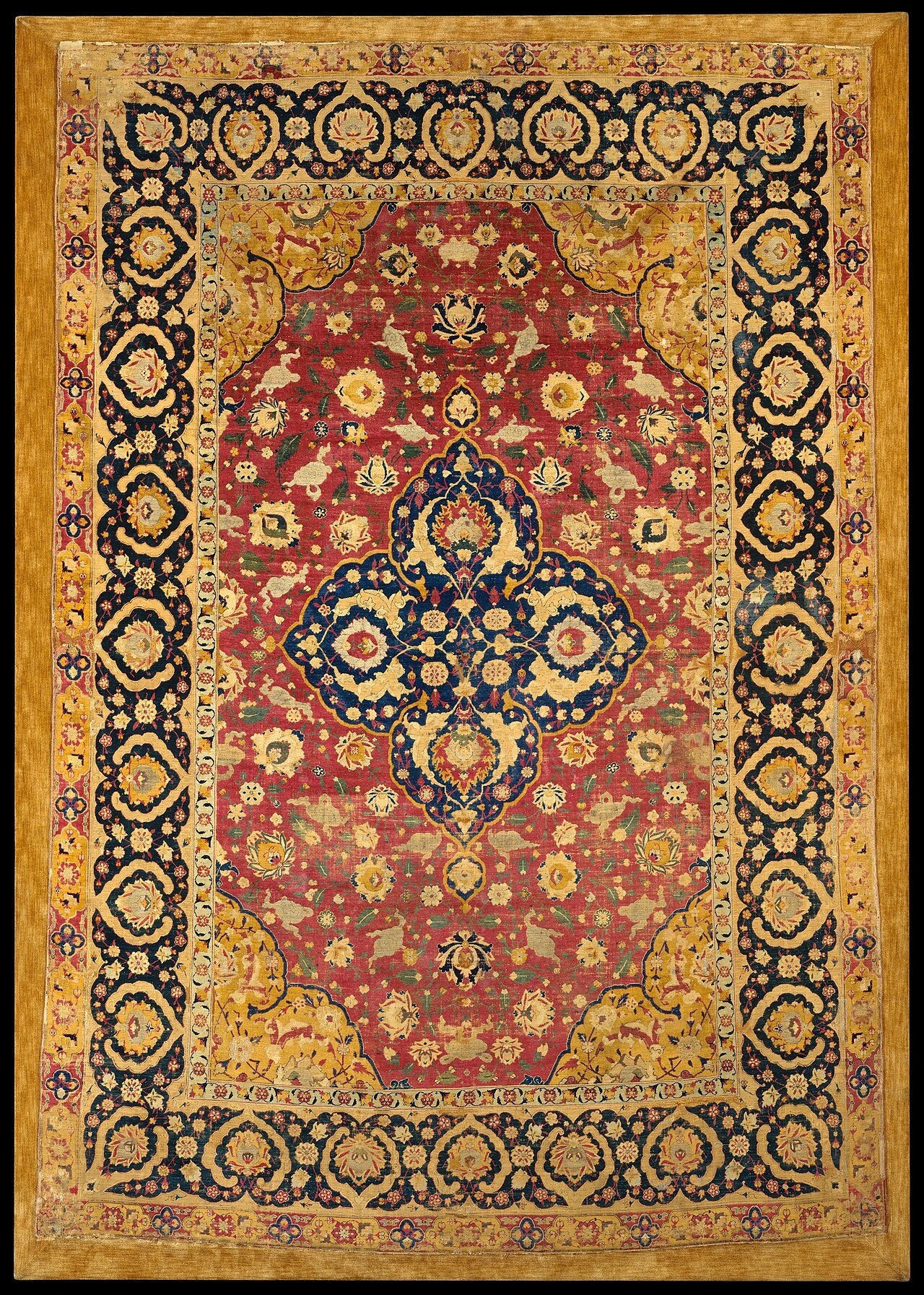
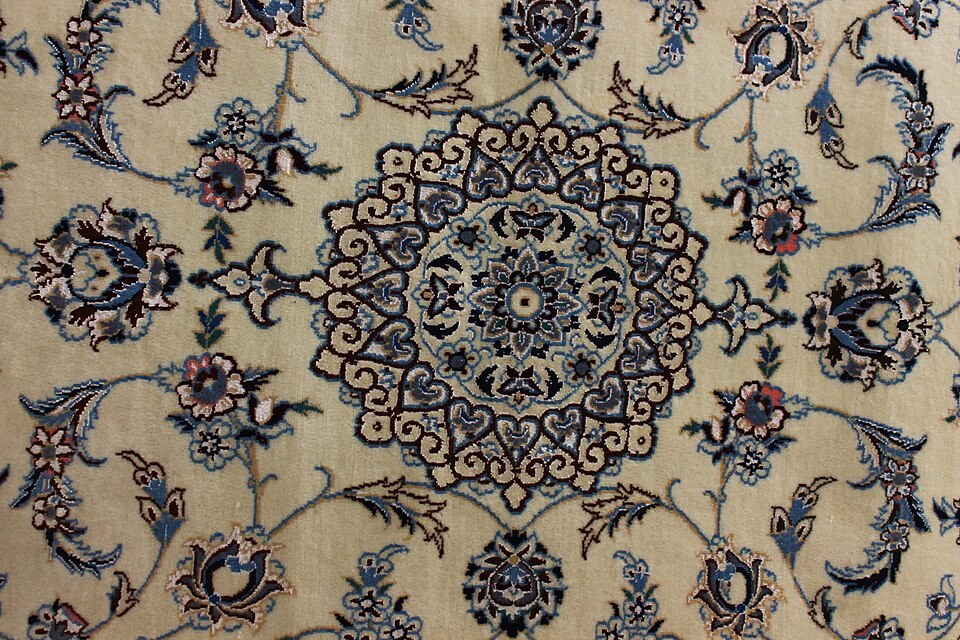
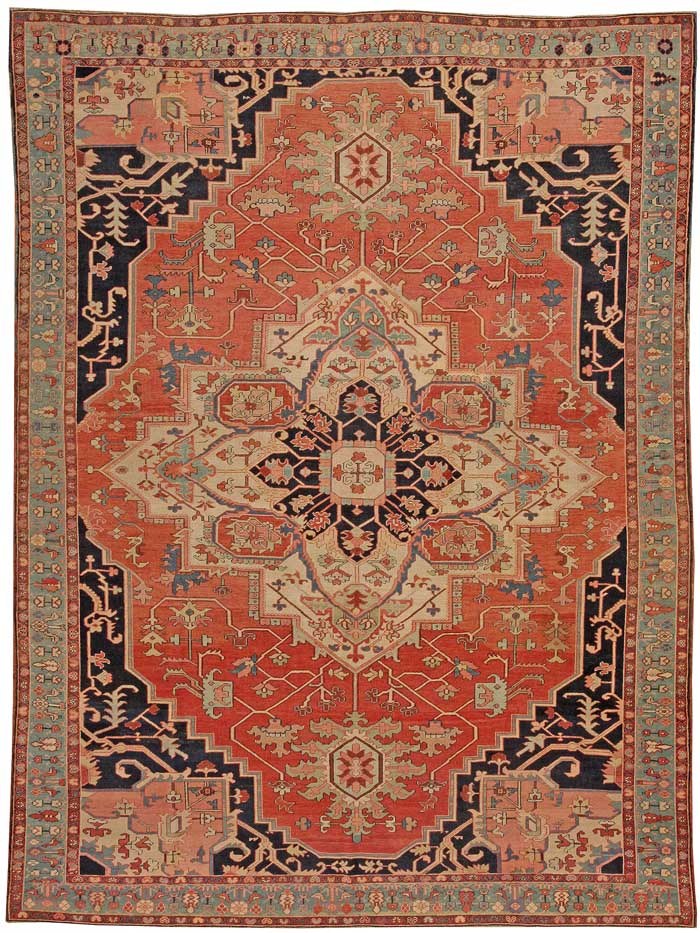
Representative photographs only. Marketplace examples rely on seller descriptions; CraftPersia has not independently authenticated their maker, origin, or rights status. Follow each source link for the listing context.
| Record or observation | What to do | What it cannot establish |
|---|---|---|
| Offer or result | Record type, date, currency and sold status | A completed sale from an asking price |
| Object description | Match dimensions, attribution and condition | Value from a regional name |
| Charges | Use actual written fees and delivery quotes | A universal landed-cost multiplier |
| Purchase decision | Check documentation and return terms | Authenticity from price |
References and further reading
- [1] Encyclopaedia Iranica — Carpets: overview and bibliography ↗Historical and technical context; not a valuation or authentication of the photographed objects.
- [2] The George Washington University Museum and The Textile Museum ↗Collection and textile-study resources; a photograph cannot substitute for structural examination.
- [3] HALI — Rug and textile market reporting ↗Dated reports are context; compare the specific object and transaction terms.
These sources provide context, not authentication or provenance for an individual object. Editorial interpretations remain under review.