
Beginner guide · 10 min
Iranian tea culture and handmade tea ware
Editorial team · updated 2026-10-03
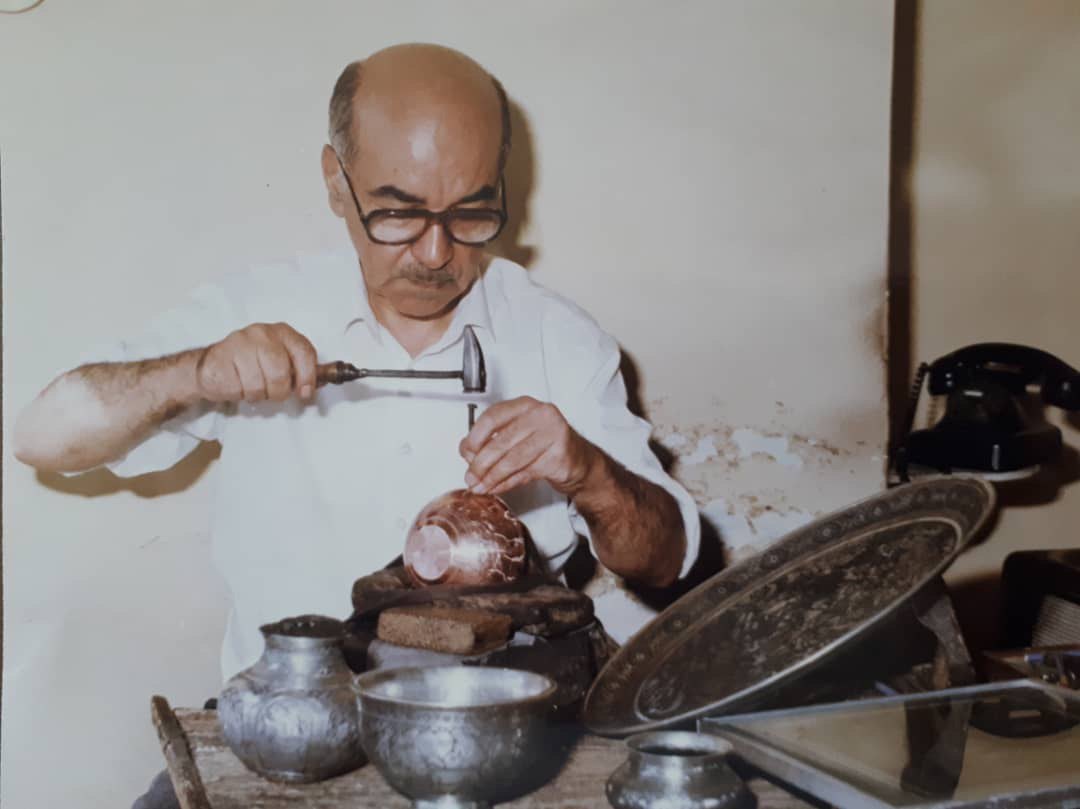
2015-01-01 · Mbmasoudi · CC BY-SA 4.0 · Photo source ↗
- Type
- Beginner guide
- Reading
- 10 min
- Chapters
- 8
- Photos
- 4
Iranian tea is served in small glasses with sugar cubes or nabat; handmade holders in filigree, engraved brass or enamel are classic gifts.
The ritual
Strong black tea in clear glasses, served from a samovar or teapot, often with nabat (saffron rock sugar).
Handmade tea ware
- Silver filigree glass holders (Zanjan)
- Engraved brass trays and samovars (Isfahan)
- Minakari saucers and sugar bowls
Materials
Glass holders (zarf or estekan holders) are made in silver, copper, brass and minakari enamel. Hand-engraved holders show tool marks; pressed holders have shallow, identical patterns.
- Silver: check hallmarks or purity marks
- Minakari: enamel should be glossy and fired, not painted
- Copper: may need tinning or polishing
Using and caring
Wash by hand and dry promptly. Avoid dishwashers, which dull enamel and metal finishes.
A note on this guide
This guide is general information from the CraftPersia editorial team and has not been reviewed by a specialist. Prices, workshop locations and practices change; check current details before travelling or buying.
Crafts covered in this guide
Filigree (Malileh) (ملیلهکاری) — A metalworking technique in which fine drawn wires of silver or gold, often twisted or beaded, are soldered into openwork lattices and coiled floral forms to build jewellery, vessels and decorative panels.
Qalam-zani (قلمزنی) — The Iranian tradition of decorating copper, brass and silver vessels with small chisels struck by hammer, working the metal into line, ground and relief.
Minakari enamel (میناکاری) — A decorative technique in which powdered coloured glass is fused by heat onto the surface of gold, silver or copper objects, producing a smooth, glossy coloured surface, historically practised in Isfahan on vessels, jewellery and decorative panels.
Materials, techniques and centres
Filigree (Malileh), Qalam-zani and Minakari enamel are recorded in the archive with silver, copper, brass and vitreous enamel as principal materials, and wire filigree, chisel engraving (qalam-zani) and enamelling on metal as techniques. Associated centres include Isfahan, Sistan & Baluchestan and Tabriz; a place name on its own does not establish where an individual object was made.
Collecting and next steps
When applying this guide to a specific object, work from what can be observed: structure, materials, tool marks, repairs and documentation. Ask the seller or maker for written statements about who made the piece, where, from what materials, and what has been repaired or replaced.
The steps here are educational; identification, conservation and valuation of an individual object require appropriate independent expertise.
Related photographs and screened examples
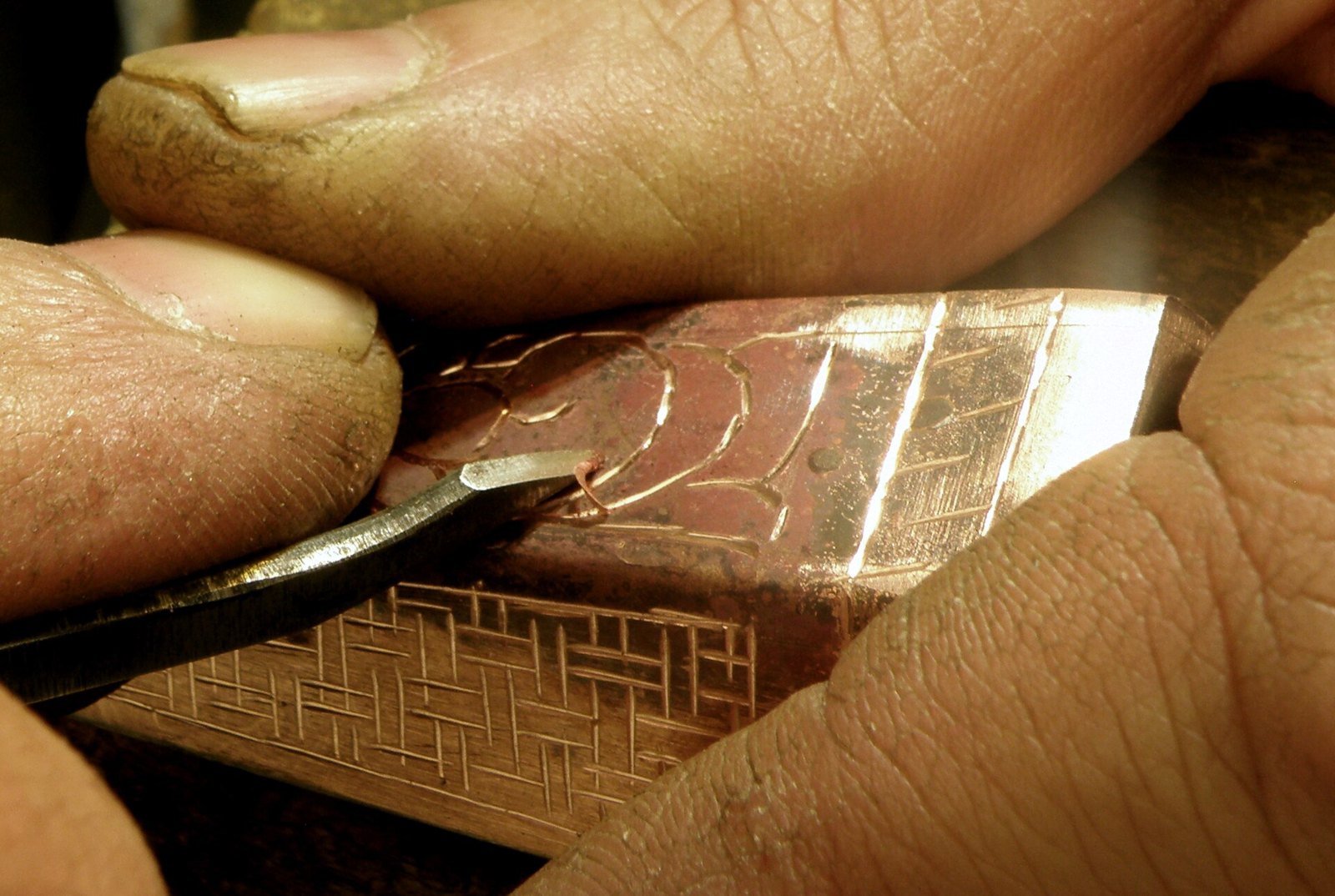
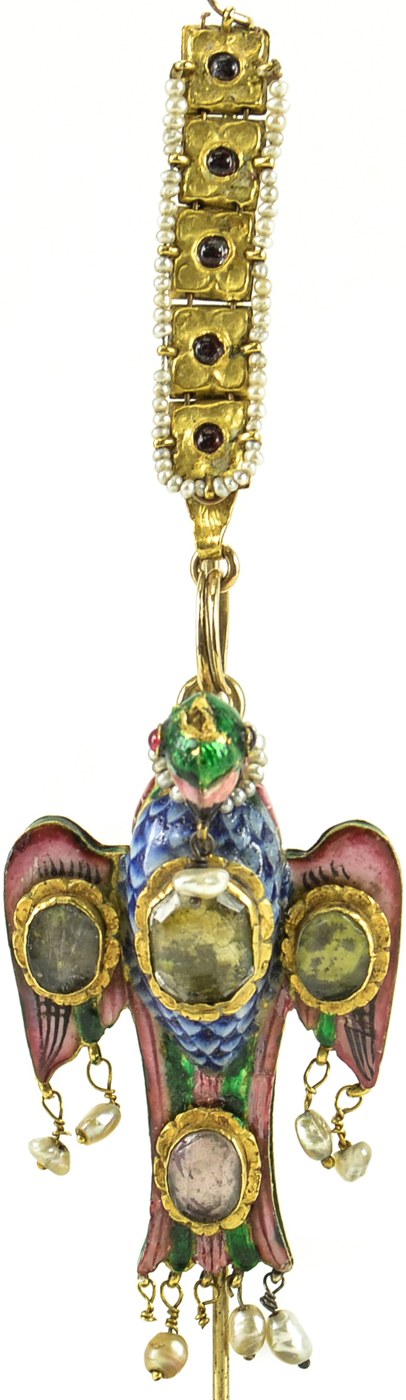
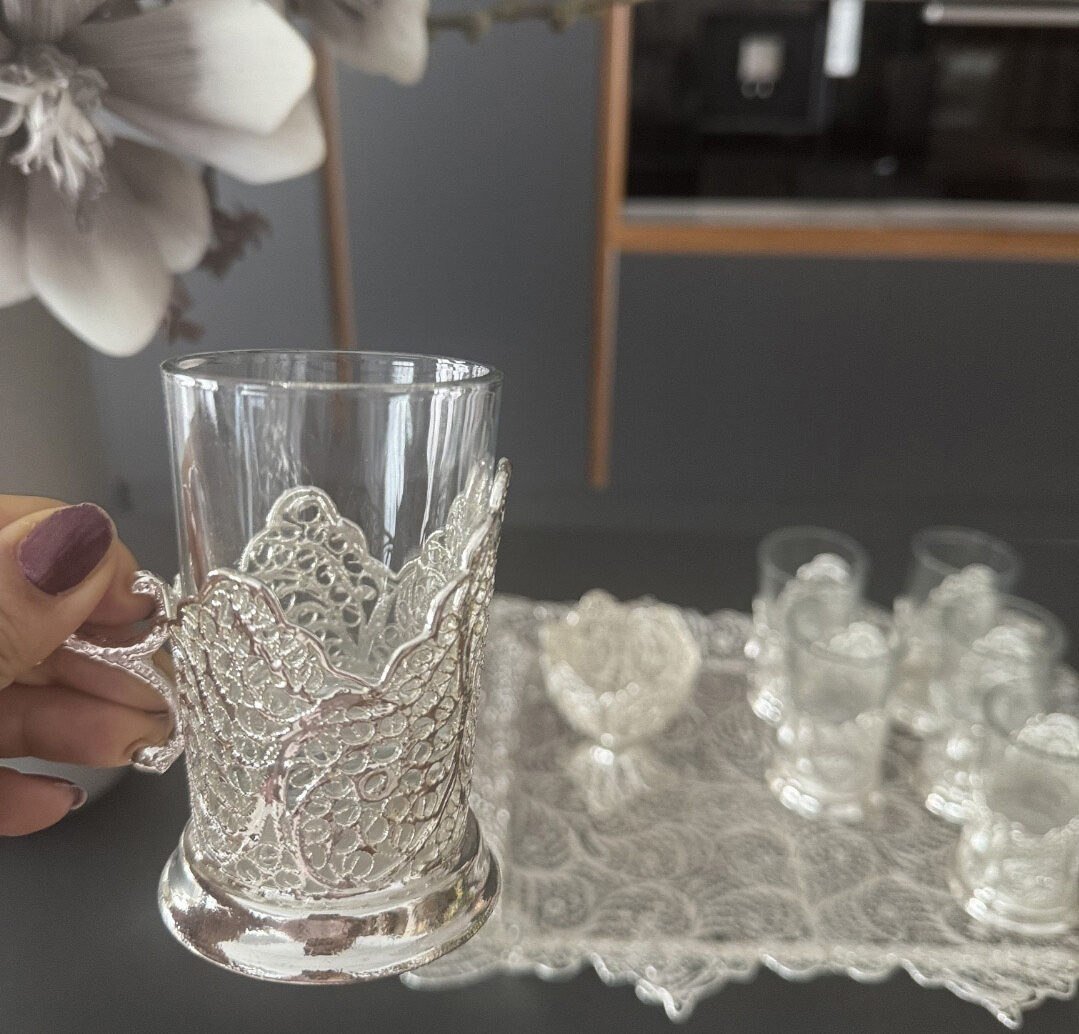
Representative photographs only. Marketplace examples rely on seller descriptions; CraftPersia has not independently authenticated their maker, origin, or rights status. Follow each source link for the listing context.
| Craft | Associated centres | Key materials |
|---|---|---|
| Filigree (Malileh) | Isfahan, Sistan & Baluchestan | Silver, Copper |
| Qalam-zani | Isfahan, Tabriz | Brass, Copper, Silver |
| Minakari enamel | Isfahan | Copper, Silver, Vitreous enamel |
References and further reading
- [1] H. E. Wulff, The Traditional Crafts of Persia, MIT Press, 1966.General historical craft reference, not evidence for a particular object.
These sources provide context, not authentication or provenance for an individual object. Editorial interpretations remain under review.