
Process, step by step
- Prepare and register cloth
- Print outlines and fill colours
- Fix and wash according to colour system
Variations
Mordant and pigment processes are not identical; assess each workshop method.
Conservation
Test dyes before cleaning.
Registration and the printed repeat
A block carries one part of a repeat, often an outline or a single colour. The printer aligns successive impressions against the cloth and neighbouring units. Small differences in registration can describe a working sequence, but deliberate irregularity can also be reproduced mechanically. Judge the process with maker documentation, not a single off-register flower.
Dye, mordant and pigment are not synonyms
A dye colours fibre, a mordant participates in certain dye systems, and a pigment may sit on the surface with a binder. Qalamkar workshops need not all use the same recipe. Ask which substances were used and how colour was fixed and washed; that answer governs care more than the generic label “natural”.
Compare both faces and several repeats
Examine selvedges, reverse, repeat boundaries and colour transfer without wetting the textile. Screen, roller and digital printing can imitate a block-printed pattern. A recorded workshop demonstration is useful context, but it should be tied to the actual purchased piece before making a production claim.
Safe care and display
Separate the maker’s instructions for a new household cloth from conservation advice for a historical textile. Avoid rubbing fragile pigments, vigorous washing or folding across weak areas. Significant stains, unstable colour or mould warrant professional advice. Record any treatment because it changes the object’s future condition history.
References and further reading
- [1] H. E. Wulff, The Traditional Crafts of Persia, MIT Press, 1966.Historical process reference; not authentication of an individual object.
- [2] Canadian Conservation Institute, preventive conservation and CCI Notes. ↗Consult material-specific guidance; treatment requires assessment.
These sources provide context, not authentication or provenance for an individual object. Editorial interpretations remain under review.
Documented material and craft examples
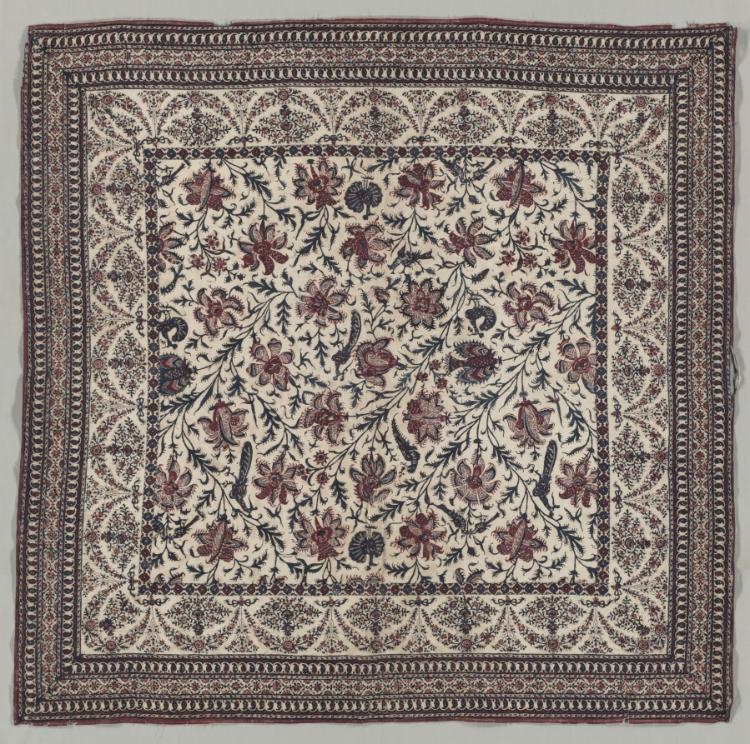
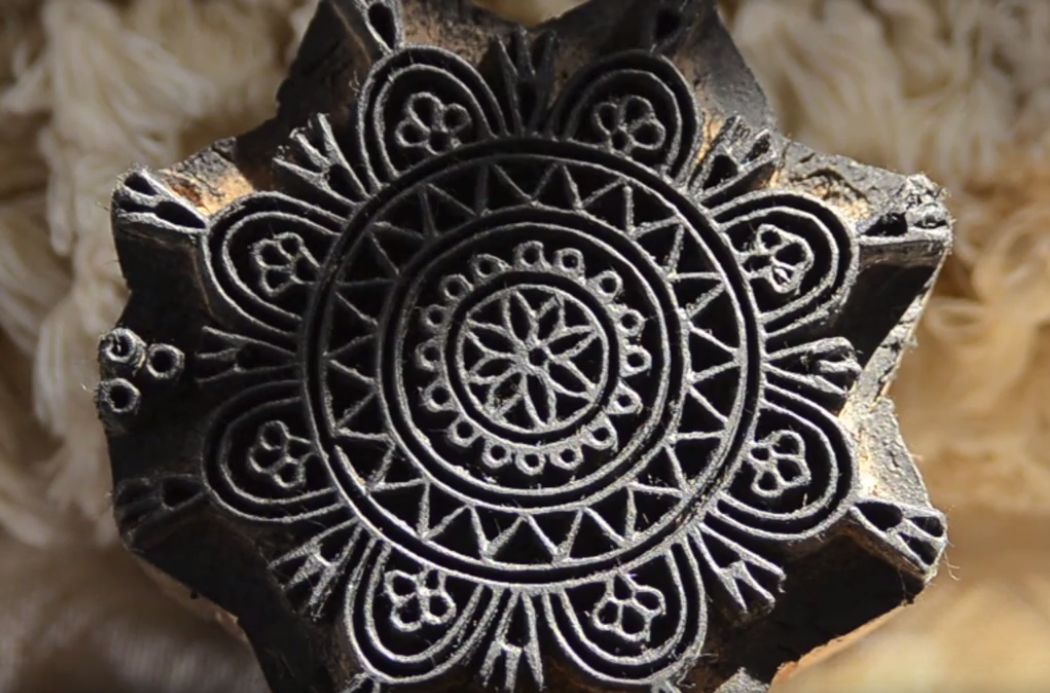
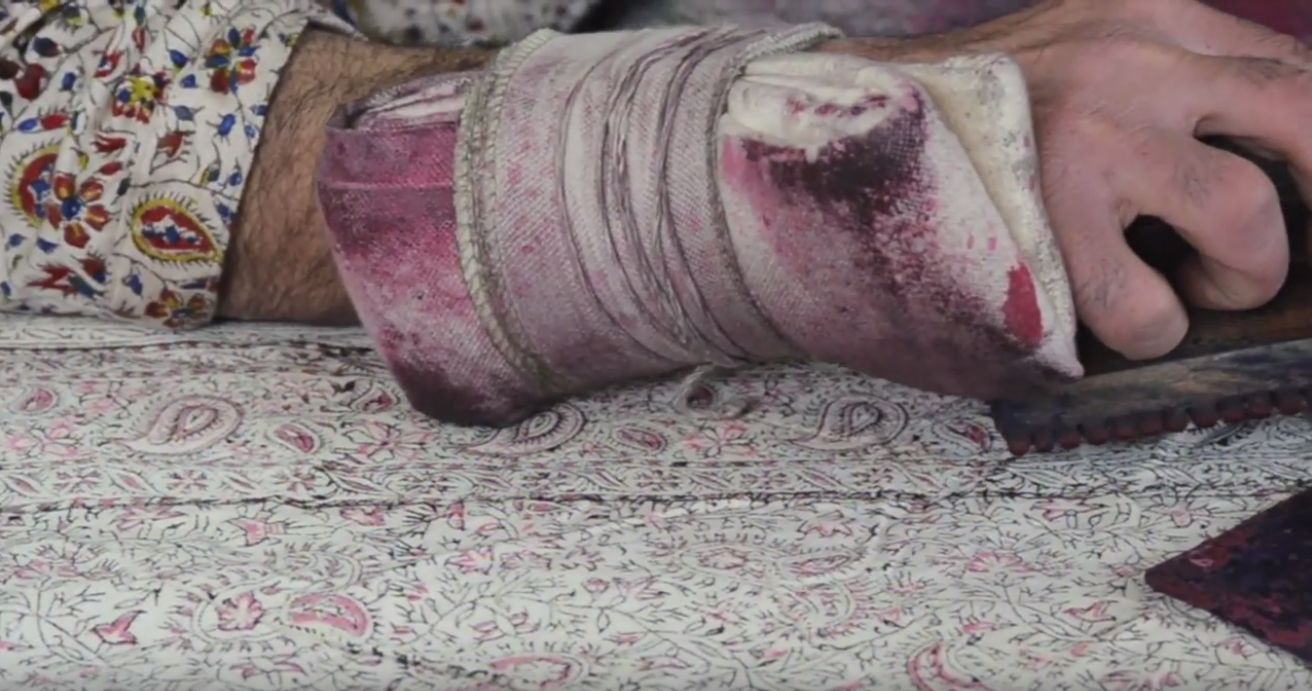
Representative photographs only. Marketplace examples rely on seller descriptions; CraftPersia has not independently authenticated their maker, origin, or rights status. Follow each source link for the listing context.
Used in these crafts
A resist-dyed and block-printed cotton textile, historically associated with Isfahan, in which carved wooden blocks stamp repeating floral and figural patterns onto cloth in successive colour stages.