
Isfahan province
Isfahan
اصفهانThe densest concentration of court-descended crafts in Iran: inlay, engraving, fine carpet weaving, miniature painting and tile.
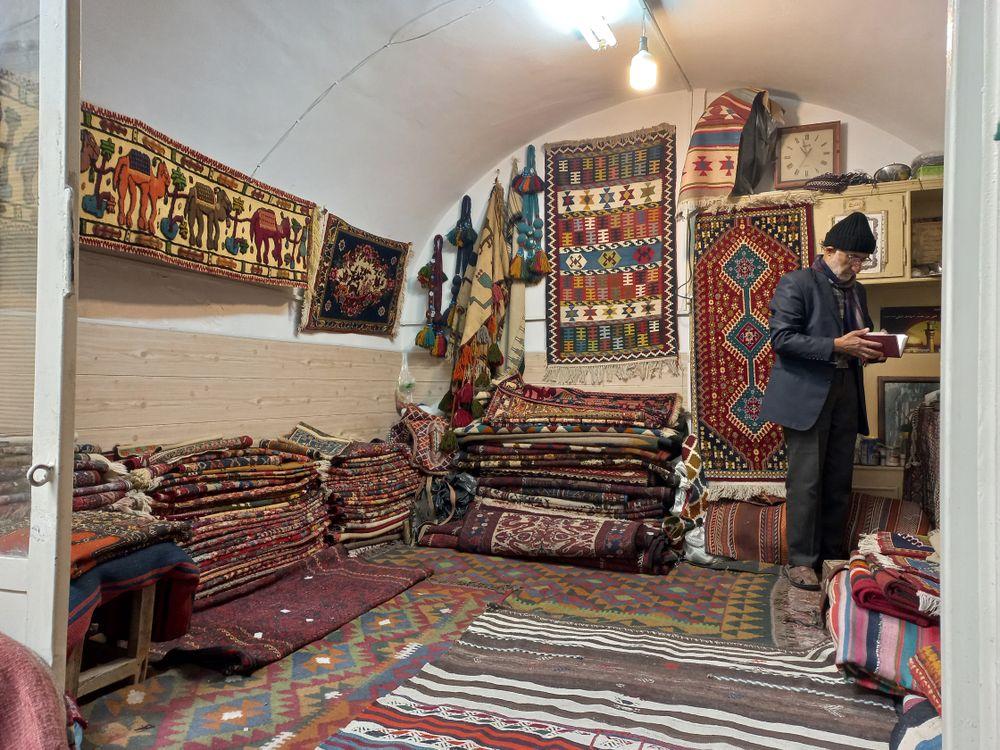
Contest image, date unverified · Maedeh Karimi (Smithsonian Magazine Photo Contest) · Permission status not reviewed · Photo source ↗
Geography
A high plateau city on the Zayandeh river, historically fed by irrigated agriculture and long-distance trade routes.
Historical background
Safavid capital from 1598. Royal workshops established here shaped the technical standards of several crafts still practised in the bazaar today.
Major crafts
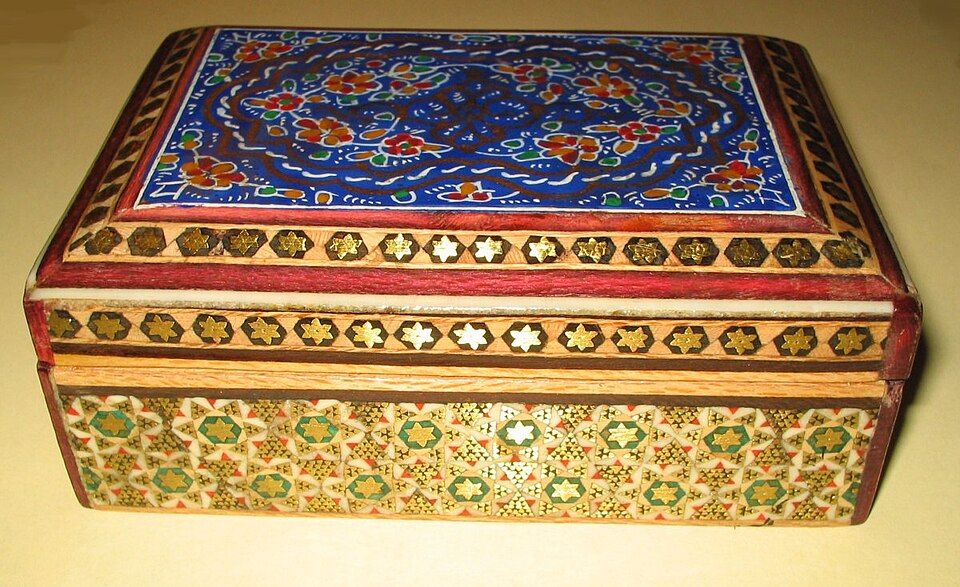 KhatamkariWoodworkEndangered
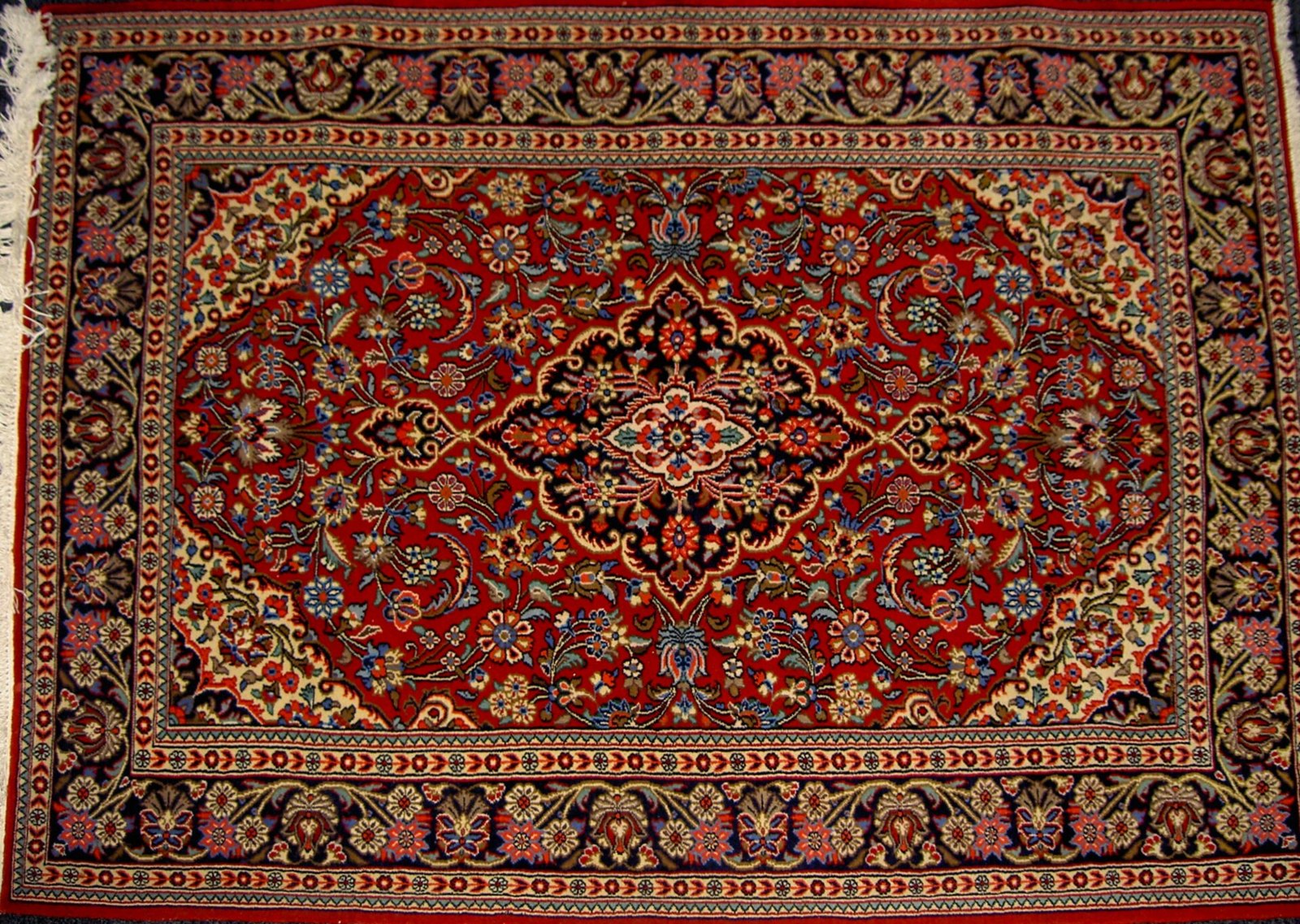 Persian carpetTextilesLiving tradition
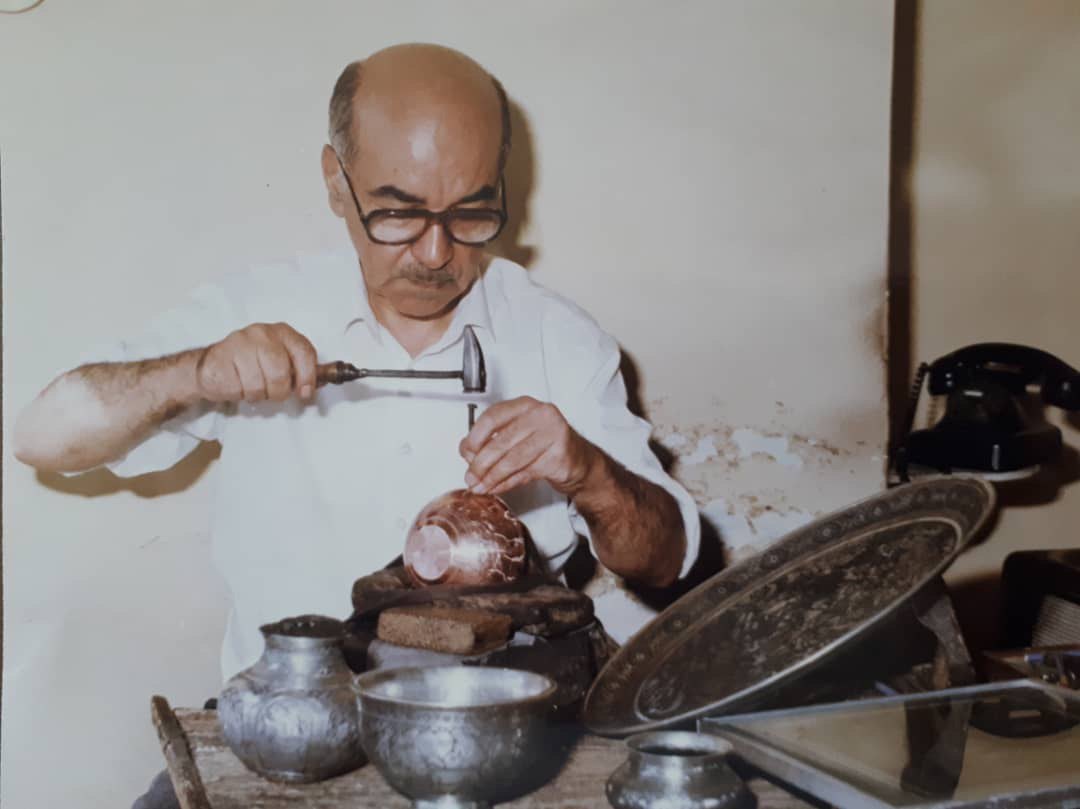 Qalam-zaniMetalworkAt risk
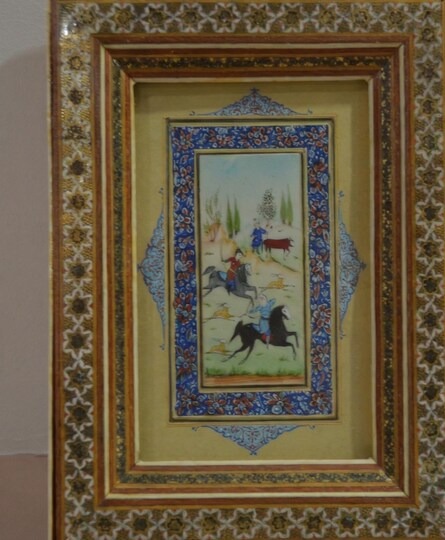
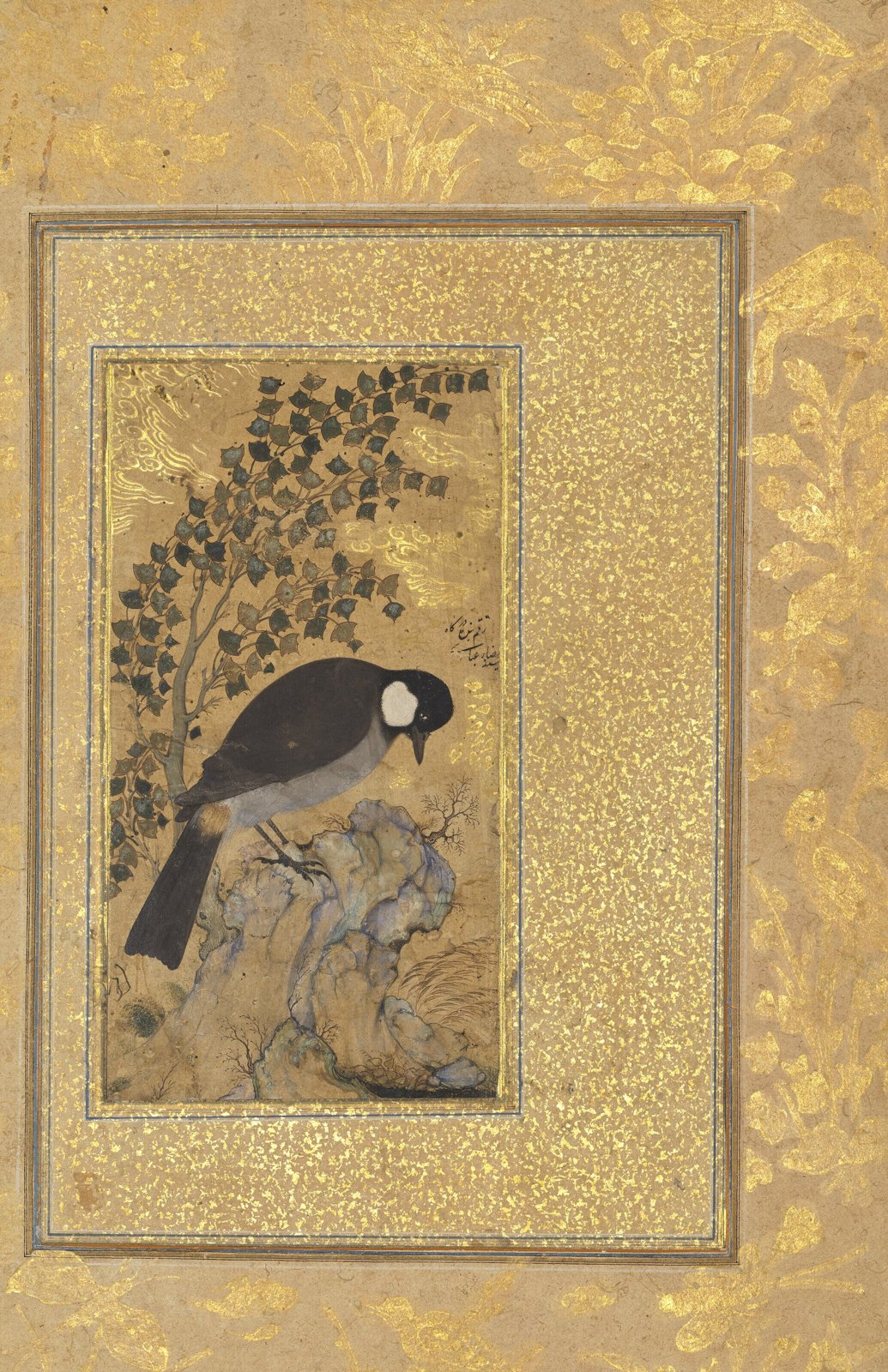 Persian miniaturePaintingLiving tradition
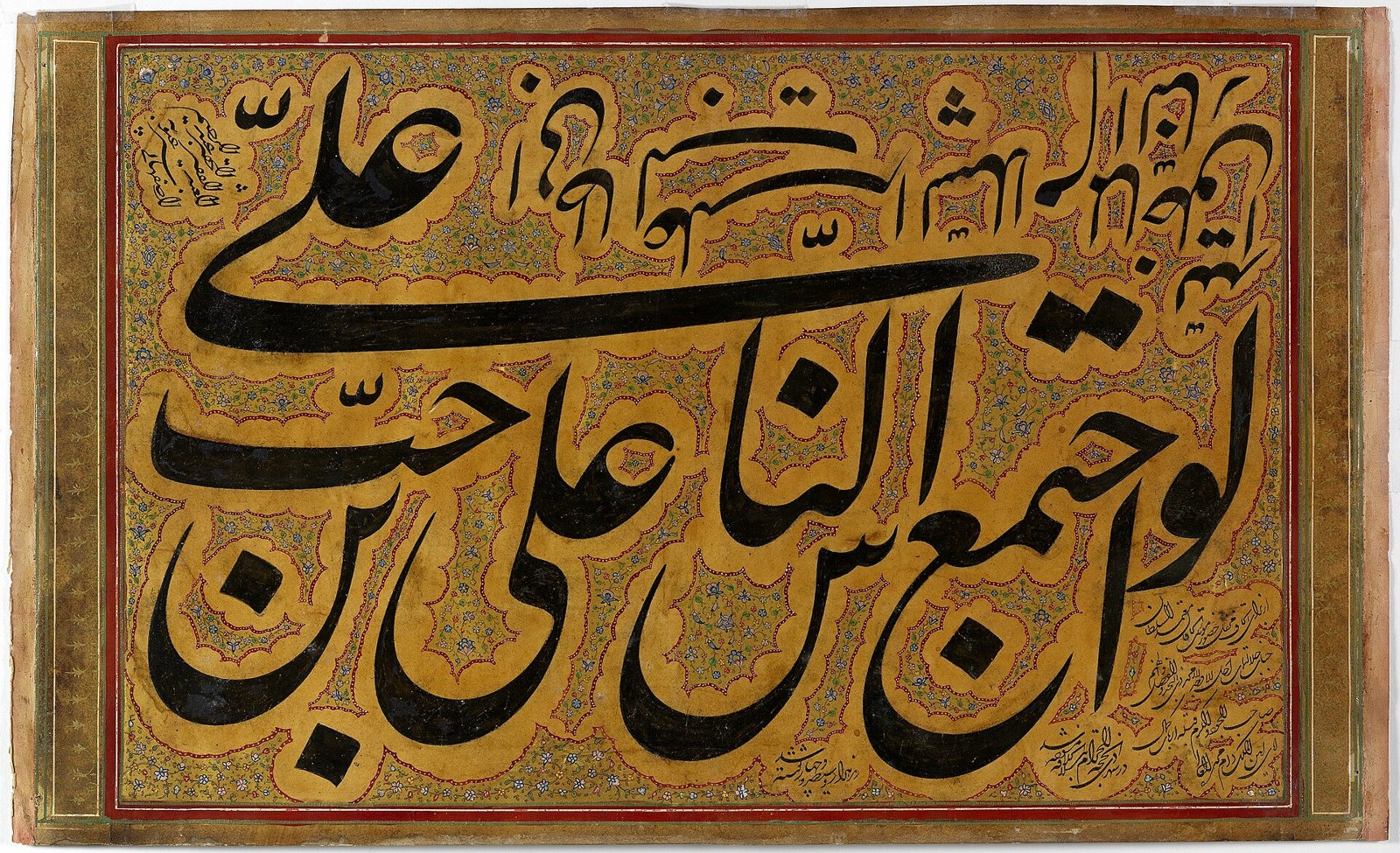 Nasta'liq calligraphyCalligraphyLiving tradition
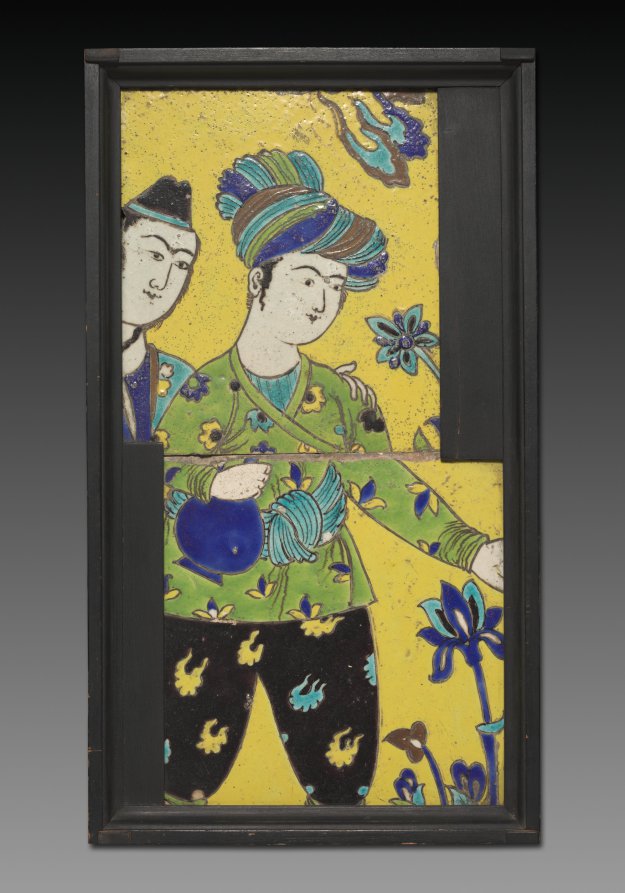 Haft-rang tileworkCeramicsLiving tradition
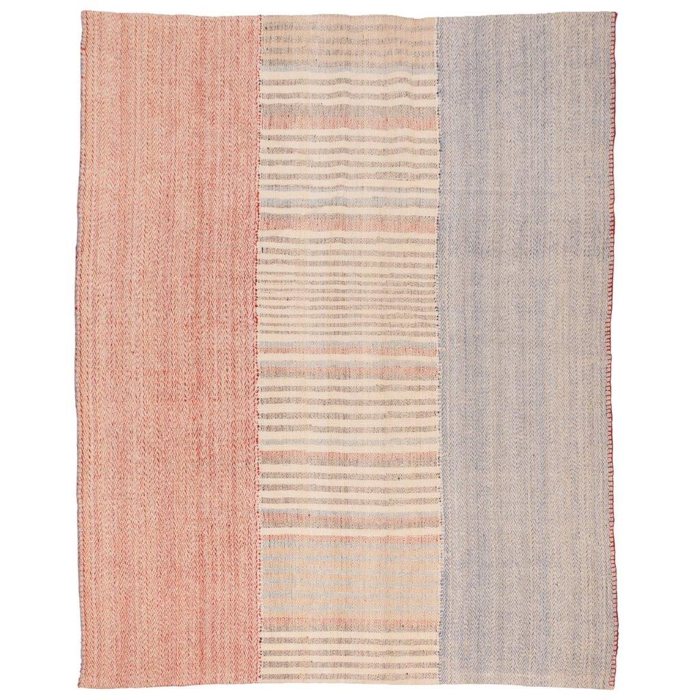 JajimTextilesAt risk
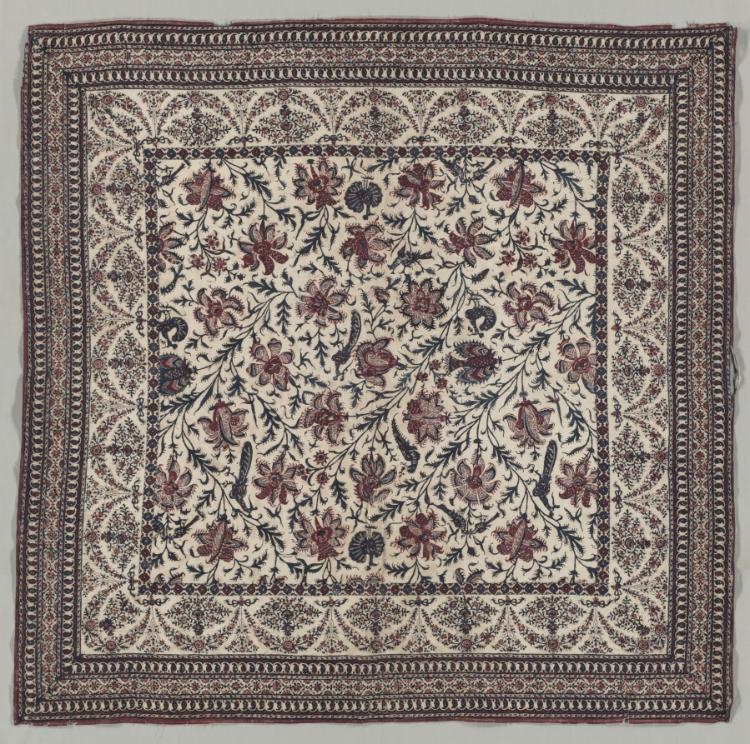 Qalamkar block printingTextilesAt risk
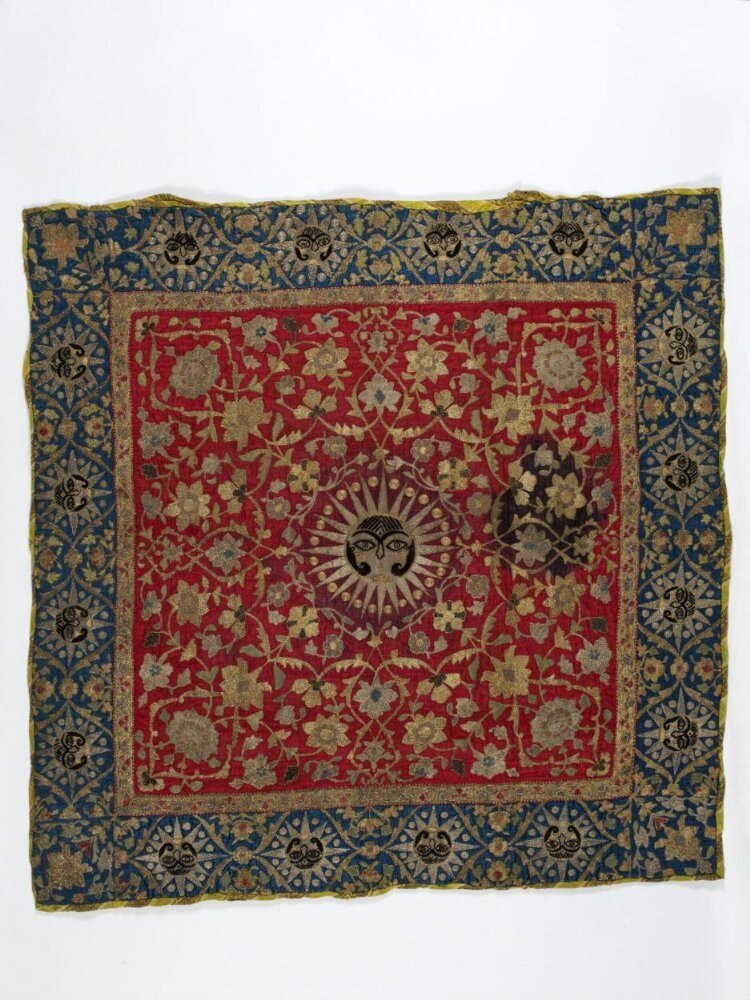 Sermeh-duziTextilesAt risk
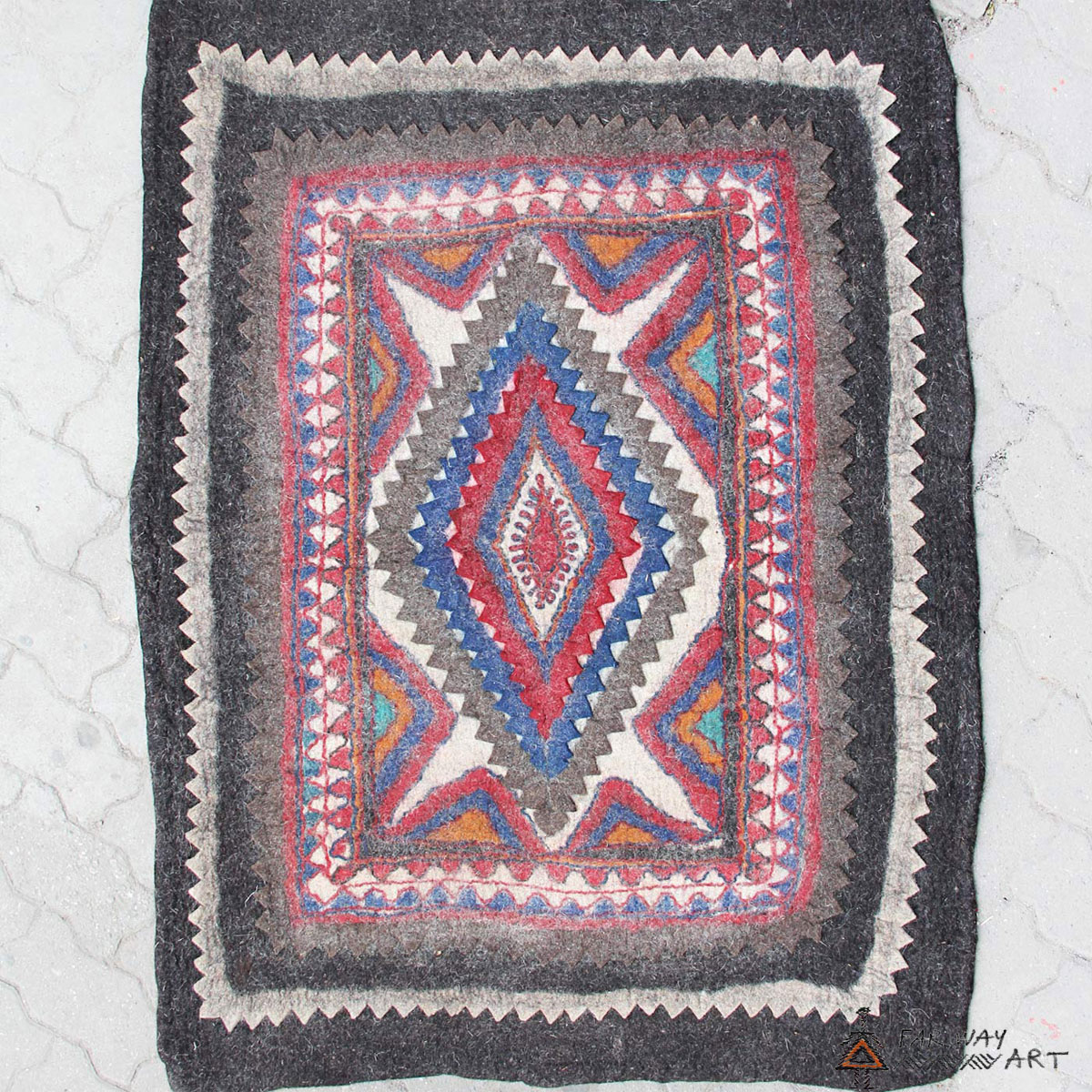 Namad feltTextilesAt risk
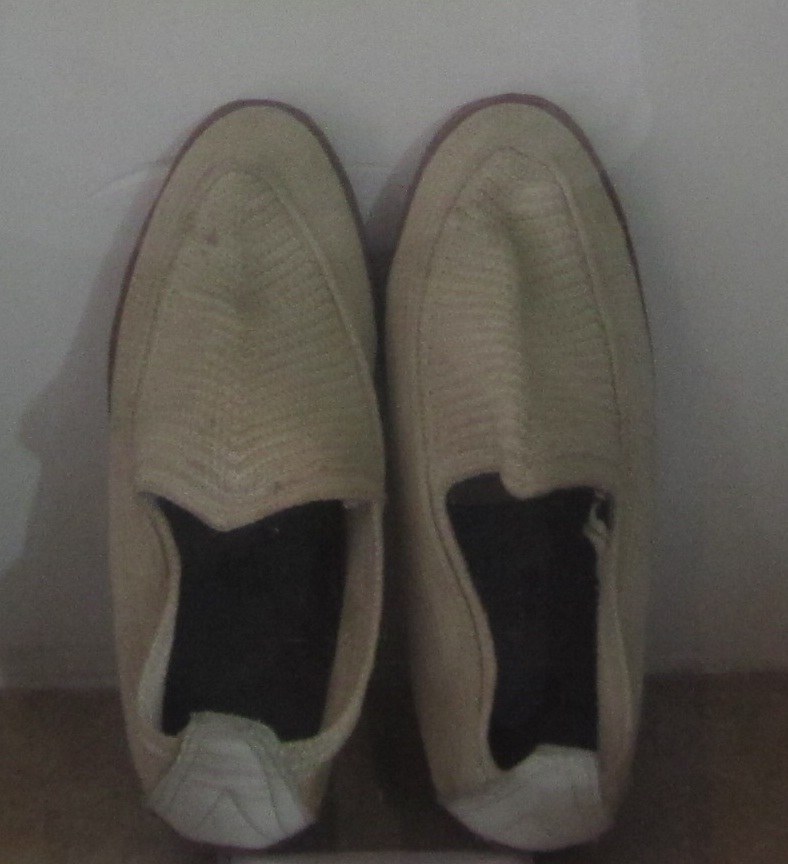 Giveh footwearTextilesLiving tradition
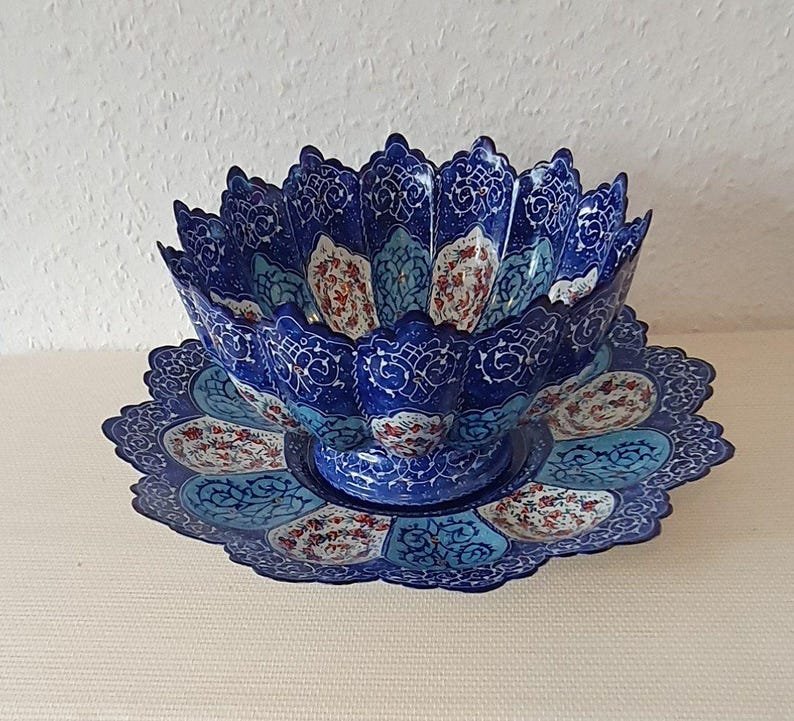
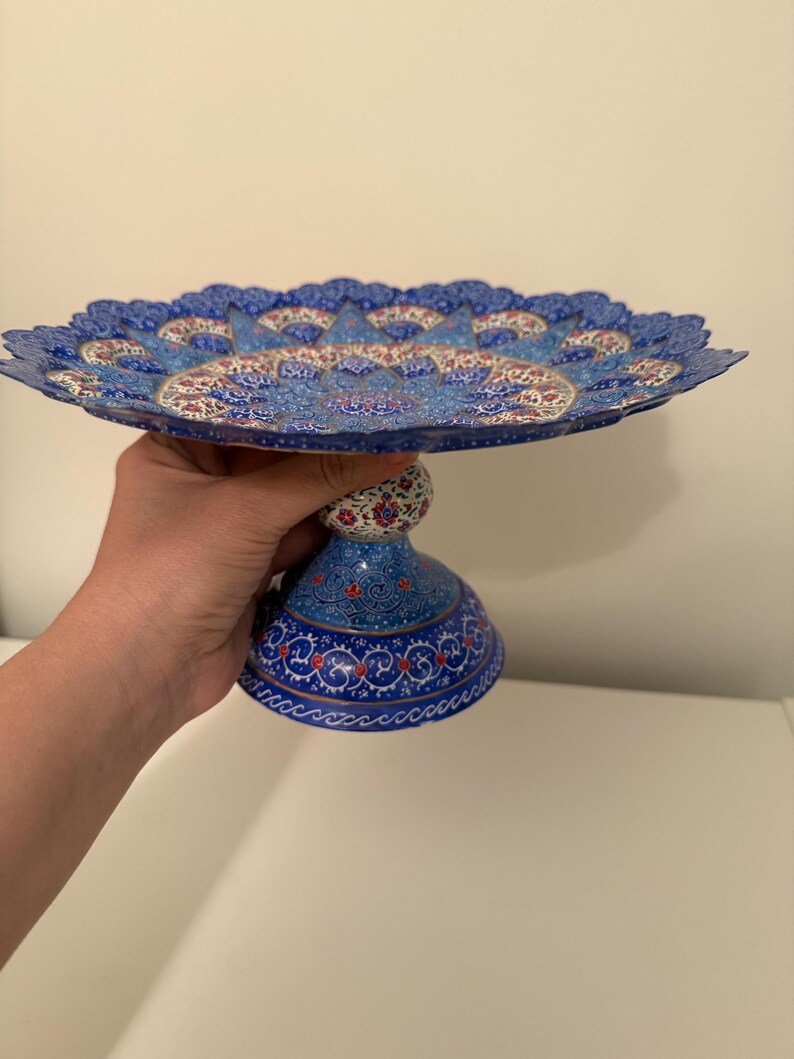
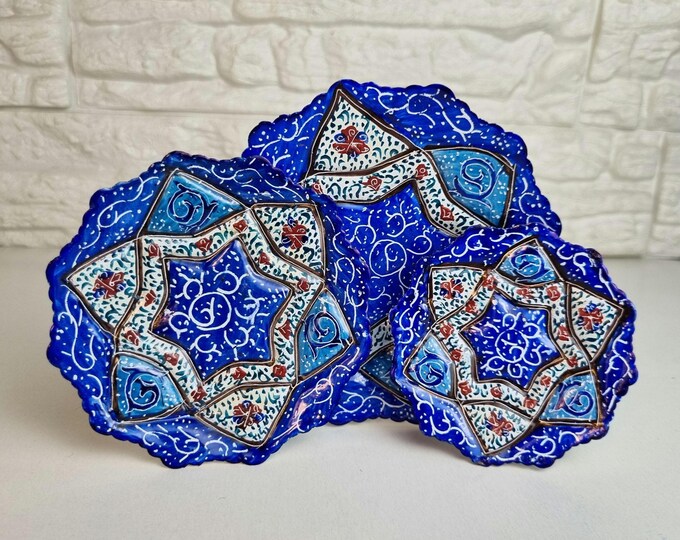
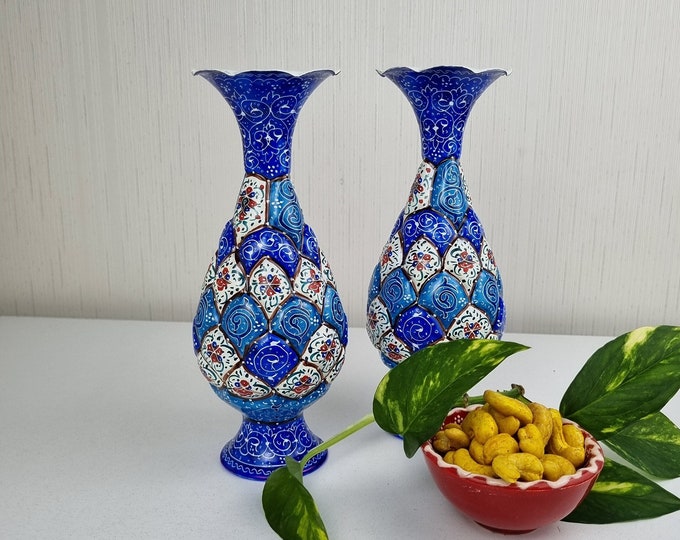
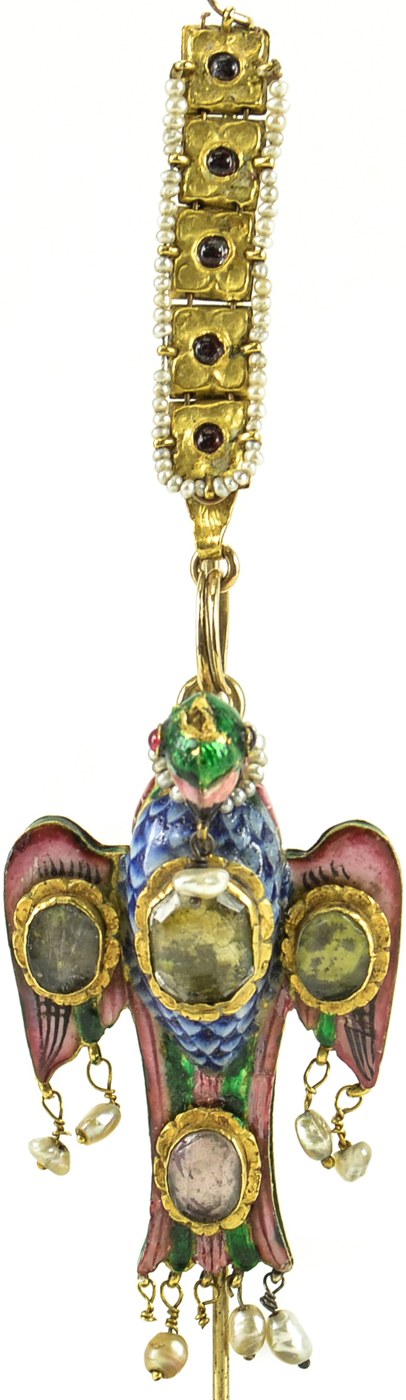 Minakari enamelMetalworkLiving tradition
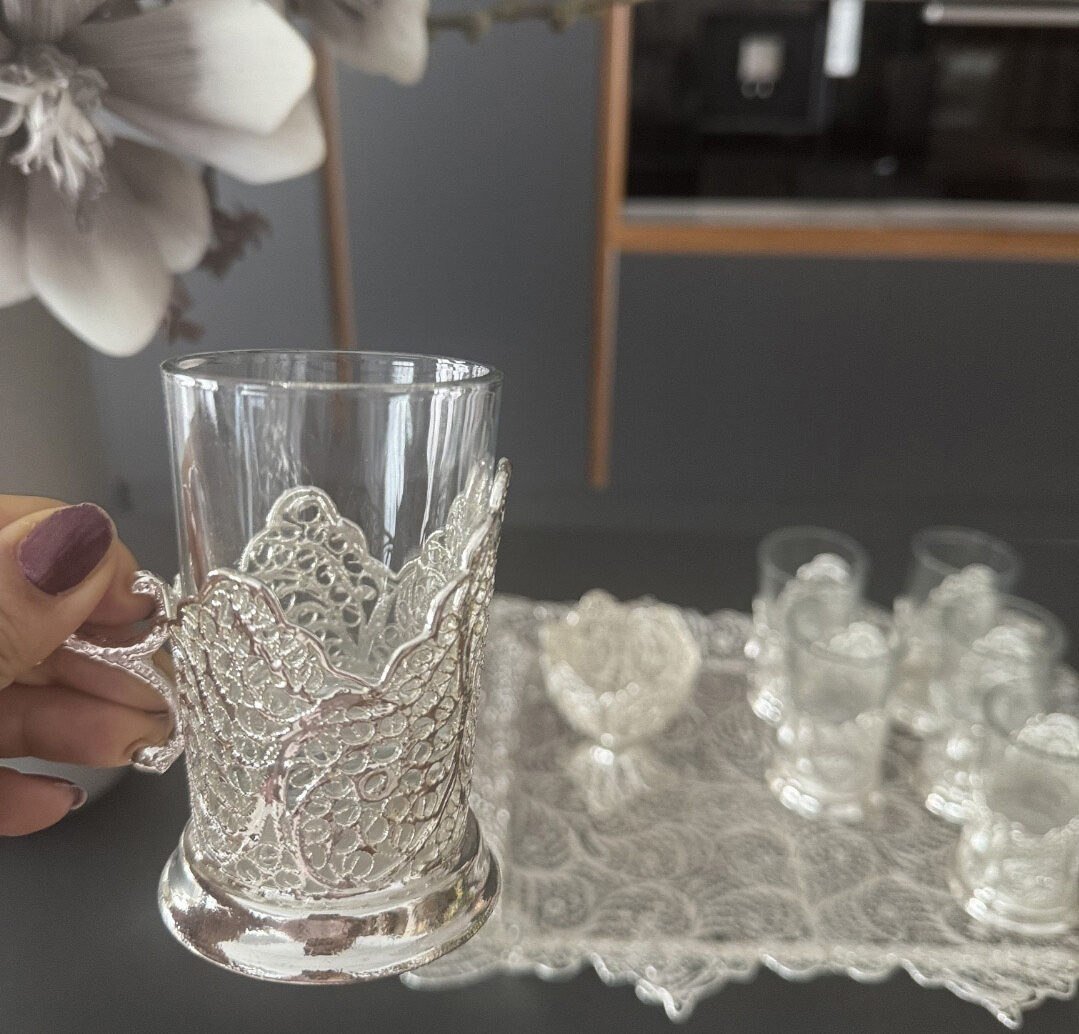 Filigree (Malileh)MetalworkAt risk
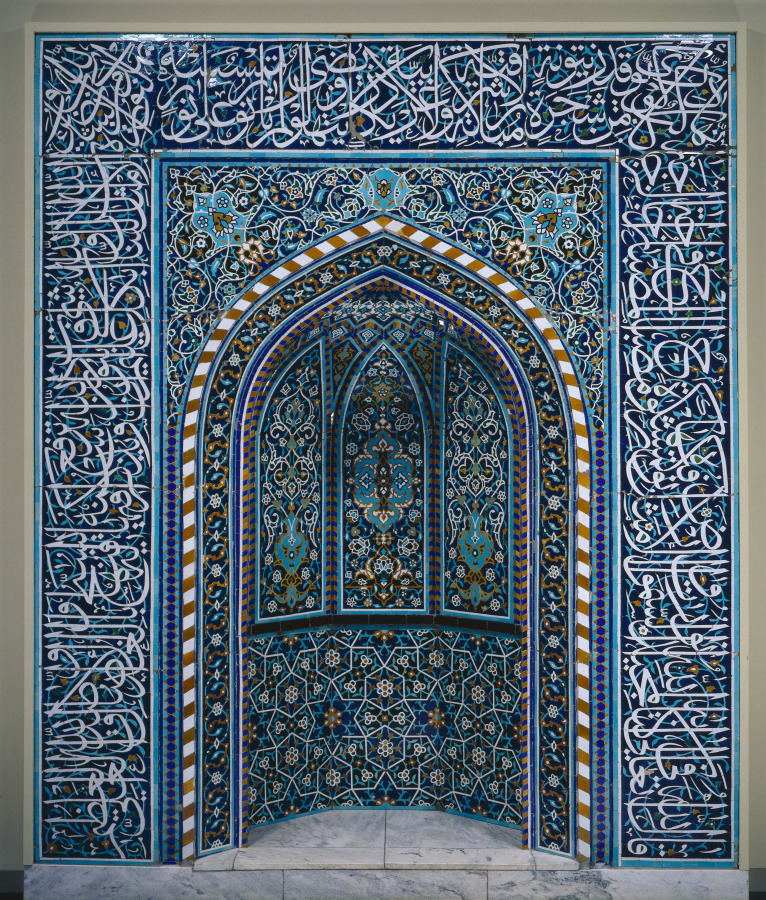 Moarraq tile mosaicCeramicsLiving tradition
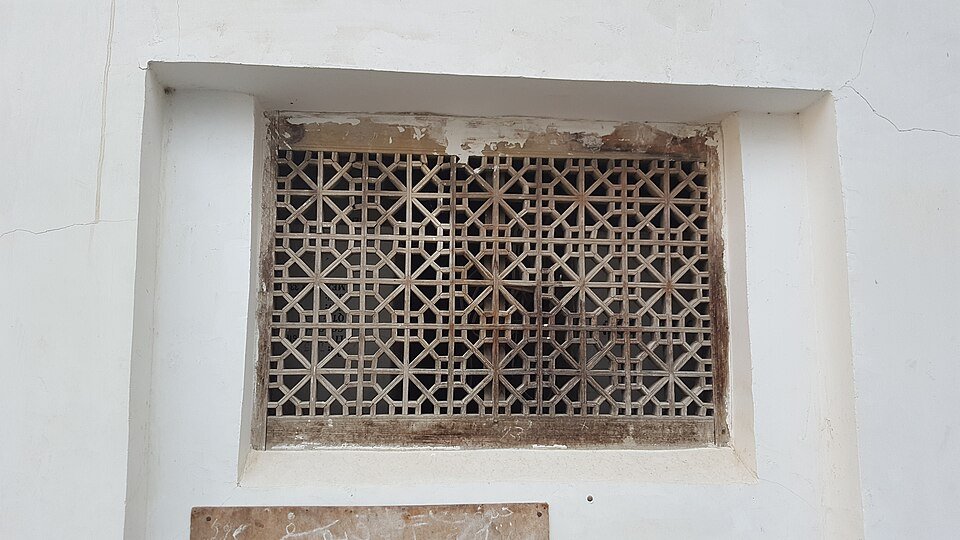 Gereh-chini latticeWoodworkAt risk
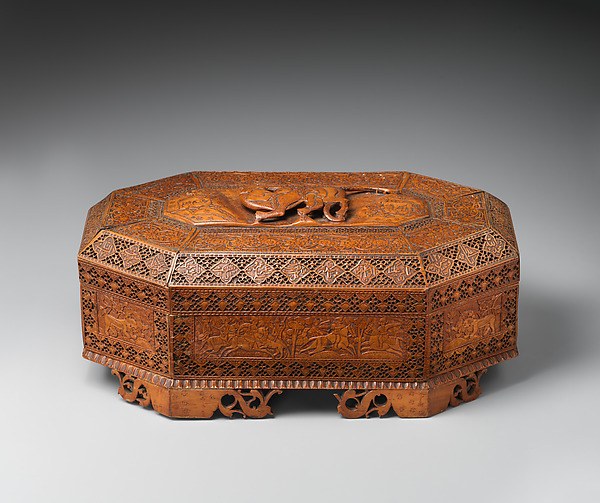 Wood carving (Monabbat)WoodworkAt risk
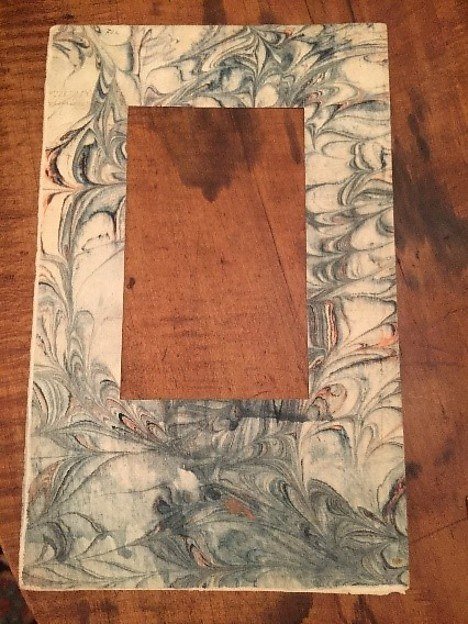 Paper marbling (Abr-o-bad)Paper artsRevived
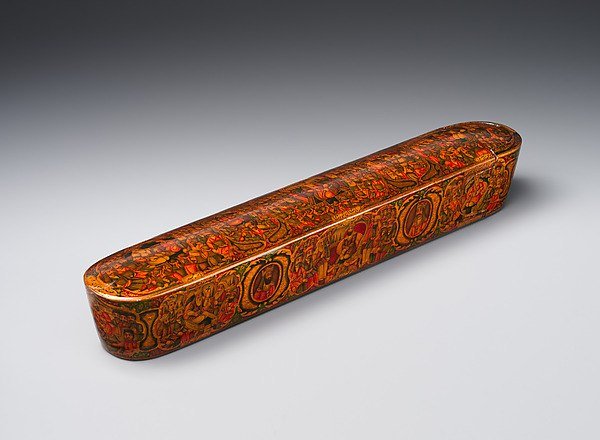 Persian lacquer paintingPaintingAt risk
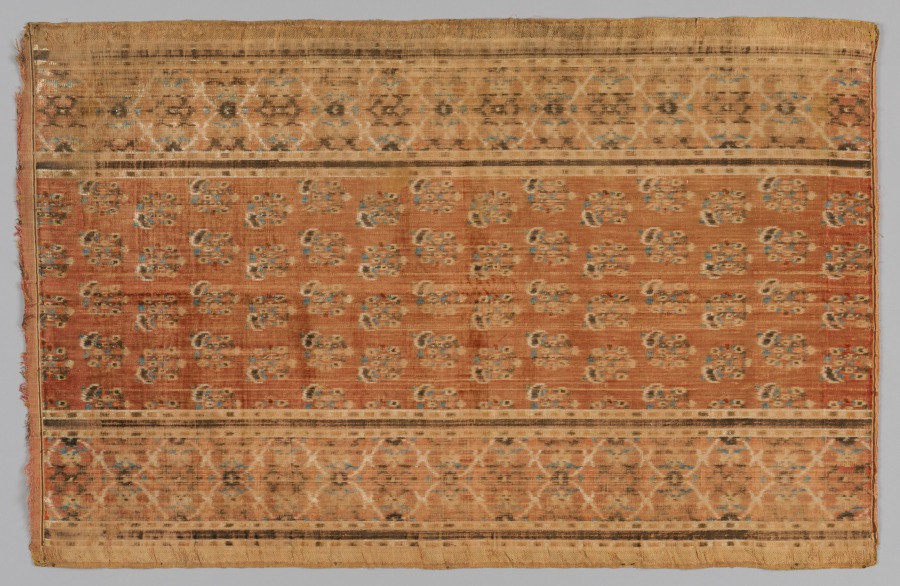 Velvet weaving (Makhmal-bafi)TextilesEndangered
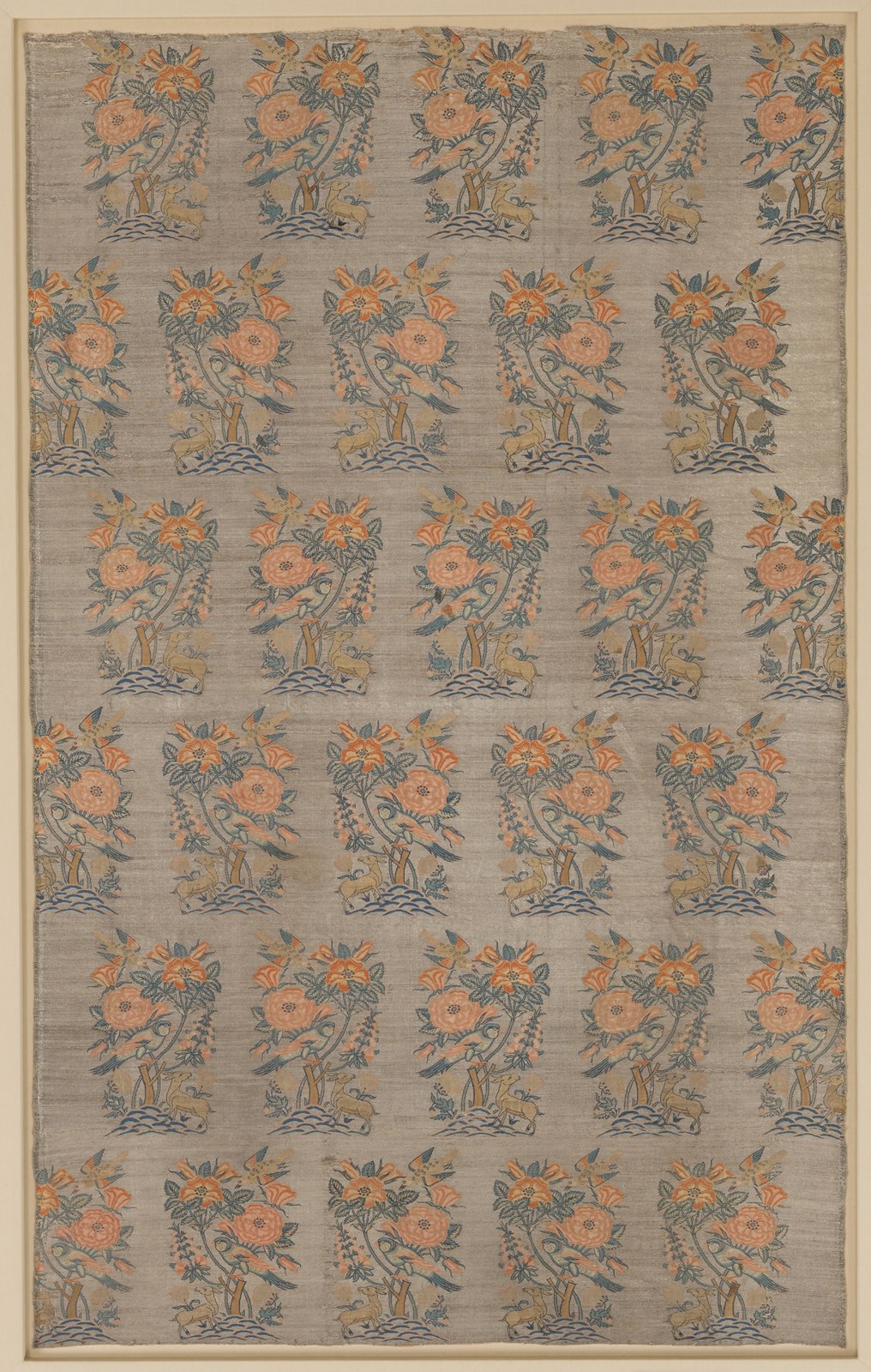 Brocade weaving (Zari-bafi)TextilesEndangered
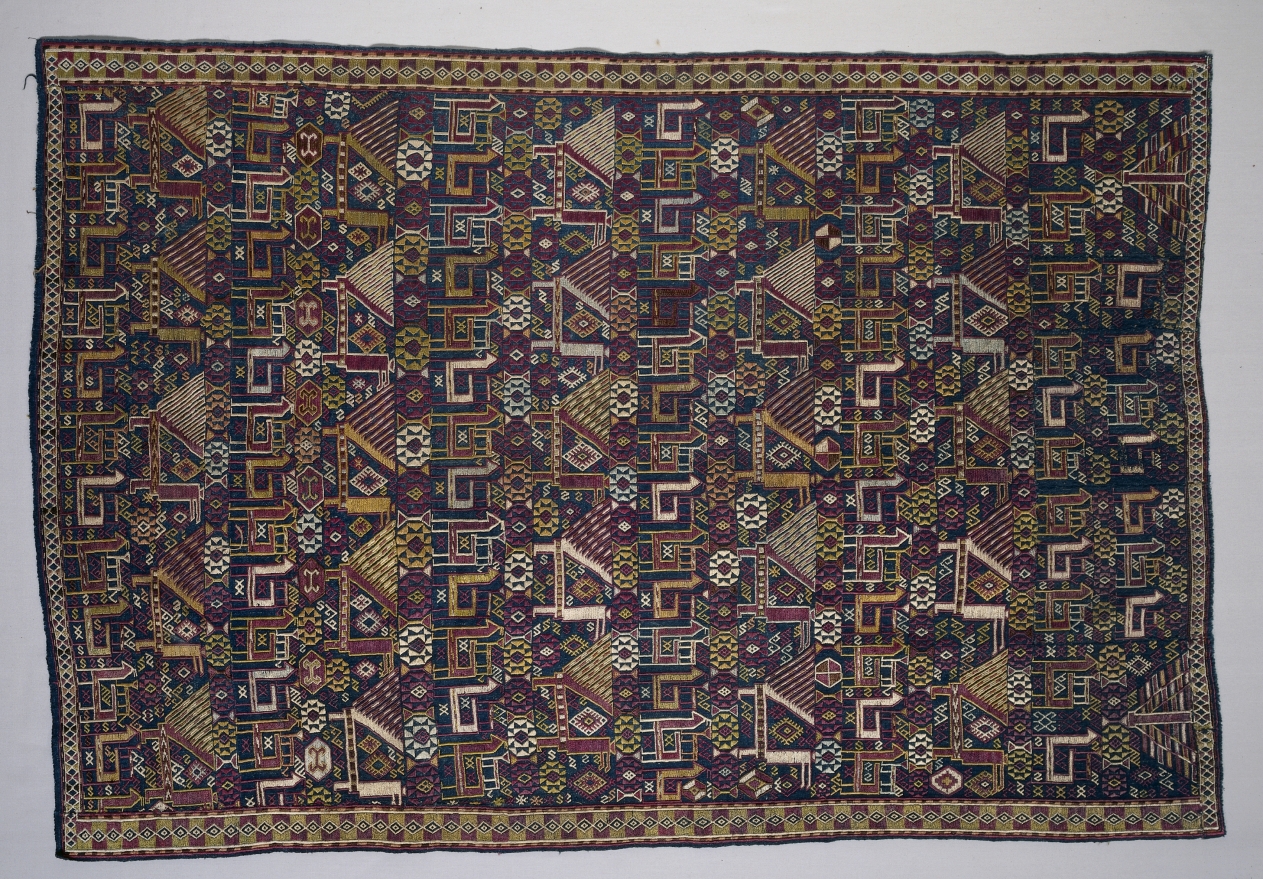 Needlework embroidery (Suzan-duzi)TextilesAt risk
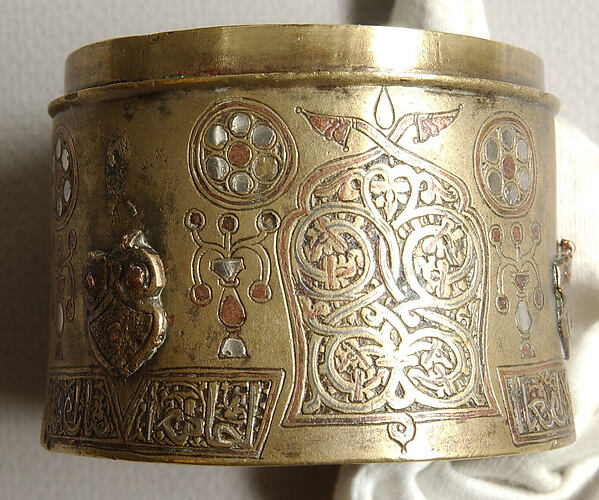 Inlaid metalworkMetalworkAt risk
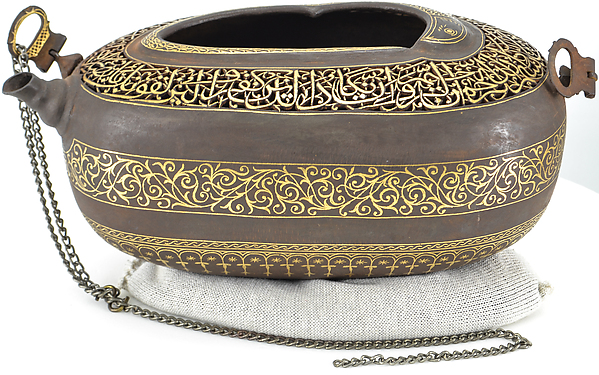 Steel openwork (Fulad-kari)MetalworkEndangered
 Jewellery and gem settingMetalworkLiving tradition
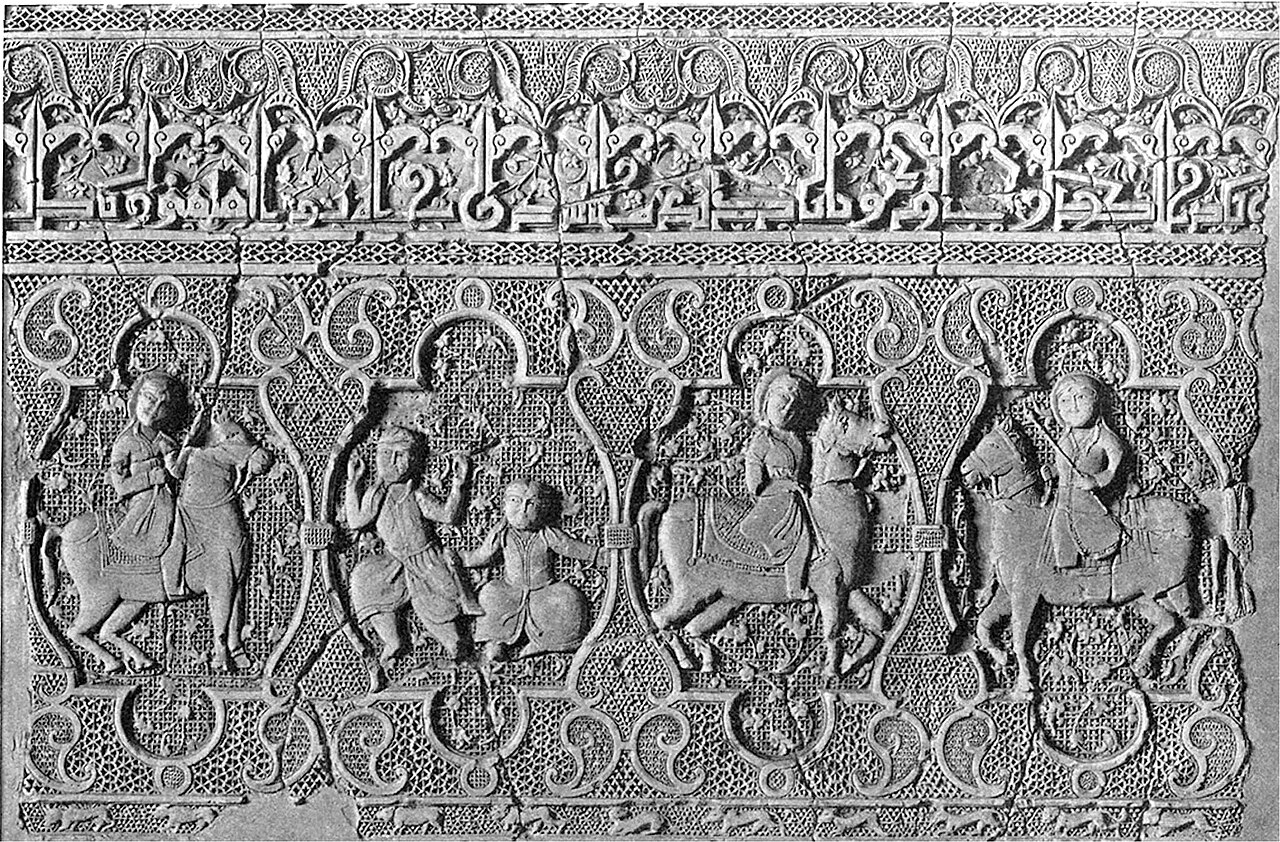 Stucco carving (Gach-bori)Architectural ornamentationLiving tradition
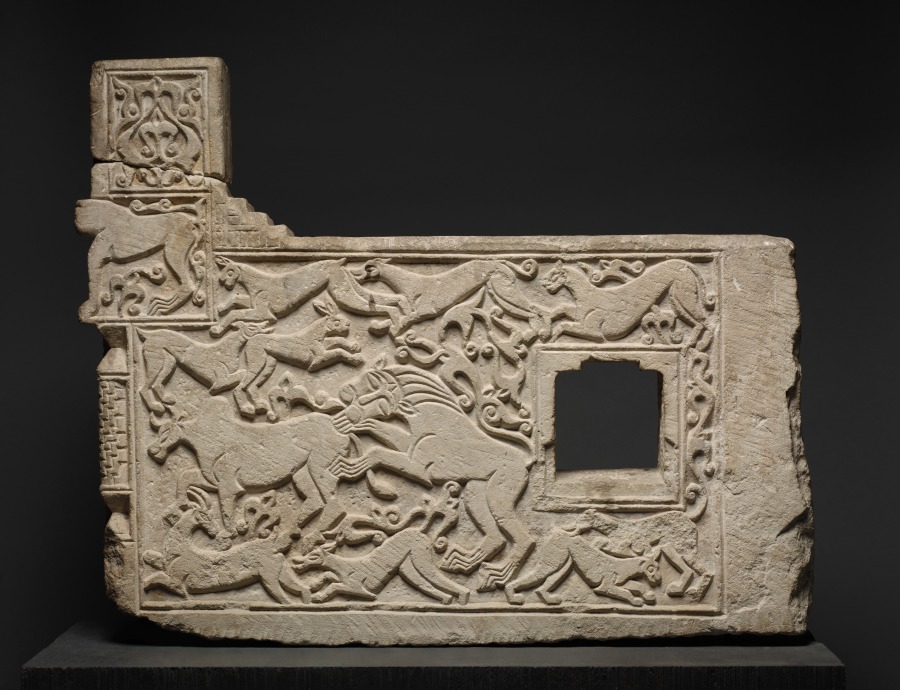 Stone carving (Hajjari)StoneLiving tradition
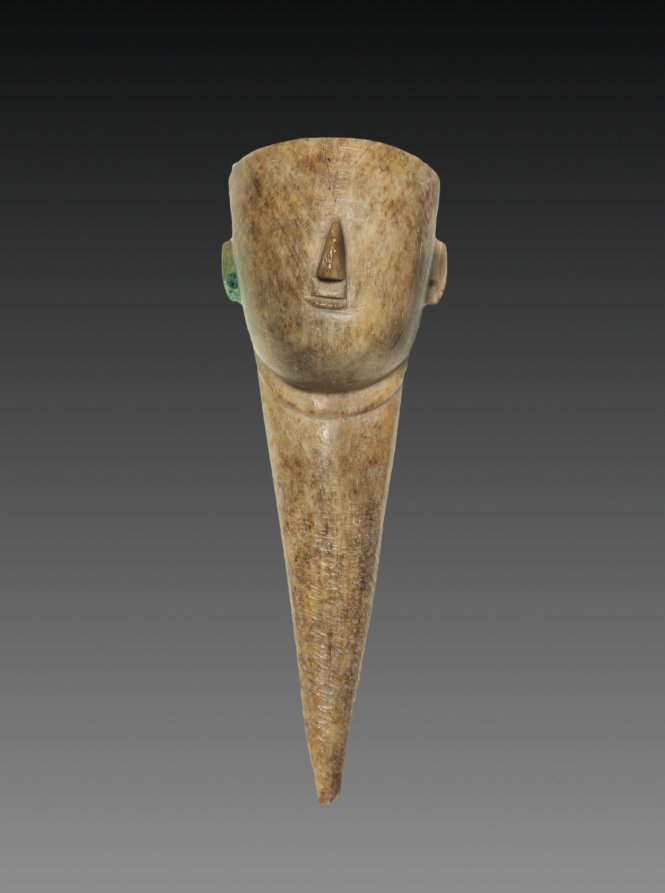 Bone and ivory carvingBone and hornEndangered
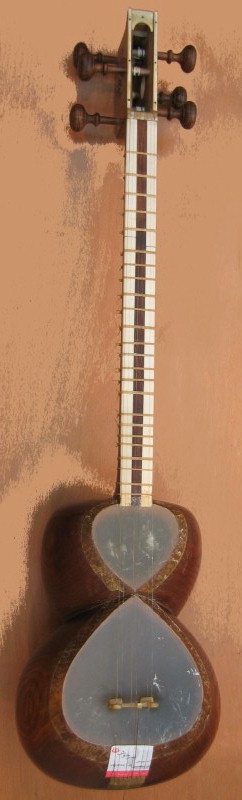 Instrument making (Saz-sazi)Musical instrumentsLiving tradition
 Illumination (Tazhib)Book artsLiving tradition
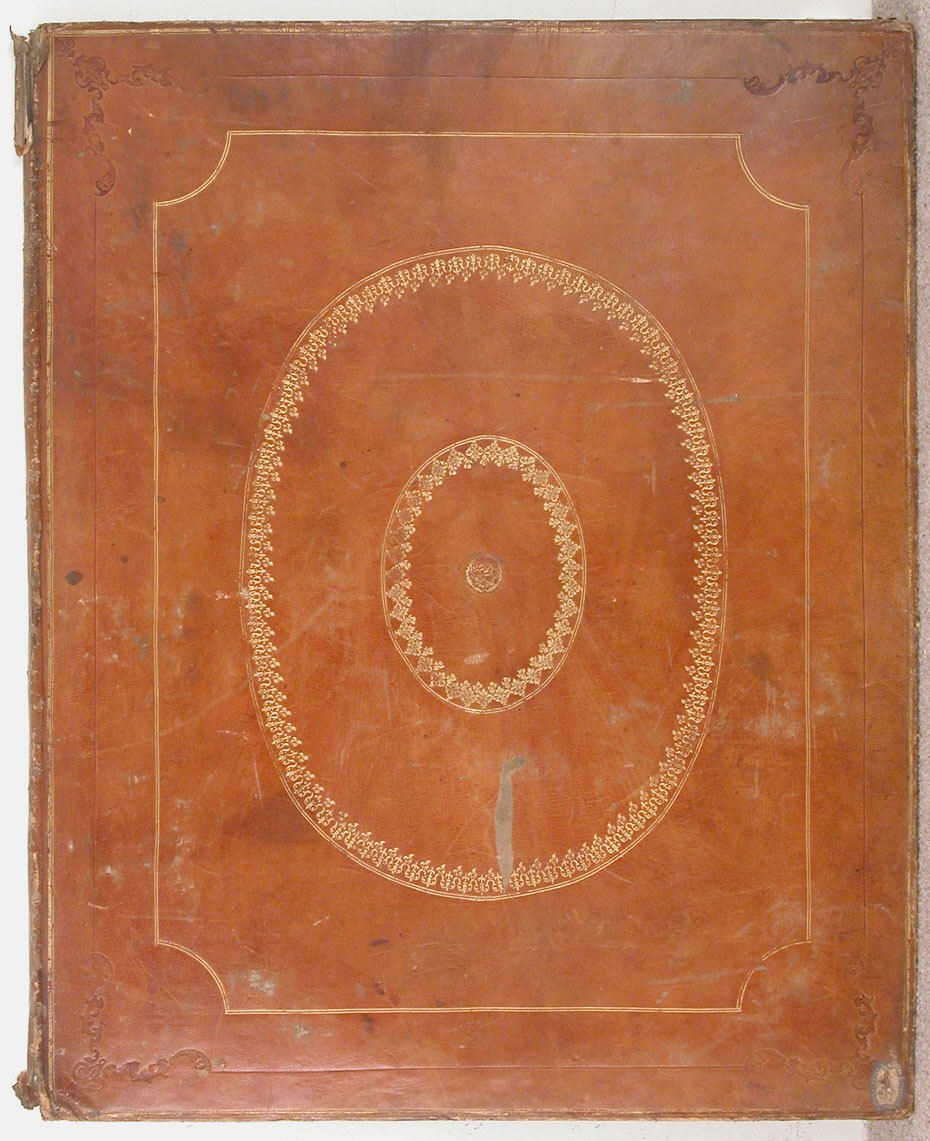 Leatherwork (Charm-duzi)LeatherLiving tradition
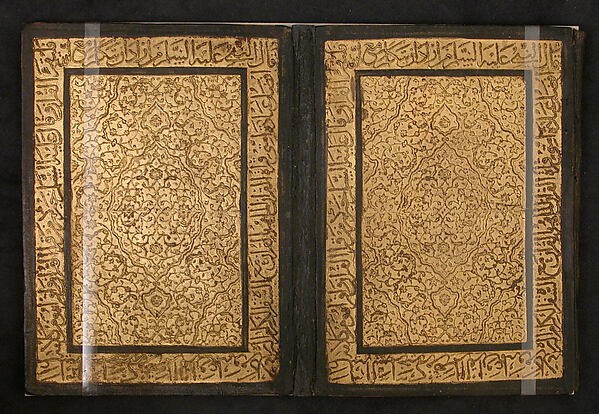 Traditional bookbinding (Sahhafi)Book artsEndangered
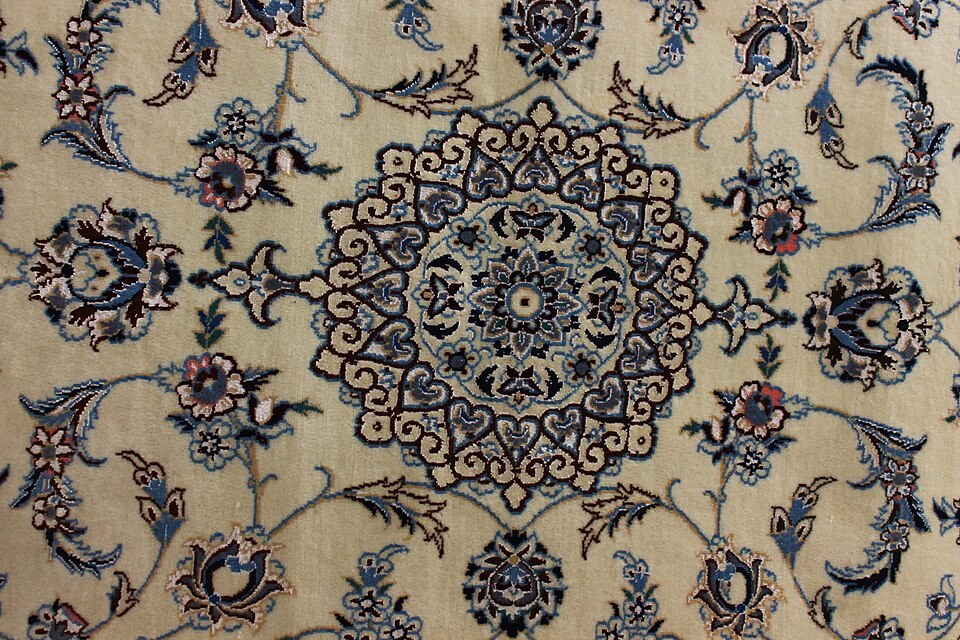 Nain carpetTextilesLiving tradition
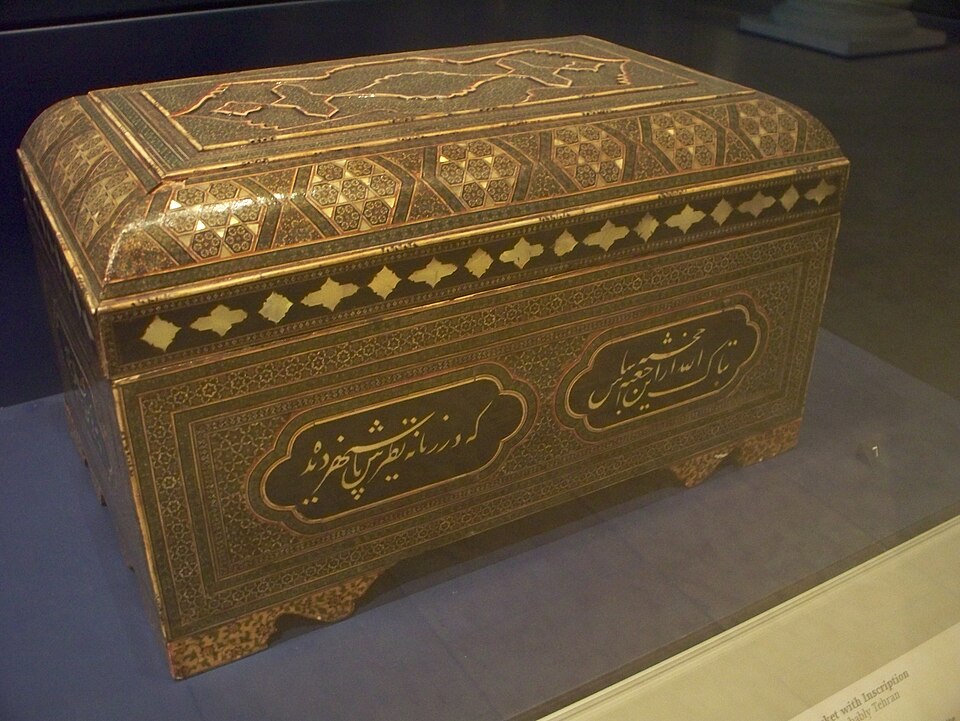
Objects from this region
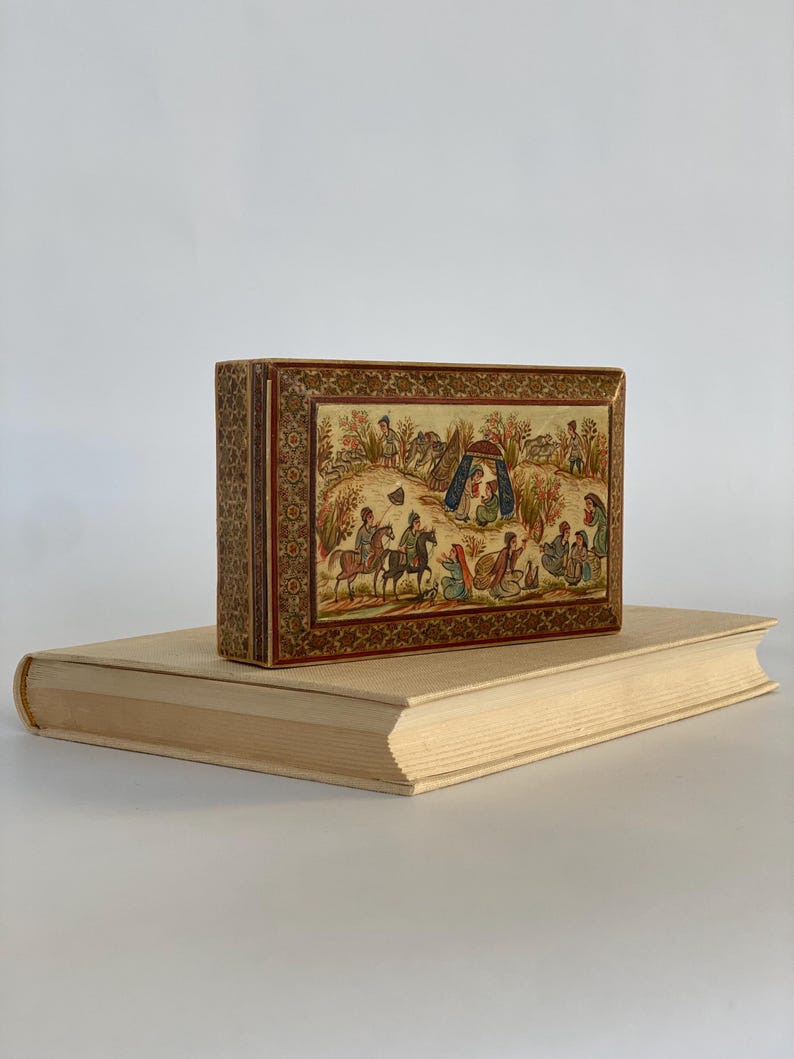
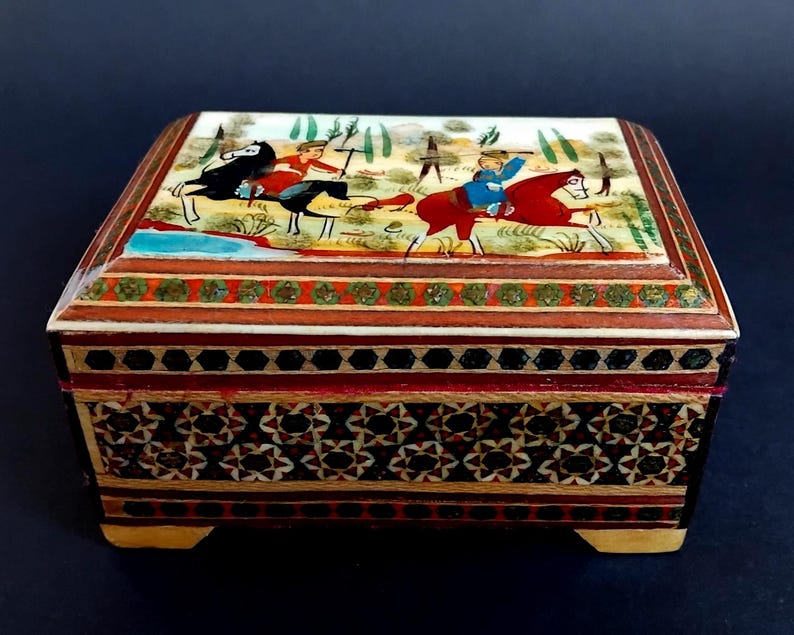
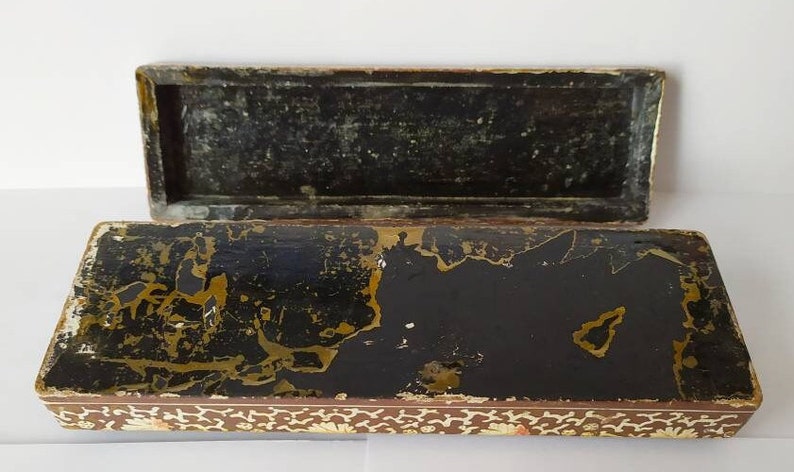
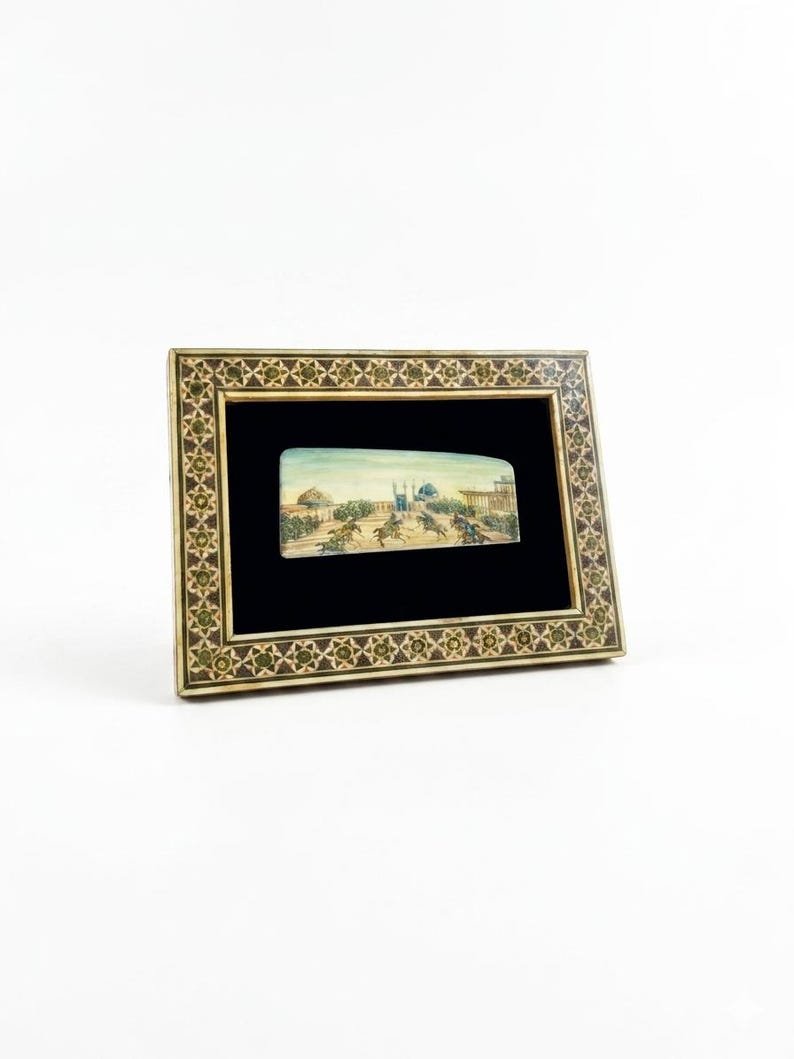
Cultural tourism
Markets and craft destinations documented here can be visited. Workshop access usually depends on the artisan; where a workshop receives visitors, that is noted on their profile.
- Province
- Isfahan
- Landmarks
- Naqsh-e Jahan Square, Grand Bazaar
- Signature crafts
- Qalamzani, minakari, khatam, miniature, tilework
- UNESCO site
- Meidan Emam (1979)
The craft city
Isfahan became the Safavid capital under Shah Abbas I at the end of the sixteenth century. The new square, mosques and bazaar created an enormous demand for tilework, metalwork, textiles and painting, and many workshops still trade from the bazaar around Naqsh-e Jahan Square.
Today the city is one of the most concentrated centres of handicraft production in Iran and was named a World Crafts City by the World Crafts Council in 2015.
- Qalamzani engraving
- Minakari enamel
- Khatam inlay
- Negargari painting
- Ghalamkar block printing
- Haft rang tile
Visiting workshops
Many workshops welcome visitors, but working practices vary. Ask before photographing, and expect showrooms and workshops to be separate spaces.
Working traditions and technique
Safavid-era building campaigns and bazaar networks provided settings for painted tile, metal, textiles and book arts. These trades remain living practices, not fixed survivals of a single era. Compare a contemporary workshop's process with the process described for a historic object, rather than assuming both are identical.
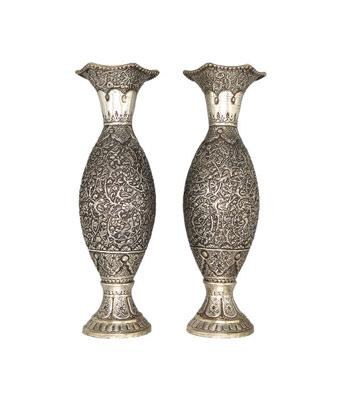
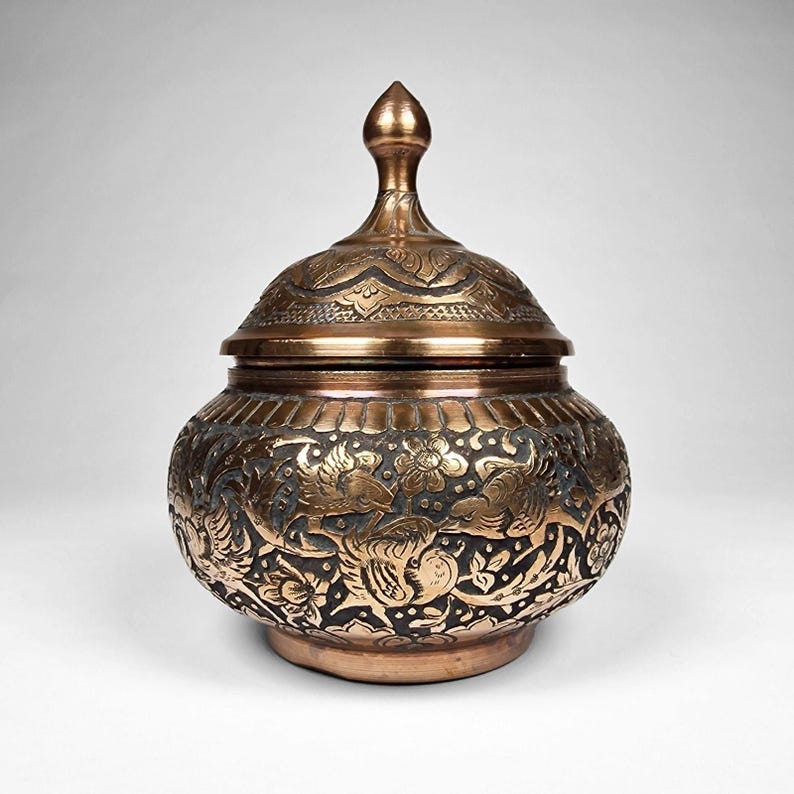
Qalamzani cuts or raises a metal surface; minakari fires glassy colour onto metal; khatam applies sliced composite rods to a support. A shop may sell all three without making all three.
Visiting, collecting and documenting
Ask whether you are visiting a maker, reseller or both; request permission before photographing production, and label each object with workshop, date, material and how those facts were obtained. A landmark photograph cannot serve as a provenance record for goods sold nearby.
Observe working methods with permission; do not treat a market label, regional motif or heritage listing as evidence of the maker of an individual object.
Crafts of Isfahan in photographs
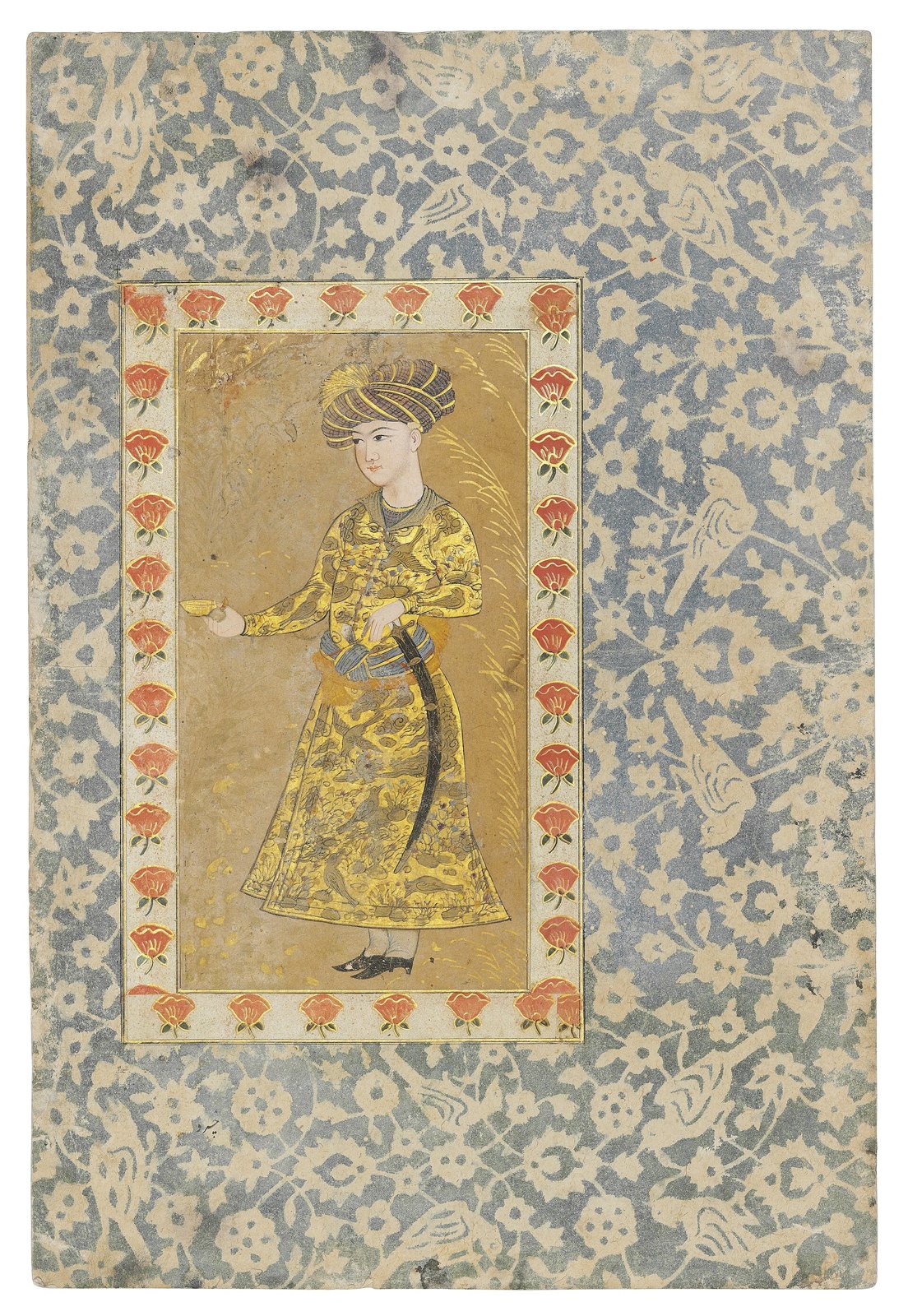
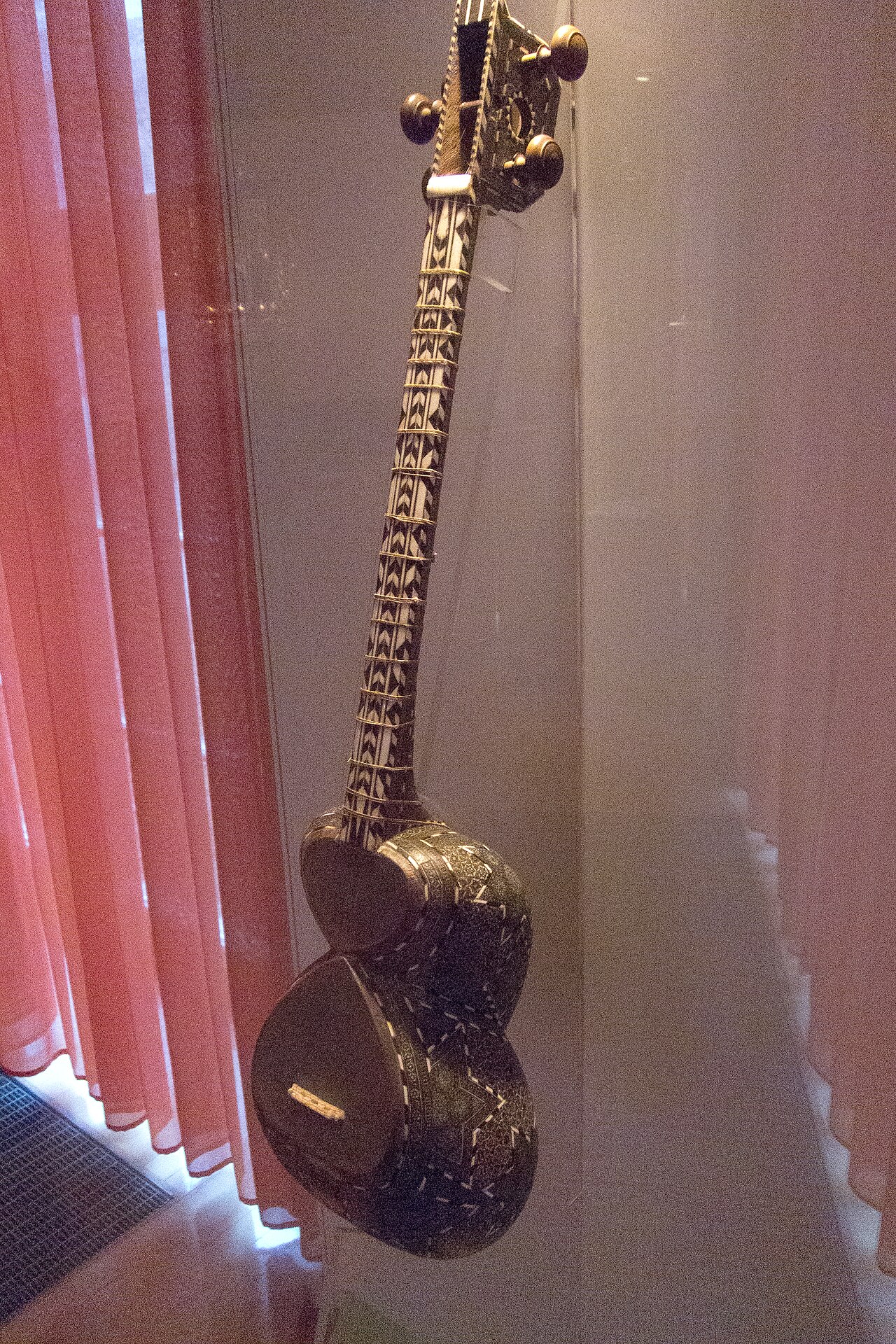
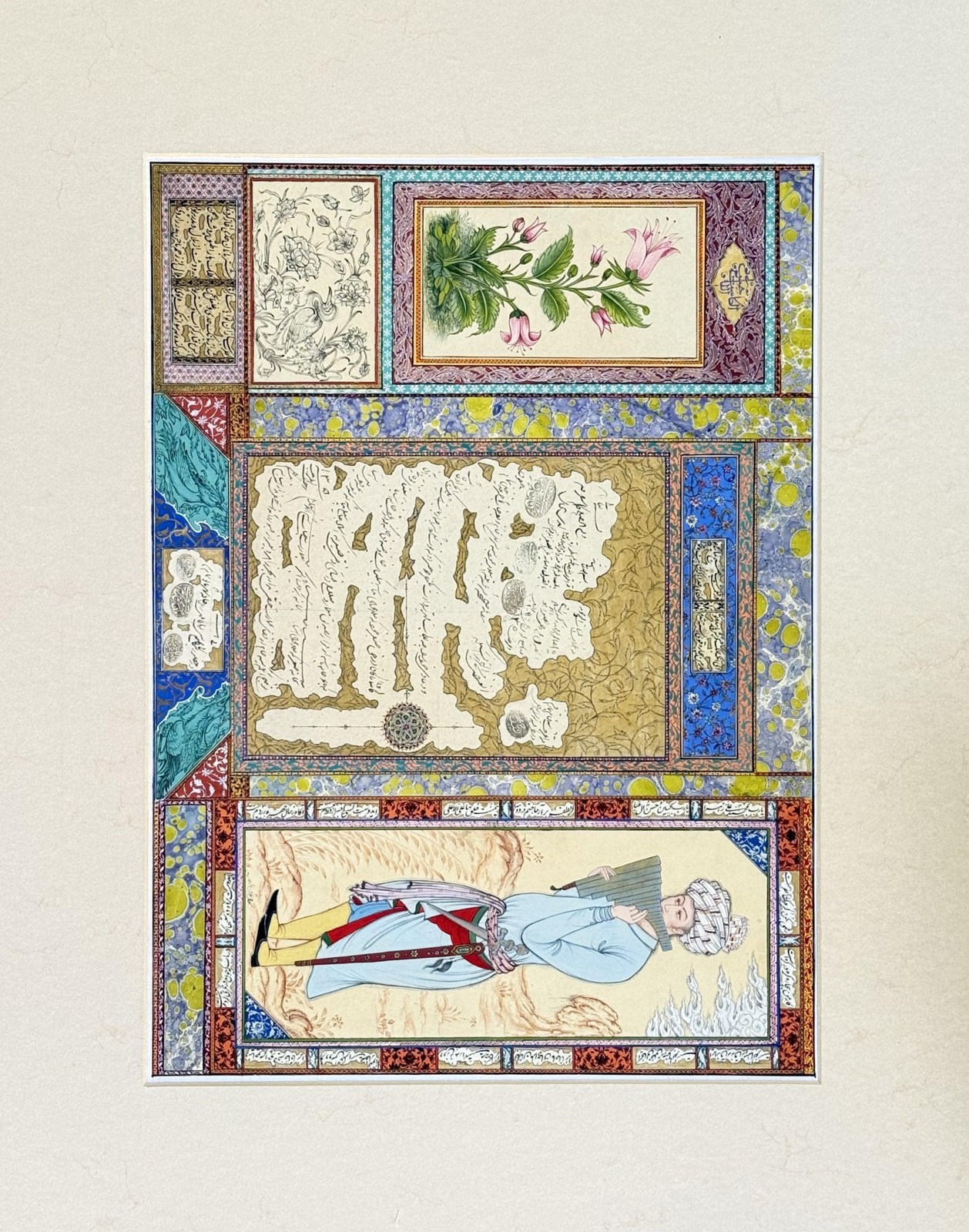
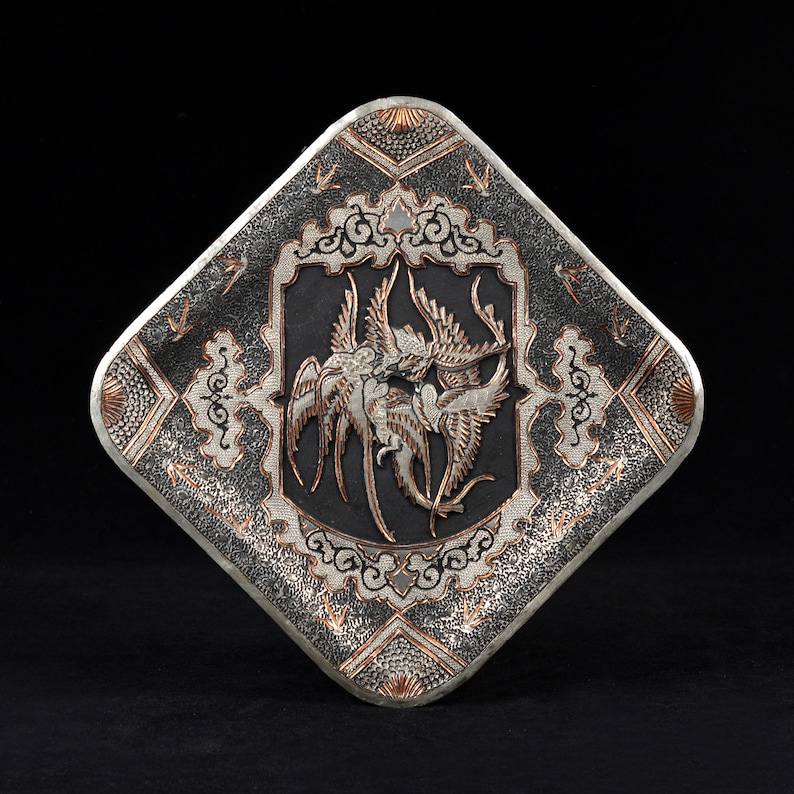
Representative photographs only. Marketplace examples rely on seller descriptions; CraftPersia has not independently authenticated their maker, origin, or rights status. Follow each source link for the listing context.
Craft presence is a qualitative editorial rating (1–5) of how visible each tradition is in the region today, not a measured statistic.
| Tradition | Working method | Evidence to request |
|---|---|---|
| Qalamzani | Engraved or chased metal | Tool marks, substrate and later polish |
| Minakari | Fired enamel on metal | Glaze loss, cracks and metal base |
| Khatam | Sliced geometric veneer | Edges, joins and substrate |
Timeline
- 1598
Shah Abbas I moves the capital to Isfahan.
- 1602–1619
Major construction around Naqsh-e Jahan Square.
- 1979
Square inscribed as a UNESCO World Heritage site.
- 2015
Named World Crafts City.
References and further reading
- [1] UNESCO World Heritage Centre, Meidan Emam, Esfahan. ↗World Heritage listing documents the site, not the production or origin of an individual object.
These sources provide context, not authentication or provenance for an individual object. Editorial interpretations remain under review.