
Origin
Animal hide prepared by tanning; type varies by workshop and object.
Properties
- Flexible
- Abrasion resistant
- Humidity sensitive
Preparation
Tan, cut and stitch pieces according to use.
Care & preservation
Avoid wetting, heat and generic leather dressings on historic objects.
General guidance only. For valuable or fragile pieces, consult a qualified conservator before cleaning or treatment.
Hide, tanning and surface finish
Leather is hide altered through tanning and subsequent preparation. Animal species, tanning system, thickness and finish affect its behaviour, but photographs rarely establish all of them. Grain can be embossed, surfaces coated and modern imitation materials made to resemble leather. Keep a seller's description distinct from identified materials. Hand stitching, a Persian motif or shipping from Iran does not independently document the maker and the complete manufacturing process.
Bindings, footwear and sewn objects
Leather may be a binding cover, a structural strap, a footwear component or a decorated panel. These objects have different supports and use stresses. A giveh can combine a textile upper with several sole materials; a book binding combines leather with paper, boards, sewing and adhesives. Record each component rather than labelling the entire object leather. Tooling, stamping, cutwork and stitching describe different operations and can coexist on one piece.
Condition and repair disclosure
Cracks at folds, loose seams, powdery surfaces, detached linings and replaced straps affect both handling and value. Fresh colouring or a surface coating may hide earlier wear. Request photographs of edges, interiors and high-stress joins without requiring a fragile book to be forced open. A historic binding can be older or younger than the text it covers, so date the binding and manuscript separately when evidence permits.
Care is not routine oiling
Do not apply shoe polish, furniture oil, alcohol cleaner or a generic dressing to collected leather. Such products may darken surfaces, migrate into paper or complicate later treatment. Keep storage clean and sheltered from heat, damp and direct light; support an object's natural shape without stretching it. Isolate suspected mould and seek appropriate advice. Contemporary usable goods should follow the maker's care instructions, not a universal recipe borrowed from historic-object conservation.
Practical questions
- Does hand stitching prove Iranian manufacture? No; maker and origin evidence are separate.
- Should an old binding be oiled? Not as a routine treatment; seek conservation advice.
| Observation | Useful description | Not established |
|---|---|---|
| Stitch holes | Assembly details | Maker nationality |
| Tooled surface | Decorative operation | Animal species |
| Cracked fold | A vulnerable handling area | Precise date |
References and further reading
- [1] H. E. Wulff, The Traditional Crafts of Persia, MIT Press, 1966.Historical process context; not evidence for the origin of an individual object.
- [2] Canadian Conservation Institute — Caring for cultural objects ↗General preventive care; treatment requires assessment of the actual object.
These sources provide context, not authentication or provenance for an individual object. Editorial interpretations remain under review.
Documented material and craft examples
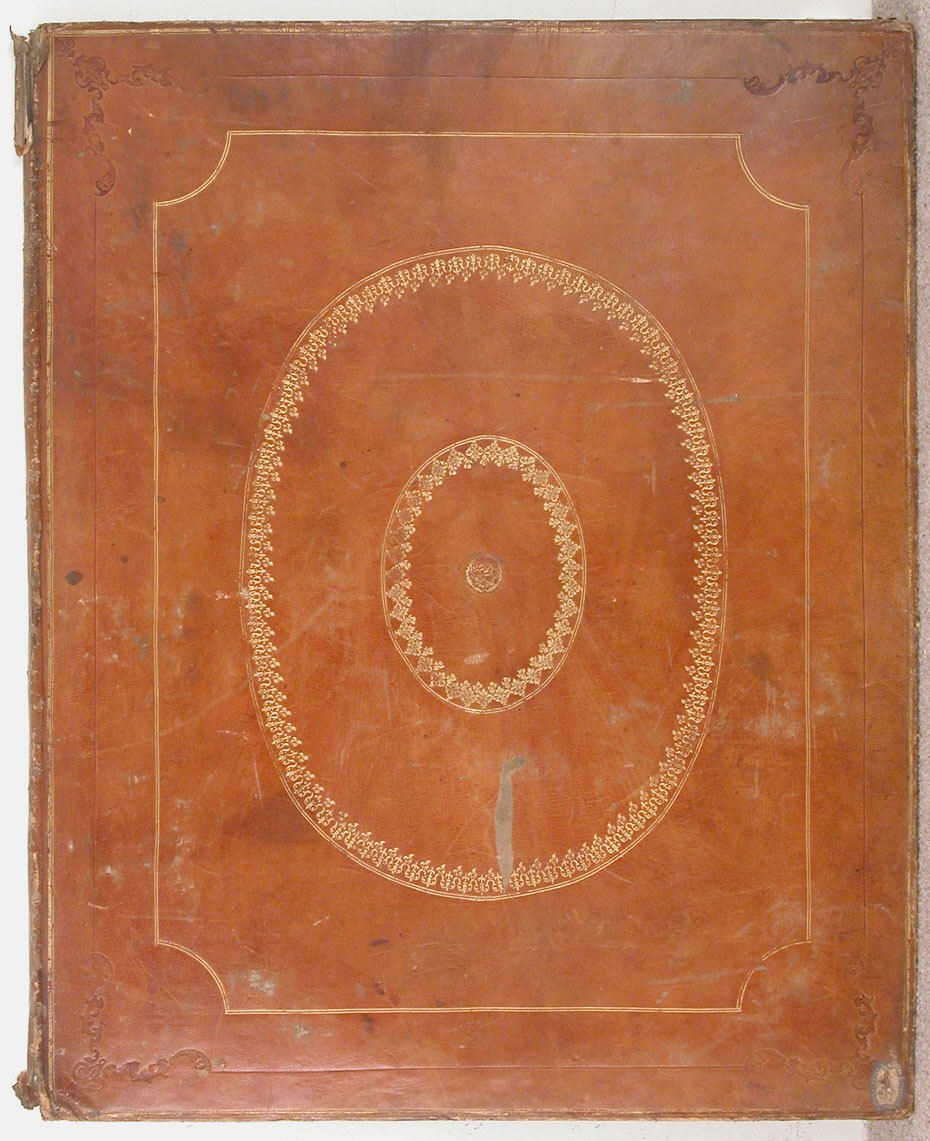
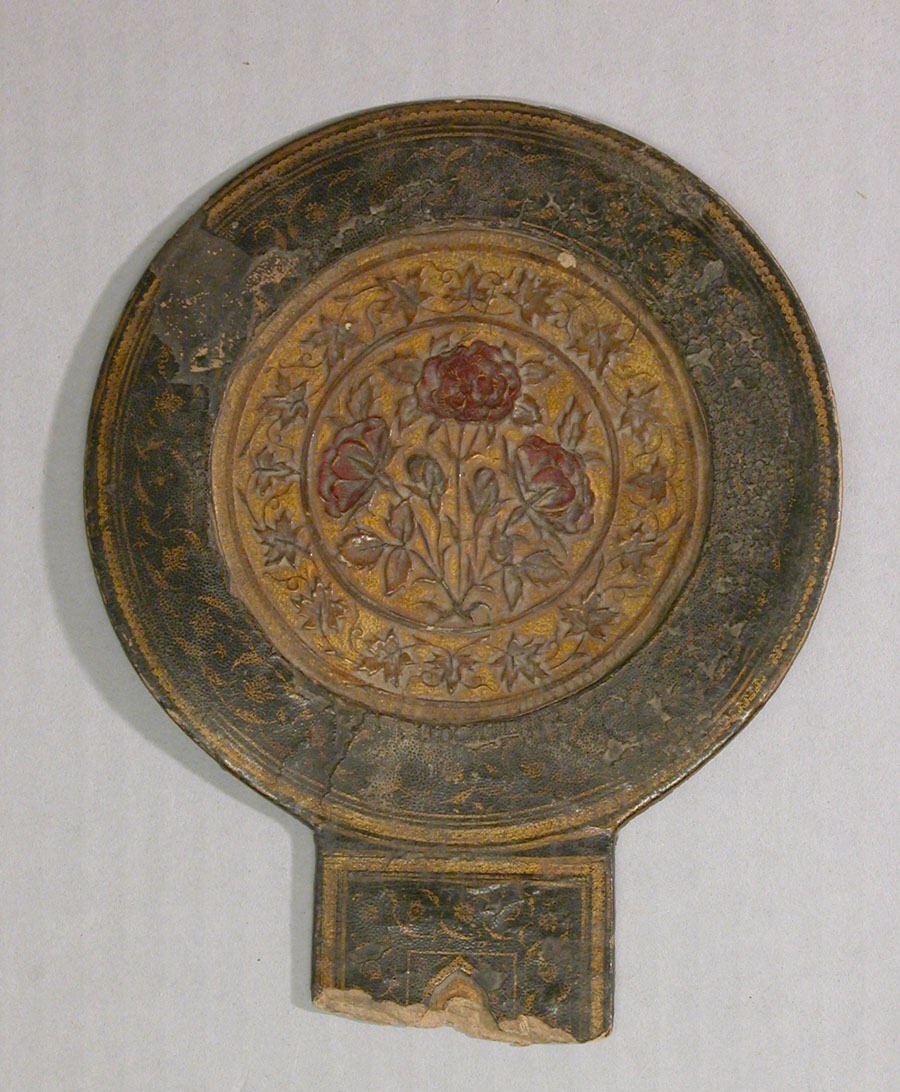
Representative photographs only. Marketplace examples rely on seller descriptions; CraftPersia has not independently authenticated their maker, origin, or rights status. Follow each source link for the listing context.
Used in these crafts
A traditional handmade summer shoe with a cotton-thread woven or crocheted upper and a sole historically made of pressed cotton fabric or leather, produced in a number of Iranian towns known for the craft.
The cutting, stitching, tooling and painting of leather for bags, belts, bookcovers, saddlery and small goods.
The hand binding of manuscripts and books with leather or lacquer covers, often with a flap (lisan) and stamped, cut or gilded decoration.