
Kerman province
Kerman
کرمانTermeh weaving, pateh embroidery and a distinctive soft-palette carpet tradition.
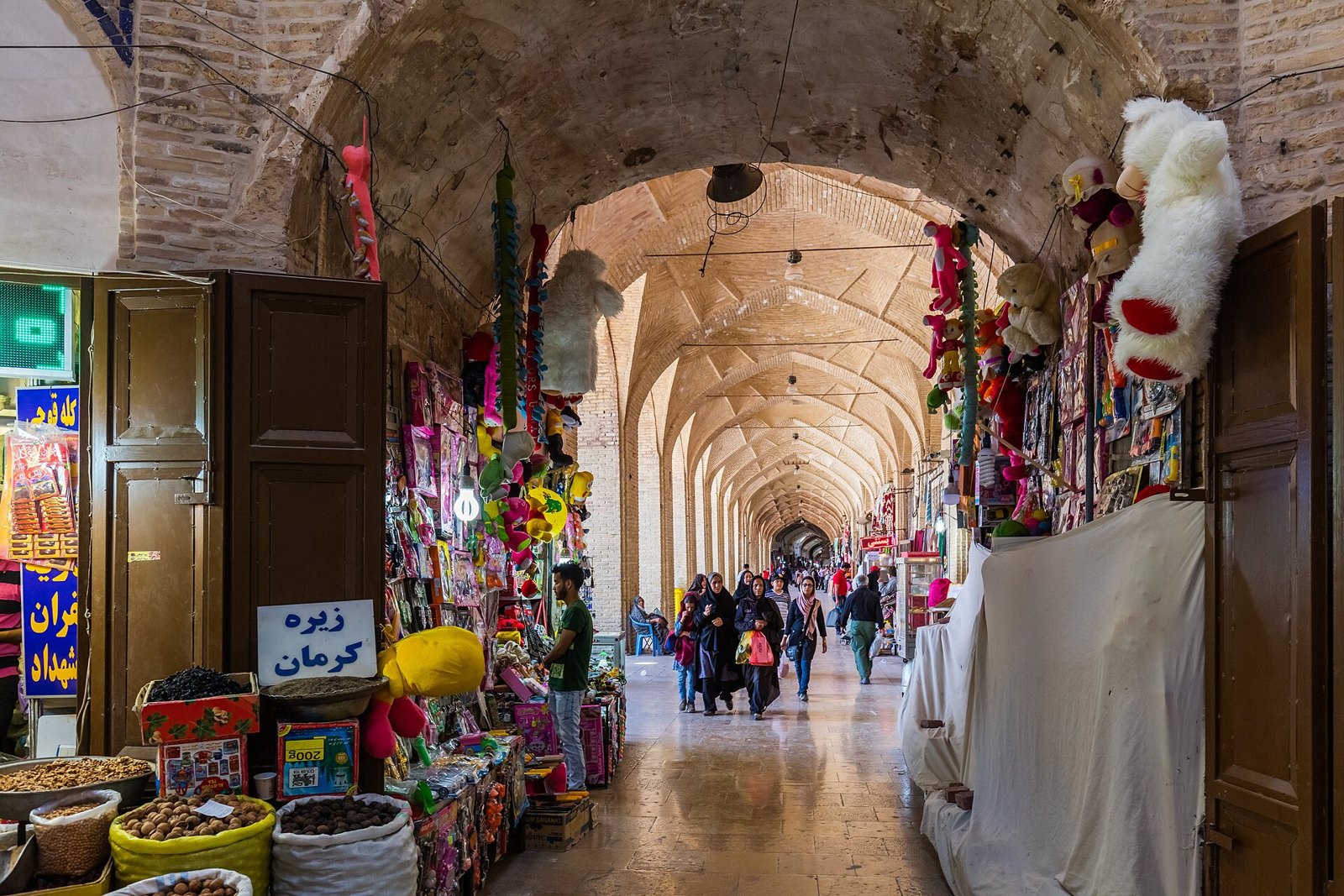
2016-09-22 · Diego Delso · CC BY-SA 4.0 · Photo source ↗
Geography
A desert-edge province of oases and long trade approaches to the south-east.
Historical background
Long associated with fine wool and with export weaving; termeh production is documented here over several centuries.
Major crafts
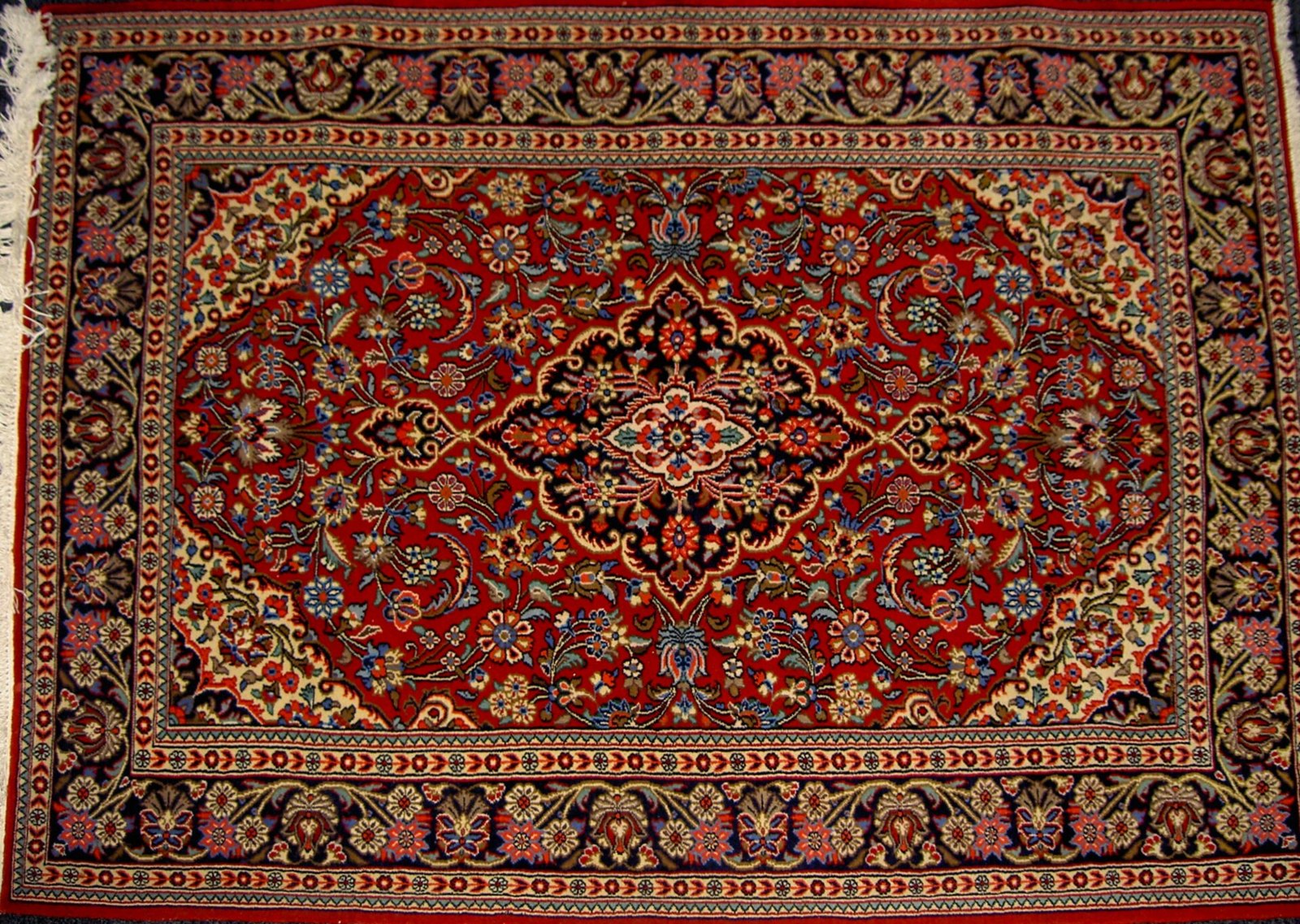 Persian carpetTextilesLiving tradition
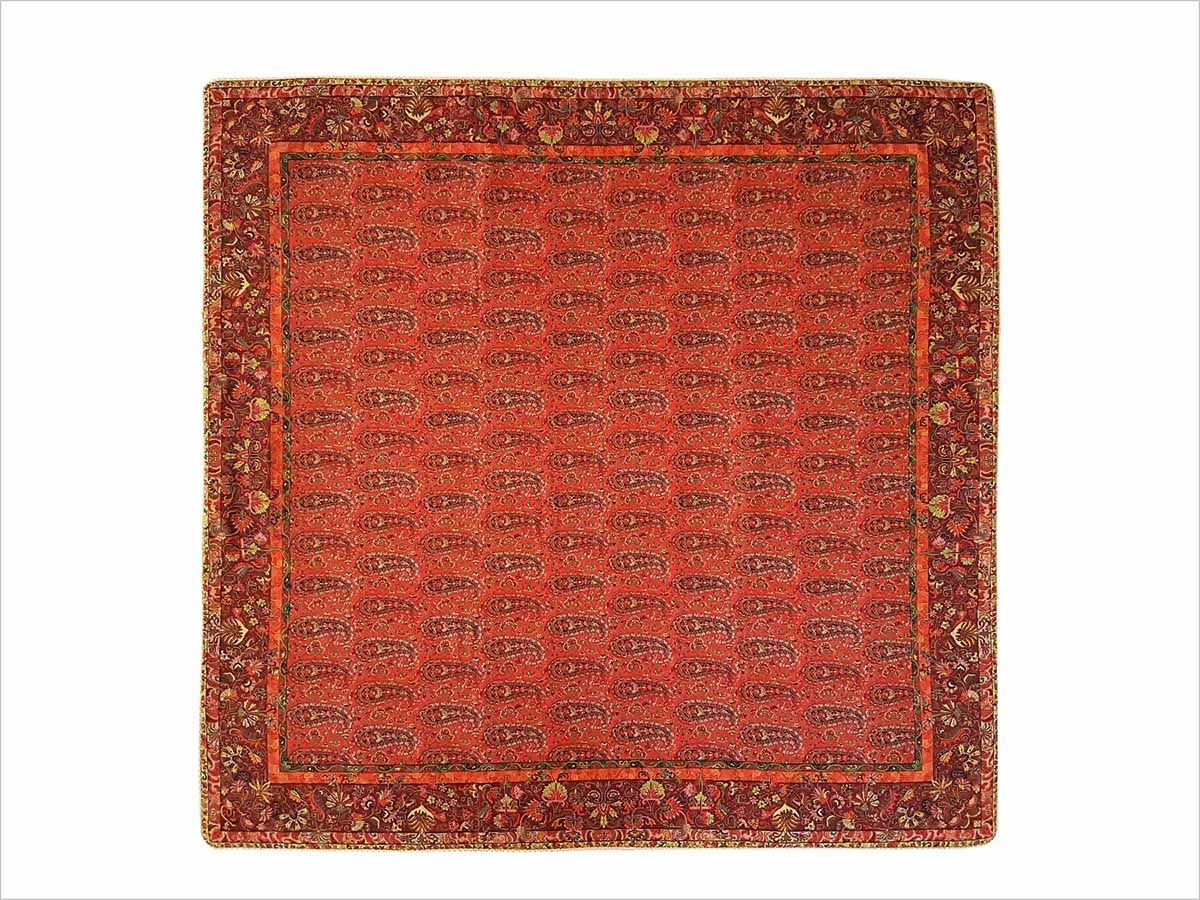 TermehTextilesAt risk
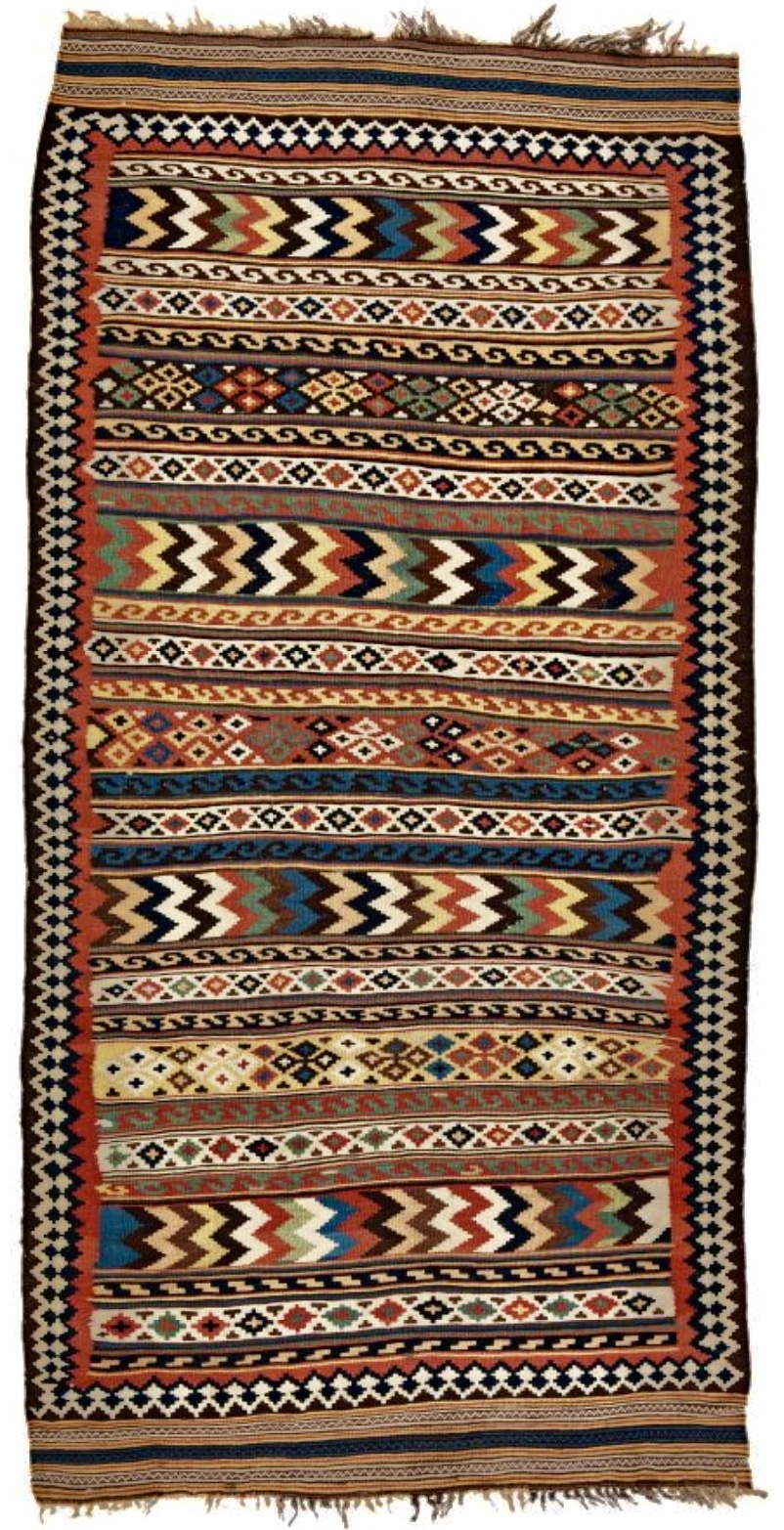 Kilim (Gelim)TextilesLiving tradition
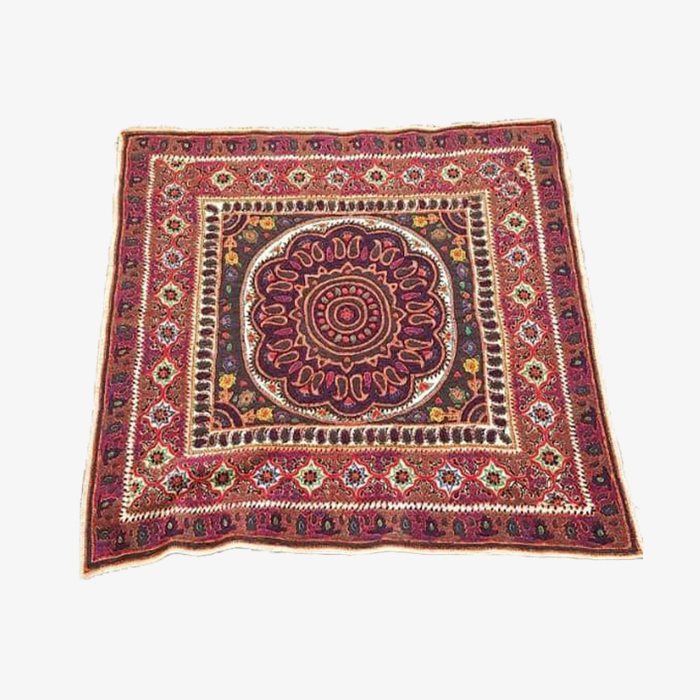 Pateh embroidery (Kerman)TextilesAt risk
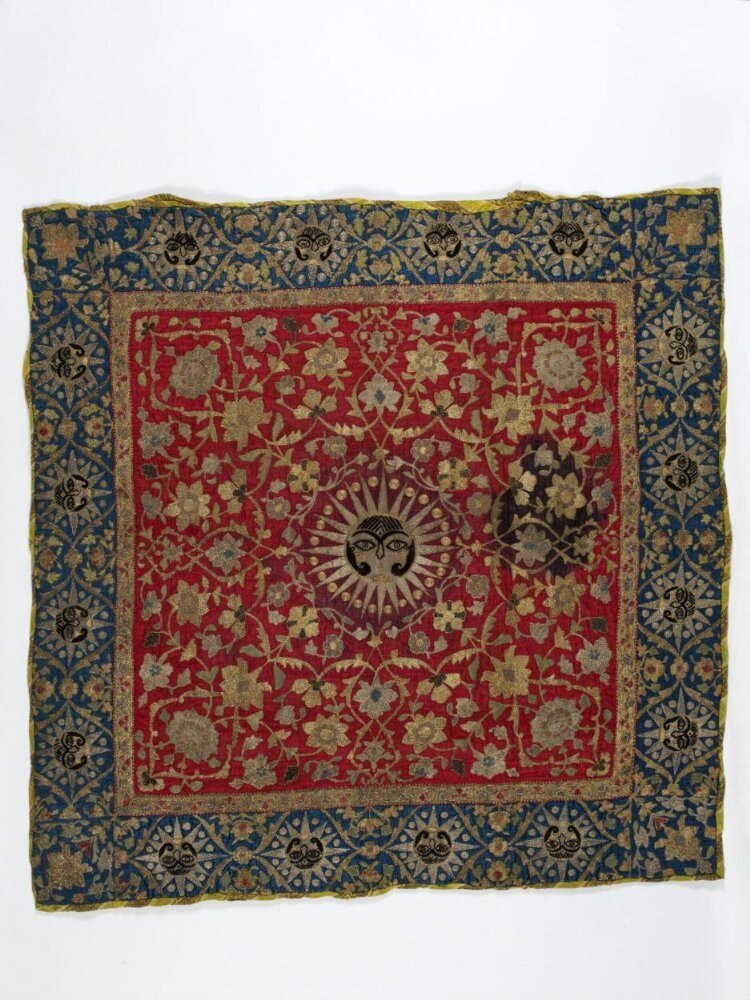 Sermeh-duziTextilesAt risk
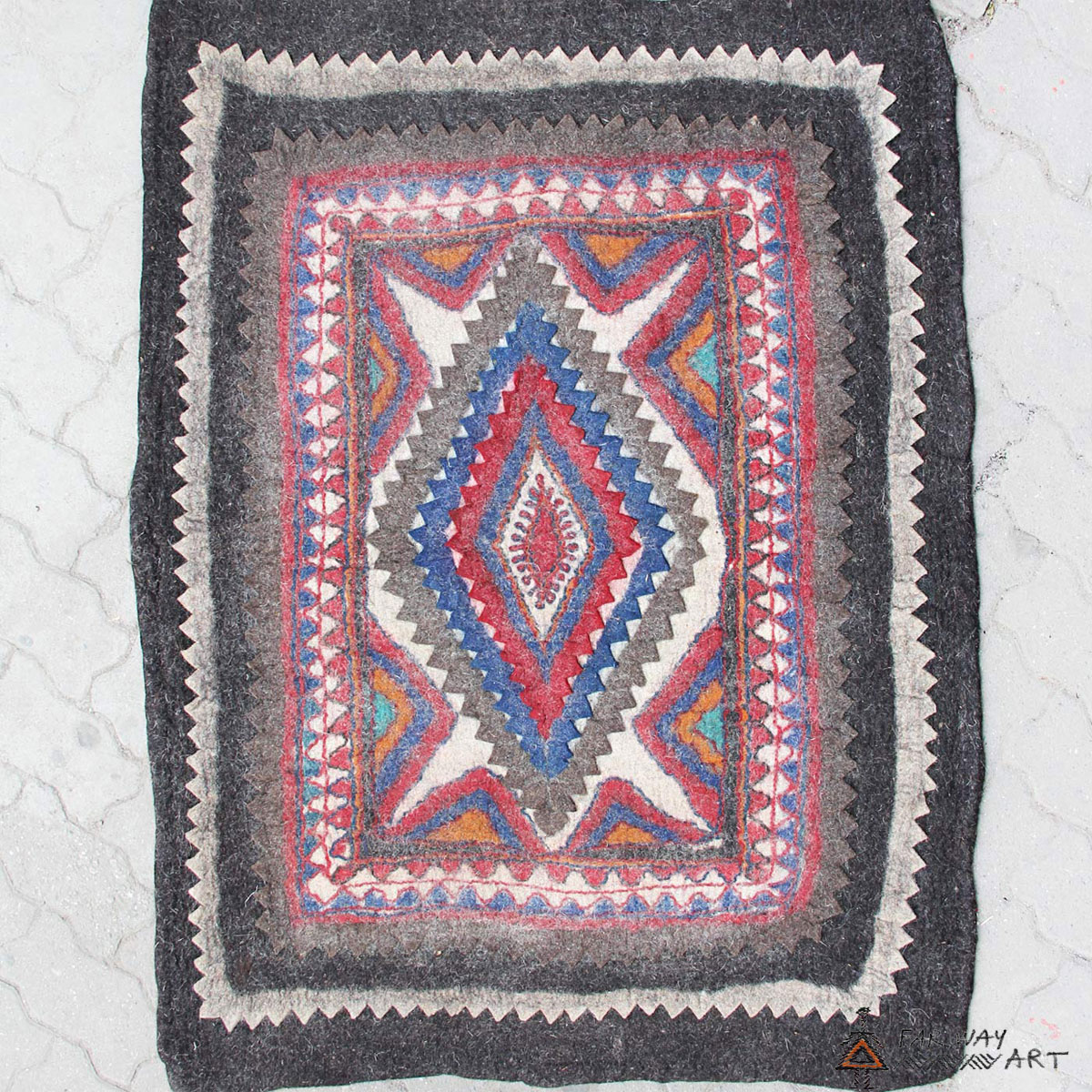 Namad feltTextilesAt risk
 Giveh footwearTextilesLiving tradition
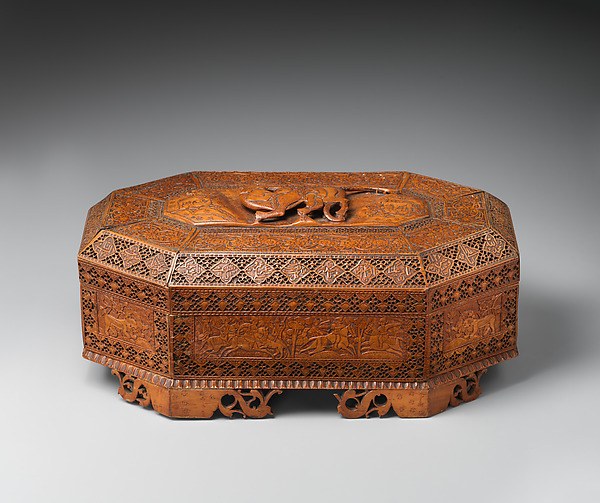 Wood carving (Monabbat)WoodworkAt risk
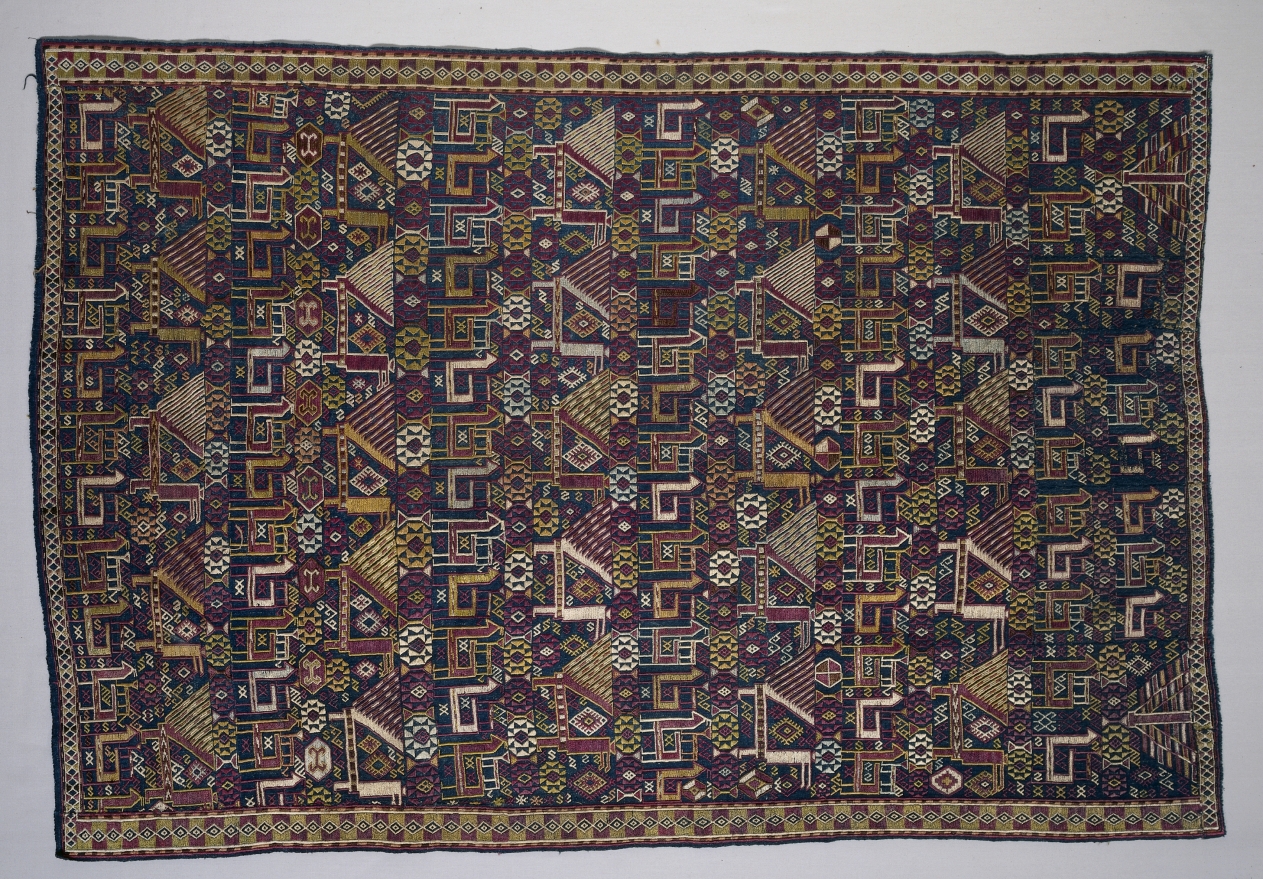 Needlework embroidery (Suzan-duzi)TextilesAt risk
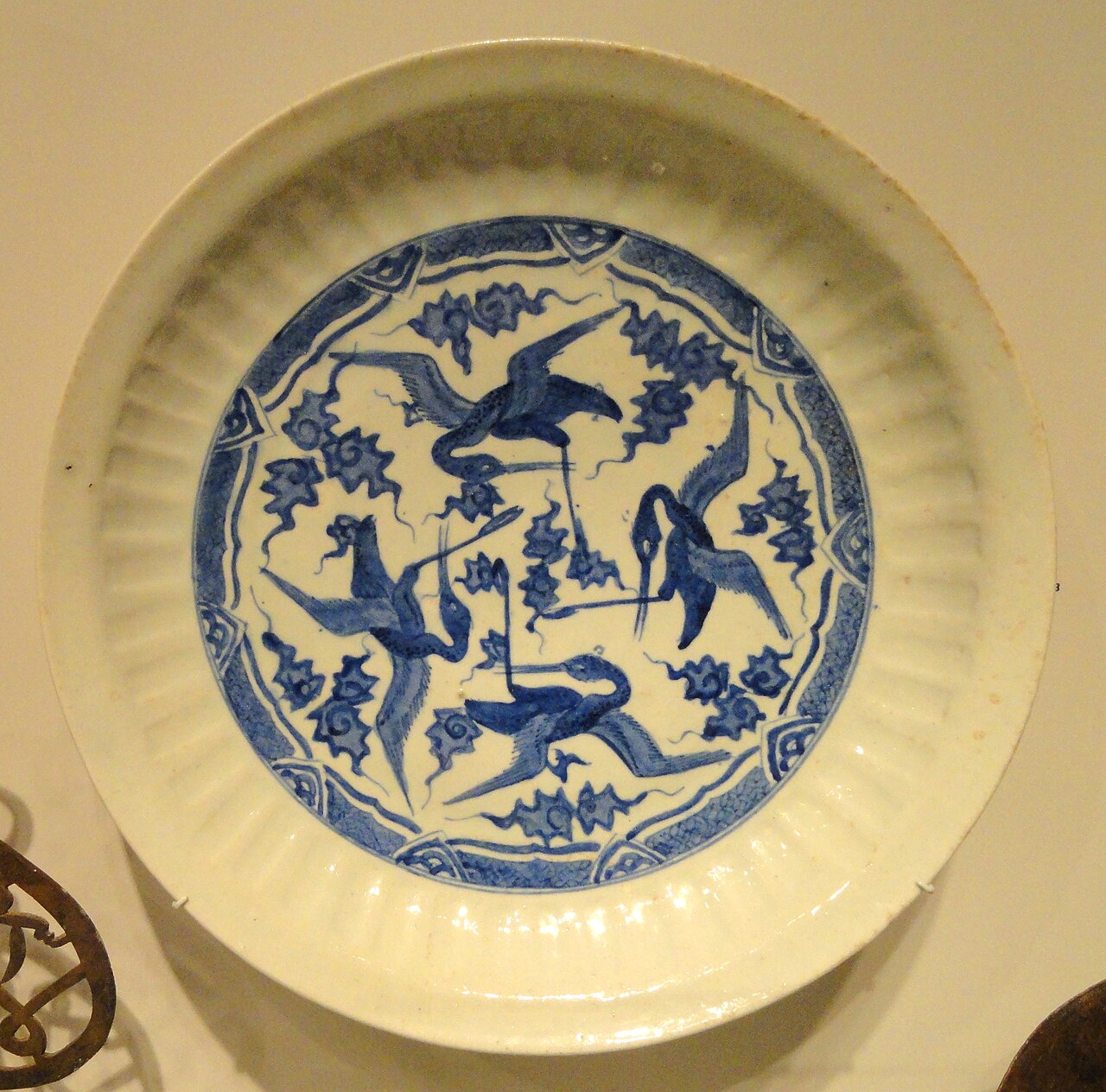 Blue-and-white ceramicsCeramicsLiving tradition
Objects from this region
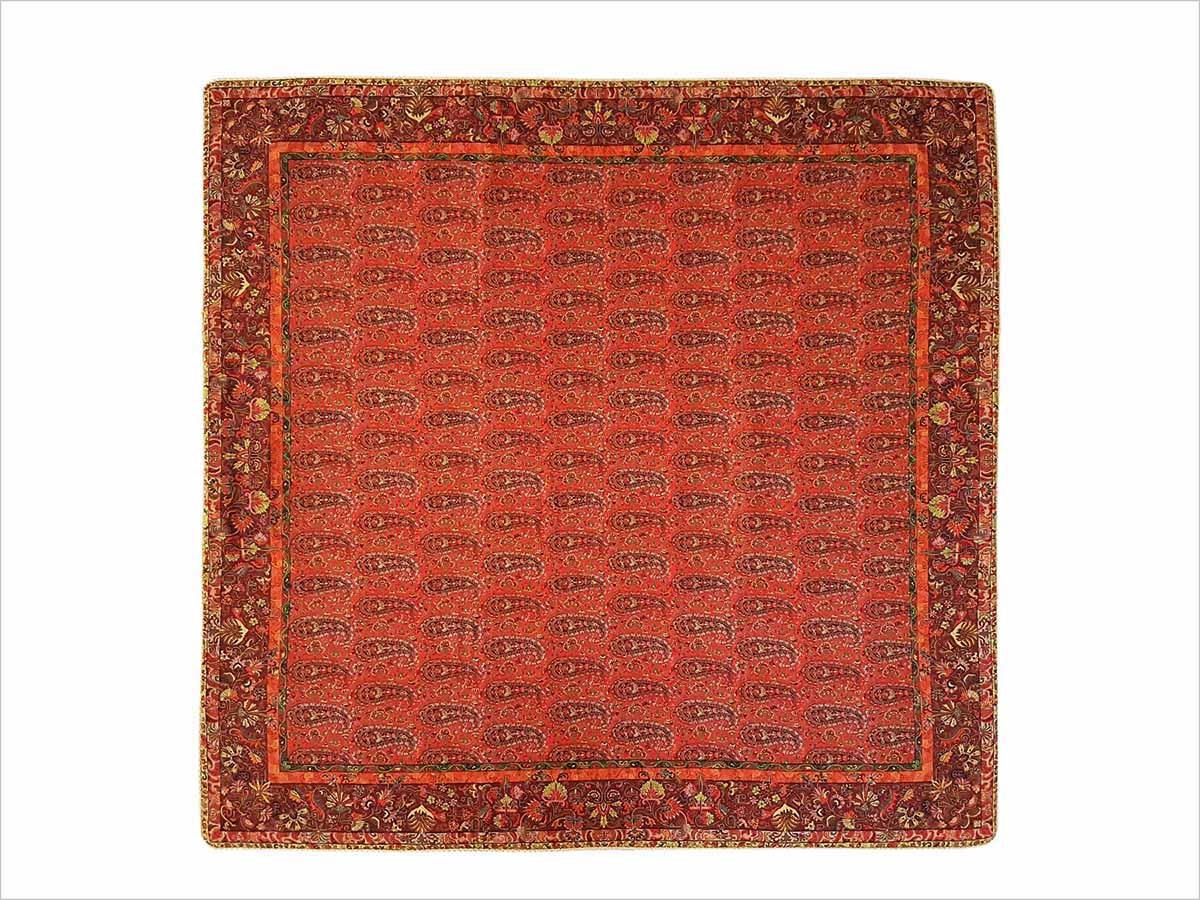
Cultural tourism
Markets and craft destinations documented here can be visited. Workshop access usually depends on the artisan; where a workshop receives visitors, that is noted on their profile.
- Province
- Kerman
- Signature crafts
- Carpets, pateh embroidery, termeh (historic)
- Landmark
- Ganjali Khan Complex
- Climate
- Arid highland
Carpets and embroidery
Kerman carpets are known for floral designs and, in many periods, softer palettes aimed at export markets. The city also has a distinctive embroidery tradition, pateh, worked in wool on a woven ground.
The surrounding province includes Rafsanjan, Sirjan and Bam, each with its own crafts and markets.
- Kerman carpets
- Pateh embroidery
- Shawl weaving (historic)
- Copper and metalwork
- Kilim and sirjan weaving
- Ceramics
Working traditions and technique
Kerman's carpet weaving and pateh embroidery use different structures: a rug's pattern is built into knotted pile, while pateh's stitches embellish a woven cloth. Documentary evidence for an individual workshop or embroidery maker must be gathered independently.
A sales label 'Kerman' may refer to design, trade or place of making. Inspect backs and repair areas rather than attributing by floral palette or embroidered motif.
Visiting, collecting and documenting
Ask for maker, material, date and repair history in writing. For embroideries, inspect the reverse and any later mounting; for carpets, compare the two ends and the foundation.
Observe working methods with permission; do not treat a market label, regional motif or heritage listing as evidence of the maker of an individual object.
Crafts of Kerman in photographs
Representative photographs only. Marketplace examples rely on seller descriptions; CraftPersia has not independently authenticated their maker, origin, or rights status. Follow each source link for the listing context.
Craft presence is a qualitative editorial rating (1–5) of how visible each tradition is in the region today, not a measured statistic.
| Tradition | Working method | Evidence to request |
|---|---|---|
| Carpet | Knotted wool pile | Foundation and repair areas |
| Pateh | Wool embroidery on woven ground | Reverse stitching and backing |
Timeline
- Preparation
Fibre, dyes and ground are prepared in separate processes.
- Making
Weaving and embroidery each follow their own sequence.
- After use
Repairs, mounting and trade can obscure the original setting; document them separately.
References and further reading
- [1] H. E. Wulff, The Traditional Crafts of Persia, MIT Press, 1966.General historical craft reference, not evidence for a particular Kerman object.
These sources provide context, not authentication or provenance for an individual object. Editorial interpretations remain under review.