
Fars province
Shiraz
شیرازInlay and bookbinding alongside the tribal weaving traditions of the surrounding Qashqai and Khamseh territories.
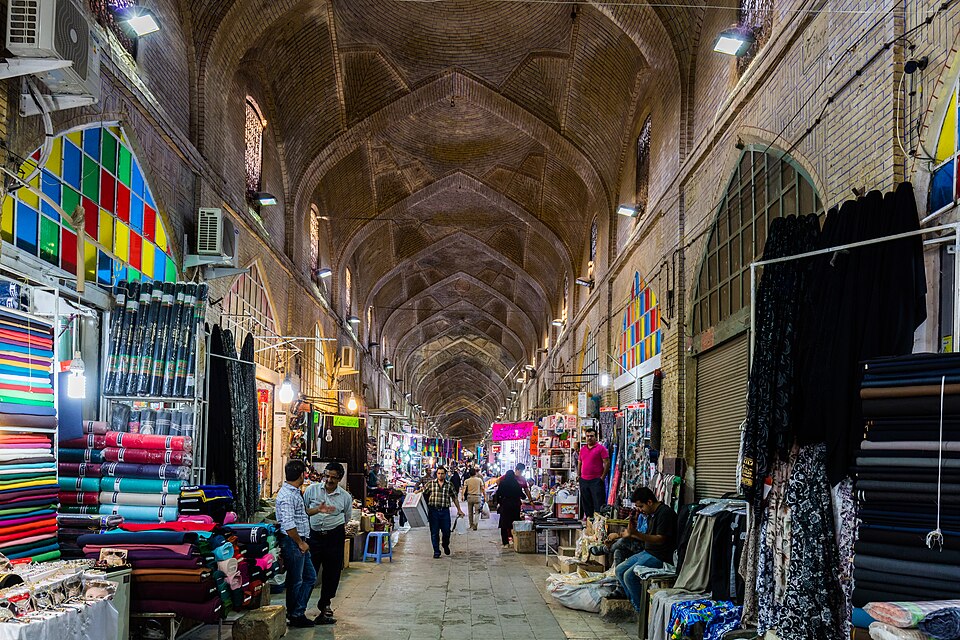
2016-09-24 · Diego Delso · CC BY-SA 4.0 · Photo source ↗
Geography
A garden city in a mountain basin, surrounded by pastoral highlands used for seasonal migration.
Historical background
A centre of manuscript production from the Timurid period; the nearby pastoral confederations supplied rugs and flatweaves to its bazaar.
Major crafts
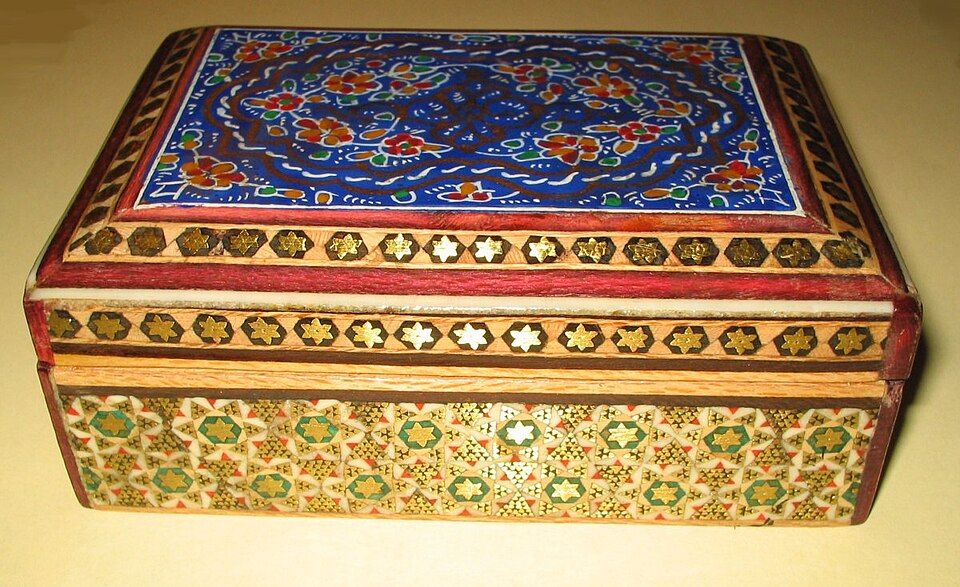 KhatamkariWoodworkEndangered
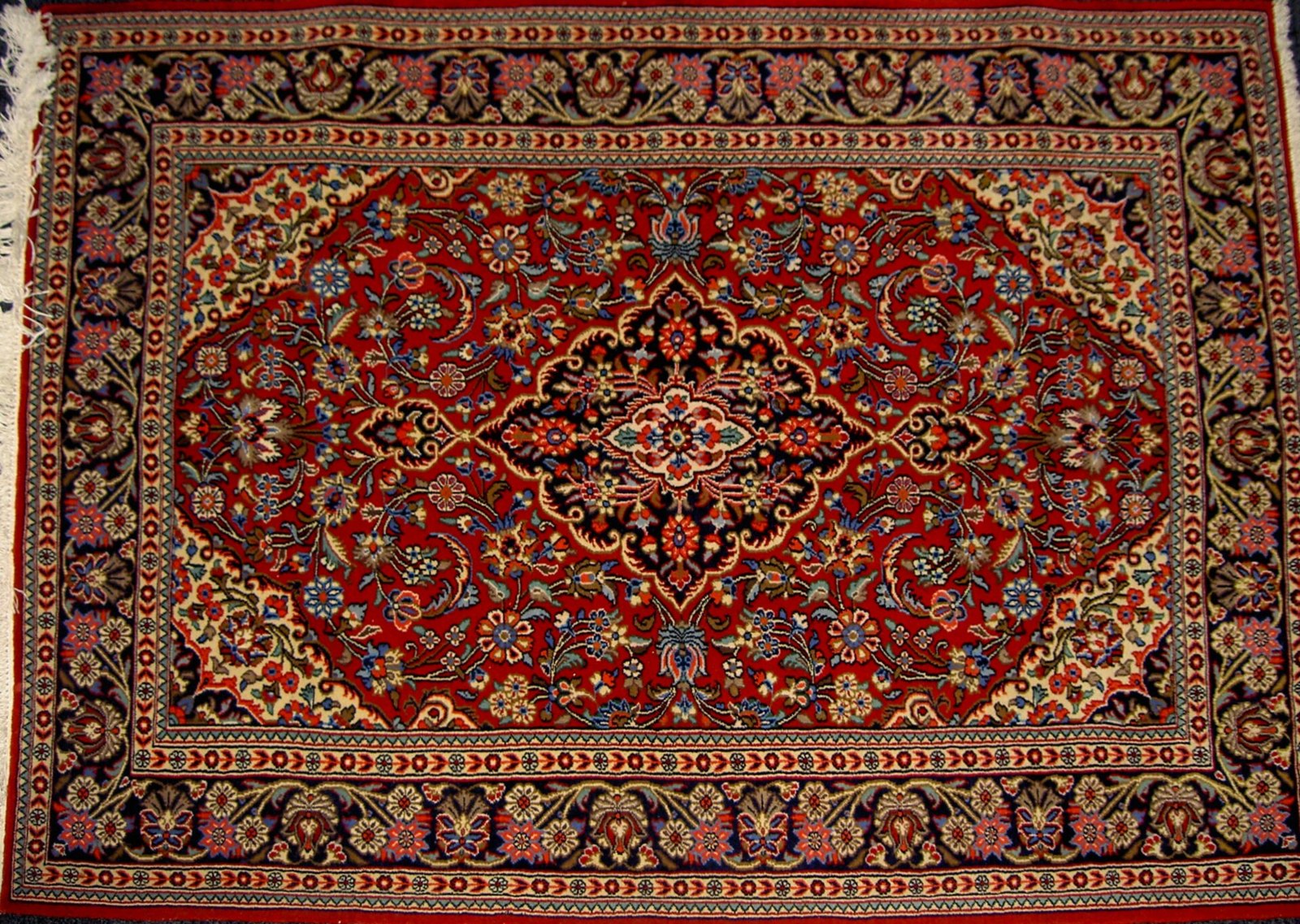 Persian carpetTextilesLiving tradition
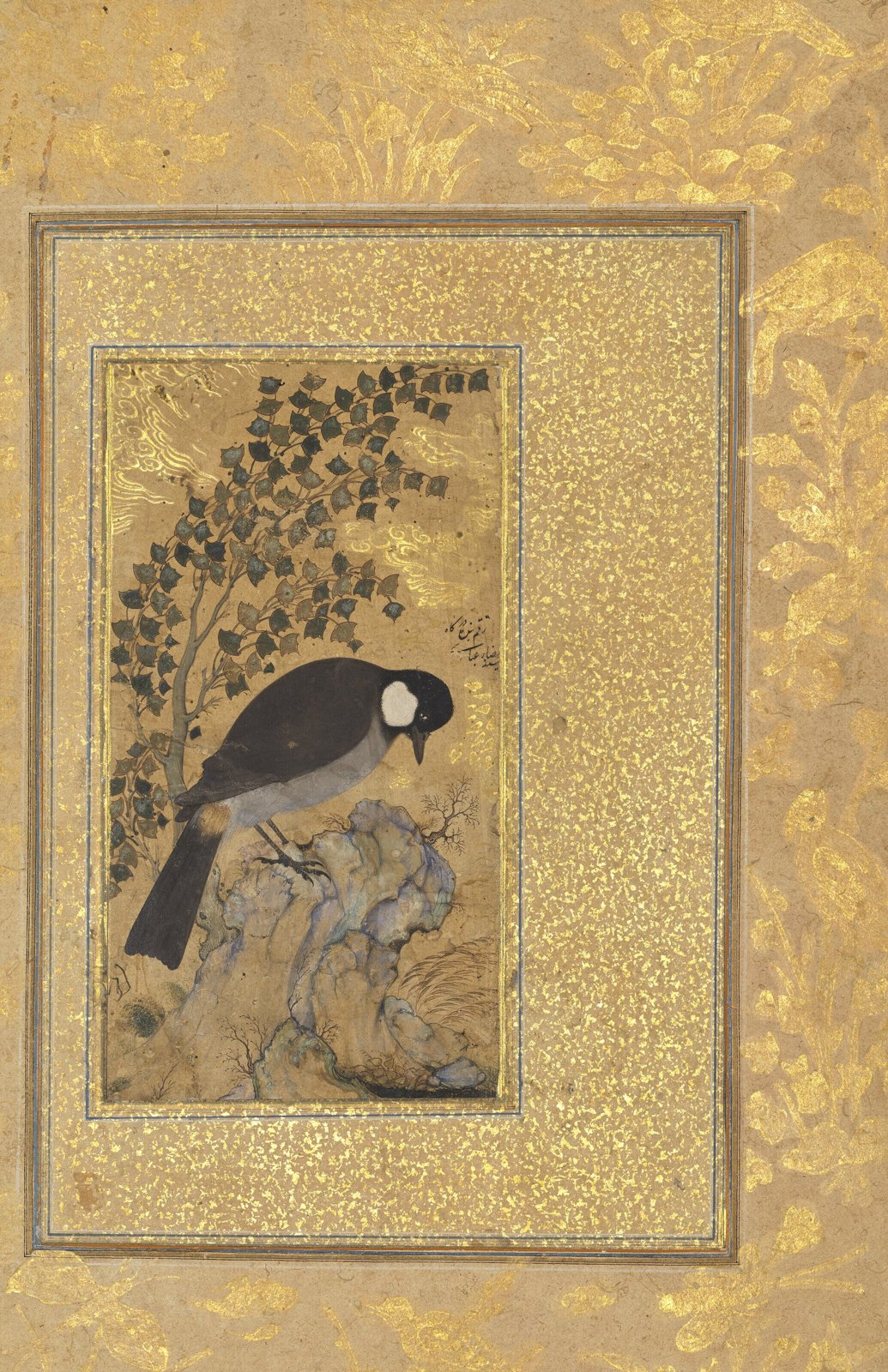 Persian miniaturePaintingLiving tradition
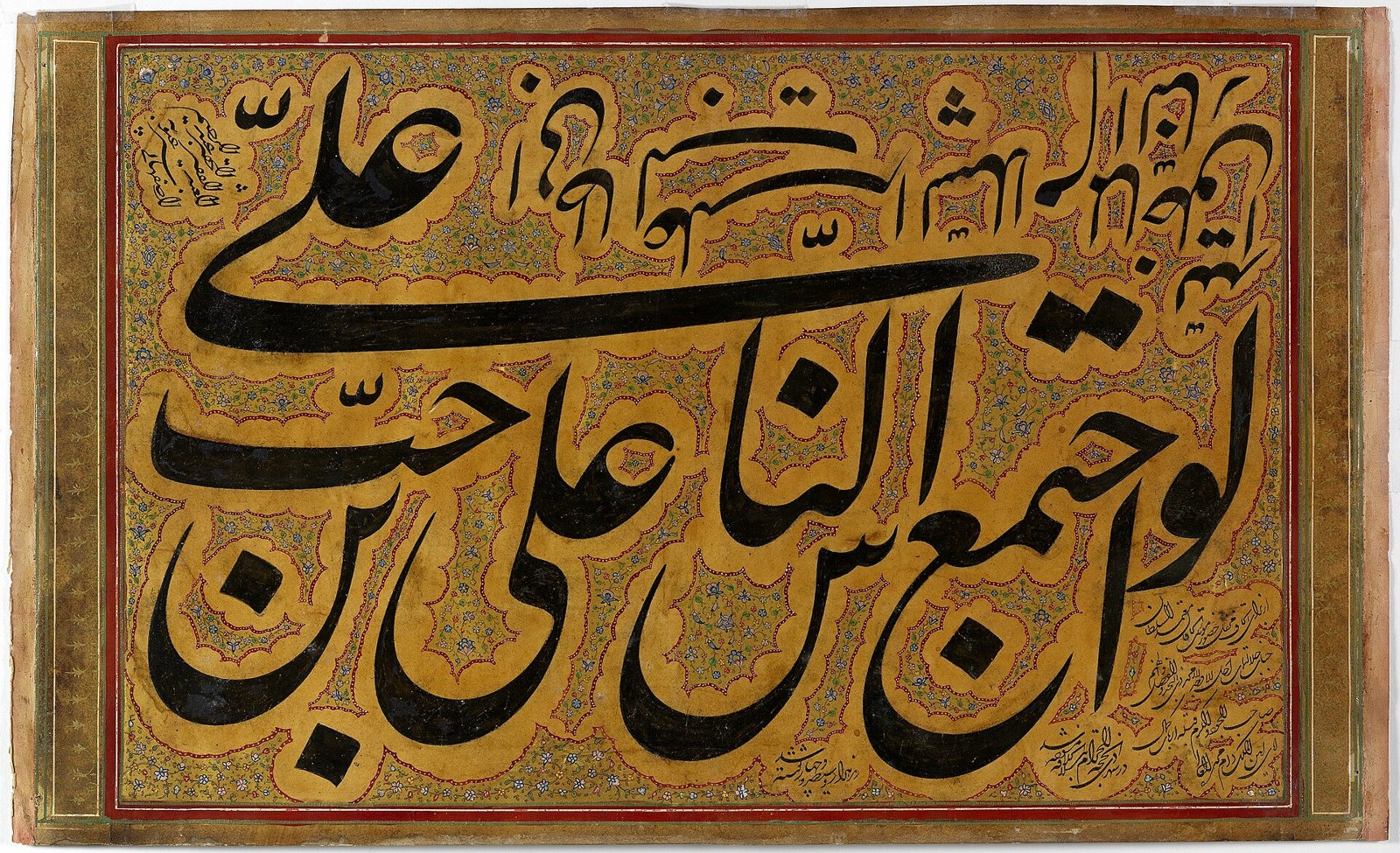 Nasta'liq calligraphyCalligraphyLiving tradition
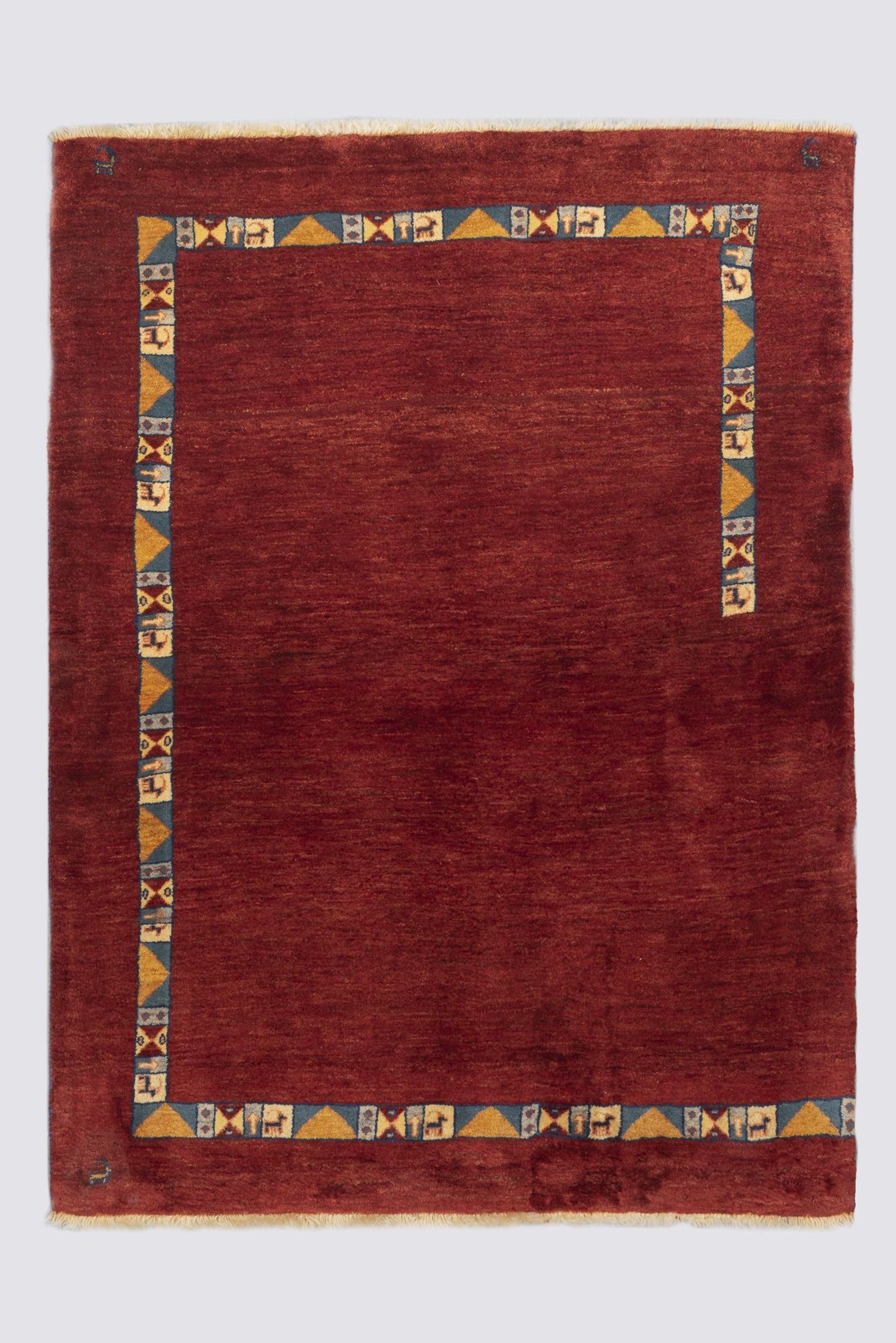 GabbehTextilesLiving tradition
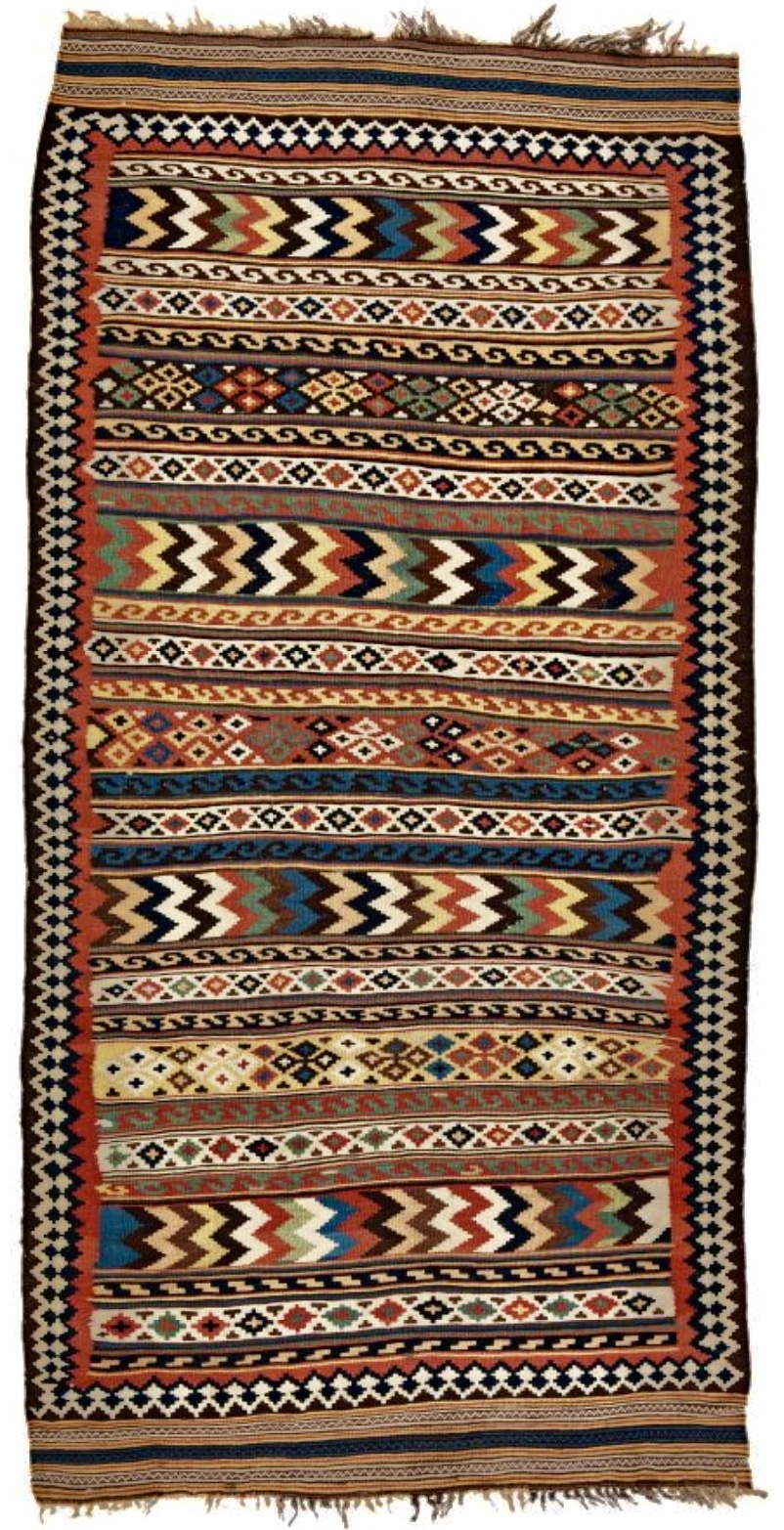 Kilim (Gelim)TextilesLiving tradition
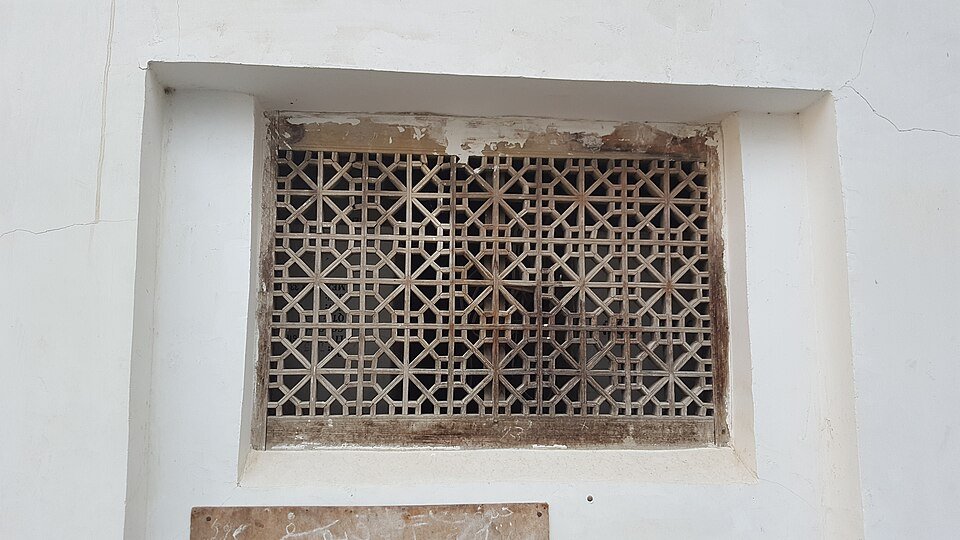 Gereh-chini latticeWoodworkAt risk
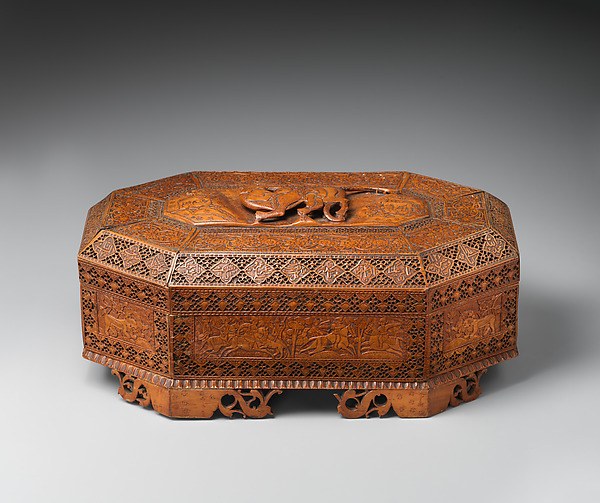 Wood carving (Monabbat)WoodworkAt risk
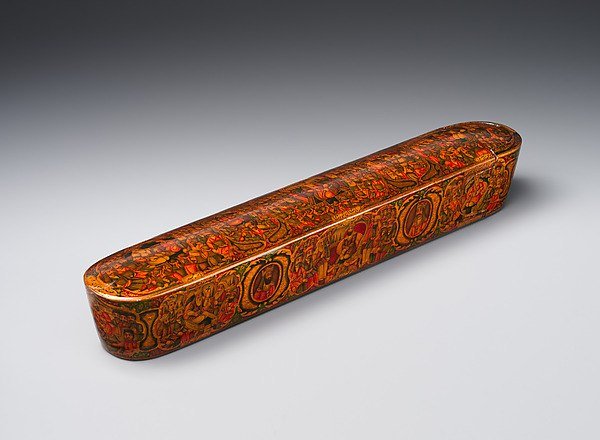 Persian lacquer paintingPaintingAt risk
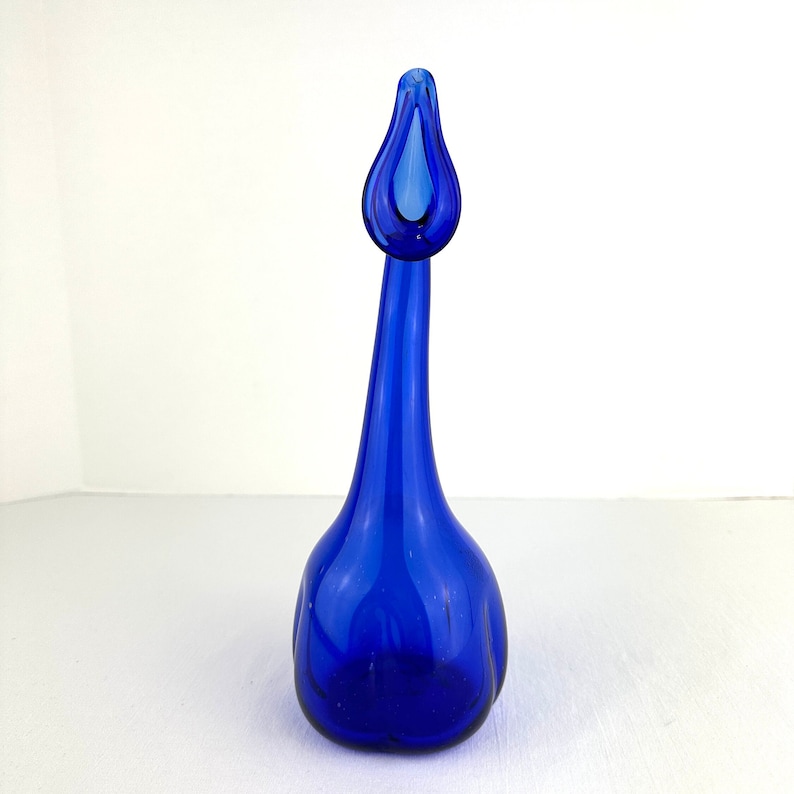
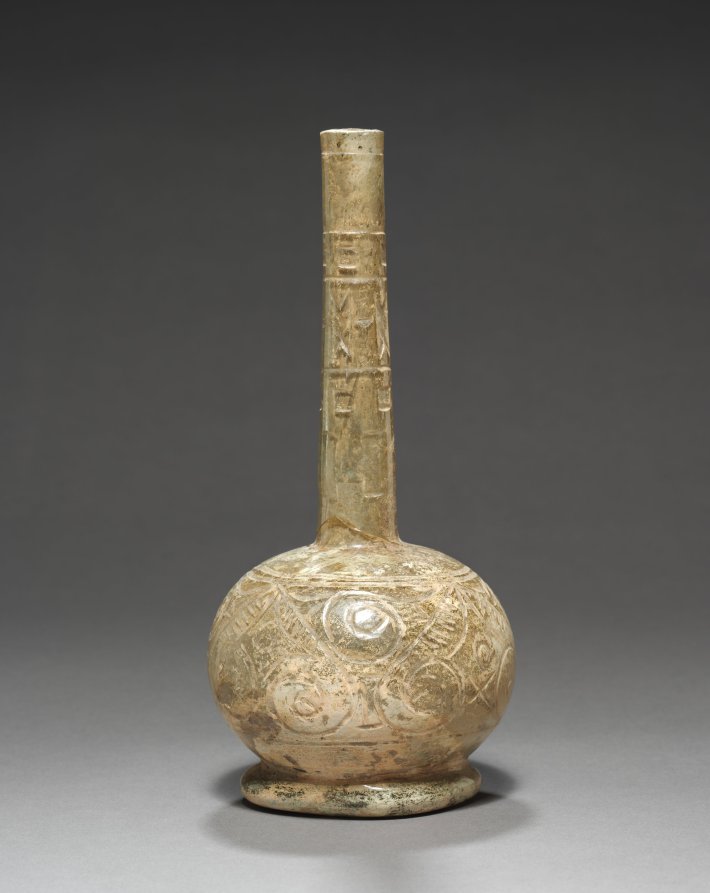 GlassmakingGlassAt risk
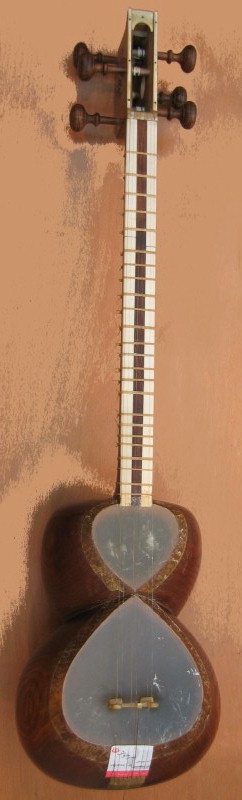 Instrument making (Saz-sazi)Musical instrumentsLiving tradition
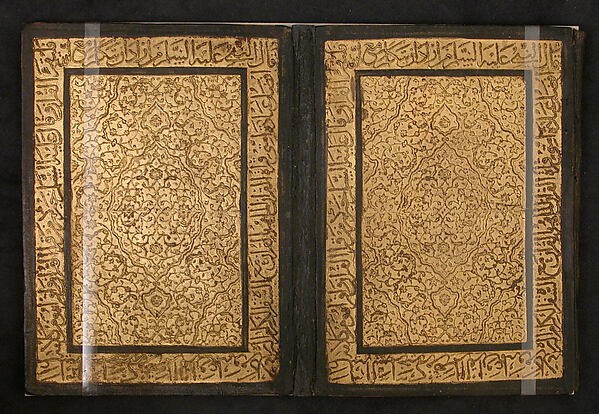 Traditional bookbinding (Sahhafi)Book artsEndangered
Objects from this region
Cultural tourism
Markets and craft destinations documented here can be visited. Workshop access usually depends on the artisan; where a workshop receives visitors, that is noted on their profile.
- Province
- Fars
- Signature crafts
- Khatam, tribal weaving, inlay, mosaic tile
- Nearby
- Persepolis, Qashqai migration routes
- Markets
- Vakil Bazaar
City and tribes
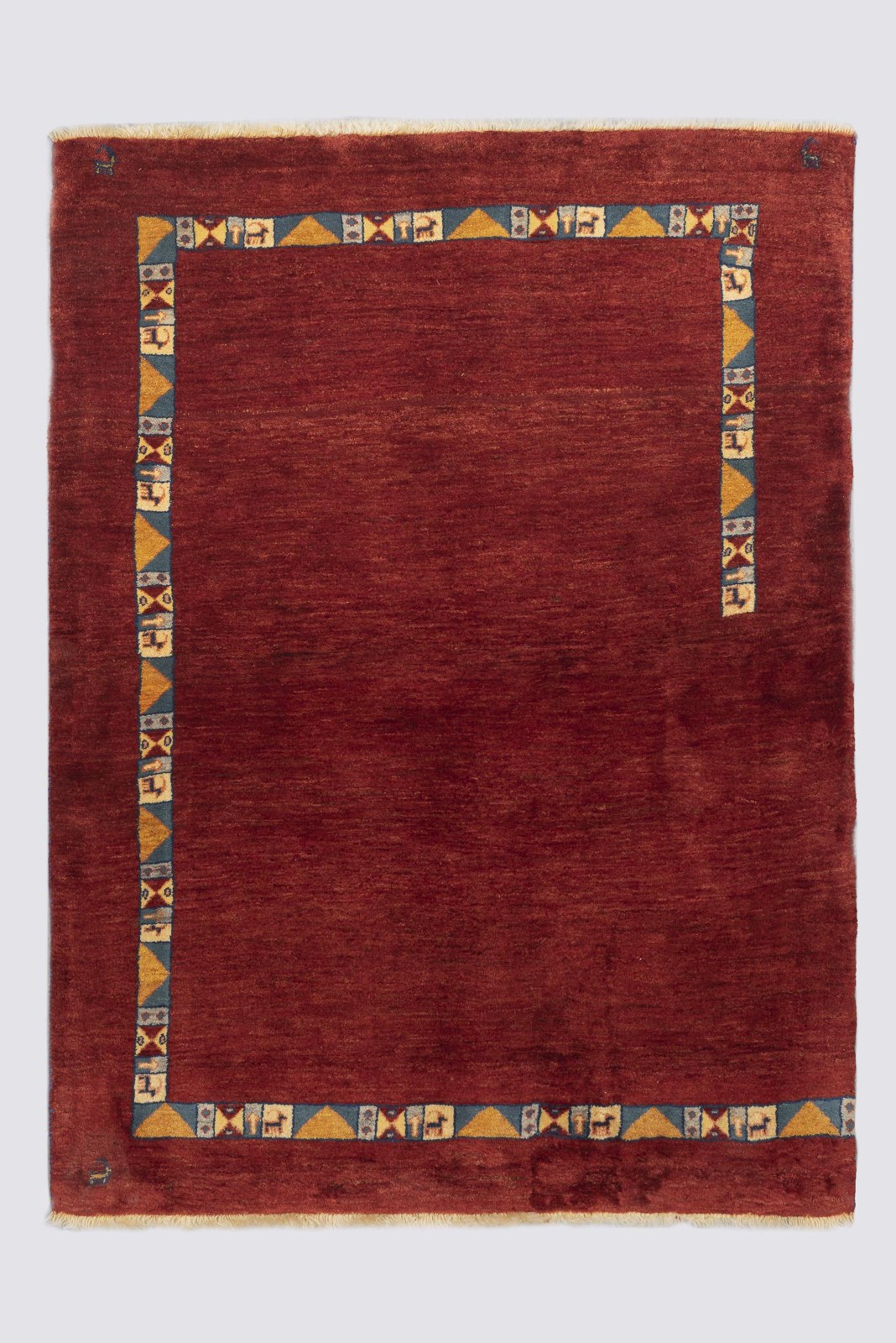
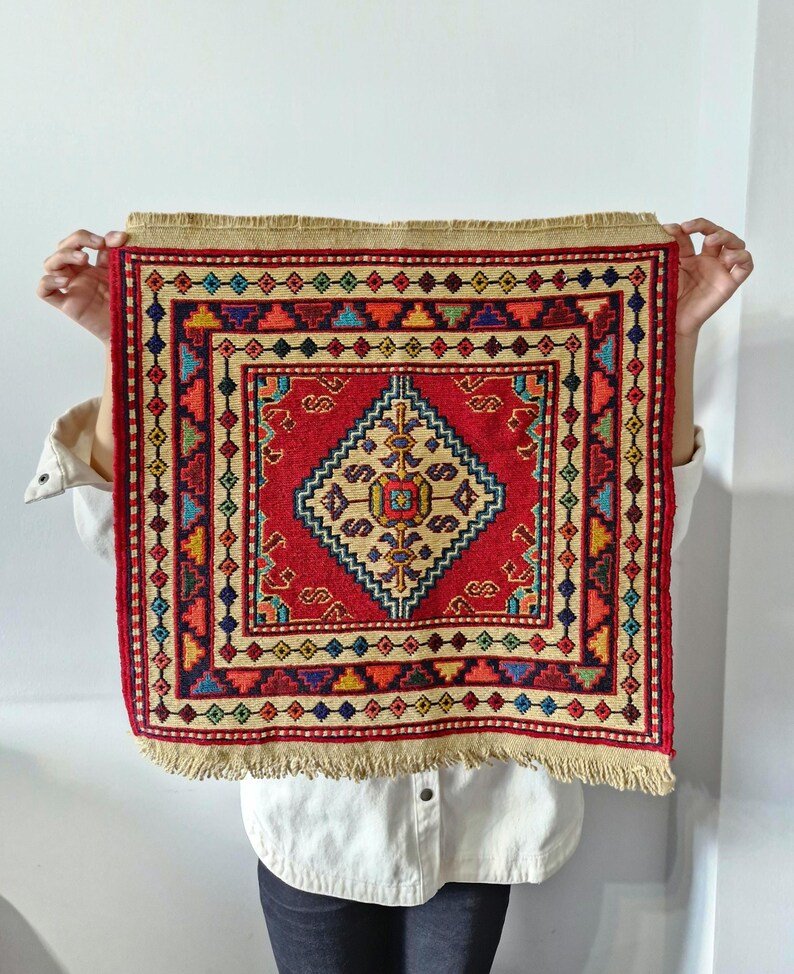
Shiraz combines an urban workshop tradition with the pastoral weaving of Fars province. Qashqai and Khamseh groups have long brought rugs, gabbeh, kilims and bags to the city's markets.
Khatam workshops in Shiraz are among the best known in the country, and the Vakil Bazaar, built in the Zand period, remains a busy trading place.
- Khatam inlay
- Gabbeh
- Qashqai kilim and rugs
- Mosaic tile
- Metal inlay
- Woven bags and saddle covers
Working traditions and technique
Shiraz trades in both city-made work and textiles from Fars communities. Knotting, flatweaving and inlay use different materials and production settings; a bazaar location does not establish the origin of an object.
A gabbeh has knotted pile; a kilim is typically pileless and weft-faced. Khatam, also associated with Shiraz, builds geometric veneer from assembled rods rather than weaving yarn.
Visiting, collecting and documenting
Record whether a woven piece comes with a maker or household account, photographs of the reverse and an explanation of the claimed Fars origin. Ask before visiting a private workshop or photographing makers.
Observe working methods with permission; do not treat a market label, regional motif or heritage listing as evidence of the maker of an individual object.
Crafts of Shiraz in photographs
Representative photographs only. Marketplace examples rely on seller descriptions; CraftPersia has not independently authenticated their maker, origin, or rights status. Follow each source link for the listing context.
Craft presence is a qualitative editorial rating (1–5) of how visible each tradition is in the region today, not a measured statistic.
| Tradition | Working method | Evidence to request |
|---|---|---|
| Gabbeh | Knotted wool pile | Reverse, pile and repaired ends |
| Kilim | Weft-faced flatweave | Colour junctions and selvedges |
| Khatam | Composite inlay | Corners and actual material layers |
Timeline
- 1750–1779
Karim Khan Zand makes Shiraz his capital; Vakil Bazaar built.
- 2010
Fars carpet weaving inscribed by UNESCO.
References and further reading
These sources provide context, not authentication or provenance for an individual object. Editorial interpretations remain under review.