
East Azerbaijan province
Tabriz
تبریزThe most technically ambitious carpet-weaving city in Iran, with a long tradition of workshop-drawn designs.
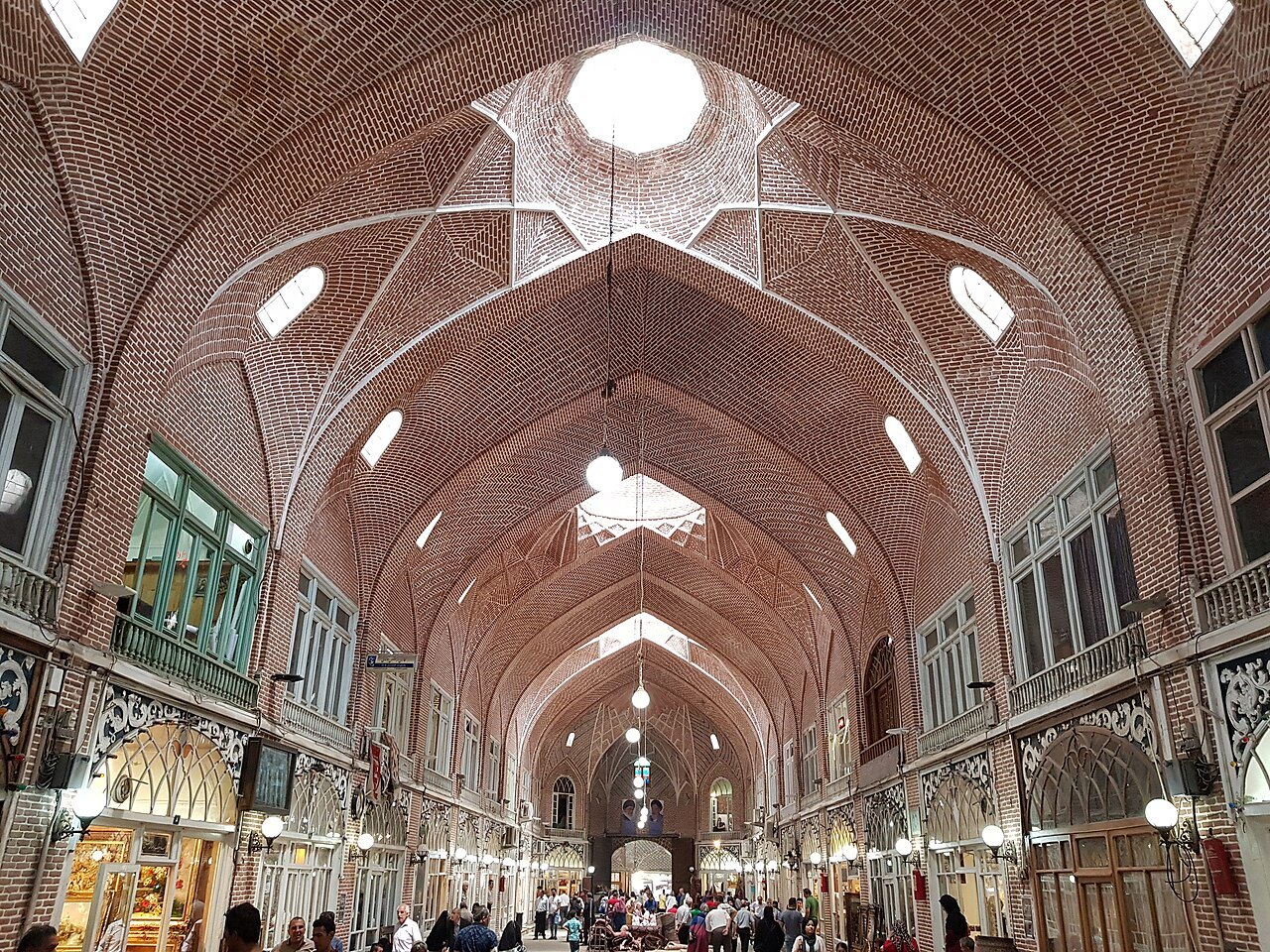
Tabriz bazaar interior; accessed 2026-09-30 · MoradiMajid · CC BY-SA 4.0 (Wikimedia Commons; JPG re-encoded) · Photo source ↗
Geography
A north-western city on historic routes between Anatolia, the Caucasus and the Iranian plateau.
Historical background
Ilkhanid capital and a repeated centre of design innovation; its weavers developed the drawn-cartoon workshop model.
Major crafts
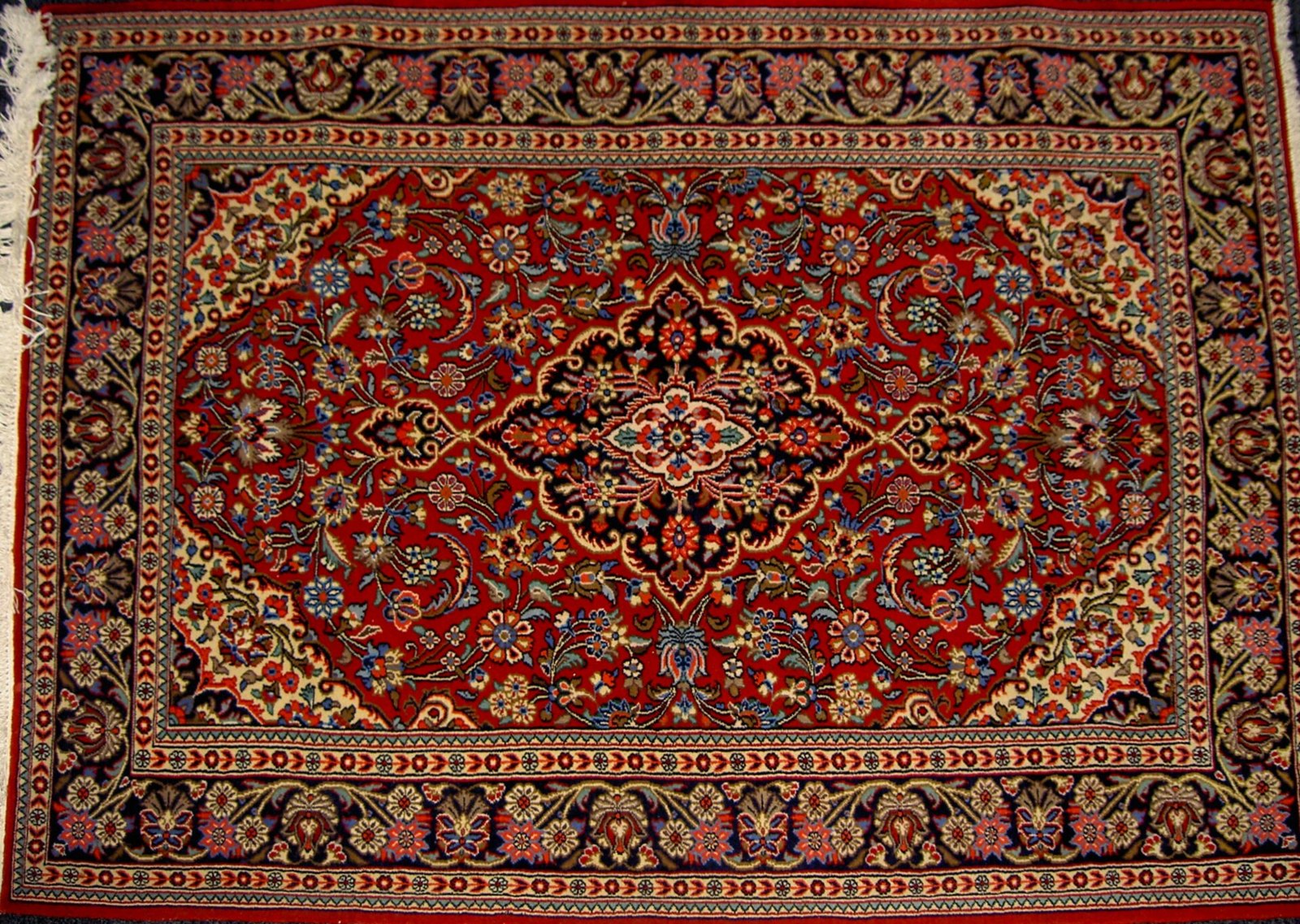 Persian carpetTextilesLiving tradition
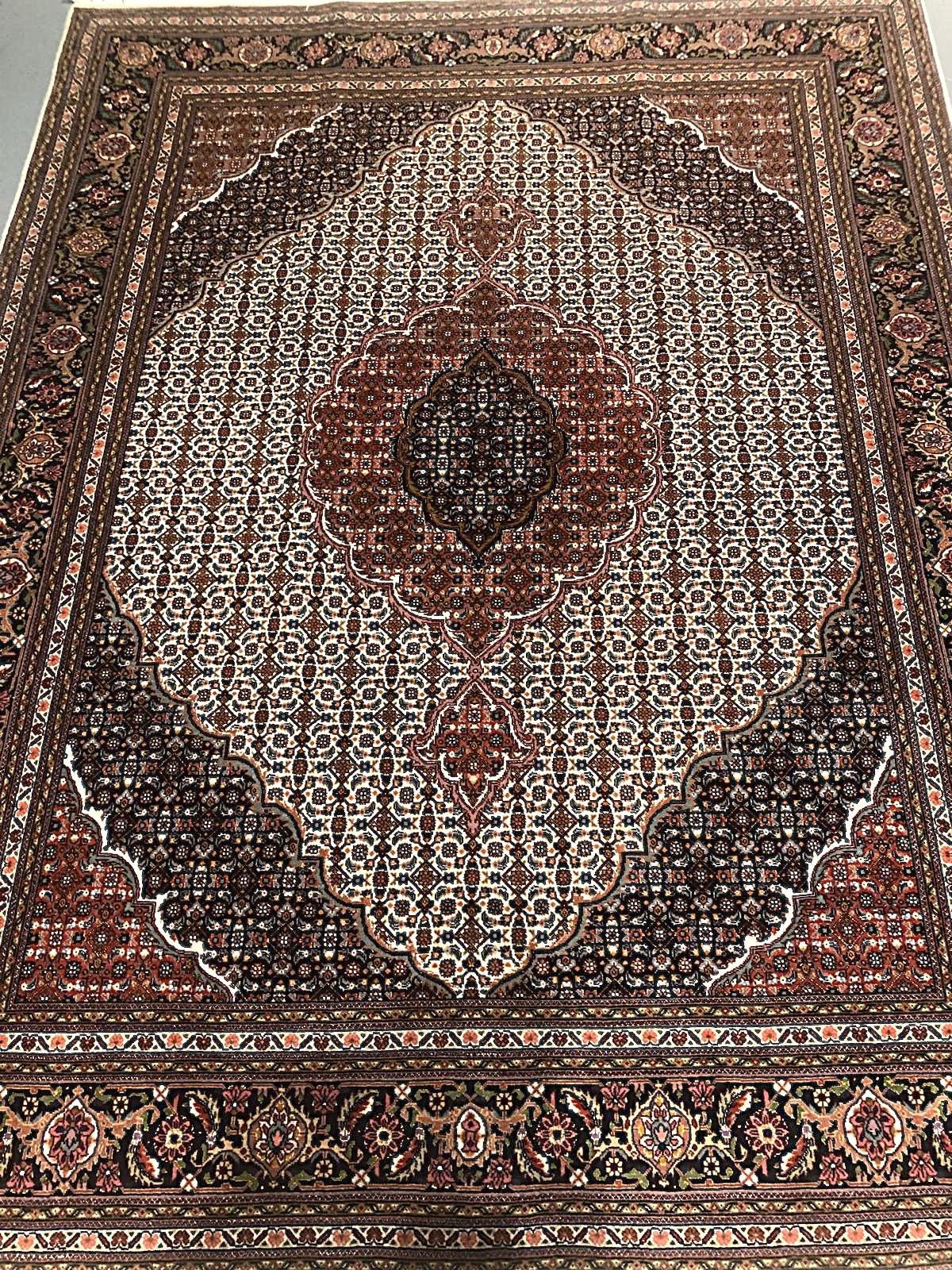
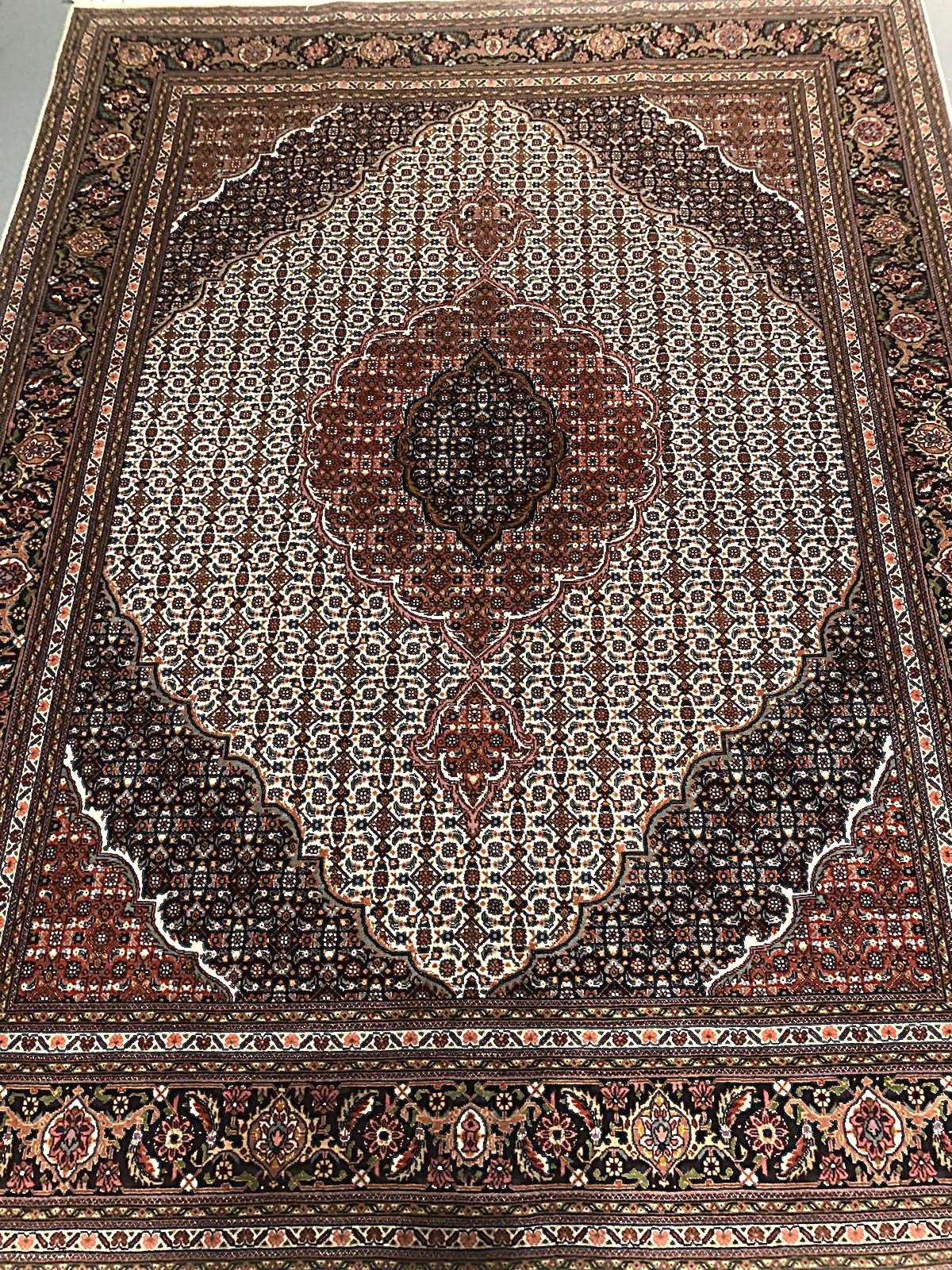 Tabriz carpetTextilesLiving tradition
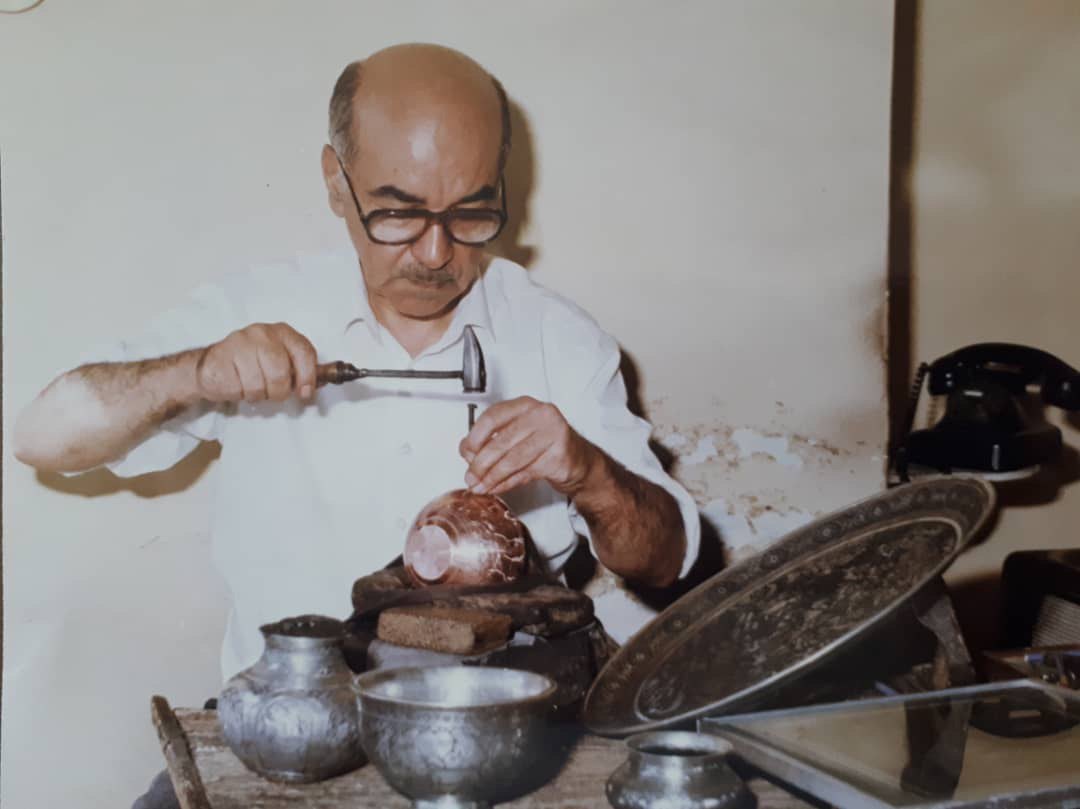 Qalam-zaniMetalworkAt risk
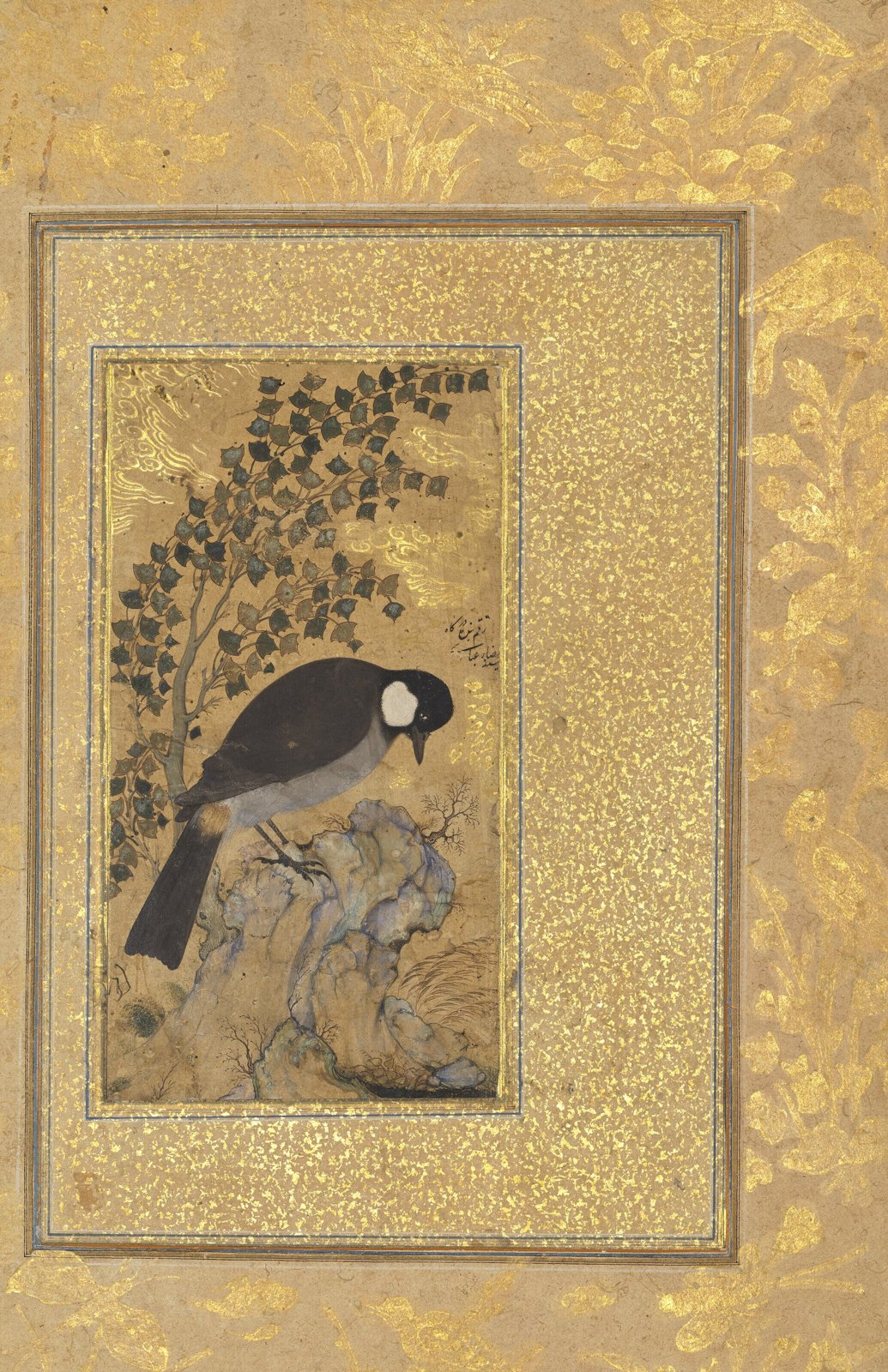 Persian miniaturePaintingLiving tradition
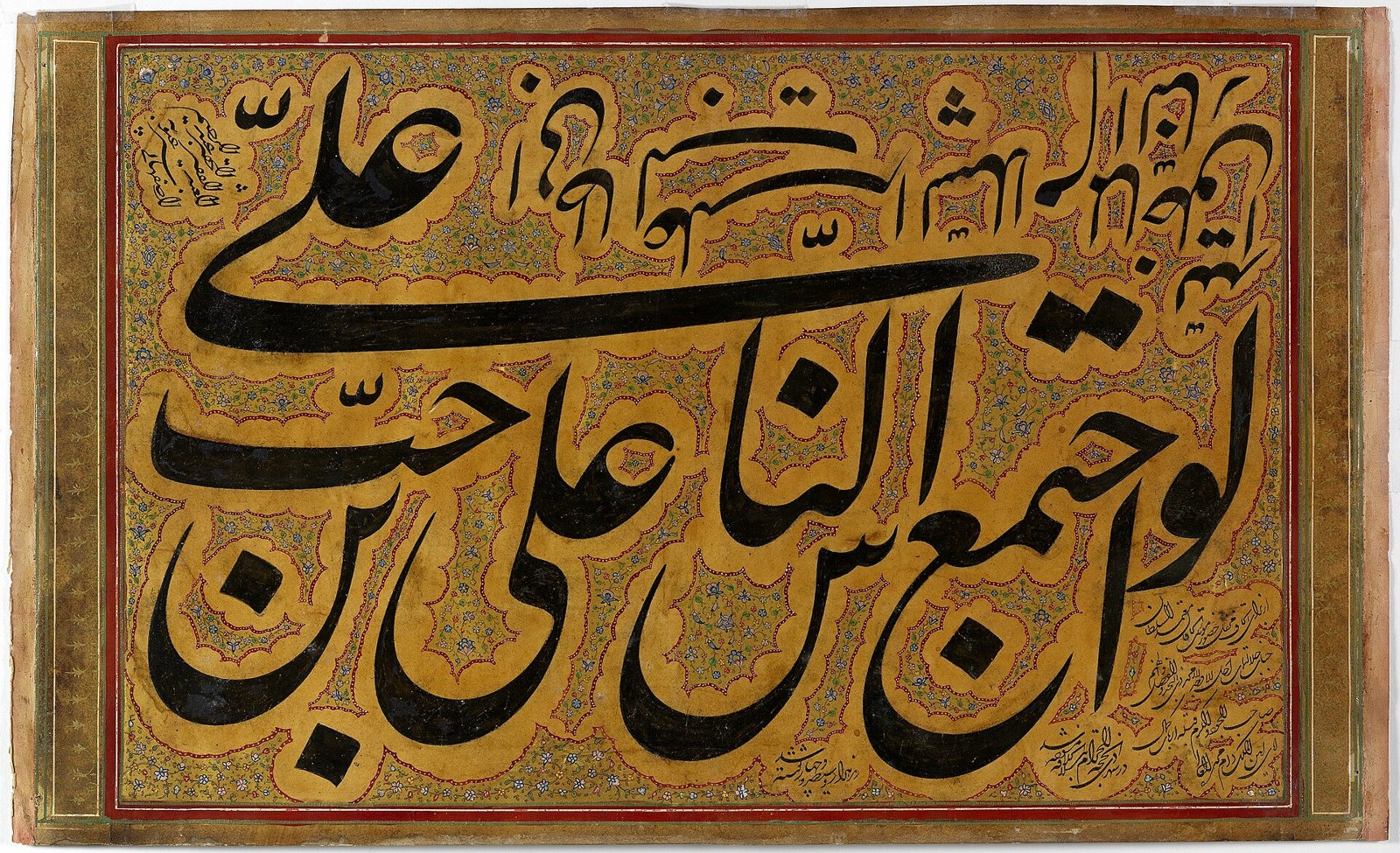 Nasta'liq calligraphyCalligraphyLiving tradition
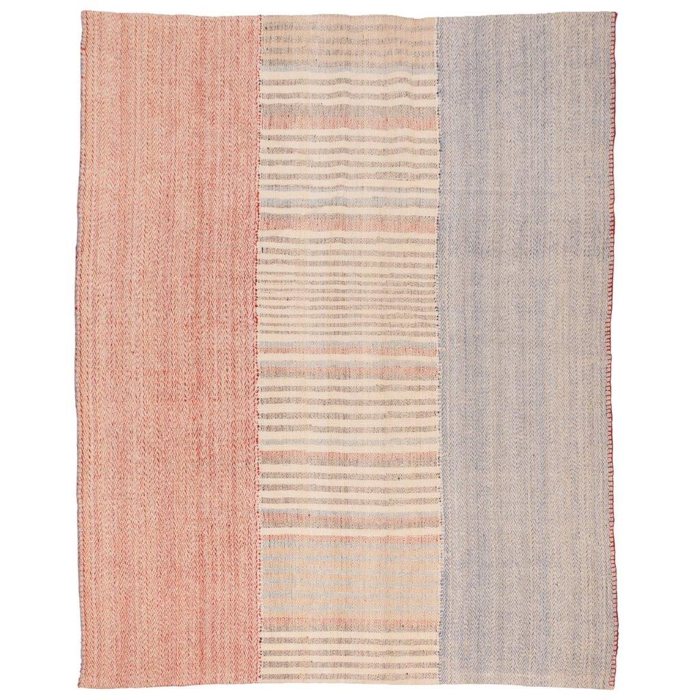 JajimTextilesAt risk
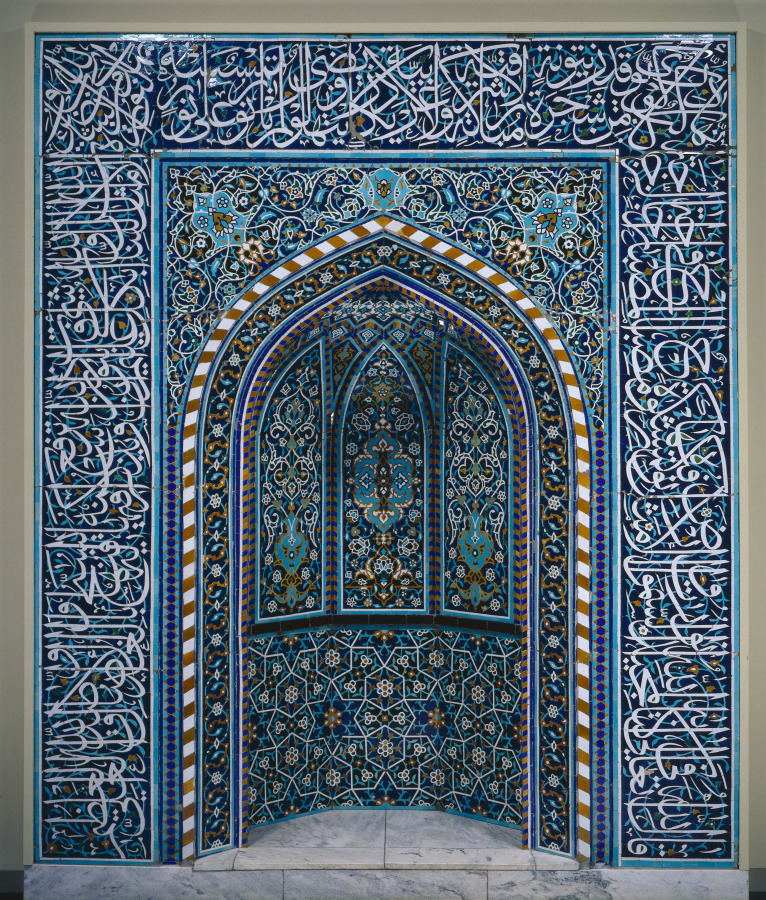 Moarraq tile mosaicCeramicsLiving tradition
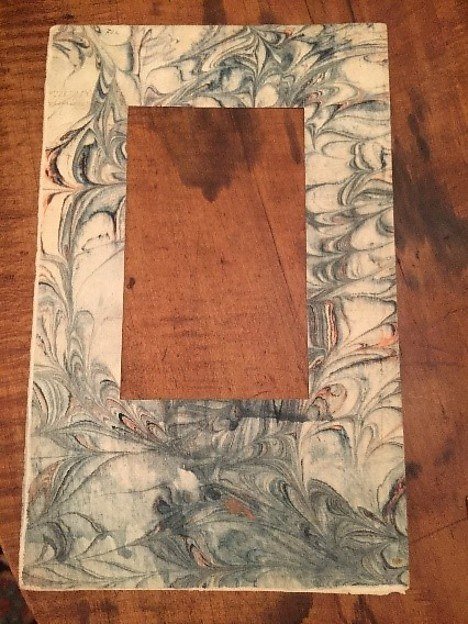 Paper marbling (Abr-o-bad)Paper artsRevived
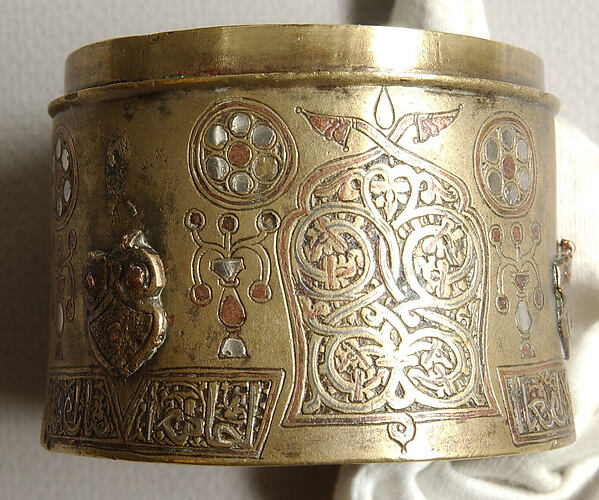 Inlaid metalworkMetalworkAt risk
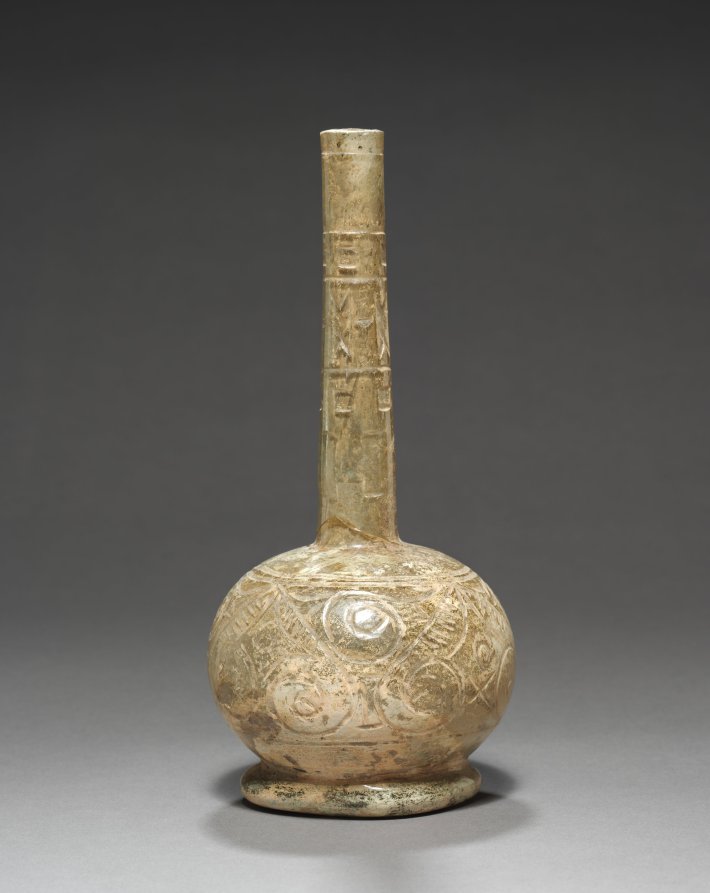 GlassmakingGlassAt risk
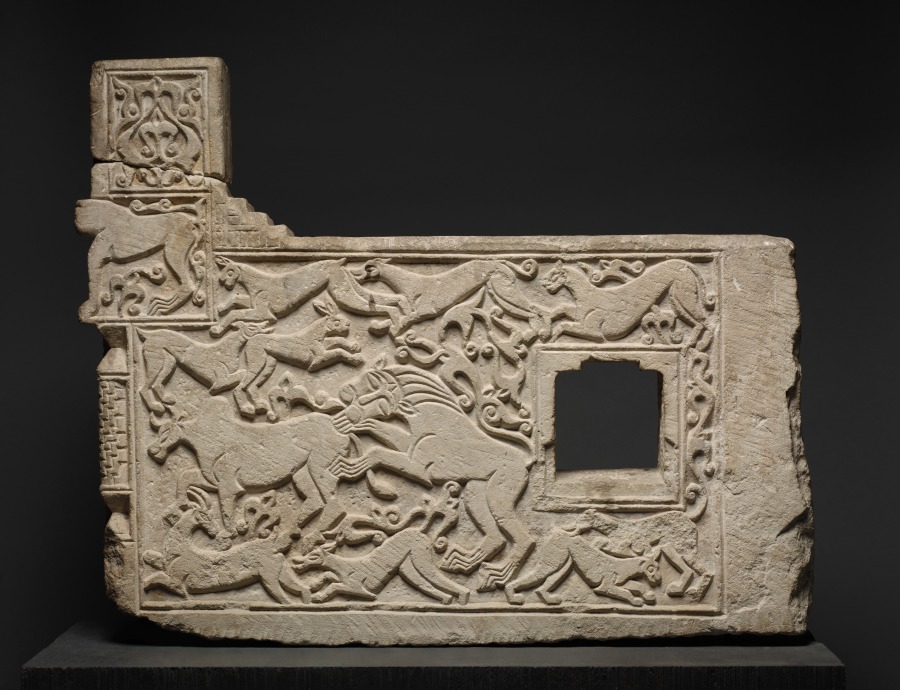 Stone carving (Hajjari)StoneLiving tradition
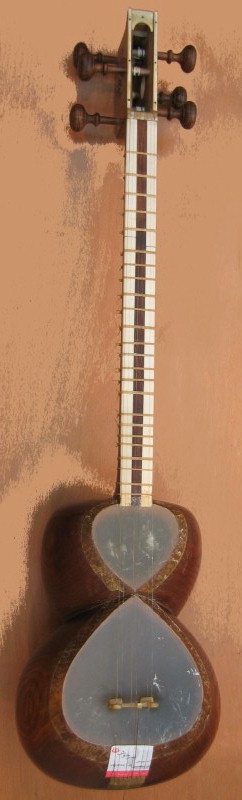 Instrument making (Saz-sazi)Musical instrumentsLiving tradition
 Illumination (Tazhib)Book artsLiving tradition
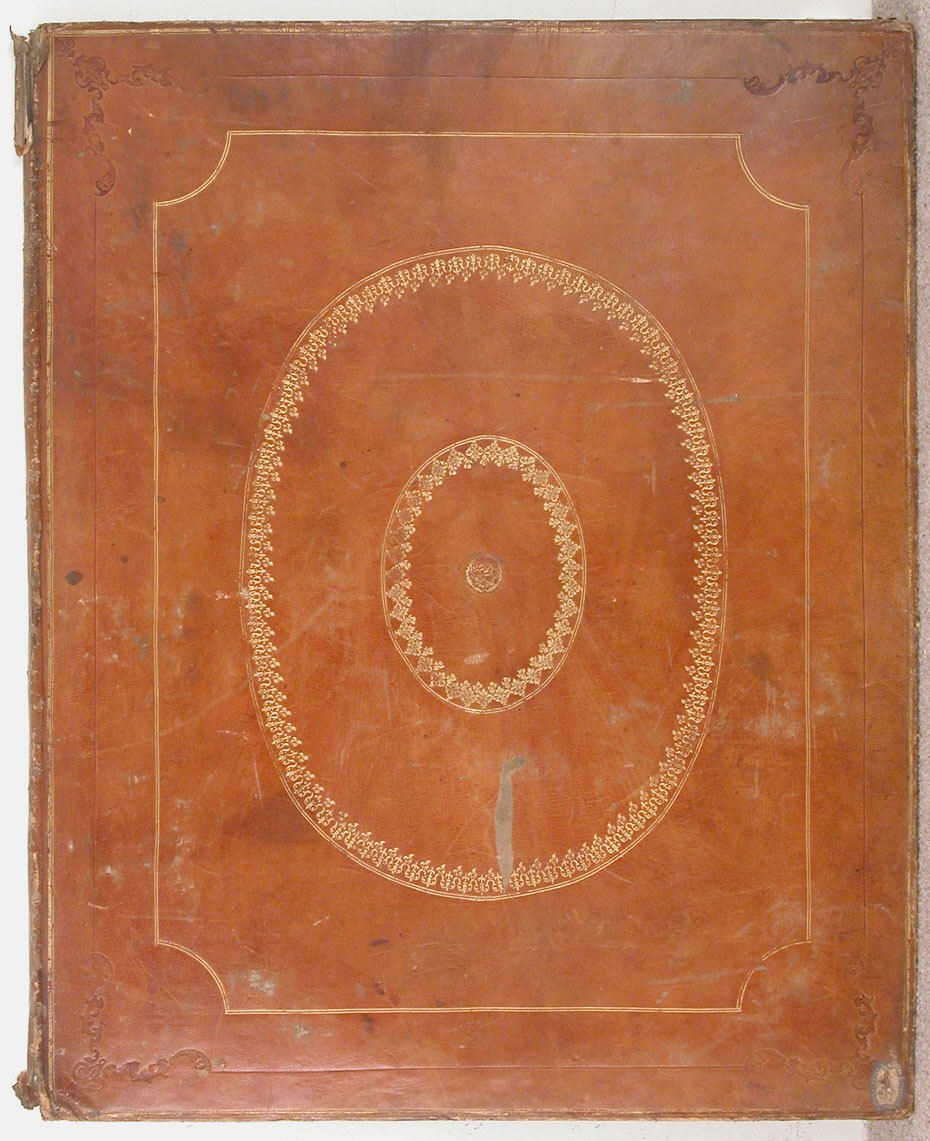 Leatherwork (Charm-duzi)LeatherLiving tradition
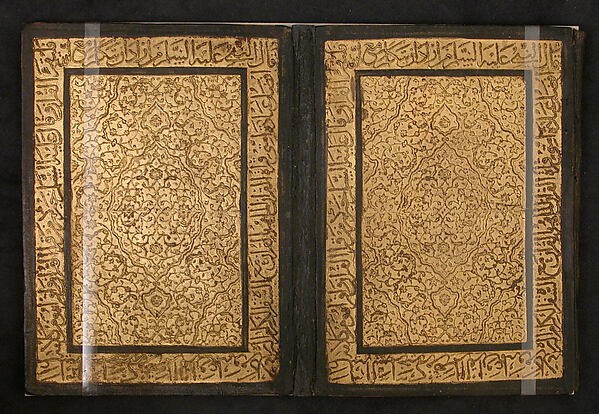 Traditional bookbinding (Sahhafi)Book artsEndangered
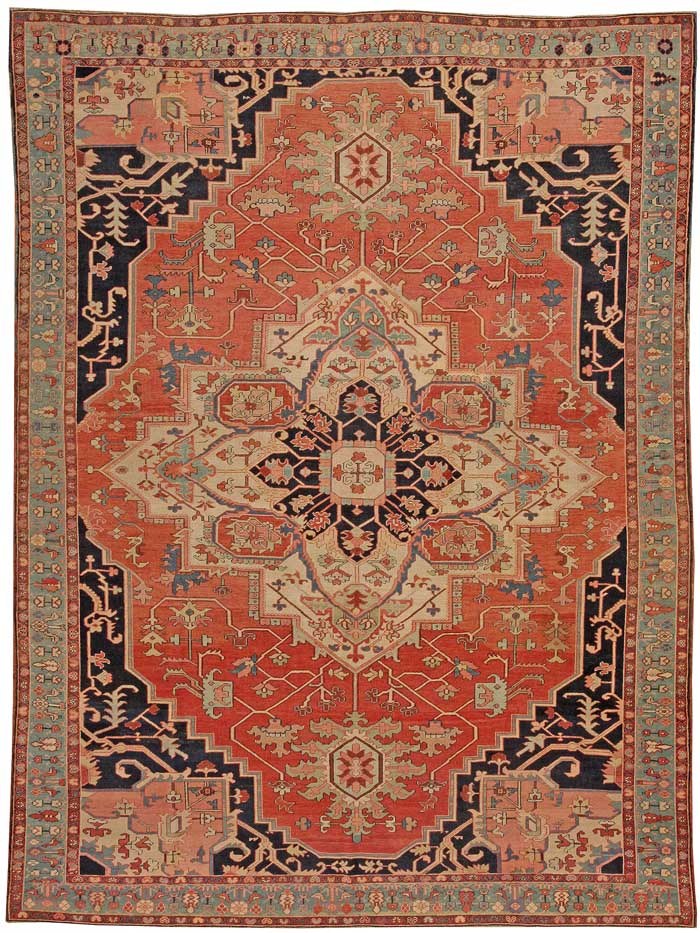 Heriz carpetTextilesLiving tradition
Objects from this region
Cultural tourism
Markets and craft destinations documented here can be visited. Workshop access usually depends on the artisan; where a workshop receives visitors, that is noted on their profile.
- Province
- East Azerbaijan
- Signature crafts
- Carpets, leather, metal
- UNESCO site
- Tabriz Historic Bazaar Complex (2010)
- Language
- Azerbaijani Turkic widely spoken alongside Persian
Bazaar city
The historic bazaar of Tabriz is one of the largest covered bazaars in the world and a UNESCO World Heritage site. Carpet caravanserais within it have handled trade for centuries.
Tabriz is a major carpet centre with a particularly wide range of grades and designs, from commercial runners to very fine silk-highlighted pieces.
- Carpet weaving
- Carpet restoration
- Leatherwork
- Metalwork
- Silk trading
- Design drafting (naqsheh)
Working traditions and technique
Carpets may be designed, woven, finished and sold by different people. The historic bazaar contextualises trade, but cannot prove an individual rug was woven in Tabriz.
Compare pile fibre, warp and weft separately; the design and selling name alone cannot establish weaving centre. A fine workshop rug can contain repairs or later finishing.
Visiting, collecting and documenting
Ask which workshop made the object, who supplied the statement and whether a design, invoice or making record survives. Inspect the reverse, edges and ends before buying.
Observe working methods with permission; do not treat a market label, regional motif or heritage listing as evidence of the maker of an individual object.
Crafts of Tabriz in photographs
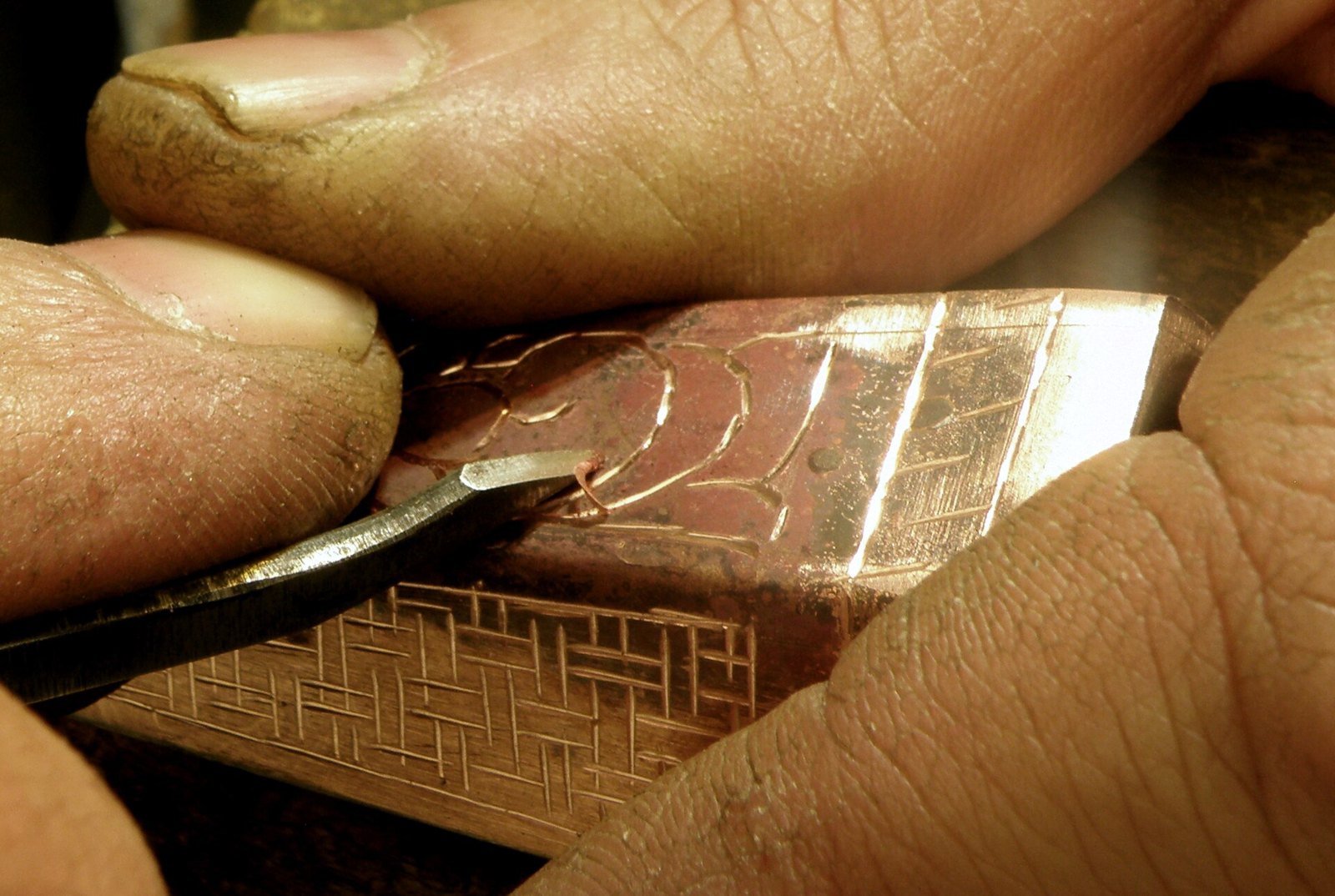
Representative photographs only. Marketplace examples rely on seller descriptions; CraftPersia has not independently authenticated their maker, origin, or rights status. Follow each source link for the listing context.
Craft presence is a qualitative editorial rating (1–5) of how visible each tradition is in the region today, not a measured statistic.
| Tradition | Working method | Evidence to request |
|---|---|---|
| Workshop carpet | Knotted pile made to a design | Cartoon or workshop record if available |
| Market-attributed carpet | Style or place-name on label | Ask for evidence of actual making site |
Timeline
- 13th–14th c.
Ilkhanid capital; bazaar grows on trade routes.
- Early 16th c.
First Safavid capital.
- 2010
Bazaar complex inscribed by UNESCO.
References and further reading
- [1] UNESCO World Heritage Centre, Tabriz Historic Bazaar Complex. ↗World Heritage listing documents the site, not the production or origin of an individual object.
These sources provide context, not authentication or provenance for an individual object. Editorial interpretations remain under review.