
Razavi Khorasan province
Mashhad
مشهدA major Khorasan craft and trading centre with a long carpet-weaving tradition and active bazaars.
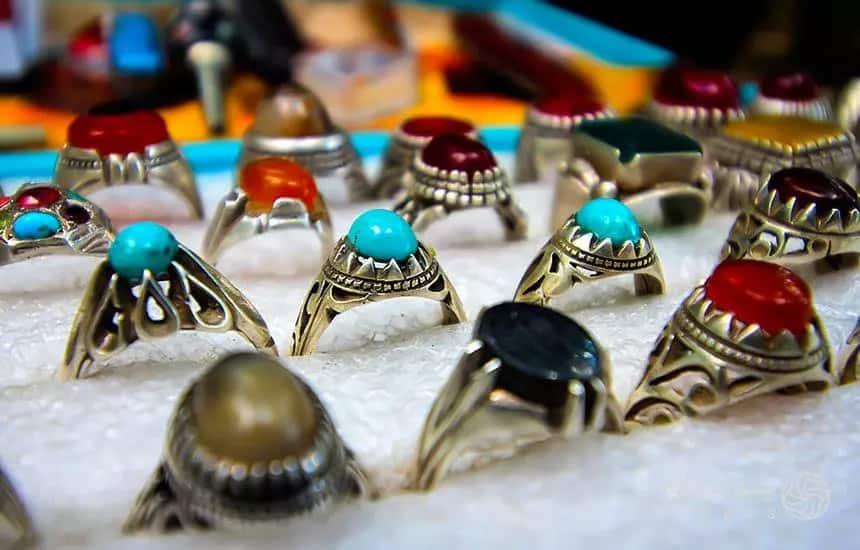
Article image, 2024 · SurfIran (photographer not stated) · Permission status not reviewed · Photo source ↗
Geography
An urban centre in north-eastern Iran, situated along historic routes across Khorasan.
Historical background
Workshops and bazaars have connected regional weaving and other craft traditions with pilgrims and long-distance trade.
Major crafts


Cultural tourism
Markets and craft destinations documented here can be visited. Workshop access usually depends on the artisan; where a workshop receives visitors, that is noted on their profile.
- Province
- Razavi Khorasan
- Signature crafts
- Carpets, turquoise and stone work
- Nearby
- Neyshabur turquoise mines
- Pilgrimage
- Imam Reza shrine
Khorasan crafts
Mashhad is the largest city of north-eastern Iran and a major pilgrimage centre, which supports a large trade in carpets, prayer items and souvenirs. Khorasan carpets use both symmetric and asymmetric knots depending on the workshop.
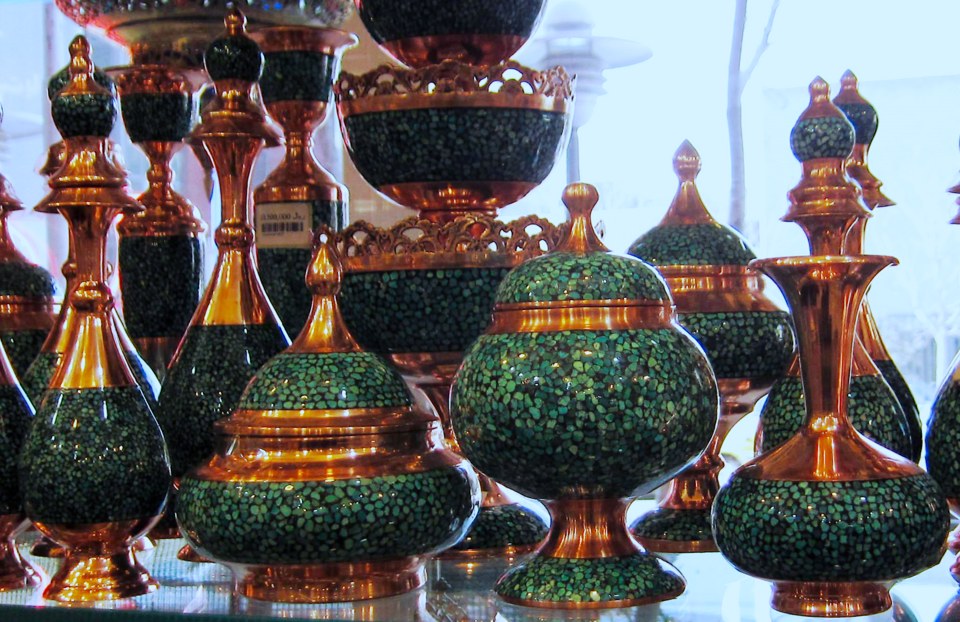
Turquoise from the Neyshabur area has been traded for centuries and is set in jewellery and inlaid into metal objects (firouzeh-kubi).
- Khorasan carpets
- Turquoise setting
- Firouzeh-kubi (turquoise inlay)
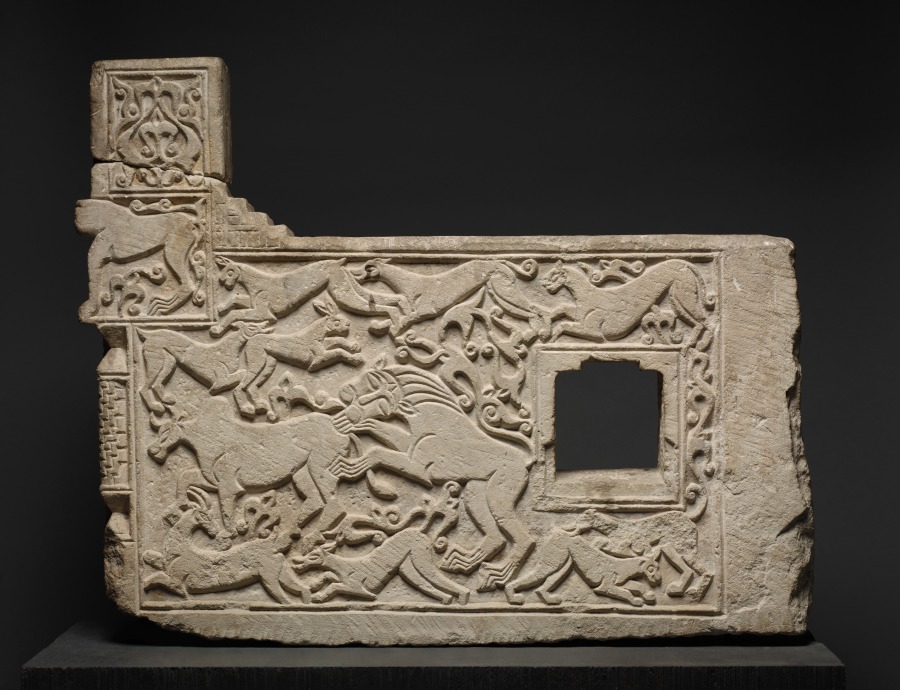
- Stone carving
- Baluch weaving (traded)
- Prayer rugs
Working traditions and technique
Carpet production, pilgrimage trade and turquoise-set objects converge in Mashhad's markets. The presence of Neyshabur turquoise in the wider region cannot establish the source of stones in an individual purchase.
Turquoise inlay sets stone fragments into a metal support; enamelled metal fuses glassy colour. Neither blue-green colour nor a seller's label proves mineral or mine origin.
Visiting, collecting and documenting
Record where and from whom an object was acquired; ask for material identification when stone origin materially affects price. Inspect metal joins and loose inlay without wetting porous stone.
Observe working methods with permission; do not treat a market label, regional motif or heritage listing as evidence of the maker of an individual object.
Crafts of Mashhad in photographs
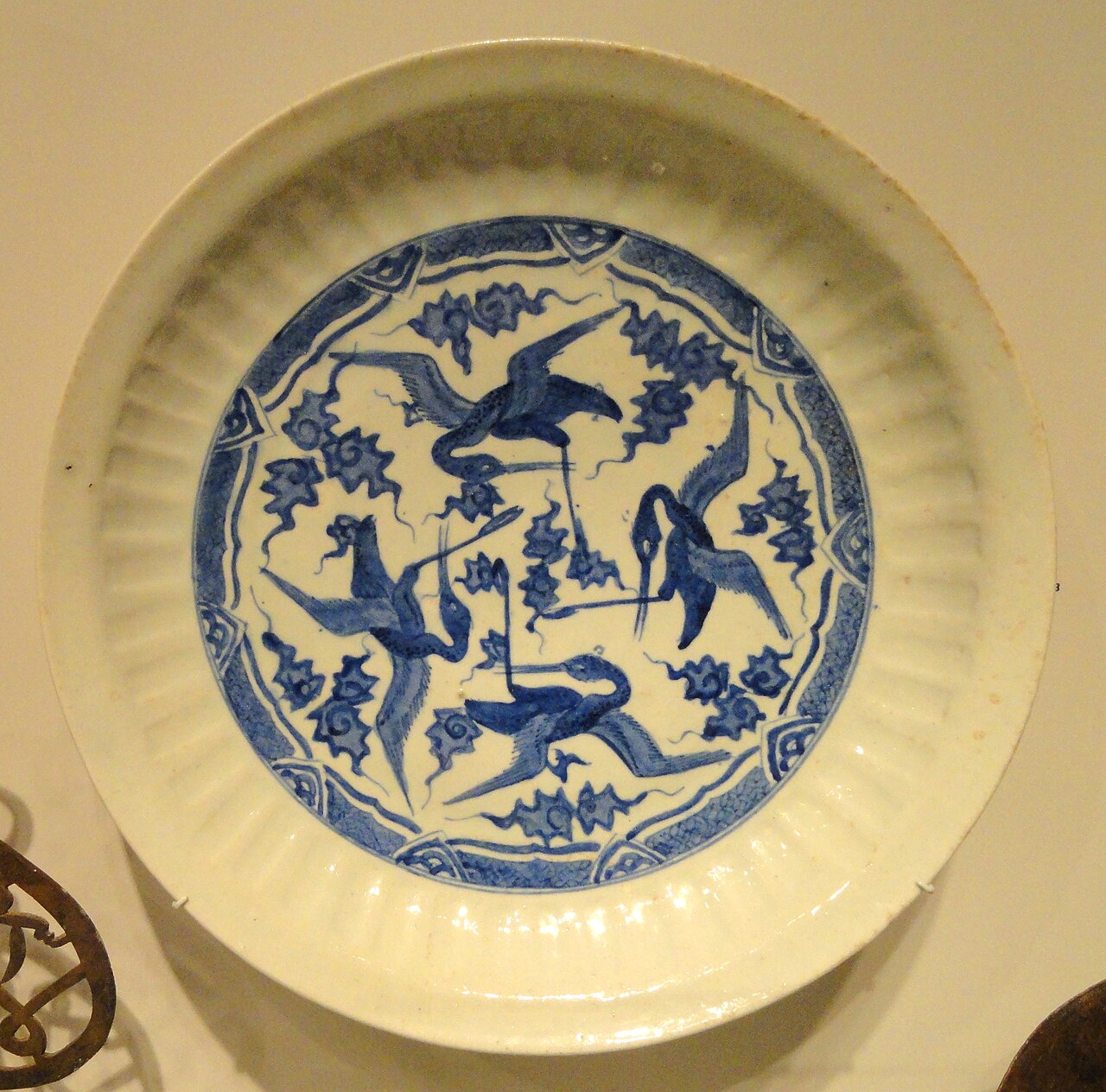
Representative photographs only. Marketplace examples rely on seller descriptions; CraftPersia has not independently authenticated their maker, origin, or rights status. Follow each source link for the listing context.
Craft presence is a qualitative editorial rating (1–5) of how visible each tradition is in the region today, not a measured statistic.
| Tradition | Working method | Evidence to request |
|---|---|---|
| Turquoise inlay | Set mineral fragments | Stone boundaries and qualified material assessment |
| Minakari | Fired glassy colour on metal | Glassy layer and damage at its edges |
Timeline
- Historic
Carpet and stone trades have long histories in Khorasan; individual histories differ.
- Today
Pilgrimage markets bring together objects made and traded in multiple places.
References and further reading
- [1] H. E. Wulff, The Traditional Crafts of Persia, MIT Press, 1966.Broad historical background only; no mine attribution is made for listed objects.
These sources provide context, not authentication or provenance for an individual object. Editorial interpretations remain under review.