
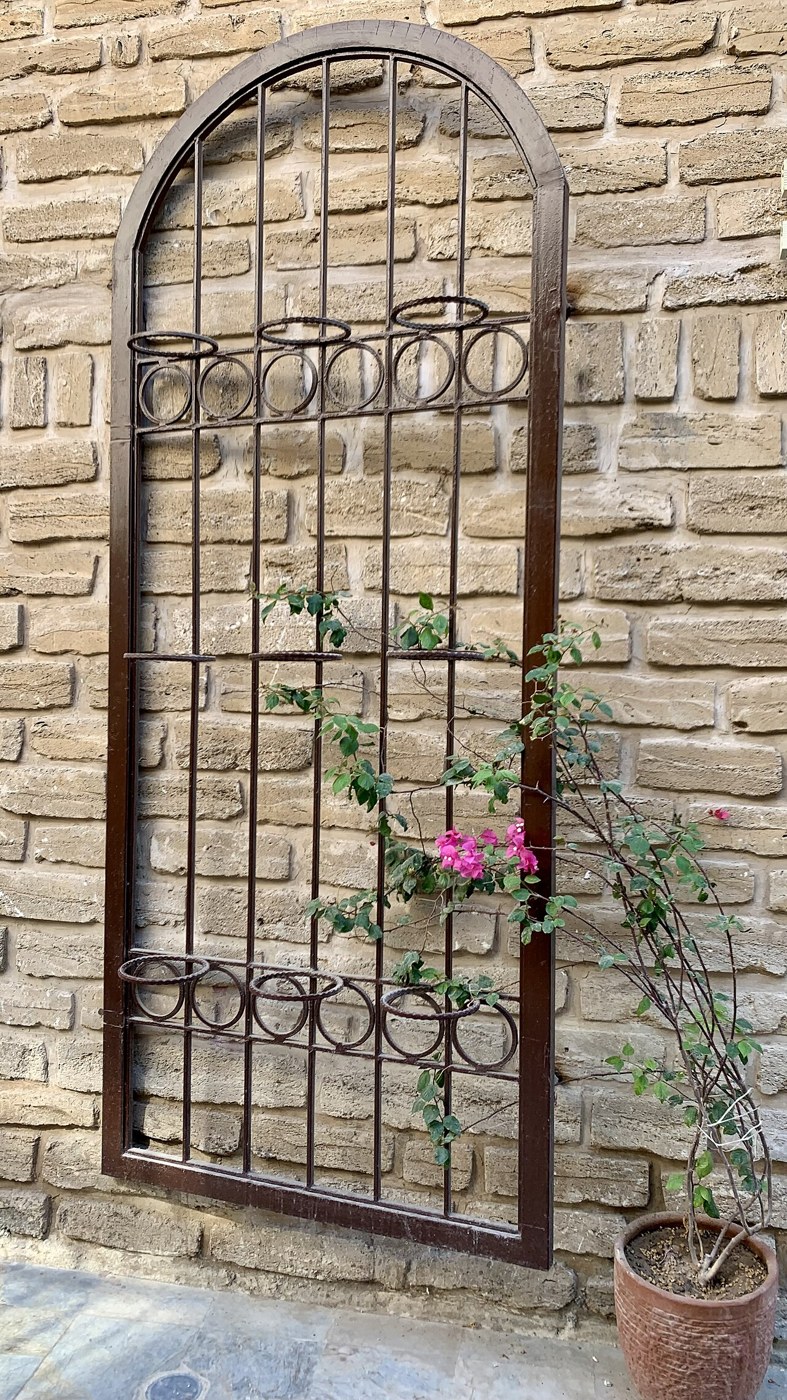
Old-town window and plasterwork, Bushehr · Town setting only, not evidence of local manufacture or current visitor access.
Danial Esmaeilian · CC BY-SA 4.0 (Wikimedia Commons; resized/re-encoded JPEG)
Taken on 22 October 2024, 10:14:33 · Source metadata and photograph visually checked 24 October 2026; no visible watermark.
Photograph source · Wikimedia CommonsA field observation record
- 01
Observe
Record material, structure, joins and wear before interpreting a pattern or city label.
- 02
Document
With permission, photograph the whole object, reverse, edges and any maker mark; retain repairs in the frame.
- 03
Separate claims
Keep maker, production location, point of sale and proposed age as separate statements, with their evidence.
Setting
Bushehr occupies a low peninsula on the Persian Gulf, humid and hot, with a historic port quarter under restoration.
Why this place matters for craft
The old town's timber balconies and coral-stone walls document a distinctive Gulf building craft. Boat building, palm work and embroidery continue along the coast at small scale.
Merchant houses and exchange
Historic architecture supplies coastal trade context. Houses and modern souvenirs are separate records. Identify whether a photographed feature belongs to building, boat or movable work.
Coral-stone descriptions are heritage observations, not encouragement to collect fragments. Surviving and replacement fabric can resemble one another. Use site and conservation records.
Working boats and models
Timber, hulls, fastenings and maintenance belong to boatbuilding. The Lenj heritage record does not certify a specific yard or model.
A hand-carved model can be genuine contemporary work without documenting seaworthy construction. Ask maker and purpose. Generic wooden boxes are not maritime-process photos.
Mixed port stock
Palm work needs plant and preparation statements; cloth needs stitch, seam and alteration descriptions. Port retail can carry imports, so sale is not origin.
Keep marks before polishing and support vulnerable materials. Confirm consent and visits. No boat trip, appointment or provenance guarantee is offered here.
Objects, evidence and attribution limits
| Object or claim | What to examine | What it cannot prove |
|---|---|---|
| Historic building | Documented fabric | Not provenance for souvenirs. |
| Boat model | Actual maker and process | Not working-hull evidence. |
| Fibre craft | Material and manufacture place | Port sale is not origin. |
Common questions
- Does a souvenir model demonstrate Lenj skills?
- No. The model and the working maritime practice need separate records.
Sources and further reading
- UNESCO · Traditional skills of building and sailing Iranian Lenj boats in the Persian Gulf
Regional intangible heritage; does not certify an individual yard or souvenir model.
- Canadian Conservation Institute · Caring for cultural heritage
Material-specific preventive care; not an assessment or treatment prescription for an individual object.
Editorial draft, not independently checked by a named craft specialist. References provide context, not authentication or confirmation of current visitor access.
Quarters, bazaars and workshops
| Area | What is there |
|---|---|
| Historic port quarter | Coral-stone and timber architecture under restoration; carpentry detail worth study. |
| Coastal boatyards | Timber vessel construction and repair. |
What to look for on an object
- Architectural woodwork — Turned balusters and lattice screens assembled without nails in older work.
These notes are for learning to look, not for authentication. No description here certifies an object, its age or its origin.
Practical notes
- Restoration work changes access in the old quarter; check locally.
- Workshop addresses, bazaar hours and market days change; confirm locally before travelling.
Season: November to March.
Used in these crafts
A relief wood-carving technique in which solid panels, furniture and architectural elements are carved directly with chisels to produce raised or recessed floral, arabesque and geometric ornament, distinct from inlay techniques that build a surface from separate pieces.
A broad term for Iranian needle embroidery on cotton, silk or wool grounds, including counted, darned and satin-stitch work used on covers, garments and prayer cloths.
Iranian jewellery ranges from gold and gem-set court ornaments to silver tribal adornment, often combining enamel, turquoise, pearls and coloured stones.