
Sistan & Baluchestan province
Sistan & Baluchestan
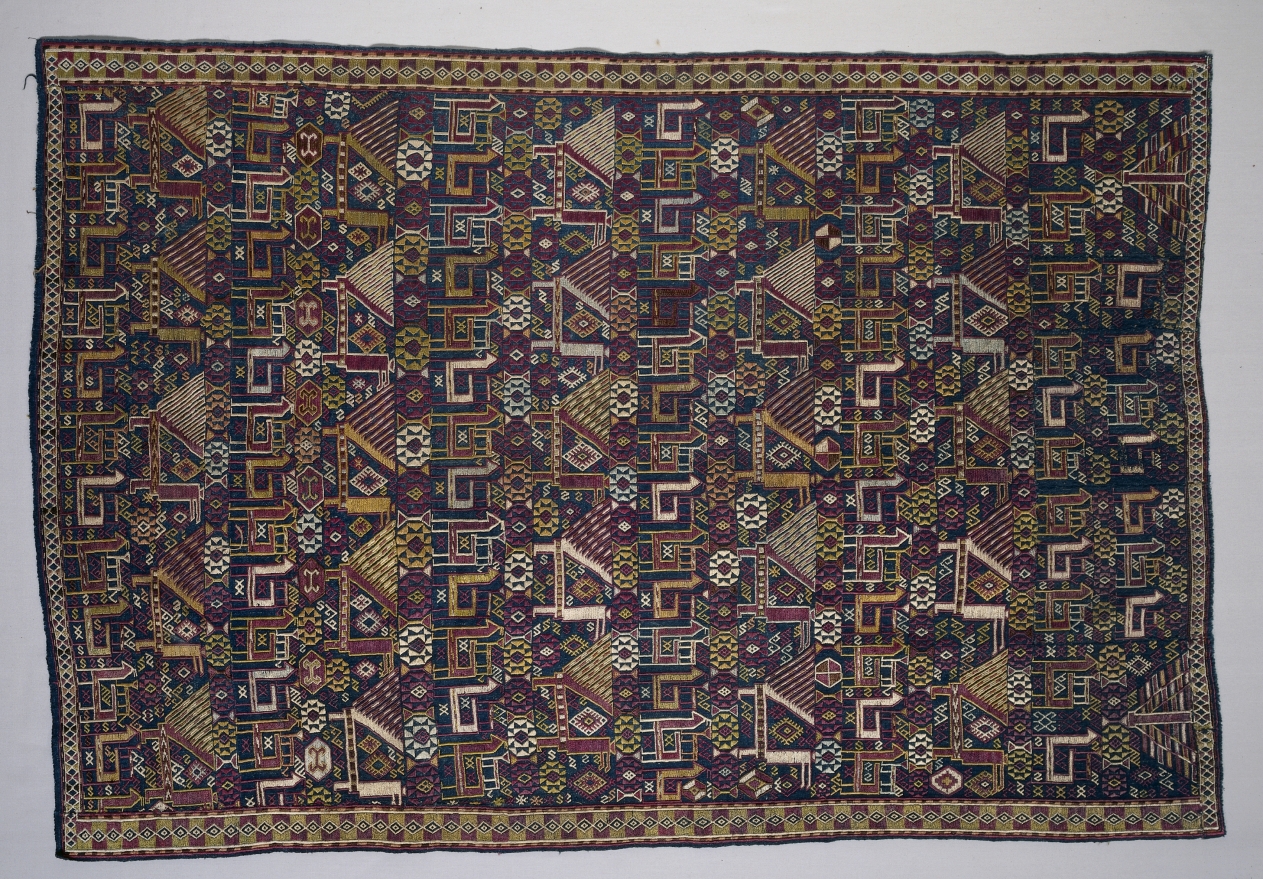
سیستان و بلوچستانBaluch needlework, mat weaving and pile rugs in dark, saturated palettes — several of these traditions are now at risk.
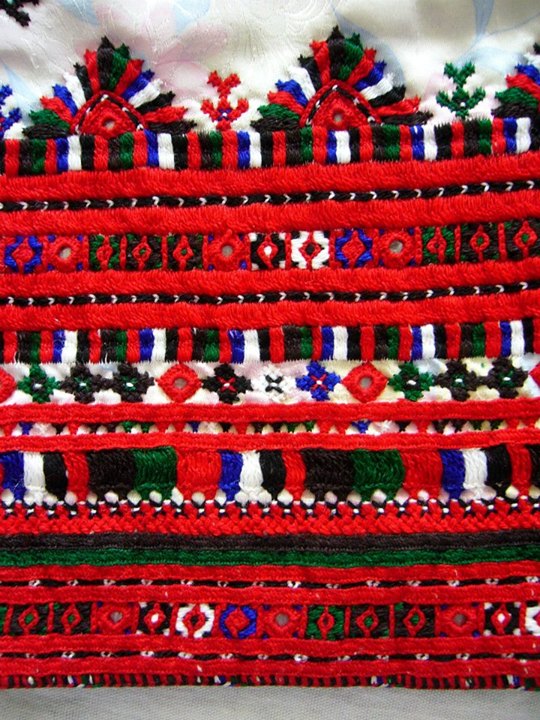
Baluch embroidery textile; source does not establish maker's precise location; accessed 2026-09-30 · Fatemehr8620 · CC BY-SA 4.0 (Wikimedia Commons; JPG conversion) · Photo source ↗
Geography
An arid south-eastern province bordering Afghanistan and Pakistan.
Historical background
Pastoral and village production with distinct regional dyeing practice; documentation is thinner here than for the city traditions.
Major crafts
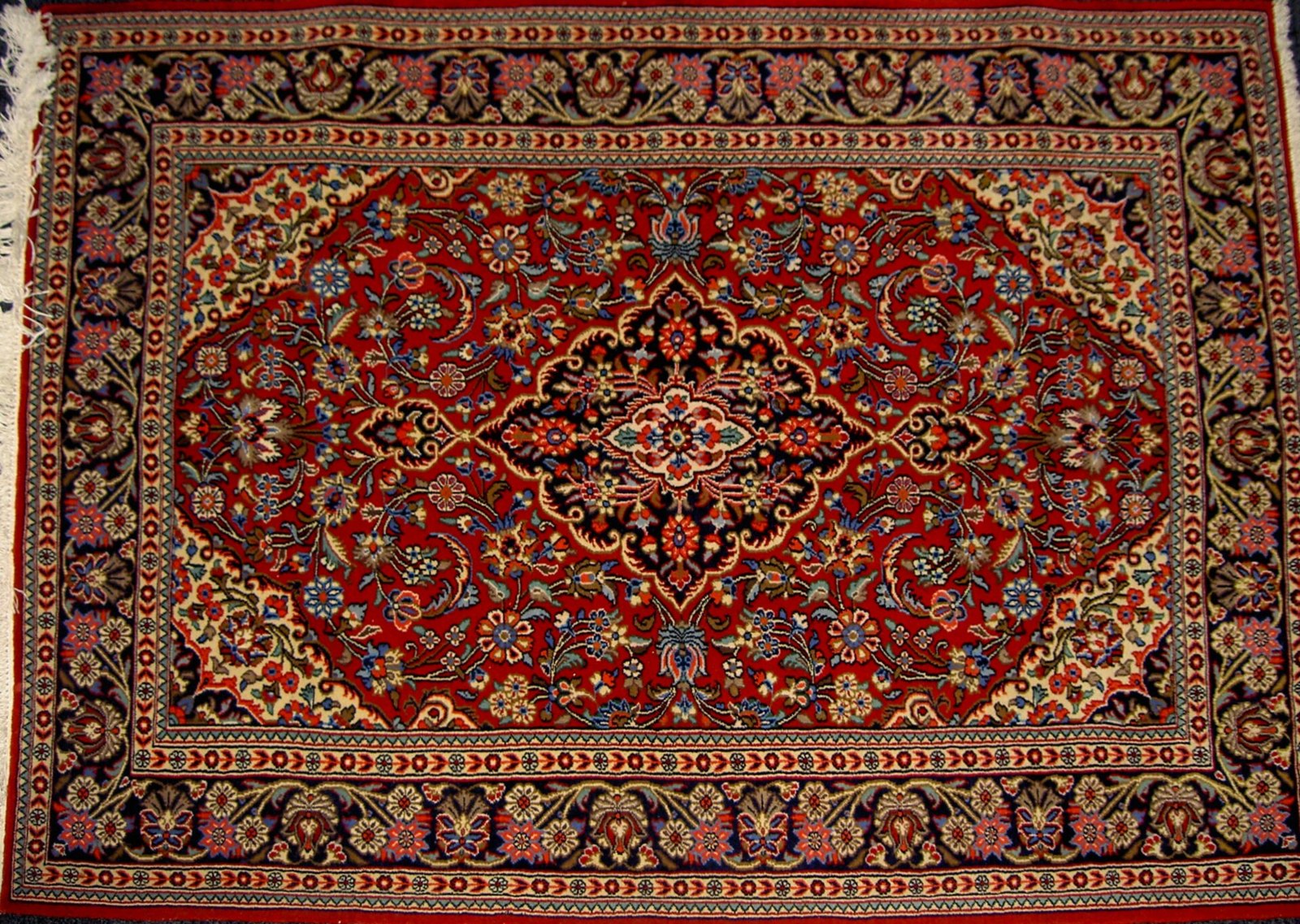
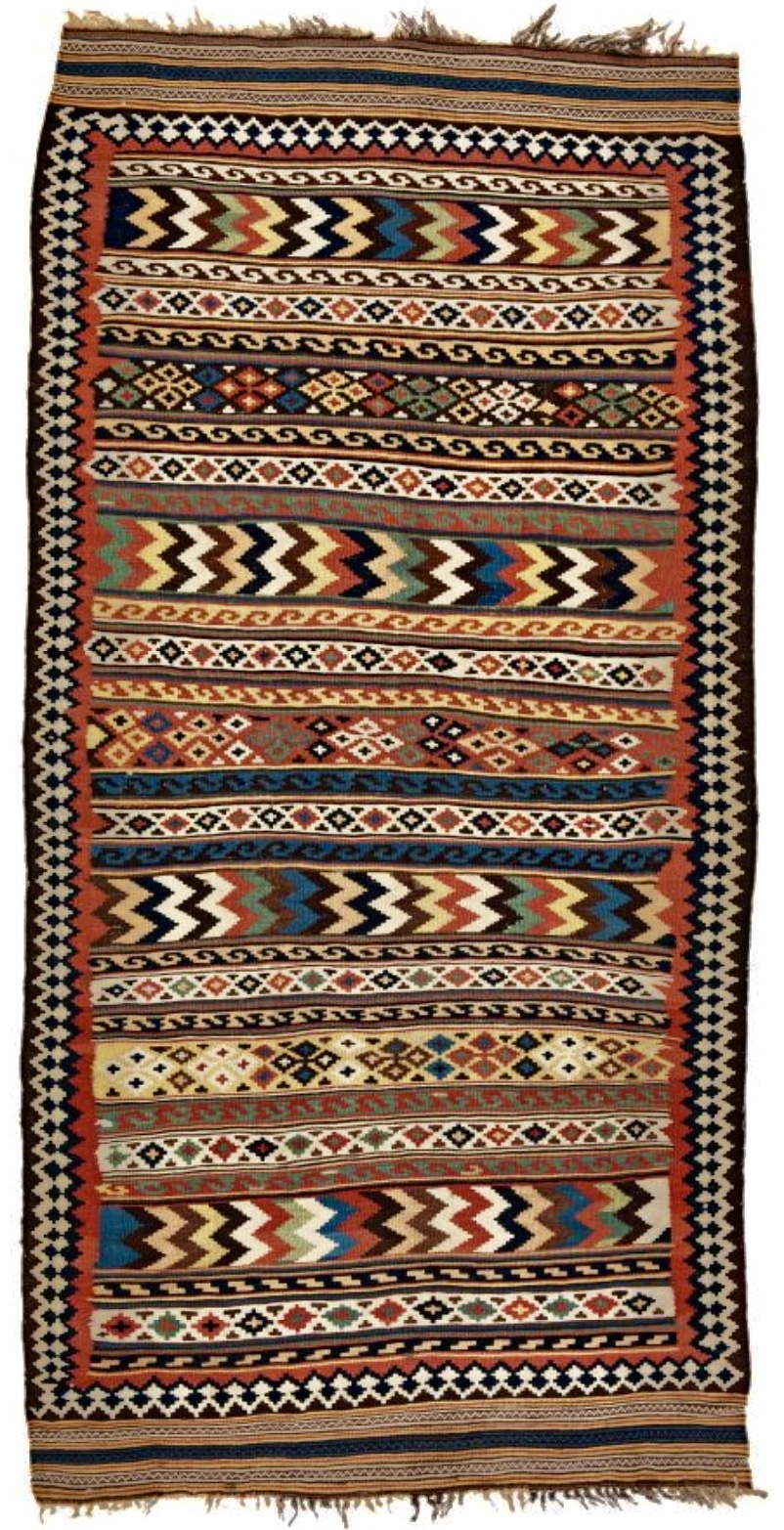
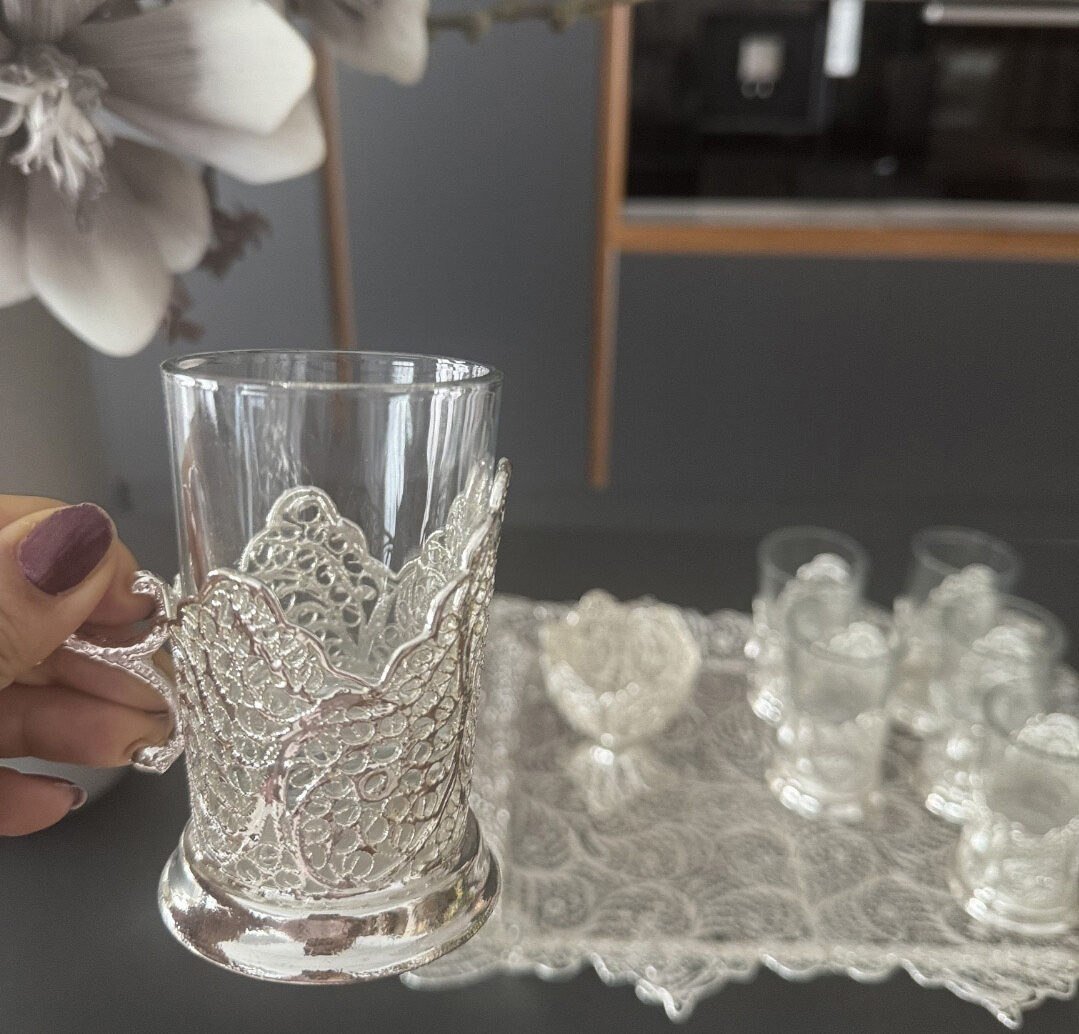
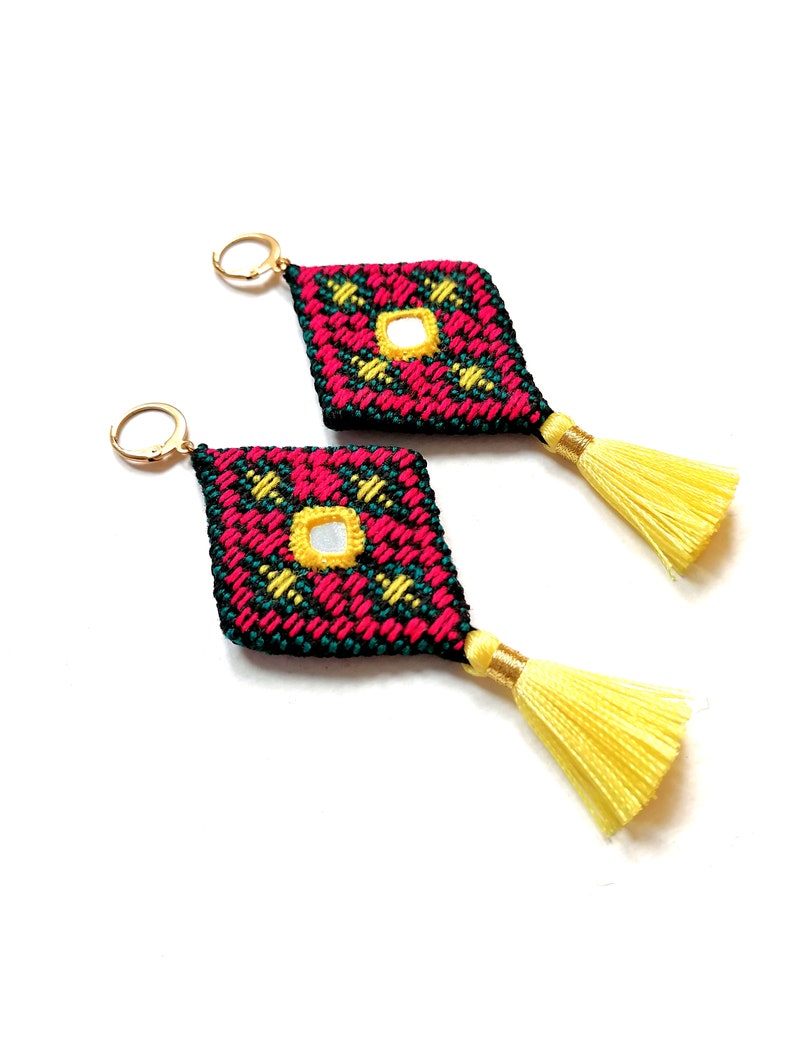
Objects from this region
Cultural tourism
Markets and craft destinations documented here can be visited. Workshop access usually depends on the artisan; where a workshop receives visitors, that is noted on their profile.
- Province
- Sistan & Baluchestan
- Signature crafts
- Baluch needlework, pile rugs, mat weaving
- Status
- Several traditions at risk
- UNESCO site
- Shahr-i Sokhta (2014)
Needlework and weaving of the south-east
Baluch needlework (suzan-duzi) uses dense, geometric stitching on clothing panels, cuffs and bibs. It is made mostly by women, often at home, and is a source of income for many families.
The archaeological site of Shahr-i Sokhta, one of the most important Bronze Age sites in the region, was inscribed by UNESCO in 2014 and has yielded early textile and craft evidence.
- Suzan-duzi needlework
- Baluch pile rugs
- Palm-leaf mat weaving
- Pottery (Kalpurgan)
- Mirror embroidery
- Jewellery
Working traditions and technique
Baluch needlework, pile weaving, mat making and pottery represent separate communities, techniques and patterns of transmission. Avoid flattening them into a single regional style or assuming every practice is endangered.
Suzan-duzi embroidery is stitched onto a pre-existing cloth; pile rugs are woven on a foundation; Kalpurgan pottery is formed from clay. Material and structure offer a useful first distinction.
Visiting, collecting and documenting
Document local names with the maker's preferred spelling, secure consent for photographs and credit, and ask who can be named as the author of a piece. Do not impose an outside 'tribal' label without a source.
Observe working methods with permission; do not treat a market label, regional motif or heritage listing as evidence of the maker of an individual object.
Crafts of Sistan & Baluchestan in photographs
Representative photographs only. Marketplace examples rely on seller descriptions; CraftPersia has not independently authenticated their maker, origin, or rights status. Follow each source link for the listing context.
Craft presence is a qualitative editorial rating (1–5) of how visible each tradition is in the region today, not a measured statistic.
| Tradition | Working method | Evidence to request |
|---|---|---|
| Suzan-duzi | Dense stitches on cloth | Reverse stitches and ground |
| Pile rug | Knotted yarn on foundation | Reverse knots and edges |
| Pottery | Shaped and fired clay | Body, surface and firing traces |
Timeline
- Past
Household practices and trade histories vary by community; avoid assigning one origin date.
- Today
Makers combine inherited knowledge and new markets; collect their own accounts with permission.
References and further reading
- [1] H. E. Wulff, The Traditional Crafts of Persia, MIT Press, 1966.Older general reference; living maker testimony and recent community research are needed before specific attribution.
These sources provide context, not authentication or provenance for an individual object. Editorial interpretations remain under review.