
The two crafts in photographs
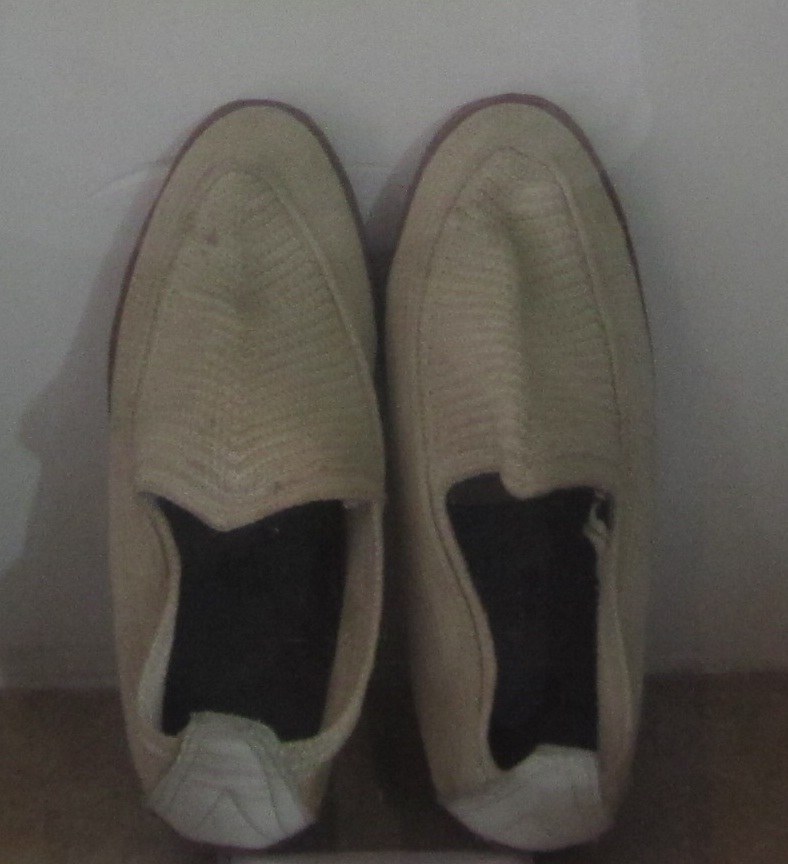
Giveh footwear
Velvet weaving (Makhmal-bafi)
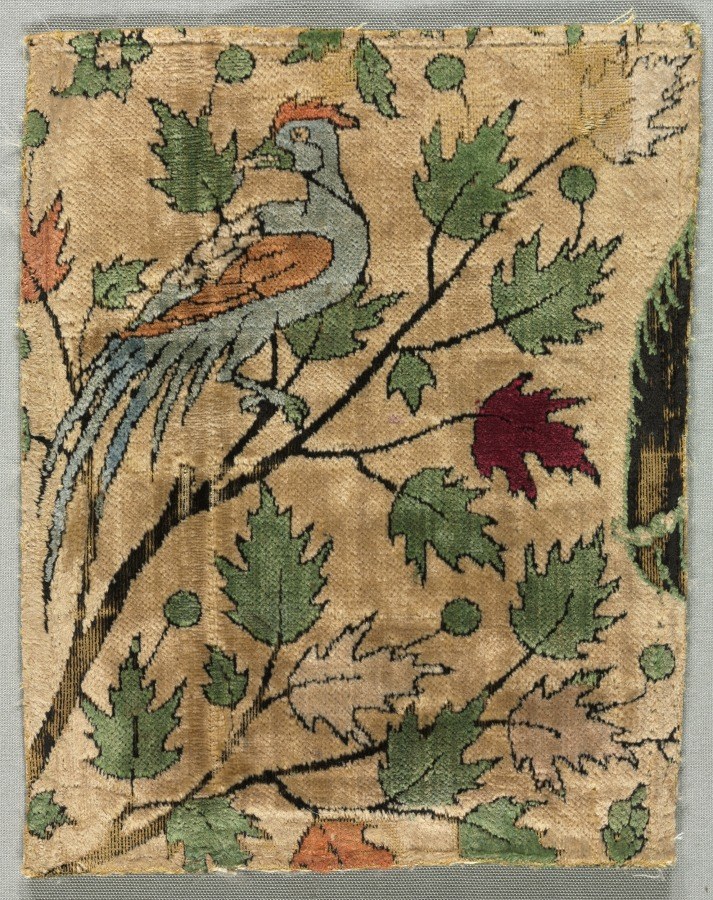
Photographs show documented examples of each craft for visual comparison; they do not prove what any other object is.
Side by side
| Giveh footwear | Velvet weaving (Makhmal-bafi) | |
|---|---|---|
| Persian name | گیوه | مخملبافی |
| Category | Textiles · Footwear | Textiles · Pile silk weaving |
| Materials | Cotton, Leather | Silk, Metal thread |
| Techniques | Giveh upper stitching | — |
| Regions | Isfahan, Kerman | Kashan, Isfahan |
| Periods | Qajar, Pahlavi, Contemporary | Safavid, Qajar |
| Motifs | — | Gol-o-morgh |
| Current vitality | Living tradition | Endangered |
What they share
- Regions: Isfahan
- Periods: Qajar
How to tell them apart
- The Giveh footwear record lists Cotton, Leather, which the Velvet weaving (Makhmal-bafi) record does not.
- The Velvet weaving (Makhmal-bafi) record lists Silk, Metal thread, which the Giveh footwear record does not.
- Giveh footwear typically involves Giveh upper stitching.
- A material listed for only one craft is a question to ask, not an identification test.
- The stated place of making is a useful clue, but never proof on its own.
Background on each craft
About Giveh footwear
Definition
Giveh is a lightweight, breathable shoe with an upper made from tightly woven or crocheted cotton thread, historically favoured for its coolness in hot, dry climates and its comfort for long walking or working hours. The sole was traditionally built up from layers of pressed cotton cloth or from leather, stitched or pressed together and shaped to the foot.
The craft is closely tied to particular towns where giveh-making became a local specialty and export product, with makers dividing the work between those who weave the upper (givehbaf) and those who fashion the sole, reflecting a degree of craft specialisation within the trade.
History
Woven cotton footwear of this general type is documented in Iran through the Qajar and Pahlavi periods as everyday rural and working footwear, prized for being lighter and cooler than leather shoes in hot regions. Specific towns developed reputations for particularly fine or durable giveh, supplying wider regional and national markets.
Industrial footwear and imported manufactured shoes reduced everyday reliance on handmade giveh through the twentieth century, and heritage documentation notes a decline in the number of active givehbaf workshops, even as giveh has continued to be worn regionally and has found renewed interest in craft and heritage markets.
General background on the craft, not a statement about any individual object; dates and attributions summarise common positions in the literature and remain under review. Read the full Giveh footwear entry.
About Velvet weaving (Makhmal-bafi)
History
Figured silk velvets are associated in the literature with Safavid court production, with Kashan often cited as a centre. Surviving fragments are dispersed across museum collections, and attributions to particular workshops or dates are frequently tentative.
Technique
Velvet weaving requires a drawloom or similar figure-harness loom plus rods inserted beneath extra pile warps; cutting the loops over the rods produces the pile, while areas left uncut or woven flat create voided patterns and grounds sometimes wrapped with metal thread.
General background on the craft, not a statement about any individual object; dates and attributions summarise common positions in the literature and remain under review. Read the full Velvet weaving (Makhmal-bafi) entry.
Read more
Disclaimer
This comparison is educational and built from entries still under review. It cannot confirm what a particular object is.