
Isfahan province
Kashan
کاشانHistoric ceramic and tile production, rosewater distillation and fine silk carpets.
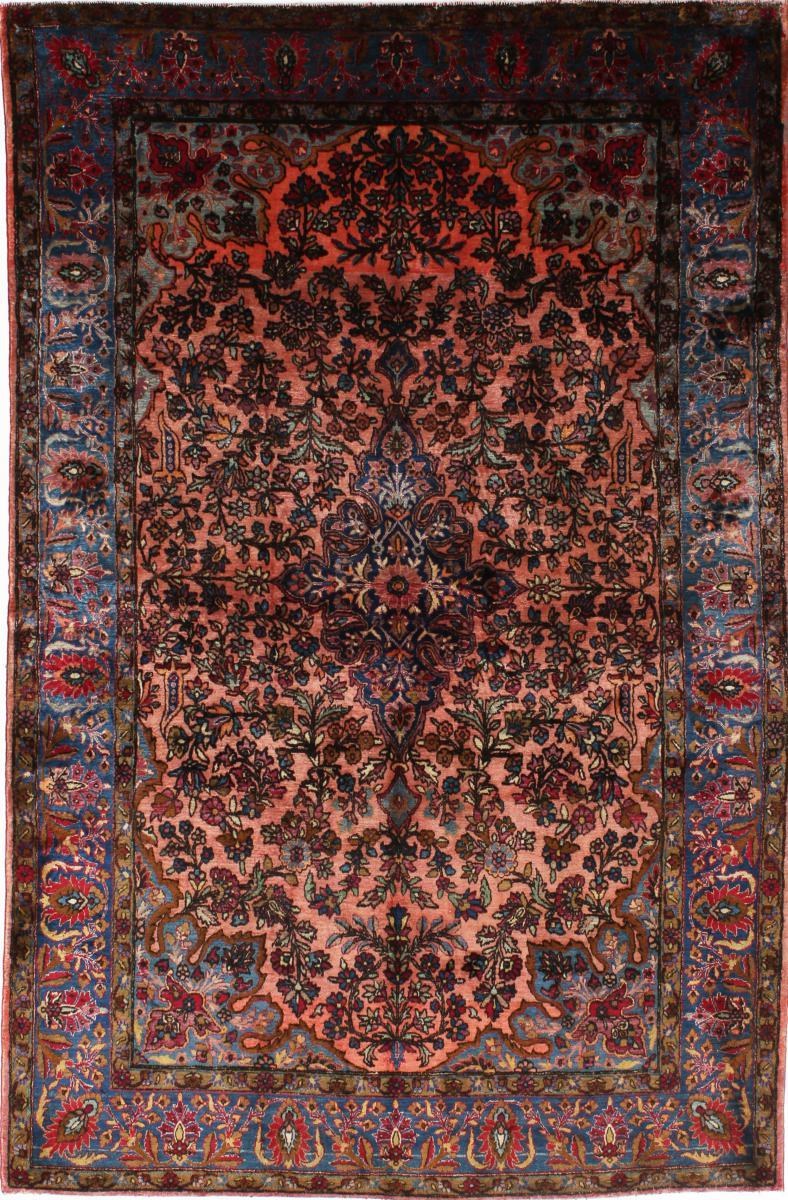
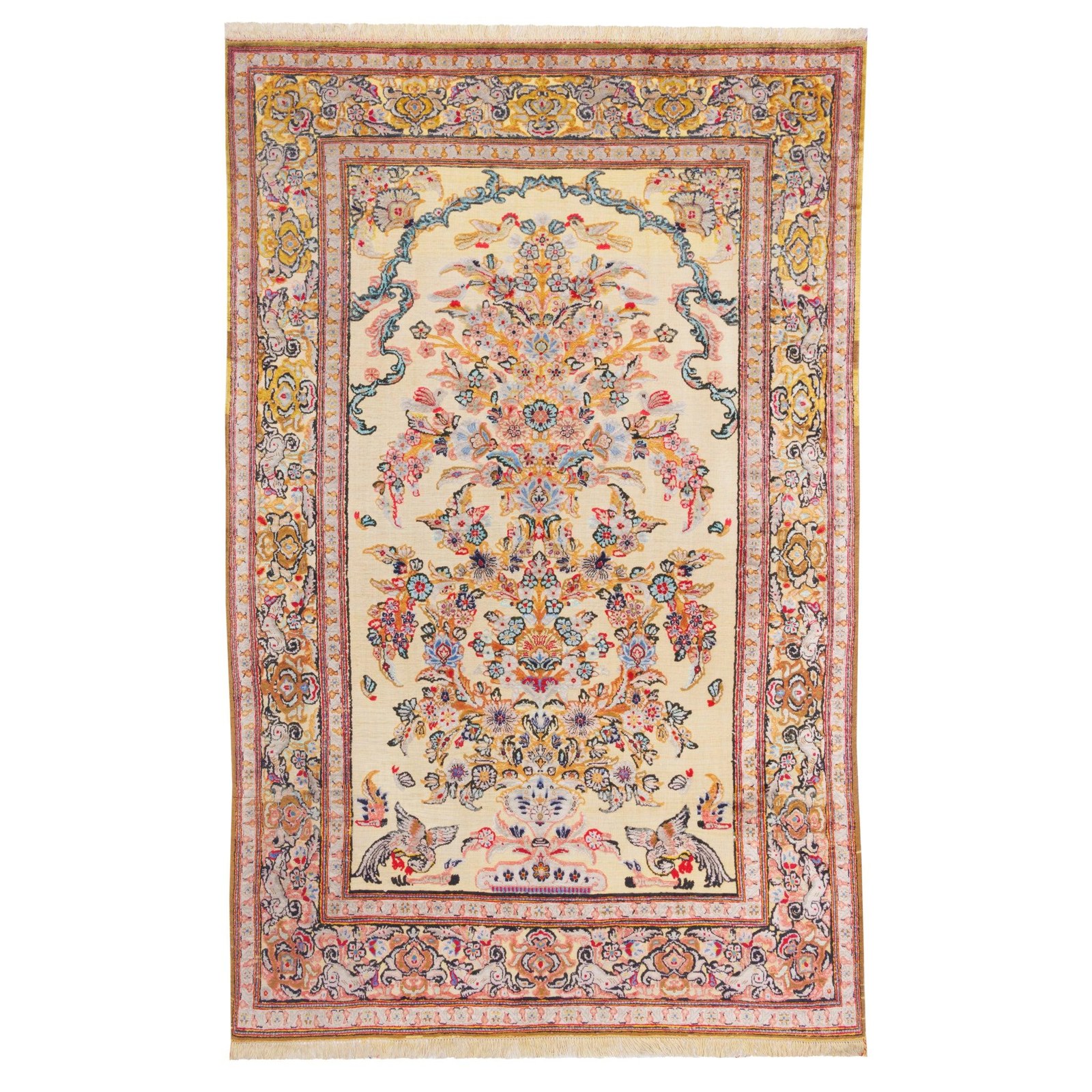
Listing image, date unverified · Nain Trading (photographer not stated) · Permission status not reviewed · Photo source ↗
Geography
A desert-margin city between the central plateau and the Karkas mountains.
Historical background
The dominant centre of lustre and Mina'i ceramic production in the Seljuk period; the word kashi (tile) derives from its name.
Major crafts
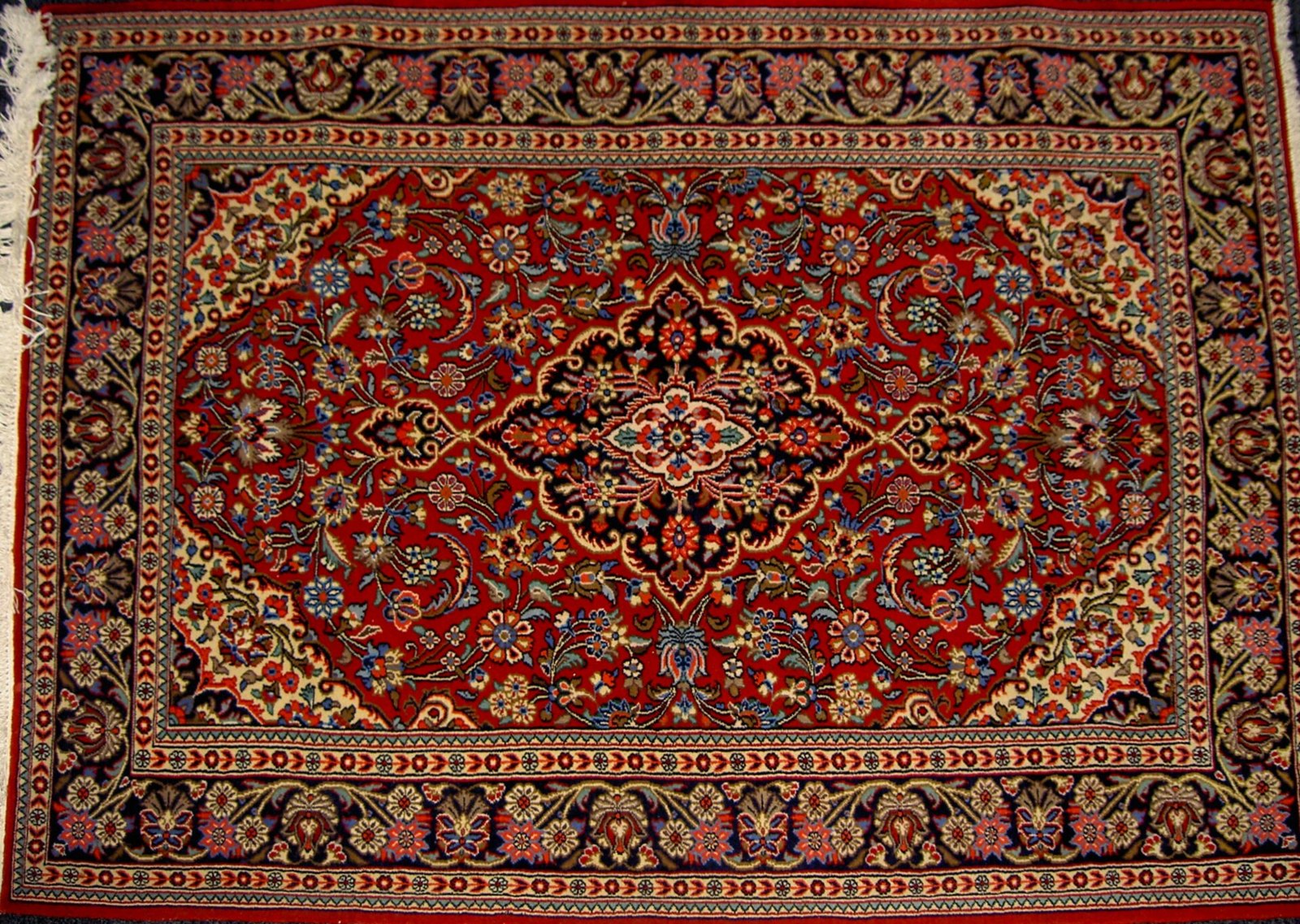 Persian carpetTextilesLiving tradition
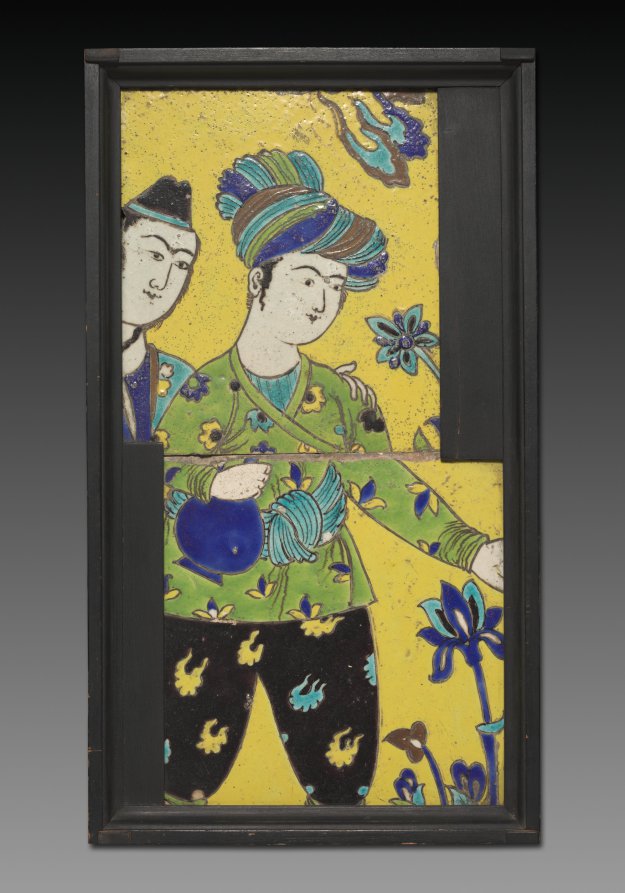 Haft-rang tileworkCeramicsLiving tradition
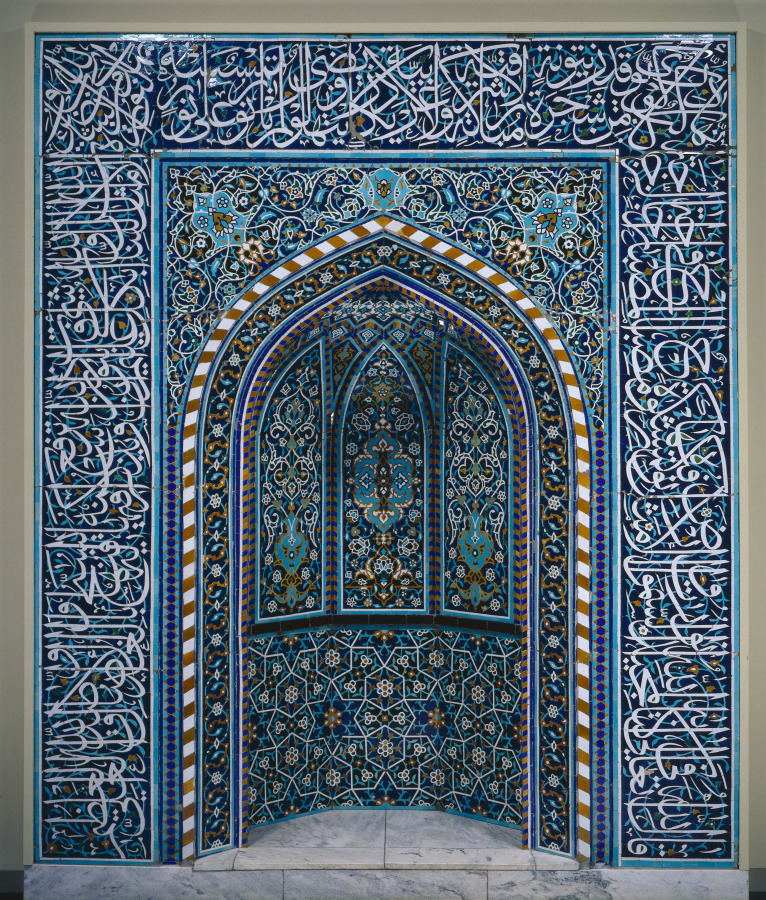 Moarraq tile mosaicCeramicsLiving tradition
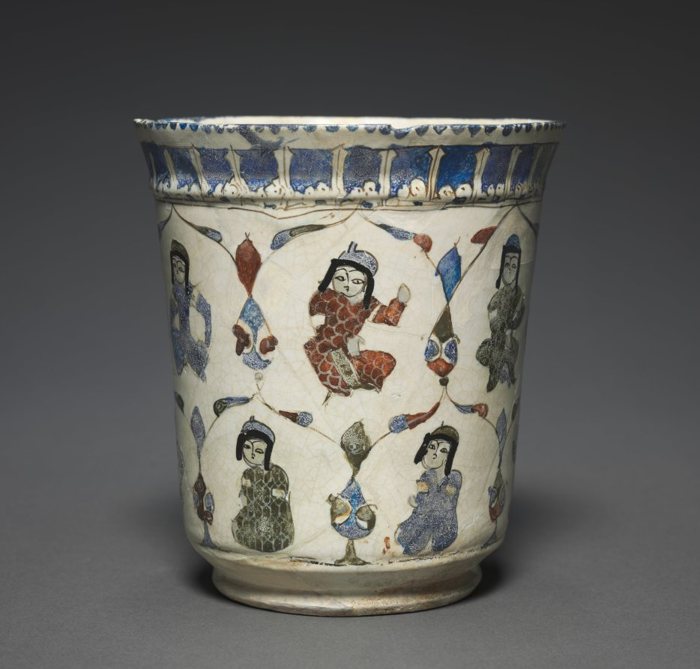 Mina'i wareCeramicsAt risk
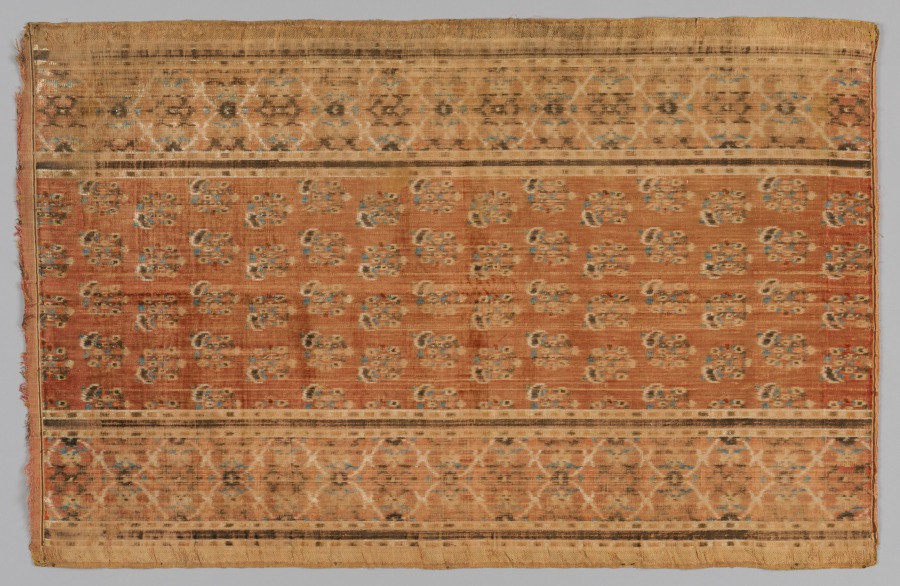 Velvet weaving (Makhmal-bafi)TextilesEndangered
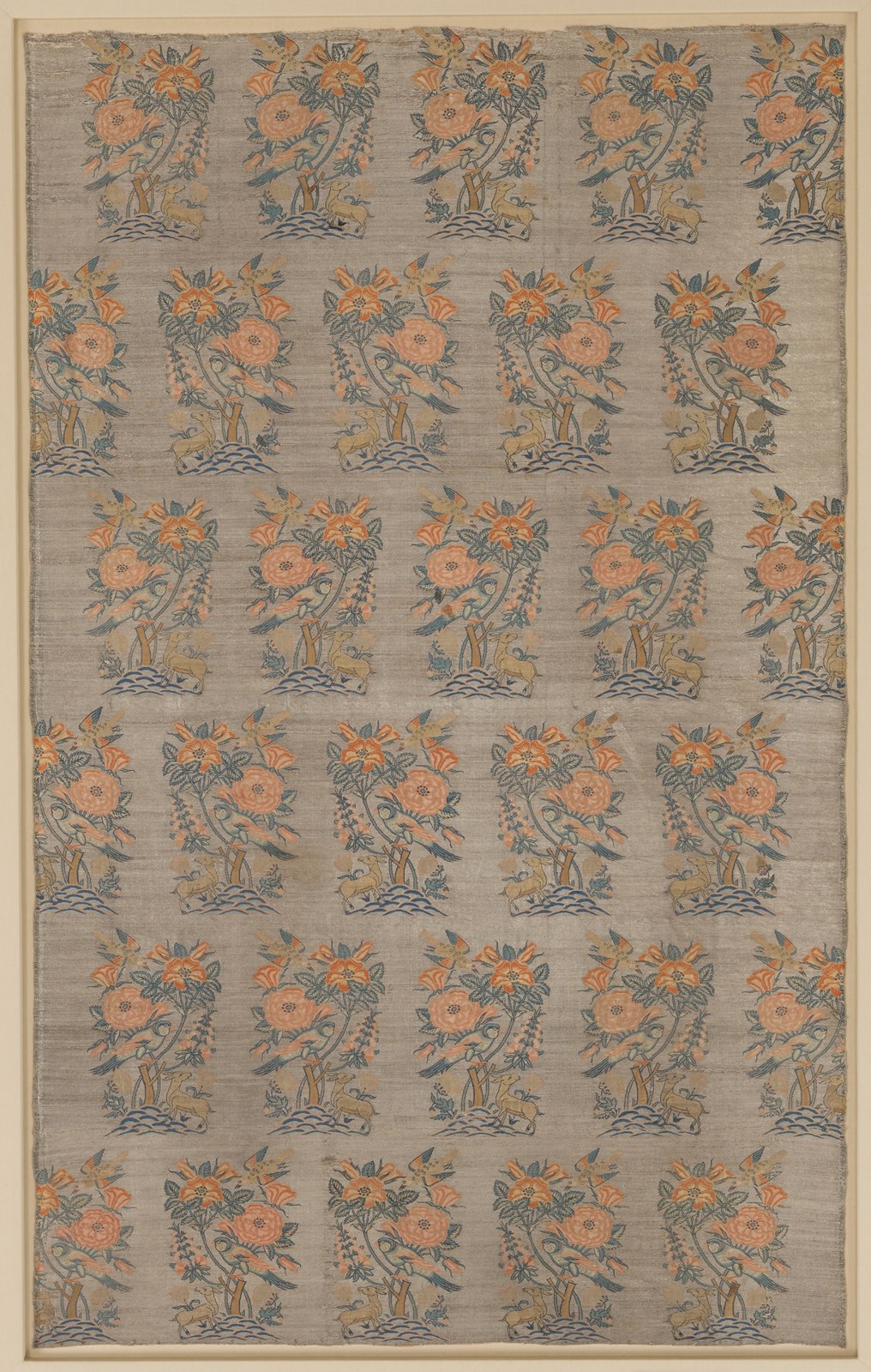 Brocade weaving (Zari-bafi)TextilesEndangered
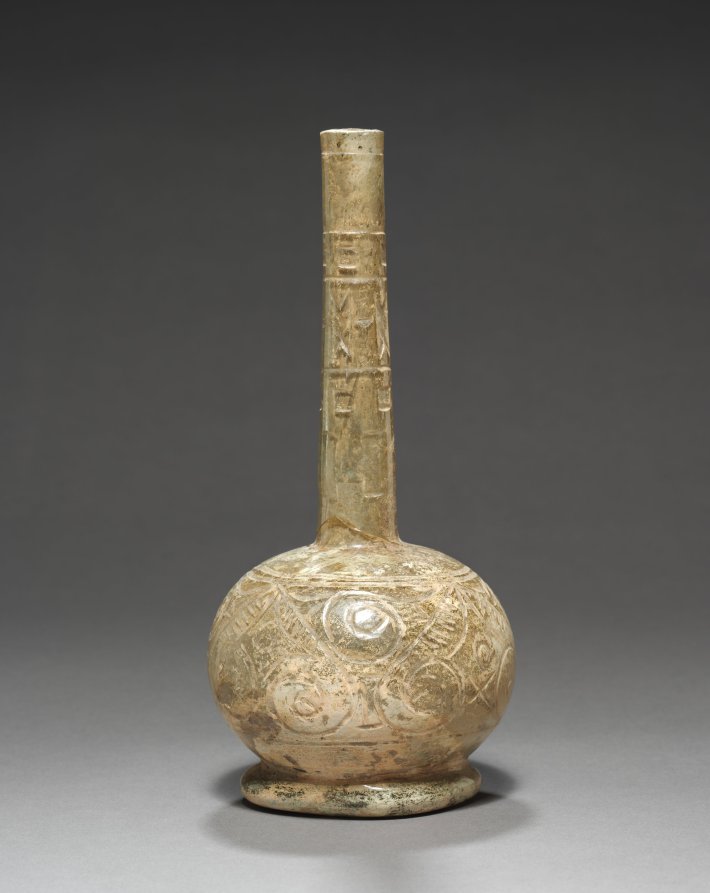 GlassmakingGlassAt risk
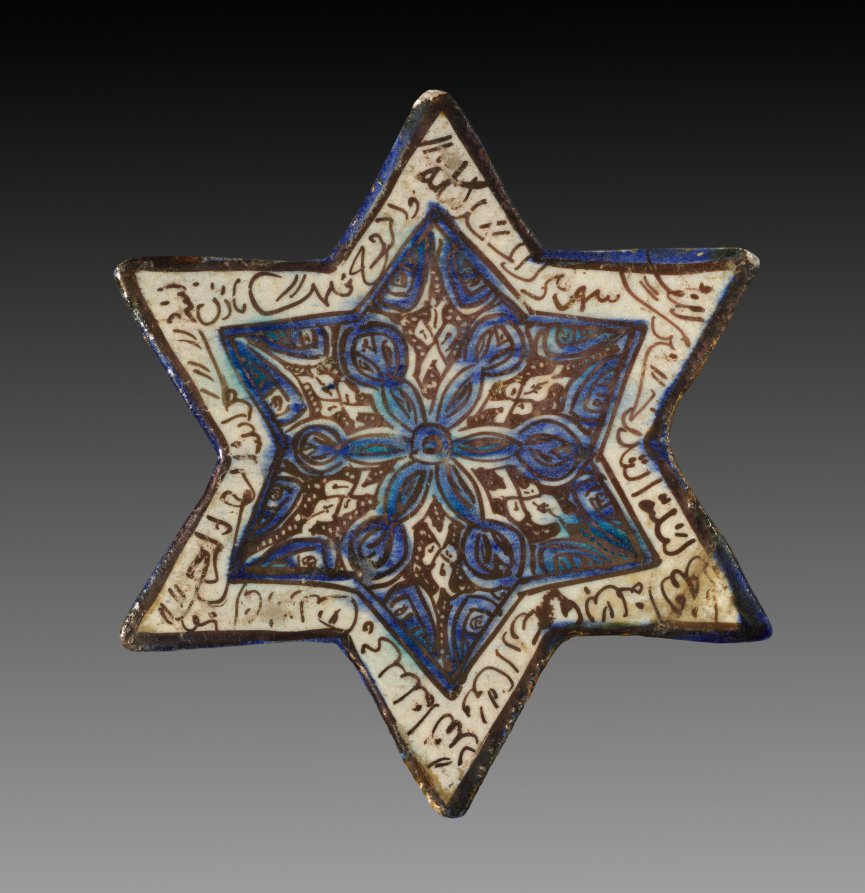 Lustreware (Zarrin-fam)CeramicsEndangered
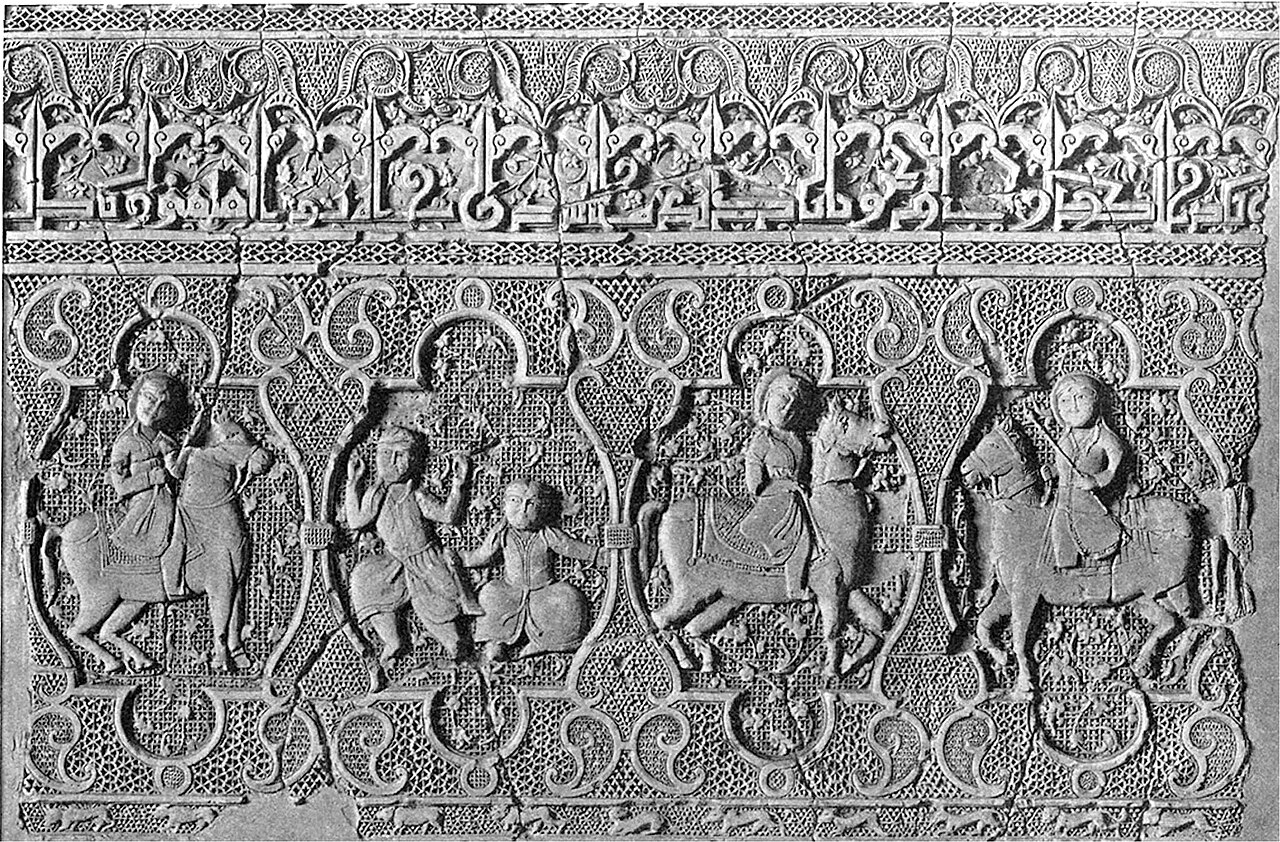 Stucco carving (Gach-bori)Architectural ornamentationLiving tradition
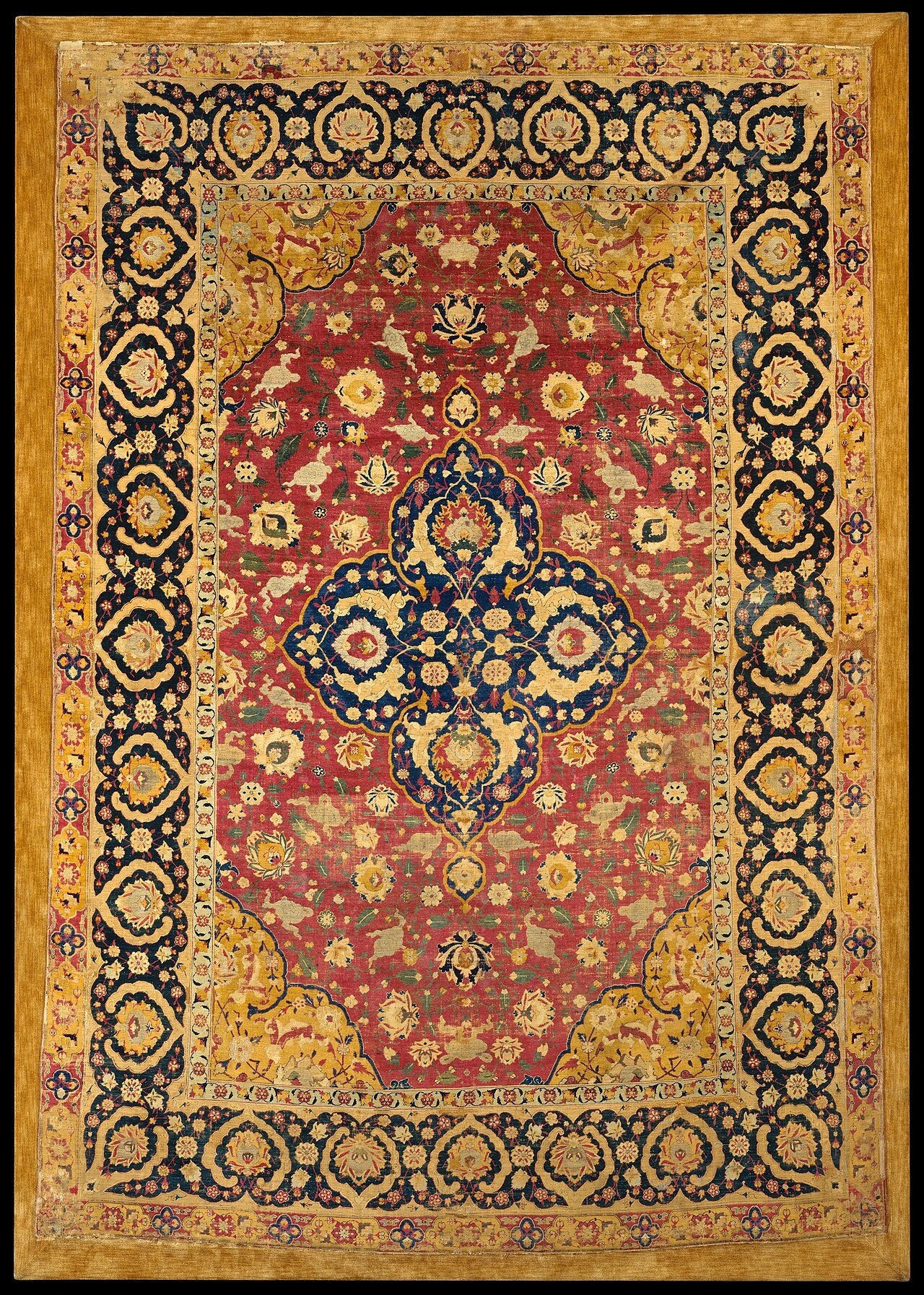 Kashan carpetTextilesLiving tradition
Objects from this region
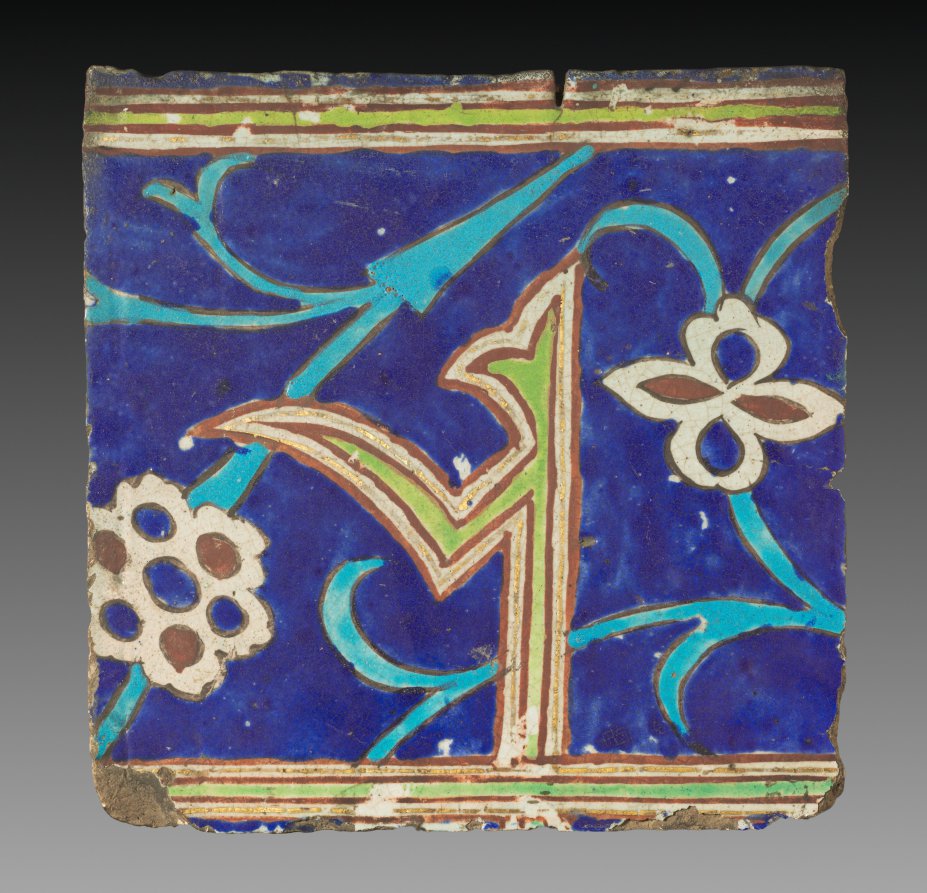
Cultural tourism
Markets and craft destinations documented here can be visited. Workshop access usually depends on the artisan; where a workshop receives visitors, that is noted on their profile.
- Province
- Isfahan
- Signature crafts
- Carpets, silk weaving, ceramics (historic lustre)
- Heritage
- Kashan carpet weaving on UNESCO list (2010)
- Nearby
- Fin Garden, Abyaneh
Carpets, silk and lustre
Kashan has a long textile history and is one of Iran's major carpet centres. In the medieval period it was renowned for lustre-painted ceramics and tiles; the Persian word kashi for tile is often linked to the city's name.
The traditional skills of carpet weaving in Kashan were inscribed by UNESCO in 2010 together with those of Fars.
- Carpets
- Velvet and silk (historic)
- Lustreware (historic)
- Rosewater distilling
- Copperwork
- Tilework
Working traditions and technique
Kashan weaving is a named living practice on UNESCO's intangible heritage list. Medieval ceramics from the city are a different historical category; a present-day tile or rug must be documented on its own terms.
A hand-knotted carpet can be inspected on its reverse for knot rows and its ends for warp continuity. Lustreware involves a ceramic glaze process rather than a carpet-making technique.
Visiting, collecting and documenting
For a claimed Kashan rug, request a maker or workshop record, fibre identification and condition photographs. A historic style, older-sounding label or UNESCO inscription does not authenticate a particular piece.
Observe working methods with permission; do not treat a market label, regional motif or heritage listing as evidence of the maker of an individual object.
Crafts of Kashan in photographs
Representative photographs only. Marketplace examples rely on seller descriptions; CraftPersia has not independently authenticated their maker, origin, or rights status. Follow each source link for the listing context.
Craft presence is a qualitative editorial rating (1–5) of how visible each tradition is in the region today, not a measured statistic.
| Tradition | Working method | Evidence to request |
|---|---|---|
| Kashan weaving | Pile knotted on a foundation | Back, selvedges and actual workshop evidence |
| Kashan-associated ceramics | Fired clay or stonepaste | Body, glaze and documented excavation or ownership history |
Timeline
- Medieval
Kashan is historically associated with lustre ceramics.
- 2010
Traditional carpet-weaving skills in Kashan inscribed by UNESCO.
- Today
Individual objects still need maker and ownership records.
References and further reading
These sources provide context, not authentication or provenance for an individual object. Editorial interpretations remain under review.