
What documented Giveh footwear looks like
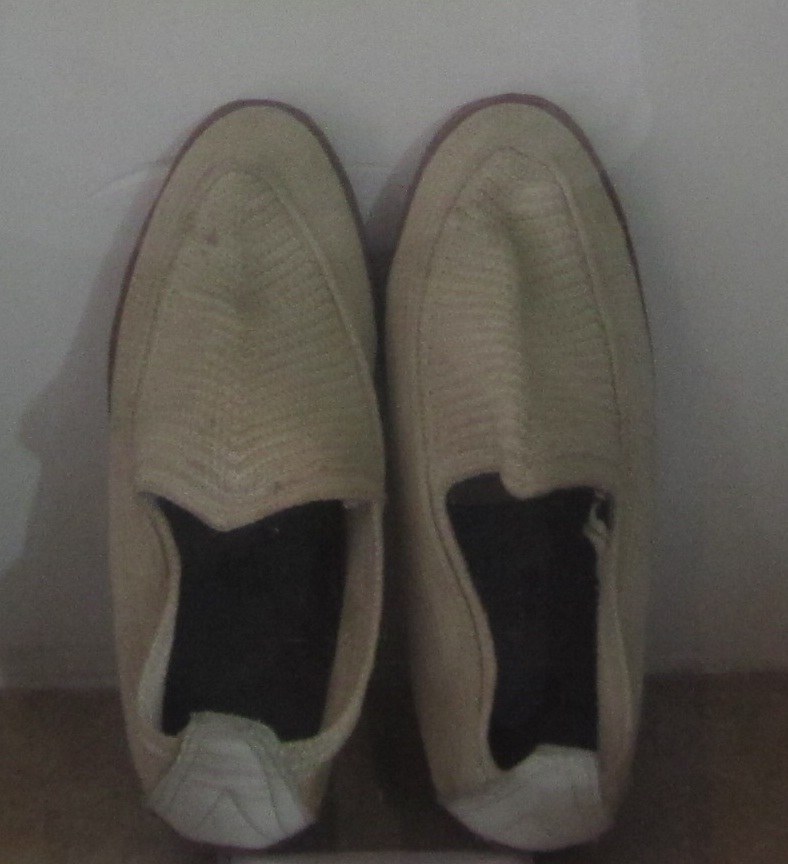
Reference photographs of documented Giveh footwear pieces, credited to their sources. Compare construction, surface and wear with any piece you are offered — a resemblance is not proof of origin.
Giveh footwear at a glance
| Persian name | گیوه |
| Category | Textiles · Footwear |
| Main techniques | giveh-stitching |
| Typical materials | cotton, leather |
| Places of making | isfahan, kerman |
| Current vitality | Living tradition |
Understanding Giveh footwear
What Giveh footwear is and how it is made
Definition
Giveh is a lightweight, breathable shoe with an upper made from tightly woven or crocheted cotton thread, historically favoured for its coolness in hot, dry climates and its comfort for long walking or working hours. The sole was traditionally built up from layers of pressed cotton cloth or from leather, stitched or pressed together and shaped to the foot.
The craft is closely tied to particular towns where giveh-making became a local specialty and export product, with makers dividing the work between those who weave the upper (givehbaf) and those who fashion the sole, reflecting a degree of craft specialisation within the trade.
History
Woven cotton footwear of this general type is documented in Iran through the Qajar and Pahlavi periods as everyday rural and working footwear, prized for being lighter and cooler than leather shoes in hot regions. Specific towns developed reputations for particularly fine or durable giveh, supplying wider regional and national markets.
Industrial footwear and imported manufactured shoes reduced everyday reliance on handmade giveh through the twentieth century, and heritage documentation notes a decline in the number of active givehbaf workshops, even as giveh has continued to be worn regionally and has found renewed interest in craft and heritage markets.
Materials
Fine cotton thread is used for weaving or crocheting the upper, chosen for strength and a smooth, tight surface finish. Soles have historically used pressed layers of cotton cloth, sometimes reinforced with leather or rubber in later, more durable versions.
- Cotton thread for the woven or crocheted upper
- Pressed cotton cloth for traditional soles
- Leather or rubber reinforcement for the sole in some regional or later versions
General background on the craft, not a statement about any individual object; dates and attributions summarise common positions in the literature and remain under review. Read the full Giveh footwear entry.
Before you buy: what to inspect
- A traditional giveh has a hand-crocheted or knitted cotton upper and a sole of compressed, stitched cotton rags.
- Look at the sole edge: the compressed cloth layers should be visible and tightly stitched.
- Check the stitching where the upper joins the sole.
Typical materials: cotton, leather.
Red flags: copies and 'Persian style' imports
- Factory canvas shoes with rubber soles sold as giveh.
- Machine-knitted uppers on moulded soles.
A genuine Giveh footwear piece should come with a named place of making in Iran (often isfahan, kerman) and a clear statement that it is handmade.
Questions to ask the seller
- Was the upper made by hand?
- What is the sole made of?
- Where was it made (for example Kermanshah or Kurdistan)?
What affects the price
| Hand-made upper |
| Sole construction |
| Maker |
| Size |
Care and cleaning
- Keep dry: cloth soles absorb water.
- Spot-clean the upper with a damp cloth; do not machine wash.
Storage
- Store dry and stuffed with paper to keep the shape.
Shipping
Light and robust; standard tracked post is fine.
Disclaimer
This guide is educational. It cannot confirm that any particular object is genuine, old or valuable. For important purchases, ask an independent specialist. Read the full Giveh footwear entry.