
Definition
Decoration of brass, bronze or steel vessels by setting silver, copper or gold into cut recesses, producing figurative scenes, inscriptions and ornament in contrasting colour.
History
Inlaid brass and bronze are strongly associated with Khorasan and western Iran in the 12th–14th centuries; many surviving objects have lost part of their inlay.
Dates and attributions here summarise common scholarly positions and are under editorial review; they are not definitive.
Technique
The design is engraved and undercut into the base metal; thin sheet or wire of a contrasting metal is hammered into the recesses so that the undercut locks it in place, then chased and polished.
Collecting and identification
Check for lost inlay, later re-inlay, inscriptions and surface wear; attributions of provenance for medieval pieces are often debated.
This guidance is educational only and is not an authentication or valuation service.
Reference samples
The reference samples on this page are documented objects in public collections, shown with their holding institution's attribution and licence. They illustrate the craft and are not for sale.
Gallery
Images are representative examples, not evidence for the sample marketplace records. Their sources and permission status are listed in the photography credits.
Marketplace
No objects of this craft are currently listed.
Reference samples in collections
Documented objects from museums, archives and auction records, shown for study. Not for sale; attributions are the holding institution's, not CraftPersia's.
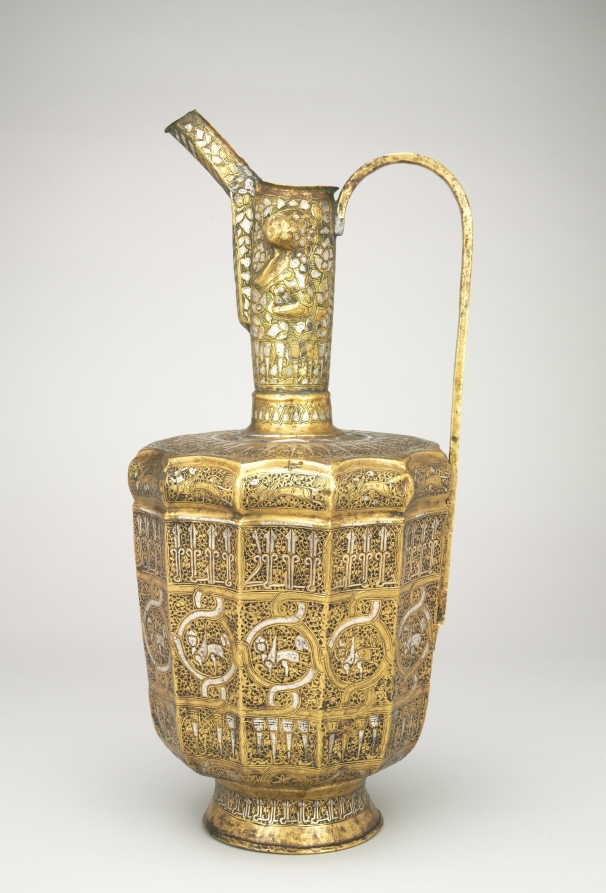
Twelve-sided Ewer with Sphinxes and Human-Headed Inscriptions
1300–1350
hammered sheet of brass inlaid with silver
Cleveland Museum of Art · 1945.27 · CC0 (museum open access)
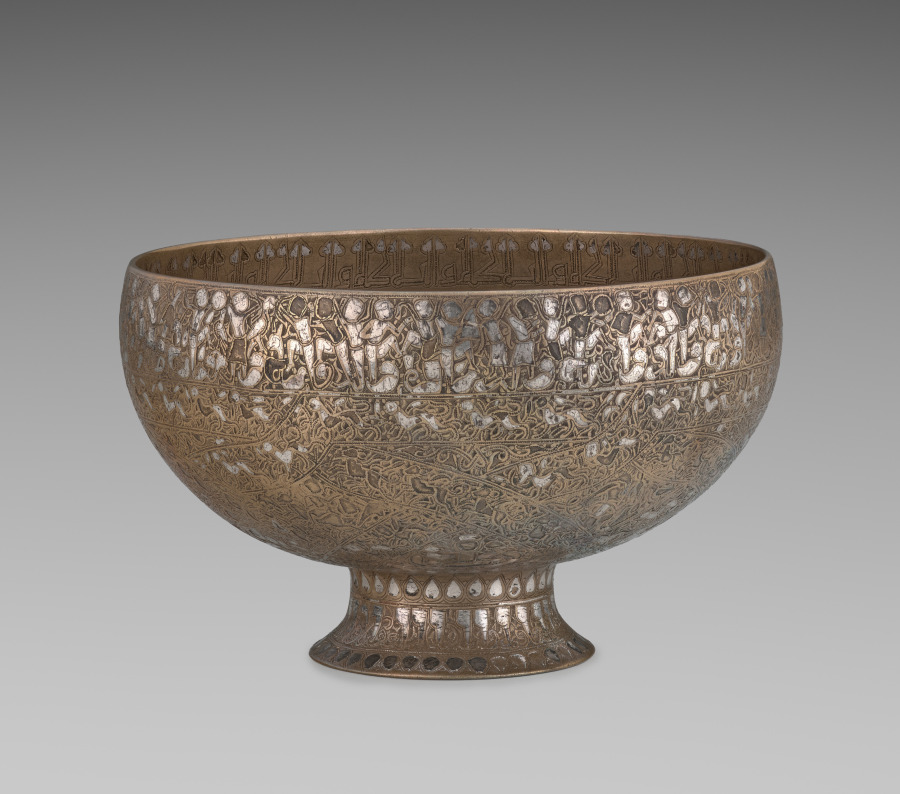
The Wade Cup with Animated Script
1200–1221
brass inlaid with silver
Cleveland Museum of Art · 1944.485 · CC0 (museum open access)
Sources & references
- Book: Wulff, H. E. The Traditional Crafts of Persia. MIT Press, 1966.
- Museum catalogue: Cleveland Museum of Art, Open Access collection records for Iranian objects (accessed 2026-09-24).
Where origins, dates or symbolism are contested, this entry states the competing readings rather than choosing between them. Editorial analysis is not presented as documented fact.