
The two crafts in photographs
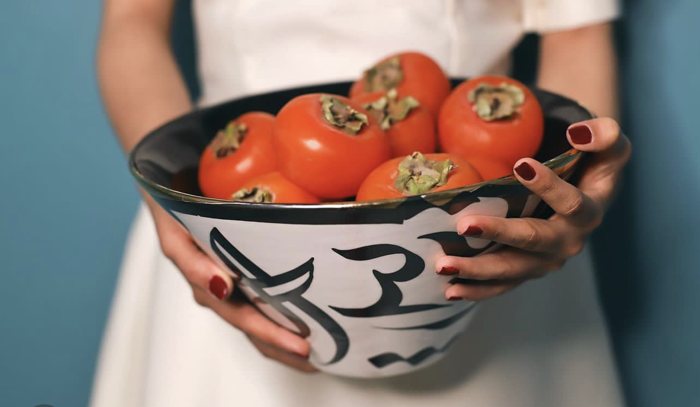
Lalejin pottery
Blue-and-white ceramics
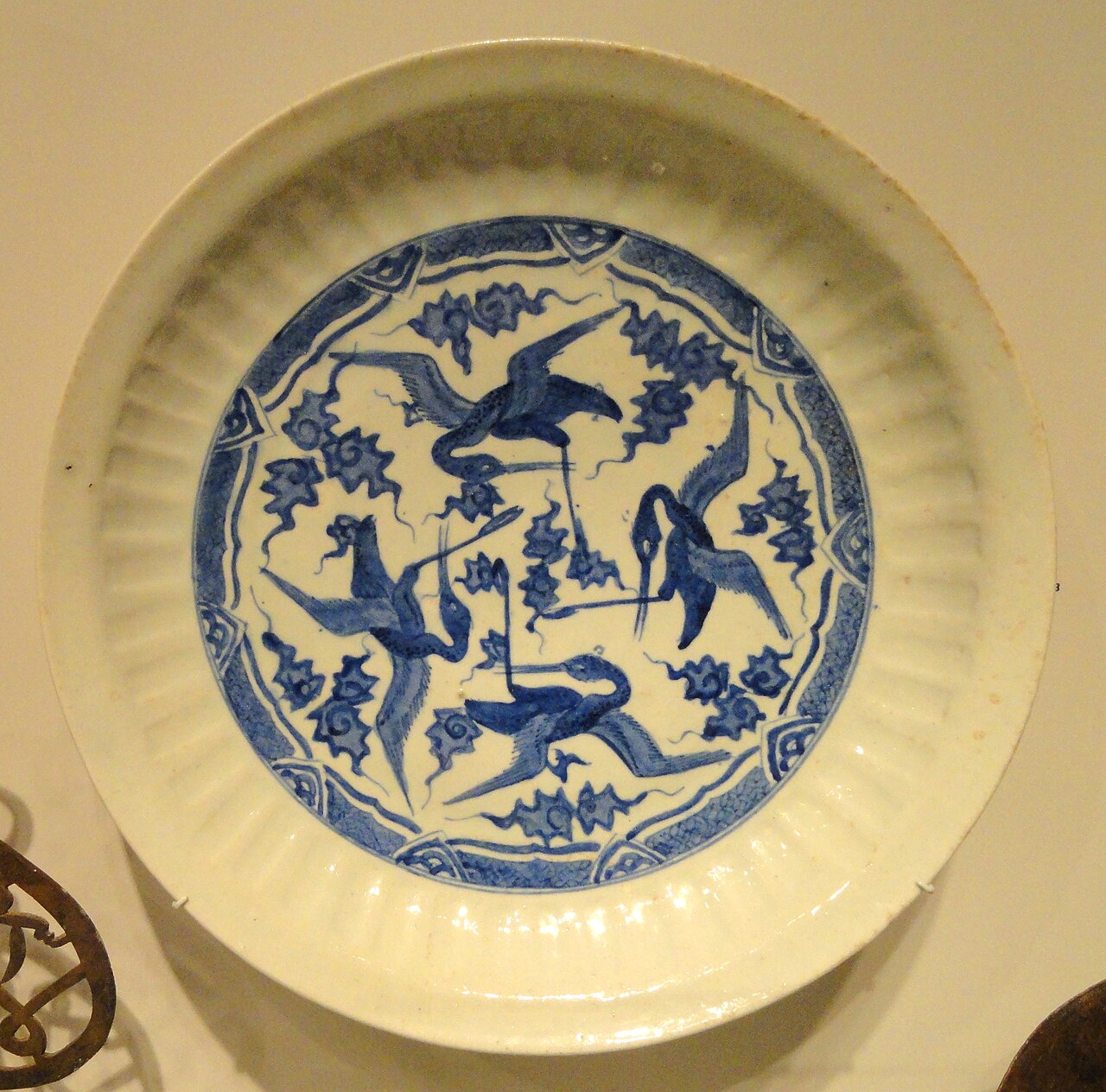
Photographs show documented examples of each craft for visual comparison; they do not prove what any other object is.
Side by side
| Lalejin pottery | Blue-and-white ceramics | |
|---|---|---|
| Persian name | سفال لالجین | سفالینه آبی و سفید |
| Category | Ceramics · Glazed and unglazed earthenware | Ceramics · Underglaze cobalt painting |
| Materials | Clay (earthenware) | Stonepaste (frit) |
| Techniques | Wheel throwing, Underglaze painting | Underglaze painting |
| Regions | Hamadan and Lalejin | Kerman, Mashhad |
| Periods | Qajar, Pahlavi, Contemporary | Timurid, Safavid, Qajar |
| Motifs | — | — |
| Current vitality | Living tradition | Living tradition |
What they share
- Techniques: Underglaze painting
- Periods: Qajar
How to tell them apart
- The Lalejin pottery record lists Clay (earthenware), which the Blue-and-white ceramics record does not.
- The Blue-and-white ceramics record lists Stonepaste (frit), which the Lalejin pottery record does not.
- Lalejin pottery typically involves Wheel throwing.
- A material listed for only one craft is a question to ask, not an identification test.
- The stated place of making is a useful clue, but never proof on its own.
Background on each craft
About Lalejin pottery
Definition
Lalejin pottery denotes the earthenware production of Lalejin, a town in Hamadan province long associated with ceramics, where a large concentration of small family workshops throw, mould, glaze and fire both utilitarian and decorative pieces. The town is often referred to in Iranian sources as a major national centre for pottery given the density of active kilns and workshops there.
Output ranges from plain unglazed storage jars and garden pots to glazed tableware, decorative vases and tiles, reflecting both a continuing domestic-use tradition and a shift toward decorative and tourist-facing production over the twentieth century.
History
Pottery production in the Hamadan region has a long background, and Lalejin's identity as a specialist ceramics town is well documented from the Qajar period onward, when local clay deposits and an established workshop base supported a concentrated craft economy. Precise dating of the town's earliest ceramic activity is less firmly established in published sources than its more recent history.
Through the Pahlavi period and into the present, Lalejin expanded from largely utilitarian ware toward a broader range of glazed decorative pottery, aided by government and cooperative support for the craft as a regional economic base, and the town continues to host a large number of active workshops relative to its size.
General background on the craft, not a statement about any individual object; dates and attributions summarise common positions in the literature and remain under review. Read the full Lalejin pottery entry.
About Blue-and-white ceramics
History
Safavid blue-and-white production is often associated with Kerman and Mashhad, though exact attribution of many pieces is debated. Some carry pseudo-Chinese marks.
Technique
Cobalt pigment is painted onto the unfired stonepaste body and covered with a transparent glaze, fixing the blue beneath the surface in a single firing.
General background on the craft, not a statement about any individual object; dates and attributions summarise common positions in the literature and remain under review. Read the full Blue-and-white ceramics entry.
Read more
Disclaimer
This comparison is educational and built from entries still under review. It cannot confirm what a particular object is.