
What documented Lalejin pottery looks like
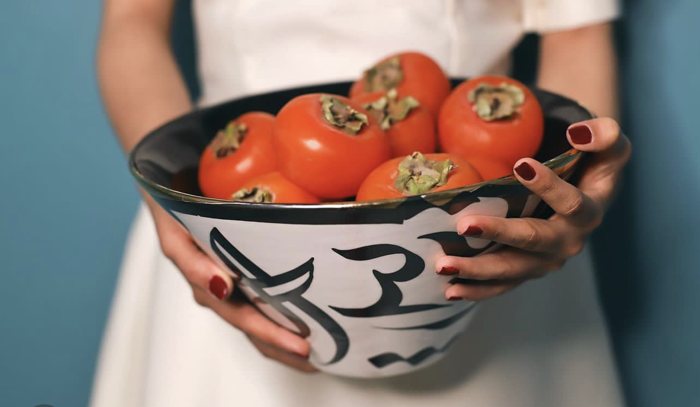
Reference photographs of documented Lalejin pottery pieces, credited to their sources. Compare construction, surface and wear with any piece you are offered — a resemblance is not proof of origin.
Lalejin pottery at a glance
| Persian name | سفال لالجین |
| Category | Ceramics · Glazed and unglazed earthenware |
| Main techniques | pottery-wheel, underglaze-painting |
| Typical materials | clay |
| Places of making | hamadan |
| Current vitality | Living tradition |
Understanding Lalejin pottery
What Lalejin pottery is and how it is made
Definition
Lalejin pottery denotes the earthenware production of Lalejin, a town in Hamadan province long associated with ceramics, where a large concentration of small family workshops throw, mould, glaze and fire both utilitarian and decorative pieces. The town is often referred to in Iranian sources as a major national centre for pottery given the density of active kilns and workshops there.
Output ranges from plain unglazed storage jars and garden pots to glazed tableware, decorative vases and tiles, reflecting both a continuing domestic-use tradition and a shift toward decorative and tourist-facing production over the twentieth century.
History
Pottery production in the Hamadan region has a long background, and Lalejin's identity as a specialist ceramics town is well documented from the Qajar period onward, when local clay deposits and an established workshop base supported a concentrated craft economy. Precise dating of the town's earliest ceramic activity is less firmly established in published sources than its more recent history.
Through the Pahlavi period and into the present, Lalejin expanded from largely utilitarian ware toward a broader range of glazed decorative pottery, aided by government and cooperative support for the craft as a regional economic base, and the town continues to host a large number of active workshops relative to its size.
Materials
Local red and buff earthenware clays are the traditional body material, sourced from deposits near the town. Glazes range from simple transparent or lead-based glazes on traditional utilitarian ware to a wider decorative palette on tableware intended for the market beyond the immediate region.
- Local red or buff earthenware clay
- Transparent and coloured lead or glass-based glazes
- Slips used for surface colour before glazing
- Underglaze pigments for painted decoration on tableware
General background on the craft, not a statement about any individual object; dates and attributions summarise common positions in the literature and remain under review. Read the full Lalejin pottery entry.
Before you buy: what to inspect
- Look at the unglazed foot ring — it shows the body clay (red earthenware or white stonepaste).
- Hand-painted decoration has slight variation in line weight and colour; transfers look perfectly even.
- Tap gently: a dull sound may indicate a hidden crack or old repair.
- Examine the glaze under raking light for crazing, chips and retouching.
Typical materials: clay.
Red flags: copies and 'Persian style' imports
- Decal or transfer printing sold as hand-painted.
- Artificial ageing (dirt rubbed into new pieces sold as antique).
- Antique claims with no provenance.
A genuine Lalejin pottery piece should come with a named place of making in Iran (often hamadan) and a clear statement that it is handmade.
Questions to ask the seller
- Is the decoration hand-painted?
- Is the glaze food-safe (lead-free)?
- Has the piece been restored?
What affects the price
| Hand-painting and detail |
| Size |
| Workshop or maker |
| Age and provenance |
| Condition |
Care and cleaning
- Treat decorative and older pieces as display-only unless the maker confirms food safety.
- Wash by hand in lukewarm water with mild soap; avoid dishwashers.
- Avoid sudden temperature changes, which cause cracking.
Storage
- Store with soft padding between pieces.
- Keep away from shelf edges and vibration.
Shipping
Ask for double-boxing with padding; fragile pieces are best insured.
Disclaimer
This guide is educational. It cannot confirm that any particular object is genuine, old or valuable. For important purchases, ask an independent specialist. Read the full Lalejin pottery entry.