
What documented Glassmaking looks like
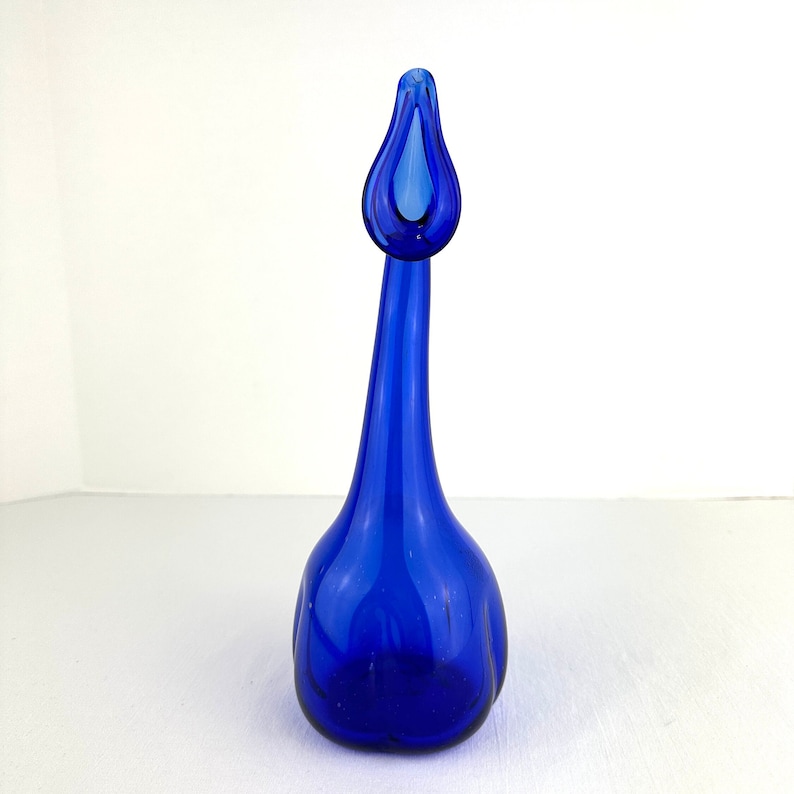
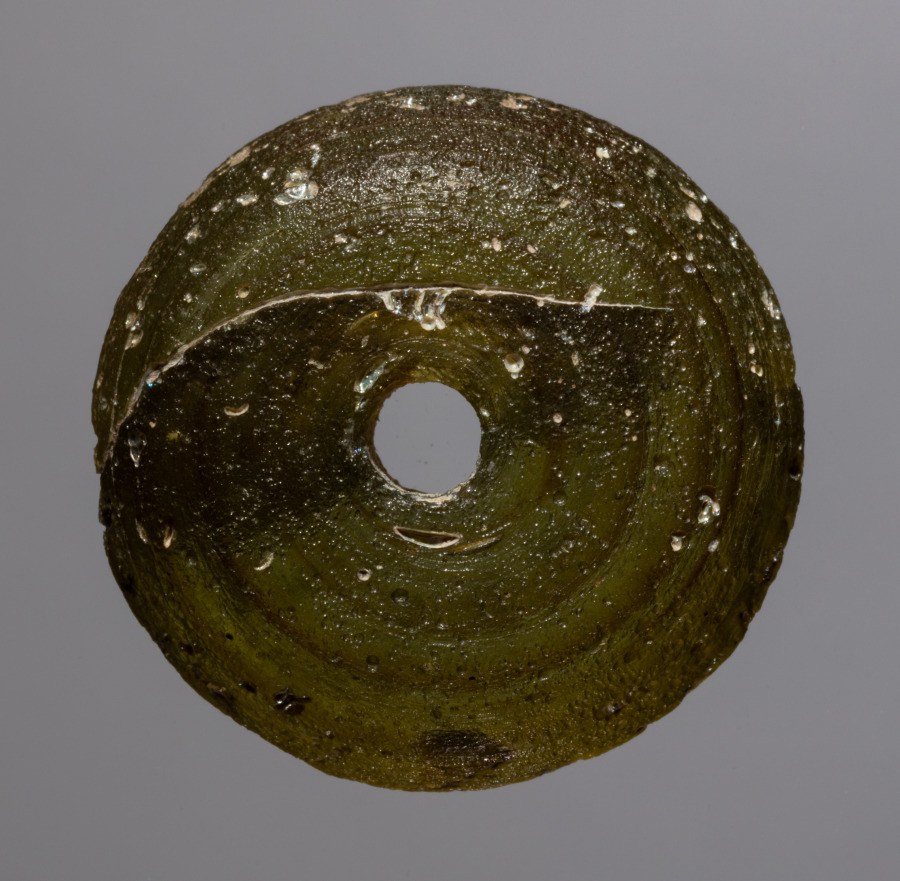
Reference photographs of documented Glassmaking pieces, credited to their sources. Compare construction, surface and wear with any piece you are offered — a resemblance is not proof of origin.
Glassmaking at a glance
| Persian name | شیشهگری |
| Category | Glass · Blown and moulded glass |
| Main techniques | — |
| Typical materials | — |
| Places of making | tabriz, shiraz, kashan |
| Current vitality | At risk |
Understanding Glassmaking
What Glassmaking is and how it is made
History
Glass vessels have been made on the Iranian plateau since antiquity. Long-necked Qajar and Safavid-style blown bottles are frequently attributed to Shiraz.
Technique
Glass is gathered on a blowpipe, inflated and worked by hand or into moulds; decoration may be cut, applied as trails or pressed from moulds.
Collecting and identification
Weathering (iridescence), bubbles, pontil marks and moulded patterns help identification; excavated glass is fragile and often restored.
This guidance is educational only and is not an authentication or valuation service.
General background on the craft, not a statement about any individual object; dates and attributions summarise common positions in the literature and remain under review. Read the full Glassmaking entry.
Before you buy: what to inspect
- Hand-blown glass has small bubbles and a pontil mark on the base.
- Colours in hand-blown glass vary slightly between pieces.
- Check for chips on rims.
Red flags: copies and 'Persian style' imports
- Moulded factory glass sold as hand-blown.
- No pontil mark and perfect uniformity.
A genuine Glassmaking piece should come with a named place of making in Iran (often tabriz, shiraz, kashan) and a clear statement that it is handmade.
Questions to ask the seller
- Was this blown by hand?
- Which workshop made it?
What affects the price
| Size |
| Colour |
| Workshop |
| Condition |
Care and cleaning
- Wash by hand in lukewarm water.
- Avoid sudden temperature changes.
Storage
- Keep on stable shelves, away from edges.
Shipping
Needs double-boxing and plenty of padding.
Illustrative examples in the archive
- Antique Persian Hand Blown Cobalt Glass Tear Catcher or Rose Water Sprinkler · Illustrative example · not for sale here
Disclaimer
This guide is educational. It cannot confirm that any particular object is genuine, old or valuable. For important purchases, ask an independent specialist. Read the full Glassmaking entry.