
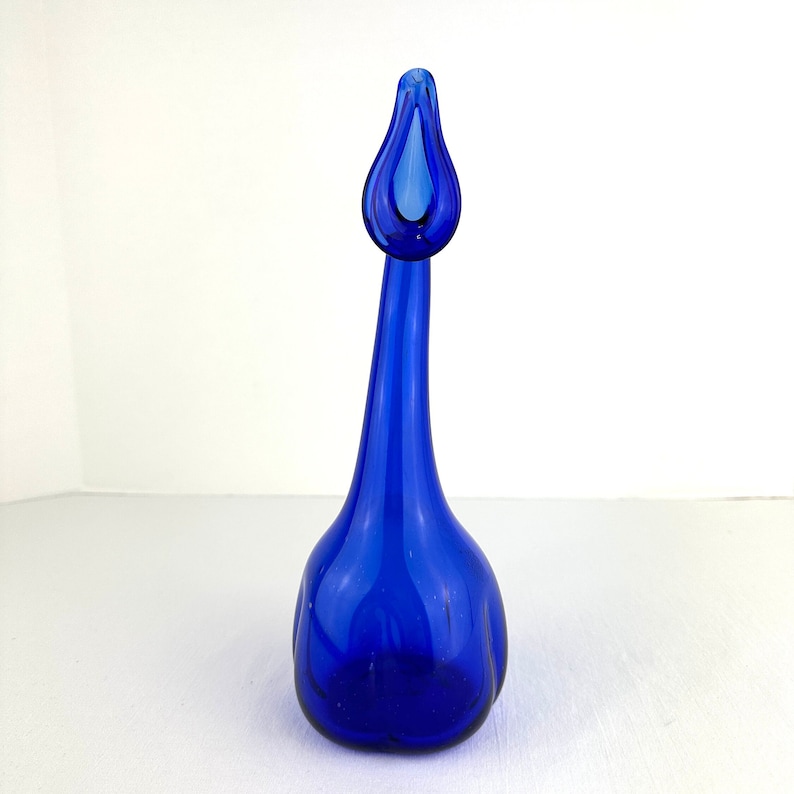
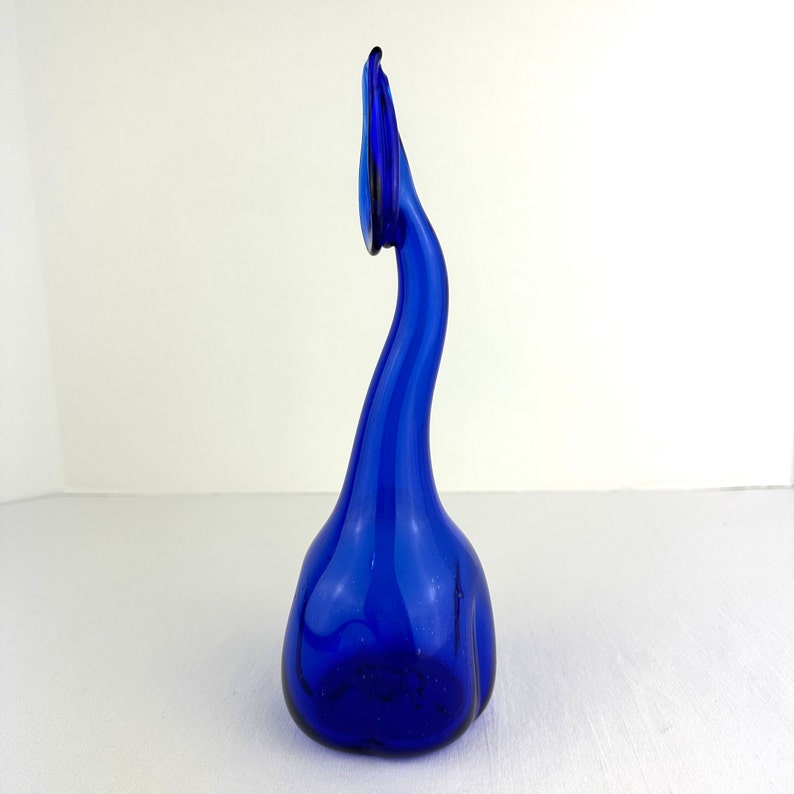
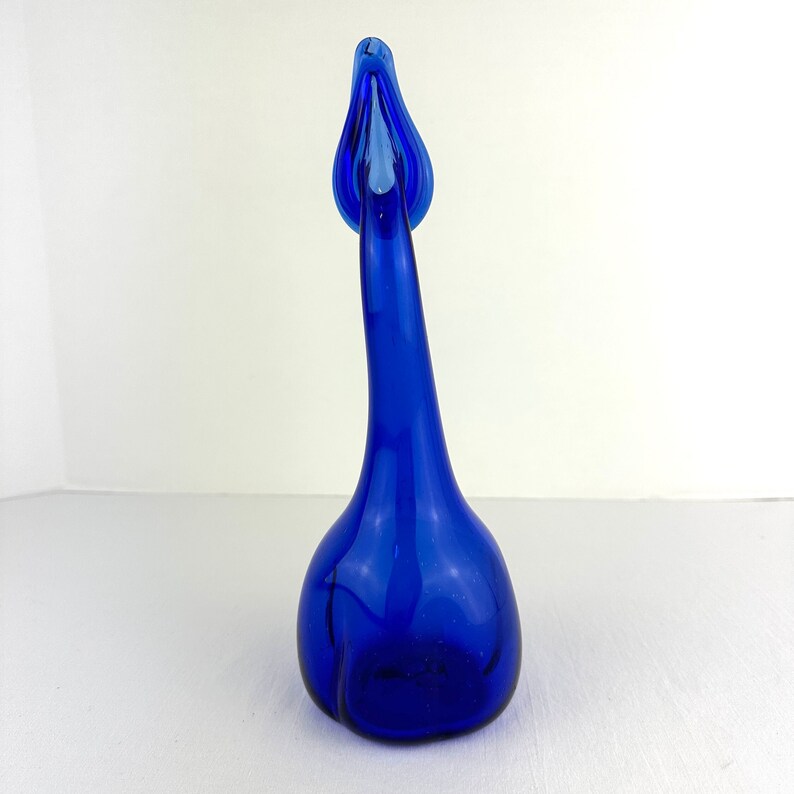
Photos and details come from a third-party Etsy listing, shown here as an illustrative example. CraftPersia has not inspected the object or verified the seller's claims, and the listing may have changed or ended since it was viewed.
Antique Persian Hand Blown Cobalt Glass Tear Catcher or Rose Water Sprinkler
This is a Persian antique cobalt blue handblown glass vessel believed to have been used as a tear catcher or perfume bottle. It dates back to the 19th century and is in excellent antique condition.
- Craft
- Glassmaking
- Region
- Shiraz
- Technique
- —
- Materials
- Cobalt blue glass
- Dimensions
- 3.25 inches in diameter at the bottom, 10 inches tall
- Weight
- Not stated
- Date
- Listing viewed 24 Sep 2026; listing unavailable when rechecked 28 Oct 2026
Condition
As described by the seller; not inspected by CraftPersia.
Provenance
Seller's own description on Etsy; origin and maker not verified.
Documentation
None reviewed.
This is illustrative sample documentation, not evidence for the pictured object. No seller or object claim has been independently verified. The archive does not certify authenticity.
Care
Follow the preservation guidance in the Glassmaking entry: light, humidity and physical support matter more than cleaning.
About Glassmaking
History
Glass vessels have been made on the Iranian plateau since antiquity. Long-necked Qajar and Safavid-style blown bottles are frequently attributed to Shiraz.
Technique
Glass is gathered on a blowpipe, inflated and worked by hand or into moulds; decoration may be cut, applied as trails or pressed from moulds.
Collecting and identification
Weathering (iridescence), bubbles, pontil marks and moulded patterns help identification; excavated glass is fragile and often restored.
This guidance is educational only and is not an authentication or valuation service.
General background on the craft, not a statement about any individual object; dates and attributions summarise common positions in the literature and remain under review. Read the full Glassmaking entry.
Checklist before buying Glassmaking
Inspect
- Hand-blown glass has small bubbles and a pontil mark on the base.
- Colours in hand-blown glass vary slightly between pieces.
- Check for chips on rims.
Red flags
- Moulded factory glass sold as hand-blown.
- No pontil mark and perfect uniformity.
Ask the seller
- Was this blown by hand?
- Which workshop made it?