
Definition
A silk weaving technique producing a cut or voided pile on a foundation weave, used in Iran for garments, cushion covers and furnishing panels, with figured Safavid velvets among the most studied survivals.
History
Figured silk velvets are associated in the literature with Safavid court production, with Kashan often cited as a centre. Surviving fragments are dispersed across museum collections, and attributions to particular workshops or dates are frequently tentative.
Dates and attributions here summarise common scholarly positions and are under editorial review; they are not definitive.
Technique
Velvet weaving requires a drawloom or similar figure-harness loom plus rods inserted beneath extra pile warps; cutting the loops over the rods produces the pile, while areas left uncut or woven flat create voided patterns and grounds sometimes wrapped with metal thread.
Collecting and identification
Pile direction, cut-versus-voided areas, metal-thread grounds and the loom width all help specialists compare pieces; wear commonly removes pile and exposes the foundation weave.
This guidance is educational only and is not an authentication or valuation service.
Reference samples
The reference samples on this page are documented objects in public collections, shown with their holding institution's attribution and licence. They illustrate the craft and are not for sale.
Gallery
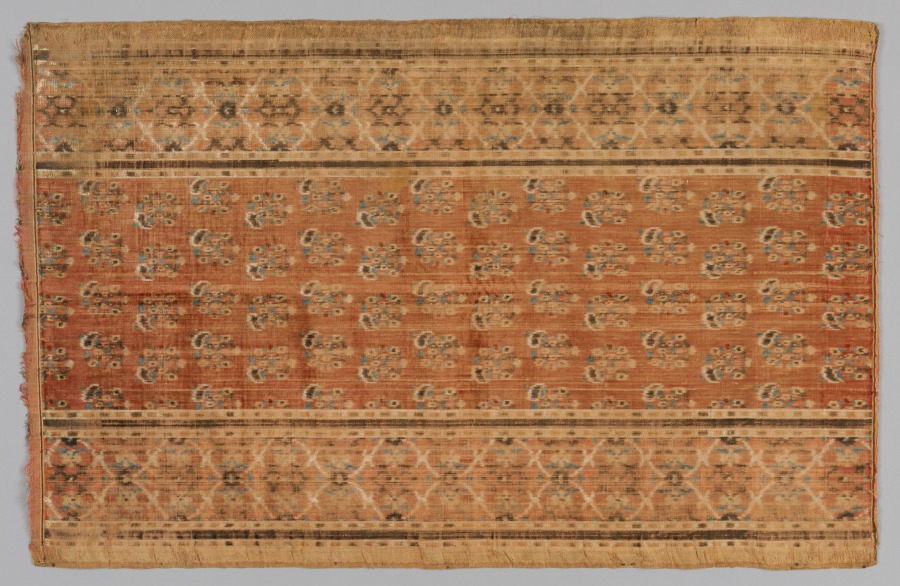
Images are representative examples, not evidence for the sample marketplace records. Their sources and permission status are listed in the photography credits.
Marketplace
No objects of this craft are currently listed.
Reference samples in collections
Documented objects from museums, archives and auction records, shown for study. Not for sale; attributions are the holding institution's, not CraftPersia's.
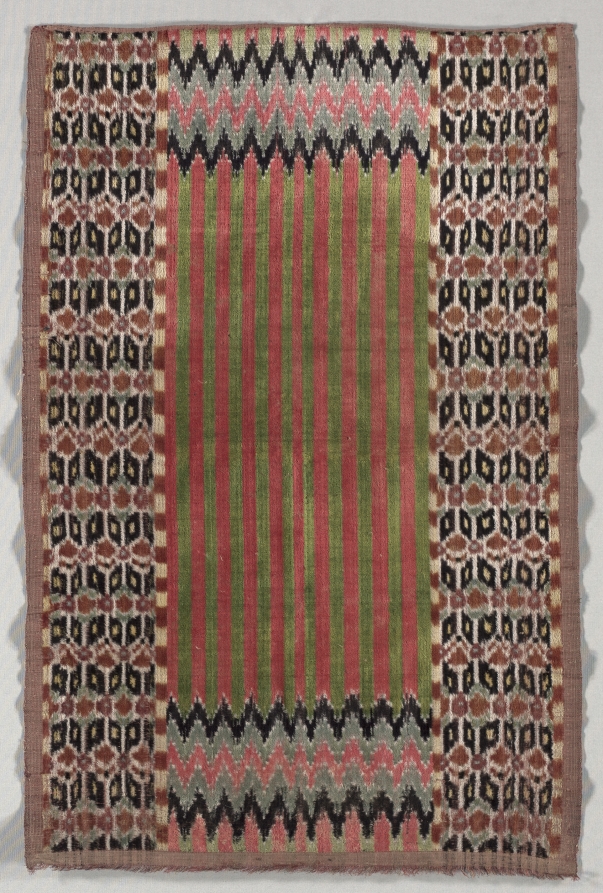
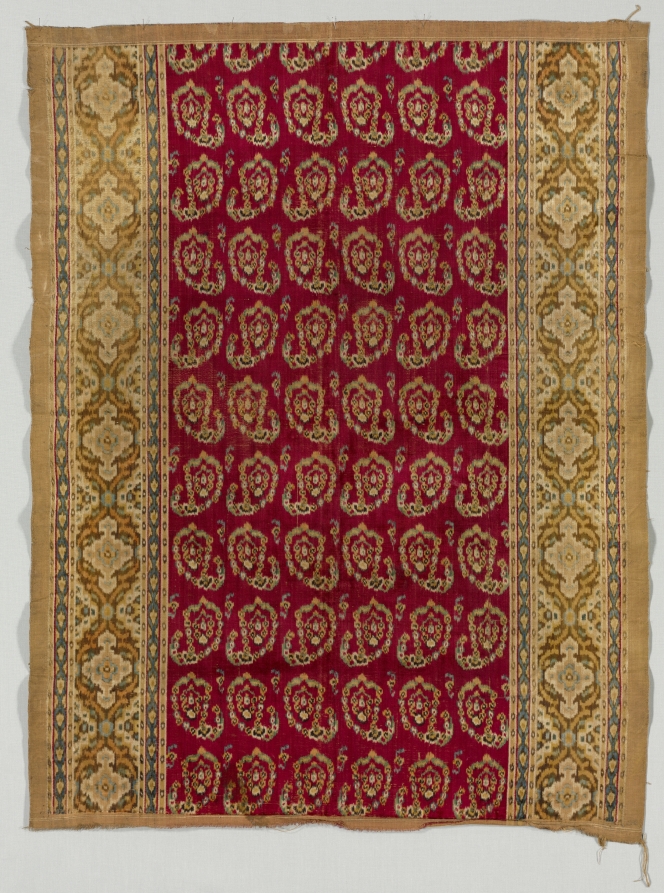
Velvet Panel "Kashan Velvet"
1800s
velvet
Cleveland Museum of Art · 1940.360 · CC0 (museum open access)
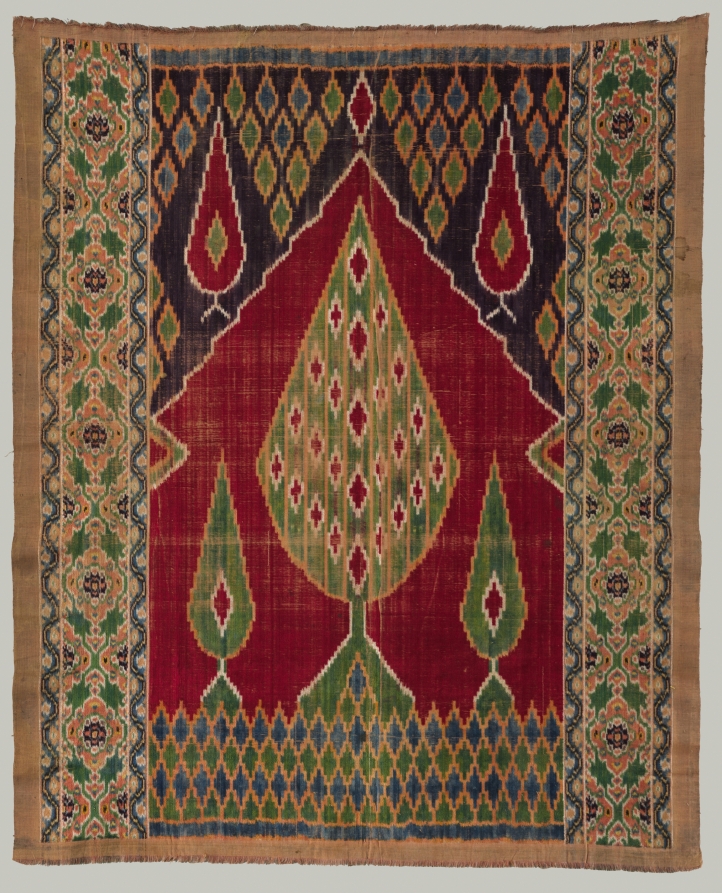
Sources & references
- Book: Wulff, H. E. The Traditional Crafts of Persia. MIT Press, 1966.
- Museum catalogue: Cleveland Museum of Art, Open Access collection records for Iranian objects (accessed 2026-09-24).
Where origins, dates or symbolism are contested, this entry states the competing readings rather than choosing between them. Editorial analysis is not presented as documented fact.