Definition
Gabbeh has a long pile, low knot count and heavy handle. Designs are composed at the loom rather than from a cartoon, so figures — animals, trees, human forms, bands of colour — are placed by judgement and are rarely symmetrical.
History
Gabbeh was long made for domestic use in pastoral households and attracted little commercial attention until the later twentieth century, when it was marketed internationally. That demand supported weavers but also introduced designed, workshop-made versions.
Identification
Genuinely pastoral gabbeh shows pronounced abrash, irregular borders and a wool foundation. Commercial versions woven to a design are more regular and often use a cotton foundation; both are legitimate products, but they are not the same thing and should not be sold as such.
Care
The heavy pile holds grit, so vacuum both faces periodically. Expect natural dyes to soften over time; strong initial contrast usually indicates recent synthetic dyeing.
Gallery
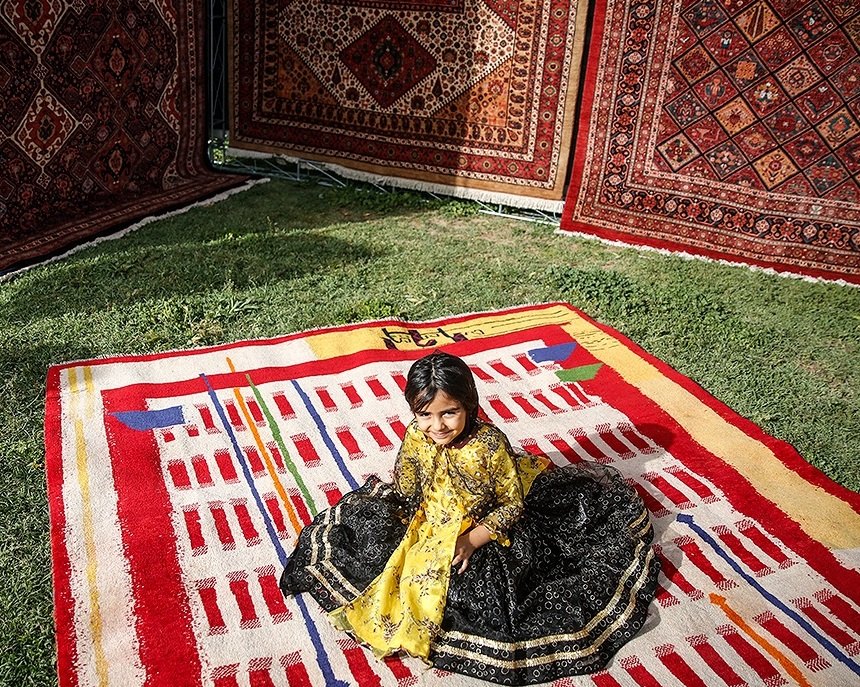
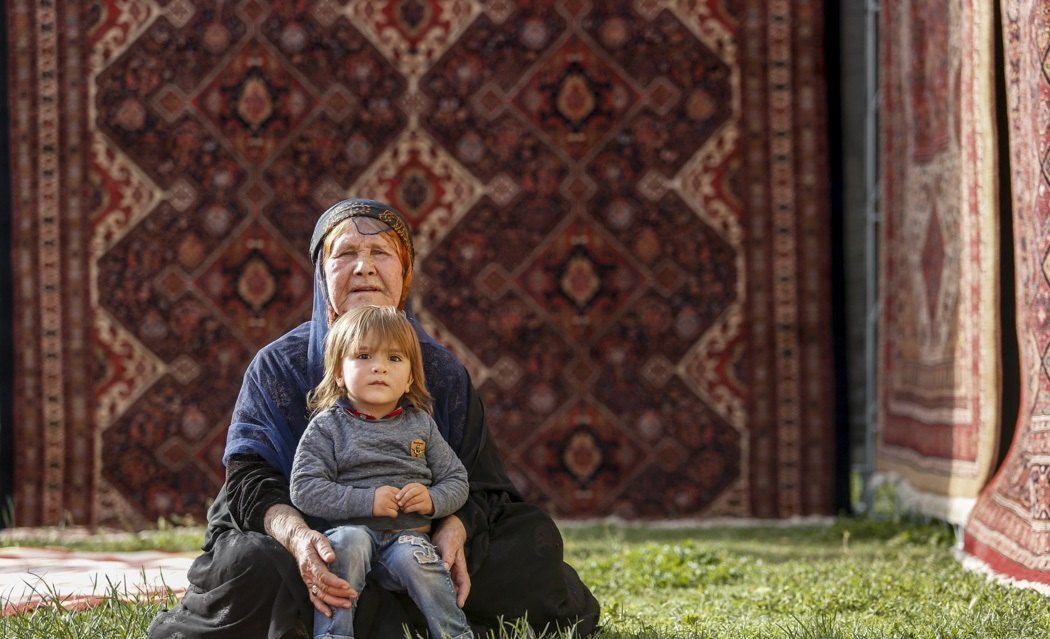
Images shown are documented examples and objects currently listed. Captions record what is known; where origin or date is an estimate it is labelled as such.
Marketplace
Sources & references
- Book: Tanavoli, P. Persian Flatweaves. Antique Collectors' Club, 2002.
- Interview: Interview series with Qashqai weavers, Fars, archive recordings.
Where origins, dates or symbolism are contested, this entry states the competing readings rather than choosing between them. Editorial analysis is not presented as documented fact.