
The two crafts in photographs
Steel openwork (Fulad-kari)
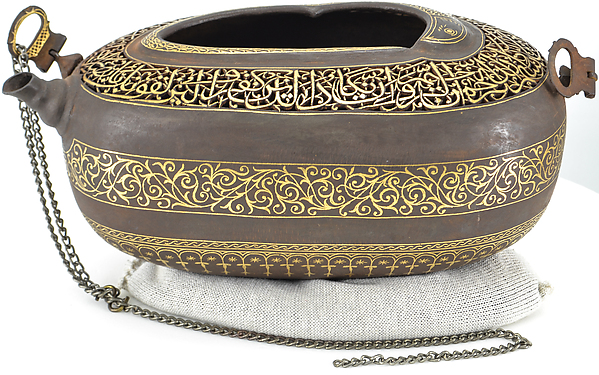
Jewellery and gem setting
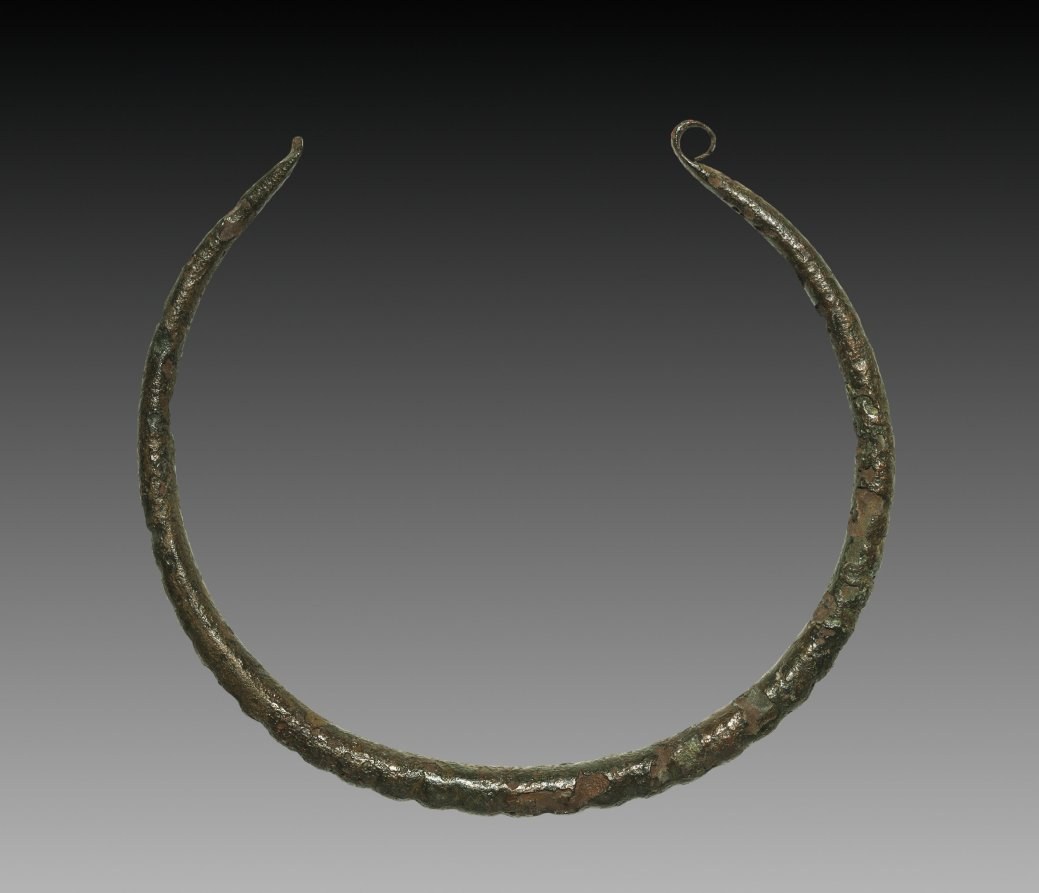
Photographs show documented examples of each craft for visual comparison; they do not prove what any other object is.
Side by side
| Steel openwork (Fulad-kari) | Jewellery and gem setting | |
|---|---|---|
| Persian name | فولادکاری | جواهرسازی |
| Category | Metalwork · Pierced and chiselled steel | Metalwork · Gold and silver jewellery |
| Materials | — | Silver, Turquoise |
| Techniques | Pierced steelwork | Wire filigree, Enamelling on metal |
| Regions | Isfahan | Isfahan, Mashhad |
| Periods | Safavid, Qajar | Seljuk, Safavid, Qajar, Contemporary |
| Motifs | Eslimi arabesque | — |
| Current vitality | Endangered | Living tradition |
What they share
- Regions: Isfahan
- Periods: Safavid, Qajar
How to tell them apart
- The Jewellery and gem setting record lists Silver, Turquoise, which the Steel openwork (Fulad-kari) record does not.
- Steel openwork (Fulad-kari) typically involves Pierced steelwork.
- Jewellery and gem setting typically involves Wire filigree, Enamelling on metal.
- A material listed for only one craft is a question to ask, not an identification test.
- The stated place of making is a useful clue, but never proof on its own.
Background on each craft
About Steel openwork (Fulad-kari)
History
Pierced steel plaques and processional standards are documented from the Safavid period and are well represented in museum collections.
Technique
Steel sheet or bar is cut, pierced and chiselled; fine openwork requires hardened tools and patient filing, and pieces may be gilded or damascened.
General background on the craft, not a statement about any individual object; dates and attributions summarise common positions in the literature and remain under review. Read the full Steel openwork (Fulad-kari) entry.
About Jewellery and gem setting
History
Medieval gold jewellery with granulation and filigree survives from Iran, alongside later Qajar enamelled and gem-set pieces. Many archaeological pieces lack a secure findspot.
Technique
Techniques include casting, granulation, filigree, repoussé, enamelling and stone setting; tribal pieces are commonly silver with coins, beads and chains.
General background on the craft, not a statement about any individual object; dates and attributions summarise common positions in the literature and remain under review. Read the full Jewellery and gem setting entry.
Read more
Disclaimer
This comparison is educational and built from entries still under review. It cannot confirm what a particular object is.