
What documented Jewellery and gem setting looks like
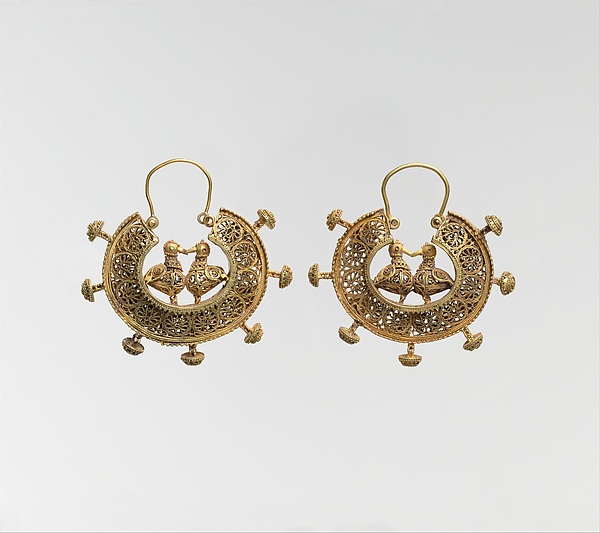
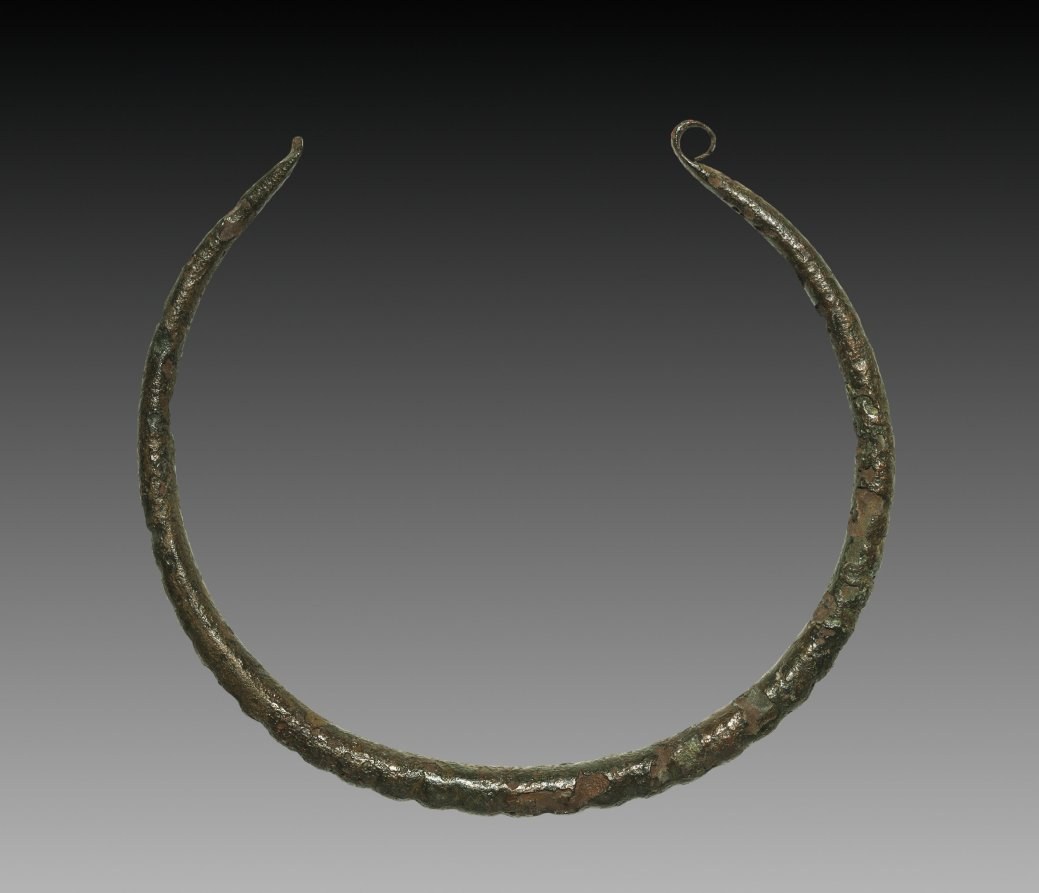

Reference photographs of documented Jewellery and gem setting pieces, credited to their sources. Compare construction, surface and wear with any piece you are offered — a resemblance is not proof of origin.
Jewellery and gem setting at a glance
| Persian name | جواهرسازی |
| Category | Metalwork · Gold and silver jewellery |
| Main techniques | wire-filigree, metal-enamelling |
| Typical materials | silver, turquoise |
| Places of making | isfahan, mashhad |
| Current vitality | Living tradition |
Understanding Jewellery and gem setting
What Jewellery and gem setting is and how it is made
History
Medieval gold jewellery with granulation and filigree survives from Iran, alongside later Qajar enamelled and gem-set pieces. Many archaeological pieces lack a secure findspot.
Technique
Techniques include casting, granulation, filigree, repoussé, enamelling and stone setting; tribal pieces are commonly silver with coins, beads and chains.
Collecting and identification
Metal content, construction method and later repairs are key; stone identification needs a qualified gemmologist.
This guidance is educational only and is not an authentication or valuation service.
General background on the craft, not a statement about any individual object; dates and attributions summarise common positions in the literature and remain under review. Read the full Jewellery and gem setting entry.
Before you buy: what to inspect
- Look at the surface decoration under magnification: hand-worked lines and settings vary slightly, while cast or machine-stamped work is perfectly uniform.
- Check for hallmarks or purity stamps on silver and gold, and ask what they mean.
- Inspect joints and solder points for quality.
Typical materials: silver, turquoise.
Red flags: copies and 'Persian style' imports
- 'Silver-tone' or 'silver-coloured' wording (means plated or base metal).
- Very light weight for the size.
- Cast reproductions of hand-worked designs.
A genuine Jewellery and gem setting piece should come with a named place of making in Iran (often isfahan, mashhad) and a clear statement that it is handmade.
Questions to ask the seller
- What is the metal and its purity?
- Was the decoration worked by hand or cast?
- Is the piece plated?
What affects the price
| Metal and weight |
| Hand-worked detail |
| Maker |
| Age |
Care and cleaning
- Polish silver gently with a soft cloth; avoid harsh chemical dips.
- Keep pieces away from knocks and sudden heat.
- Remove jewellery before swimming, cleaning or applying perfume.
Storage
- Store silver in anti-tarnish cloth or a closed box.
- Keep pieces separate so they don't scratch each other.
Shipping
Small, valuable items should be sent insured with a signature on delivery.
Disclaimer
This guide is educational. It cannot confirm that any particular object is genuine, old or valuable. For important purchases, ask an independent specialist. Read the full Jewellery and gem setting entry.