
What documented Instrument making (Saz-sazi) looks like
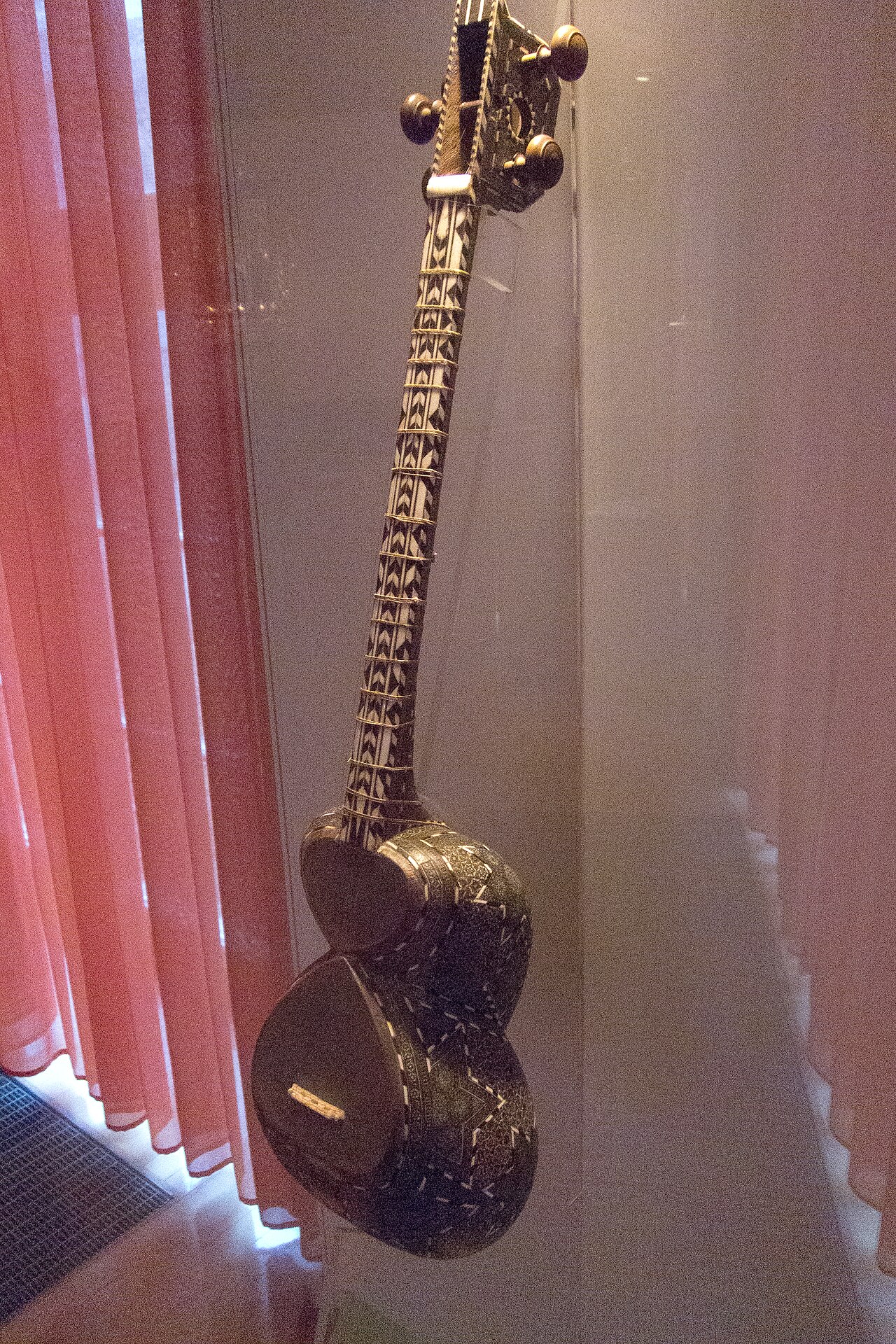
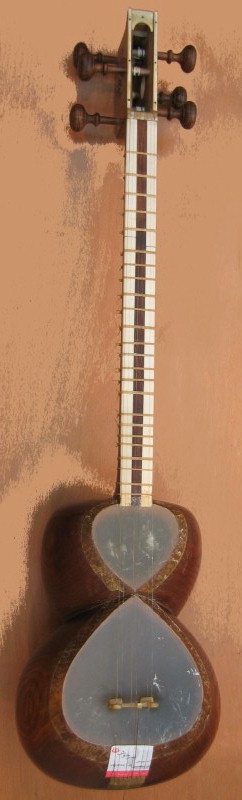
Reference photographs of documented Instrument making (Saz-sazi) pieces, credited to their sources. Compare construction, surface and wear with any piece you are offered — a resemblance is not proof of origin.
Instrument making (Saz-sazi) at a glance
| Persian name | سازسازی |
| Category | Musical instruments · Traditional string instruments |
| Main techniques | — |
| Typical materials | walnut-wood |
| Places of making | isfahan, shiraz, tabriz |
| Current vitality | Living tradition |
Understanding Instrument making (Saz-sazi)
What Instrument making (Saz-sazi) is and how it is made
History
Instrument making in its present forms is well documented from the Qajar period; several instruments are part of UNESCO-listed musical heritage inscriptions.
Technique
Bodies are carved from mulberry or walnut or assembled from staves; tar and kamancheh use a stretched skin membrane; decoration may include khatam or bone inlay.
Collecting and identification
Examine membrane, repairs to neck and pegs, and later decorative additions; playability and historic value are different questions.
This guidance is educational only and is not an authentication or valuation service.
General background on the craft, not a statement about any individual object; dates and attributions summarise common positions in the literature and remain under review. Read the full Instrument making (Saz-sazi) entry.
Before you buy: what to inspect
- Check the neck is straight and the joints are sound.
- Ask for a sound sample or video.
- Look at inlay and finish quality.
Typical materials: walnut-wood.
Red flags: copies and 'Persian style' imports
- Decorative-only instruments sold as playable.
- Factory instruments with added ornament.
A genuine Instrument making (Saz-sazi) piece should come with a named place of making in Iran (often isfahan, shiraz, tabriz) and a clear statement that it is handmade.
Questions to ask the seller
- Is it playable and set up?
- Which maker made it?
- Are the strings and skin included?
What affects the price
| Maker |
| Wood and skin quality |
| Sound |
| Ornament |
Care and cleaning
- Keep in a case with stable humidity.
- Loosen strings when storing for long periods.
Storage
- Avoid radiators, windows and damp rooms.
Shipping
Ship in a hard case with the strings loosened.
Disclaimer
This guide is educational. It cannot confirm that any particular object is genuine, old or valuable. For important purchases, ask an independent specialist. Read the full Instrument making (Saz-sazi) entry.