
What documented Leatherwork (Charm-duzi) looks like
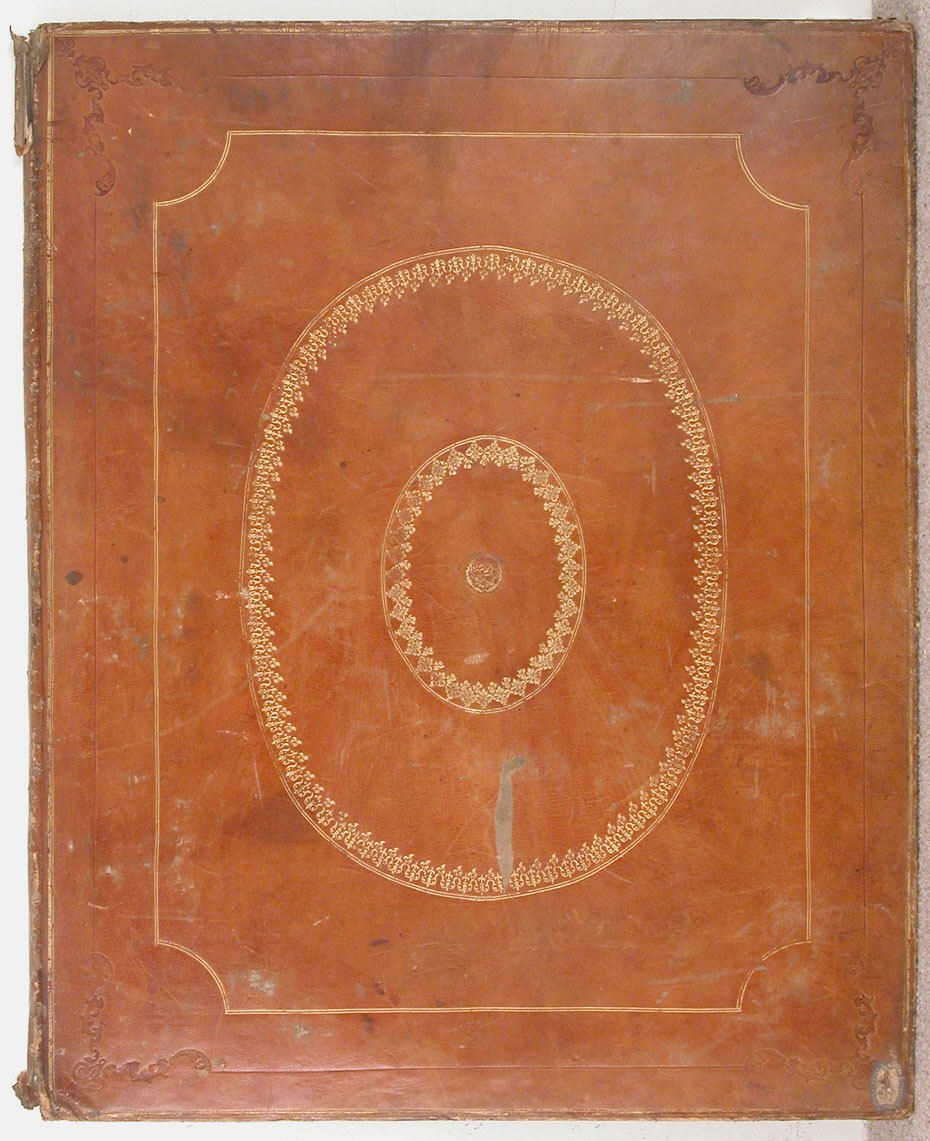
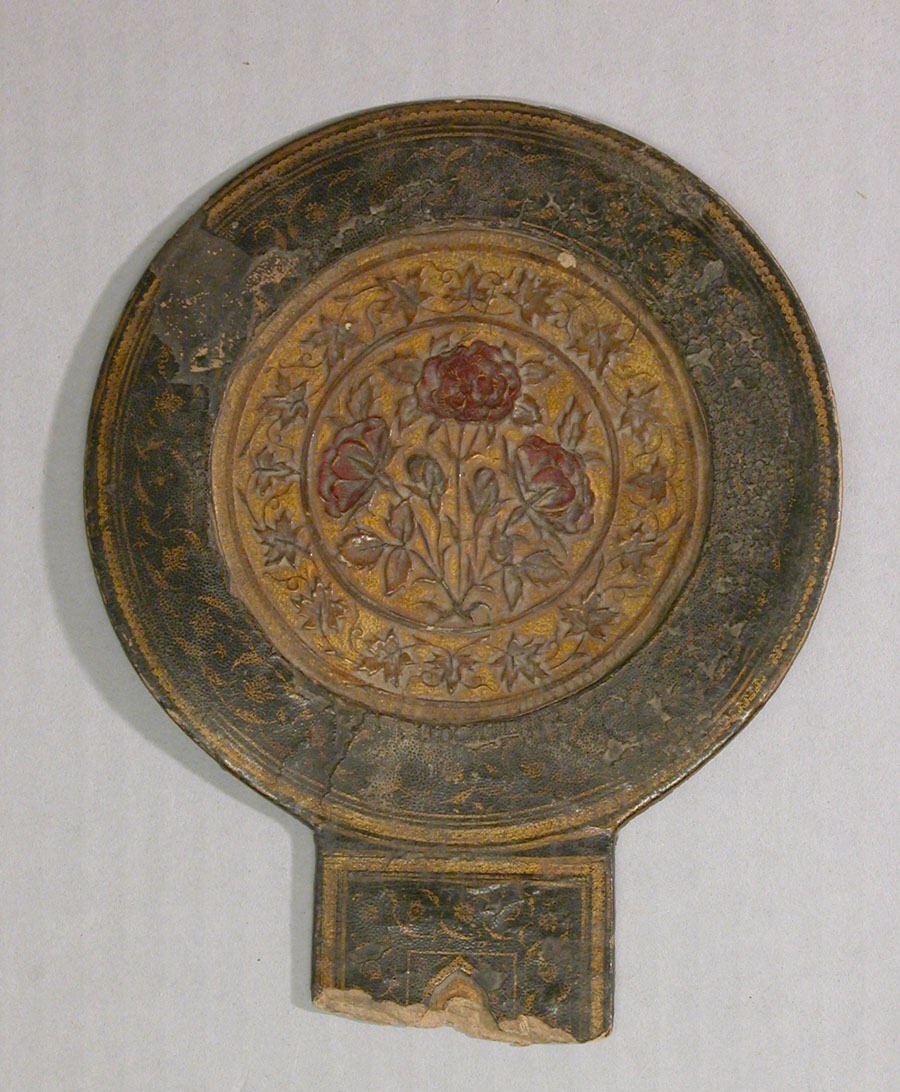
Reference photographs of documented Leatherwork (Charm-duzi) pieces, credited to their sources. Compare construction, surface and wear with any piece you are offered — a resemblance is not proof of origin.
Leatherwork (Charm-duzi) at a glance
| Persian name | چرمدوزی |
| Category | Leather · Hand-stitched and tooled leather |
| Main techniques | — |
| Typical materials | leather |
| Places of making | tabriz, mashhad, isfahan |
| Current vitality | Living tradition |
Understanding Leatherwork (Charm-duzi)
What Leatherwork (Charm-duzi) is and how it is made
History
Leather has long been used in Iran for saddlery, water containers, shoes and bookbinding. Today Tabriz and Mashhad are often mentioned as centres of hand-stitched leather goods, alongside many small urban workshops.
Technique
Hides are cut to pattern, edges are bevelled and burnished, and pieces are joined with saddle stitch using two needles. Surfaces may be tooled, stamped, painted or gilded.
Collecting and identification
Hand saddle-stitching looks slightly slanted and identical on both sides; machine stitching is a single straight line. Ask whether the leather is genuine and how it was tanned.
This guidance is educational only and is not an authentication or valuation service.
General background on the craft, not a statement about any individual object; dates and attributions summarise common positions in the literature and remain under review. Read the full Leatherwork (Charm-duzi) entry.
Before you buy: what to inspect
- Hand-stitching shows a slightly irregular stitch line, often saddle-stitched with two needles; machine stitching is perfectly even.
- Check the edges: well-made pieces have burnished or painted edges rather than raw, fraying ones.
- Look at the flesh side and lining for the leather type and for glued-on synthetic backing.
Typical materials: leather.
Red flags: copies and 'Persian style' imports
- 'PU leather', 'vegan leather' or 'bonded leather' wording on a piece sold as hand-tooled leather.
- Embossed (machine-pressed) patterns sold as hand-tooled.
A genuine Leatherwork (Charm-duzi) piece should come with a named place of making in Iran (often tabriz, mashhad, isfahan) and a clear statement that it is handmade.
Questions to ask the seller
- What leather is it, and how was it tanned?
- Was it stitched and tooled by hand?
- Who made it, and where?
What affects the price
| Leather quality |
| Hand-stitching and tooling |
| Size and complexity |
| Maker |
Care and cleaning
- Wipe with a dry, soft cloth; condition sparingly with a product suited to the leather.
- Keep away from heat and direct sun, which dry and crack leather.
Storage
- Store in a breathable cotton bag, stuffed lightly to keep its shape.
Shipping
Ships well; pack flat or stuffed to protect its shape.
Disclaimer
This guide is educational. It cannot confirm that any particular object is genuine, old or valuable. For important purchases, ask an independent specialist. Read the full Leatherwork (Charm-duzi) entry.