
What documented Brocade weaving (Zari-bafi) looks like
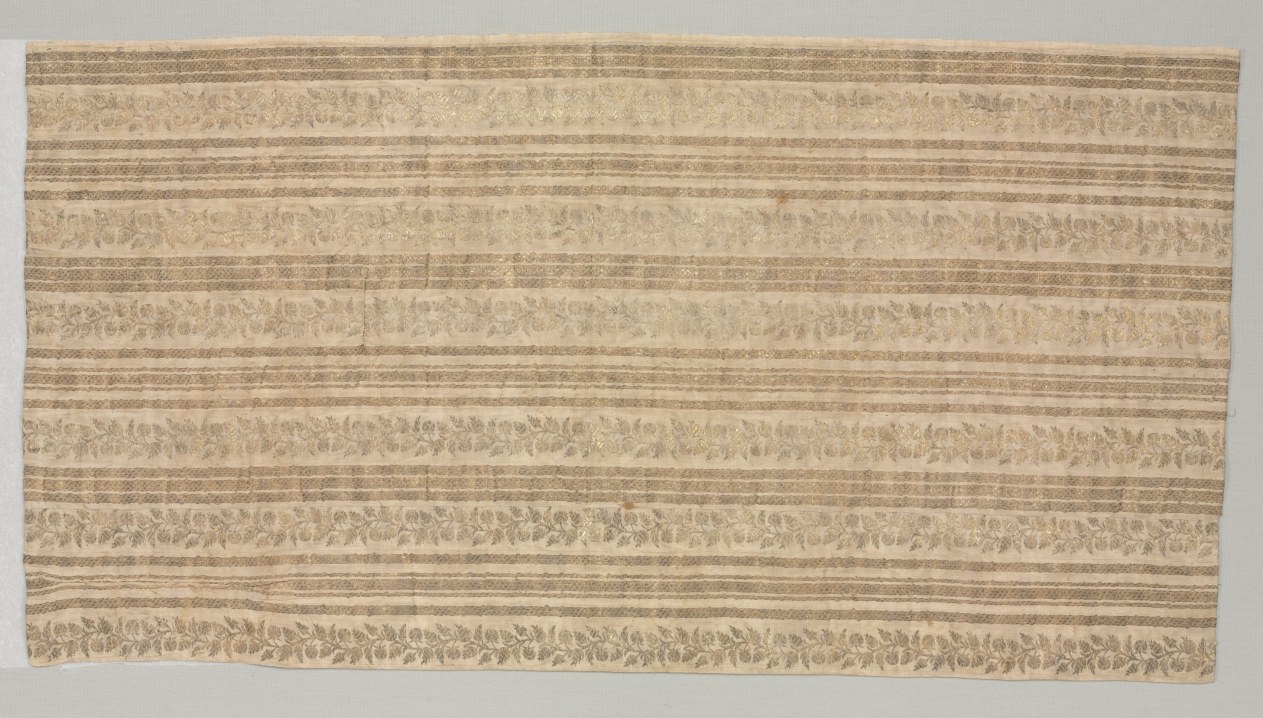
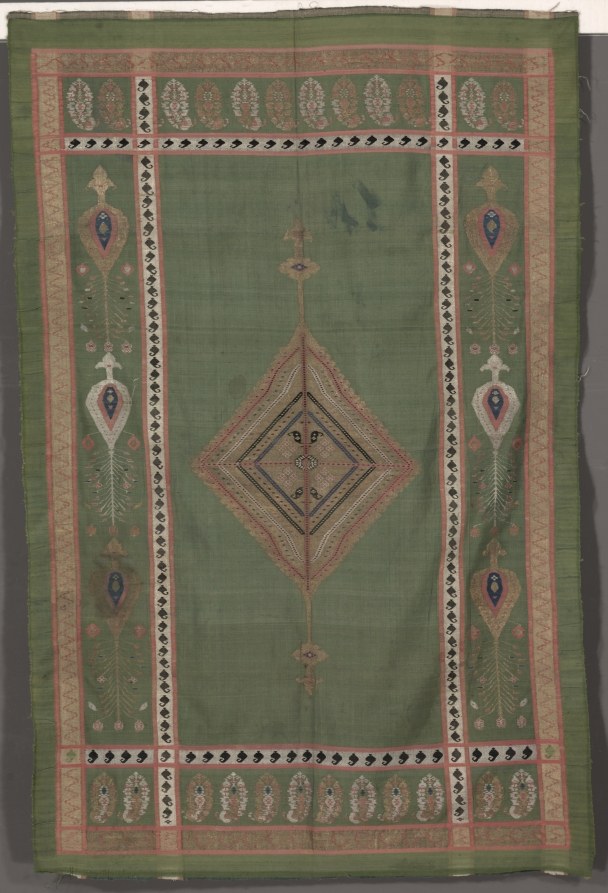
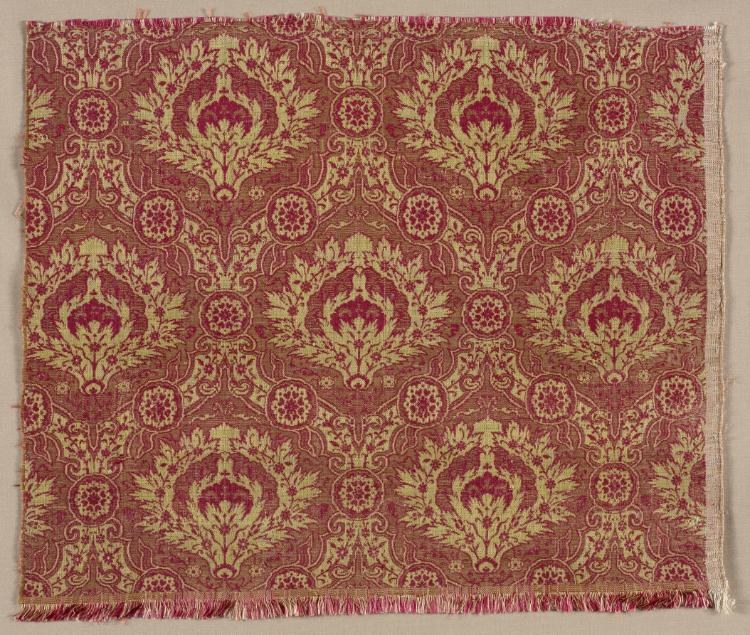
Reference photographs of documented Brocade weaving (Zari-bafi) pieces, credited to their sources. Compare construction, surface and wear with any piece you are offered — a resemblance is not proof of origin.
Brocade weaving (Zari-bafi) at a glance
| Persian name | زریبافی |
| Category | Textiles · Metal-thread brocade |
| Main techniques | supplementary-weft-brocade |
| Typical materials | silk, metal-thread |
| Places of making | kashan, isfahan |
| Current vitality | Endangered |
Understanding Brocade weaving (Zari-bafi)
What Brocade weaving (Zari-bafi) is and how it is made
History
Brocaded silks with figures, flowering plants and inscriptions are among the celebrated textiles attributed to Safavid Iran. Small revival workshops operate today, and the craft is widely described as rare.
Technique
Designs are programmed into a figure harness so that selected supplementary wefts rise to the face in each pass; metal thread is typically a thin strip of gilded or silvered metal wound around a silk core.
Collecting and identification
Examine the thread structure, tarnish of metal thread, repeat layout and reverse face; many historical pieces survive only as fragments or cut-down panels.
This guidance is educational only and is not an authentication or valuation service.
General background on the craft, not a statement about any individual object; dates and attributions summarise common positions in the literature and remain under review. Read the full Brocade weaving (Zari-bafi) entry.
Before you buy: what to inspect
- Zari brocade carries metal-wrapped thread; look under magnification for a thin metal strip wound around a silk core.
- Real metal thread tarnishes and wears to show the core; plastic metallic film shines evenly and does not tarnish.
- Check the reverse for hand-loom floats and slight irregularities.
Typical materials: silk, metal-thread.
Red flags: copies and 'Persian style' imports
- Lurex or metallic polyester sold as gold or silver thread.
- Machine-made brocade with a perfectly identical repeat sold as hand-loom zari.
A genuine Brocade weaving (Zari-bafi) piece should come with a named place of making in Iran (often kashan, isfahan) and a clear statement that it is handmade.
Questions to ask the seller
- What is the metal thread made of?
- Was it woven on a hand loom?
- Is it a new or historic piece, and where was it woven?
What affects the price
| Metal-thread content |
| Hand-loom weaving |
| Age and condition |
| Size |
Care and cleaning
- Do not wash or dry-clean metal-thread textiles without a conservator's advice.
- Handle with clean, dry hands: oils speed tarnishing.
- Display away from direct sun and humidity.
Storage
- Roll with the pile facing inward, never fold.
- Wrap in breathable cotton, not plastic.
- Protect against moths with regular airing and inspection.
Shipping
Rolled textiles travel well; ask for tube or rolled packing and tracked delivery.
Disclaimer
This guide is educational. It cannot confirm that any particular object is genuine, old or valuable. For important purchases, ask an independent specialist. Read the full Brocade weaving (Zari-bafi) entry.