
Historical period
Achaemenid
هخامنشیc. 550–330 BCE · Imperial workshops draw craftspeople from across the empire, producing goldwork, stone relief and glazed brick of exceptional finish.
Key developments
- Imperial goldsmithing
- Glazed brick relief
- Stone carving
- Cylinder seals
Museum objects from the Achaemenid period
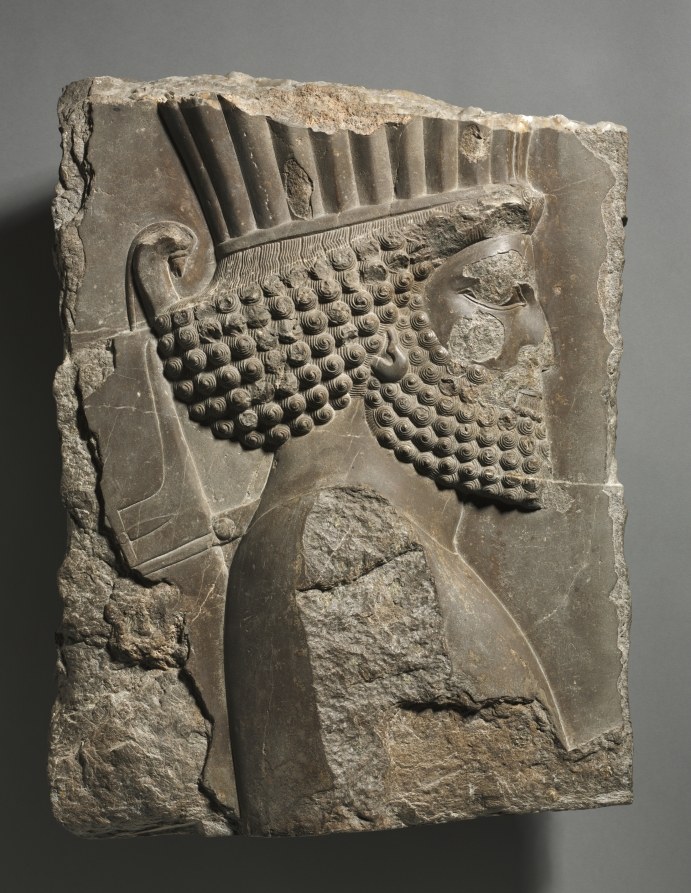
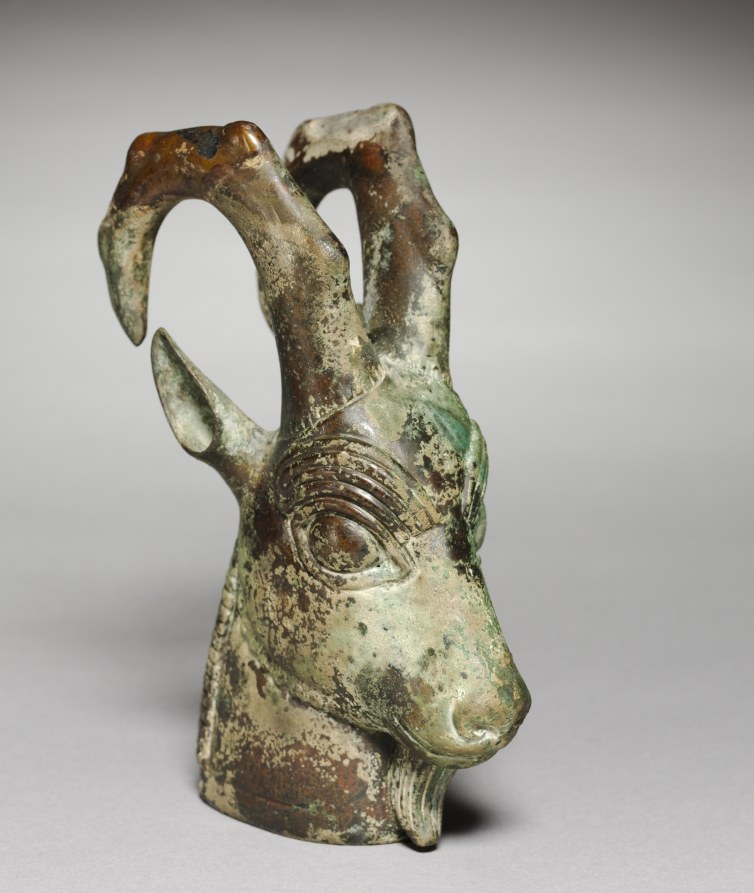
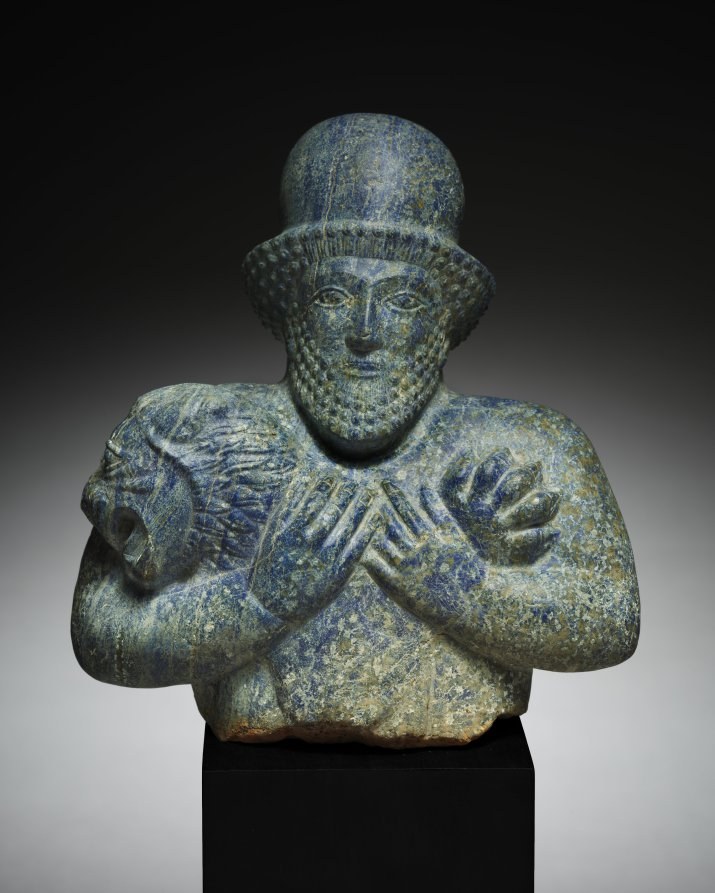
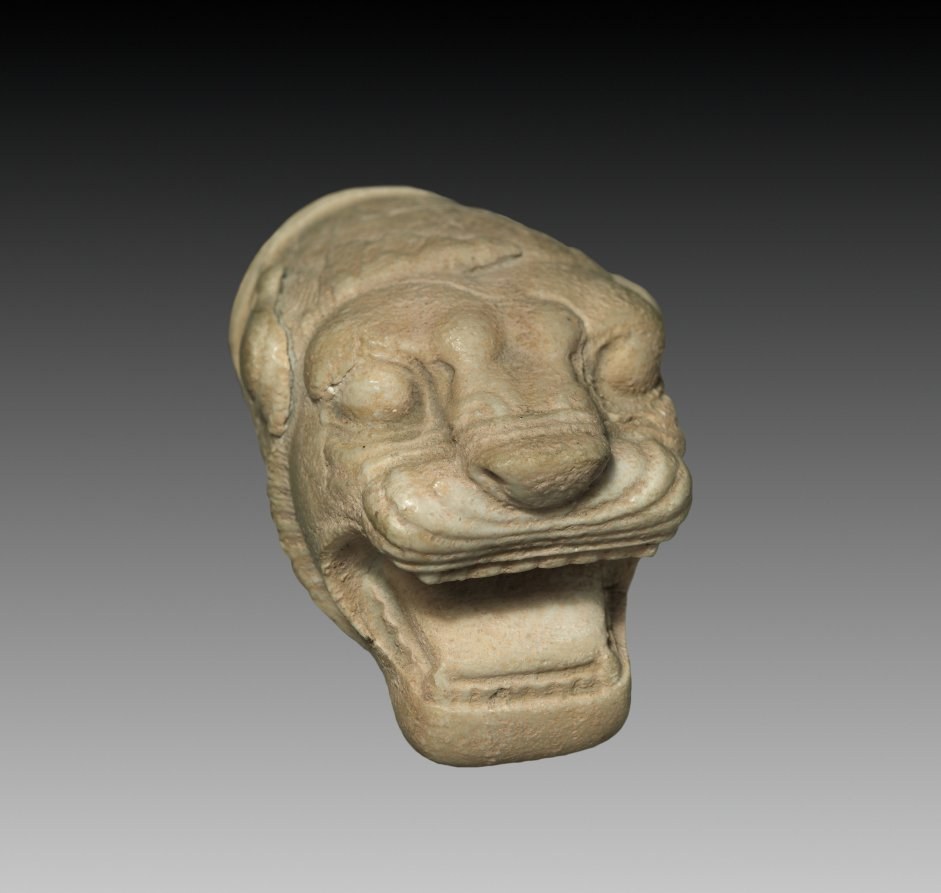
Objects whose museum catalogue record names this period; dates and places follow the museum's attribution.
Centres of production
Crafts and materials
Achaemenid court art combined skills from across a vast empire. Gold and silver vessels, armlets with animal terminals, carved stone reliefs and glazed brick panels survive. The Pazyryk carpet, found in Siberia and often dated to around the 4th–5th century BCE, is sometimes linked to Achaemenid-era designs, though where it was made is debated.
- Precious-metal rhyta and bowls
- Stone relief carving at Persepolis
- Glazed brick friezes, as at Susa
- Seals and jewellery
Seeing the period today
Persepolis and Pasargadae in Fars are UNESCO World Heritage sites. Major collections are held by the National Museum of Iran, the British Museum (including the Oxus Treasure) and the Louvre (Susa reliefs).
Court workshops and many hands
Building inscriptions at Susa (the 'foundation charter' of Darius I) list craftsmen and materials brought from across the empire: Ionian and Sardian stonecutters, Median and Egyptian goldsmiths, Babylonian brickmakers, cedar from Lebanon, gold from Sardis and Bactria, lapis and carnelian from Sogdiana. Achaemenid art is therefore best read as a court style assembled from many traditions, not the product of a single region.
- Susa glazed-brick archers and lions
- Persepolis Apadana tribute reliefs
- Oxus Treasure gold and silver (British Museum)
- Seals and cylinder seals with royal hero motifs
Reading objects and attributions
Many objects described as 'Achaemenid' in trade are later, regional or modern. Gold armlets, rhyta and figurines are especially often faked, and some pieces in the Oxus Treasure itself are debated. Treat any privately offered Achaemenid-style object with caution: lawful export from the country of origin, published provenance and specialist examination are essential. Museum collections — the British Museum, the Louvre (Susa), the Met and the National Museum of Iran — are the reliable places to study the style.
- Ask for documented ownership history before 1970 (UNESCO Convention)
- Compare with excavated, published examples
- Be wary of 'rhyton' and gold animal-terminal pieces on the open market
Crafts documented in this period
No craft entries are linked to this period yet.
Period dates follow conventional scholarly ranges. Attributing a single object to a period is often uncertain; this page is under review.