
راهنمای مجموعهداران · 10 min
Collecting Persian tiles responsibly: legality, condition and display
Editorial team · بهروزرسانی 2026-10-12
Why provenance comes first
Most historic tiles once belonged to a mosque, shrine, palace or house. Many were removed long ago; others were looted more recently. Exporting cultural property from Iran is restricted, and many countries control imports. Buy only with documented ownership history, and avoid pieces whose recent history cannot be explained.
Old, restored or new
Tiles are often repaired, overpainted or made up from fragments. New tiles in historic styles are made openly in workshops today, and those are honest modern work. Problems start only when they are sold as old.
What to examine
- Edges and back: old breaks, mortar and the clay body
- Glaze surface under raking light: retouched areas look different
- Lustre tiles: a metallic sheen that shifts with the angle
- Ultraviolet light, used by specialists to reveal restoration
- Any museum or excavation numbers painted on the back
Display
Tiles are heavy and brittle. Use a padded stand or a custom wall mount that holds the edges, never adhesive on the back. Keep them away from damp walls, which can bring salts through the body and damage the glaze.
Modern tiles
Contemporary haft-rang and moarraq panels by named Iranian workshops are a straightforward way to own the craft without provenance worries. Ask the workshop for a written description and a photo of the work in progress.
A note on this guide
This is general information from the CraftPersia editorial team and has not been reviewed by a specialist. It is not a valuation, authentication or conservation treatment. For valuable or fragile pieces, consult a qualified conservator or appraiser.
عکسهای مرتبط و نمونههای بررسیشده
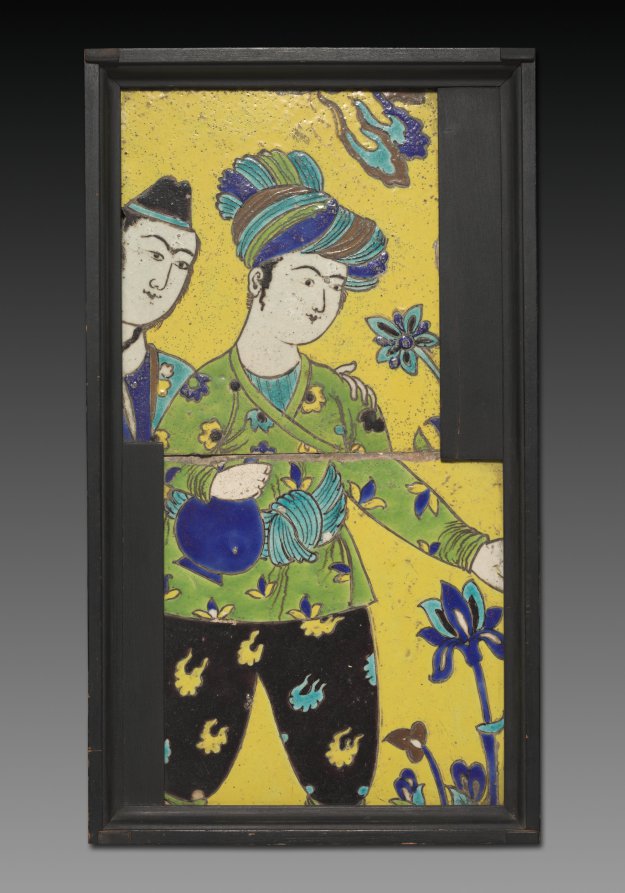
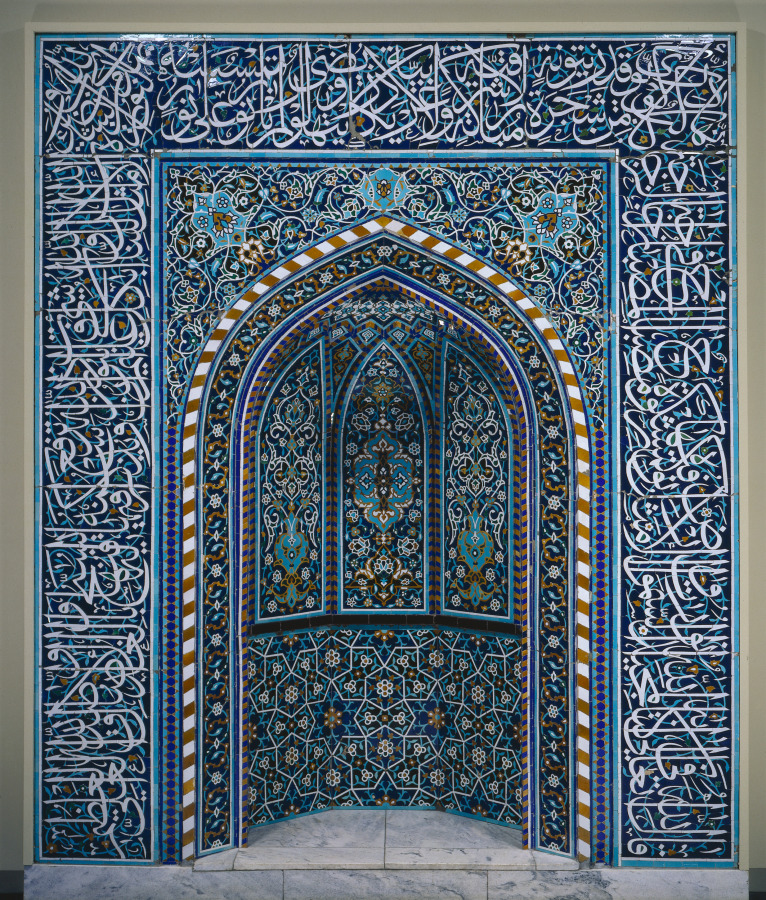
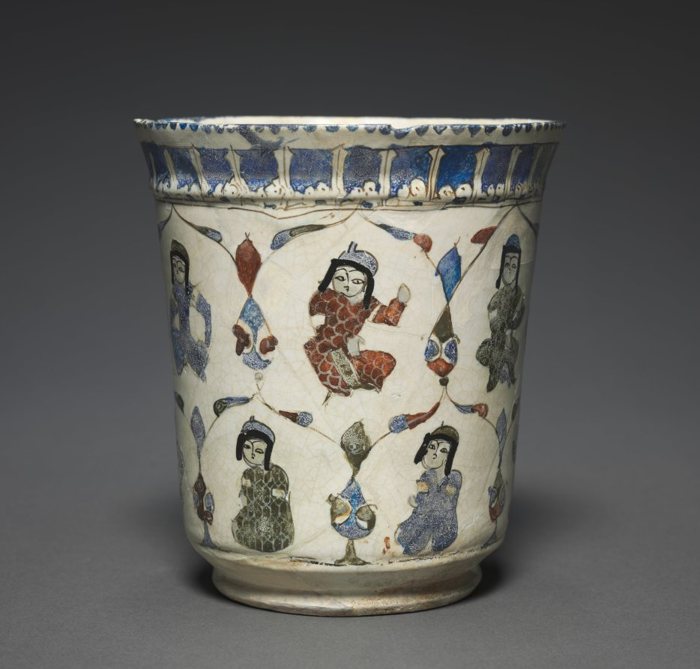
این تصاویر فقط نمونههای نمایشی هستند. نمونههای بازار بر توضیحات فروشنده متکیاند و سازنده، منشأ یا وضعیت حقوقی آنها بهطور مستقل توسط کرفتپرشیا تأیید نشده است. برای زمینهٔ کامل، پیوند منبع هر تصویر را ببینید.