
Definition
The workshop making of Iranian instruments such as the tar, setar, kamancheh, santur and oud, combining woodwork, skin membranes and inlaid decoration.
History
Instrument making in its present forms is well documented from the Qajar period; several instruments are part of UNESCO-listed musical heritage inscriptions.
Dates and attributions here summarise common scholarly positions and are under editorial review; they are not definitive.
Technique
Bodies are carved from mulberry or walnut or assembled from staves; tar and kamancheh use a stretched skin membrane; decoration may include khatam or bone inlay.
Collecting and identification
Examine membrane, repairs to neck and pegs, and later decorative additions; playability and historic value are different questions.
This guidance is educational only and is not an authentication or valuation service.
Reference samples
The reference samples on this page are documented objects in public collections, shown with their holding institution's attribution and licence. They illustrate the craft and are not for sale.
گالری
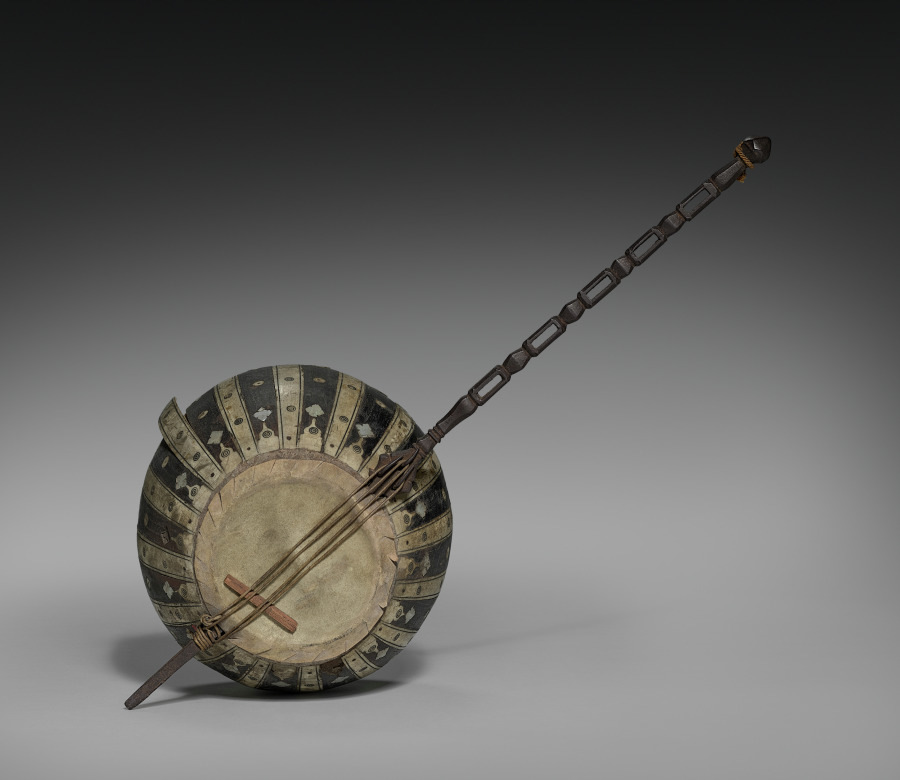
تصاویر نمونههایی معرف هستند، نه سندی برای رکوردهای نمونهٔ بازارچه. منبع و وضعیت مجوز آنها در بخش اعتبارهای عکاسی آمده است.
بازارچه
در حال حاضر هیچ شیئی از این صنعت فهرست نشده است.
Reference samples in collections
Documented objects from museums, archives and auction records, shown for study. Not for sale; attributions are the holding institution's, not CraftPersia's.
Kamānche (incomplete)
1875–1900
Wood, hide, and bone
Cleveland Museum of Art · 1918.353 · CC0 (museum open access)
منابع و مآخذ
- Book: Wulff, H. E. The Traditional Crafts of Persia. MIT Press, 1966.
- Museum catalogue: Cleveland Museum of Art, Open Access collection records for Iranian objects (accessed 2026-09-24).
در جایی که خاستگاه، تاریخ یا نمادشناسی محل مناقشه است، این مدخل روایتهای رقیب را بیان میکند نه اینکه میان آنها یکی را برگزیند. تحلیل سردبیری بهعنوان واقعیتِ مستند ارائه نمیشود.