Definition
Persian painting of this kind was an art of the book, produced in ateliers where calligrapher, painter, illuminator, gilder and binder each contributed. Space is organised by overlapping planes and raised ground lines; figures are scaled by role rather than distance.
History
Distinct schools are conventionally identified at Tabriz, Shiraz, Herat and later Isfahan, each with recognisable conventions of palette, figure type and landscape. Attribution to a named painter is possible for a small number of artists and remains contested for many well-known works.
Materials
Sized and burnished paper, mineral and organic pigments bound in gum, gold leaf and shell gold, and brushes made from a few hairs. Lapis-based blue and verdigris green behave very differently over time, which affects how a page reads today.
Technique
The composition is drawn, then colour is laid in flat areas, then modelling and fine outlining are added last. Illumination and gold work are usually carried out by a specialist after painting.
Collecting
Detached album pages, later retouching, added borders and modern pastiche are all common in the market. Paper, pigment behaviour and border construction carry more evidence than style alone. Treat confident attributions to a named master with caution unless independently documented.
Gallery
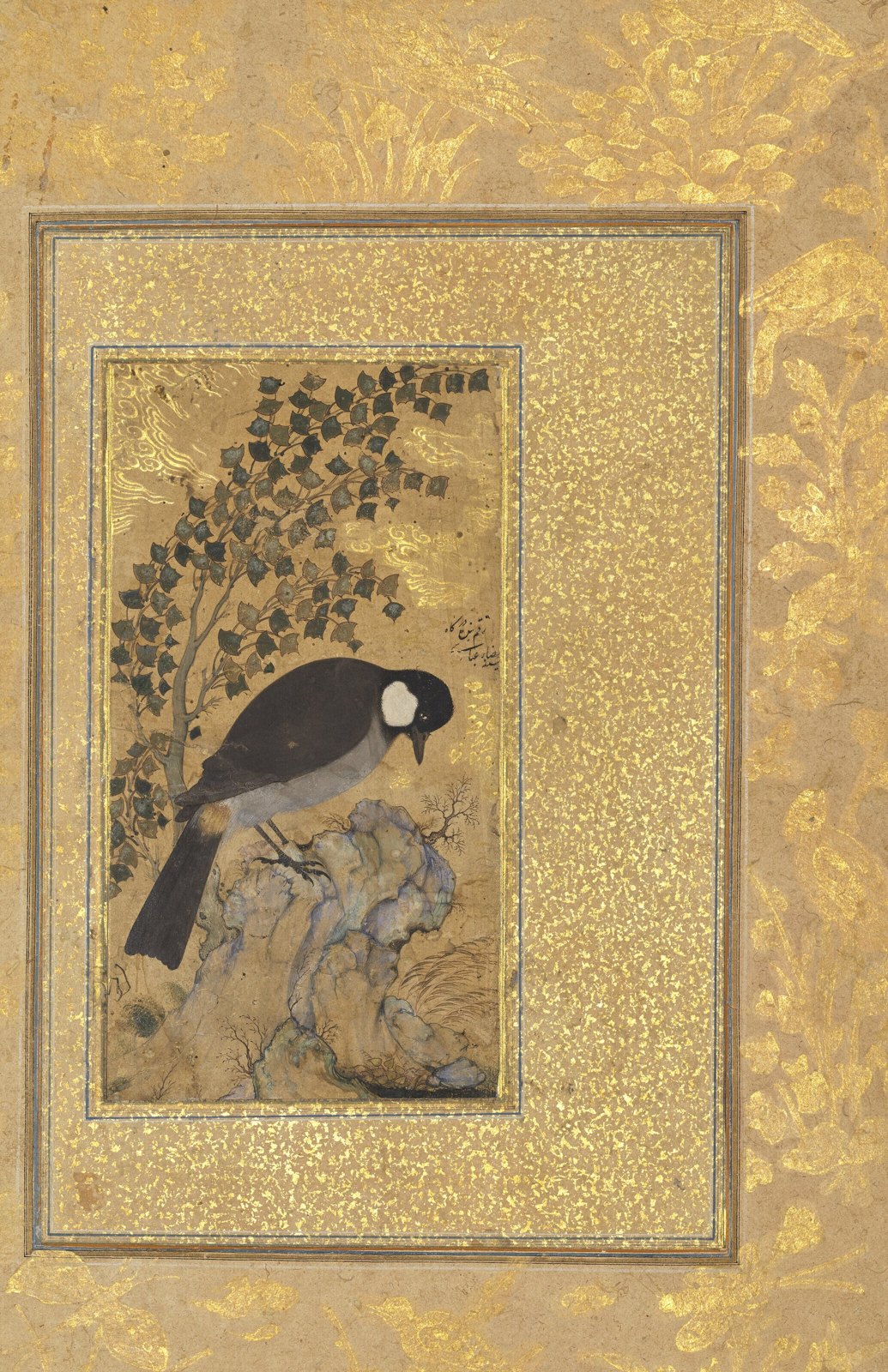
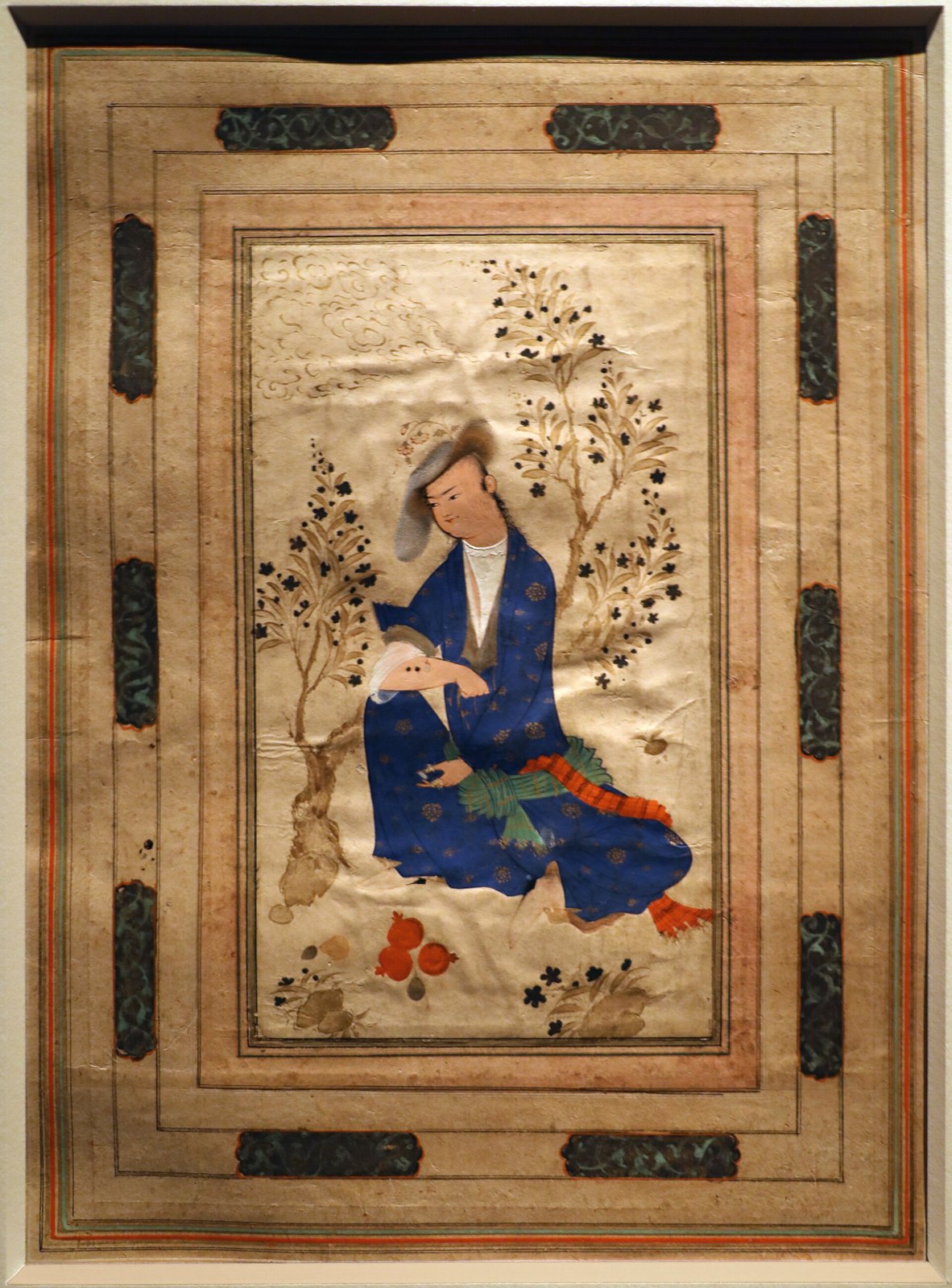
Images shown are documented examples and objects currently listed. Captions record what is known; where origin or date is an estimate it is labelled as such.
Marketplace
Sources & references
- Book: Canby, S. R. Persian Painting. British Museum Press, 1993.
- Museum catalogue: Chester Beatty Library, Persian manuscript collection records.
Where origins, dates or symbolism are contested, this entry states the competing readings rather than choosing between them. Editorial analysis is not presented as documented fact.