
What documented Qalamkar block printing looks like
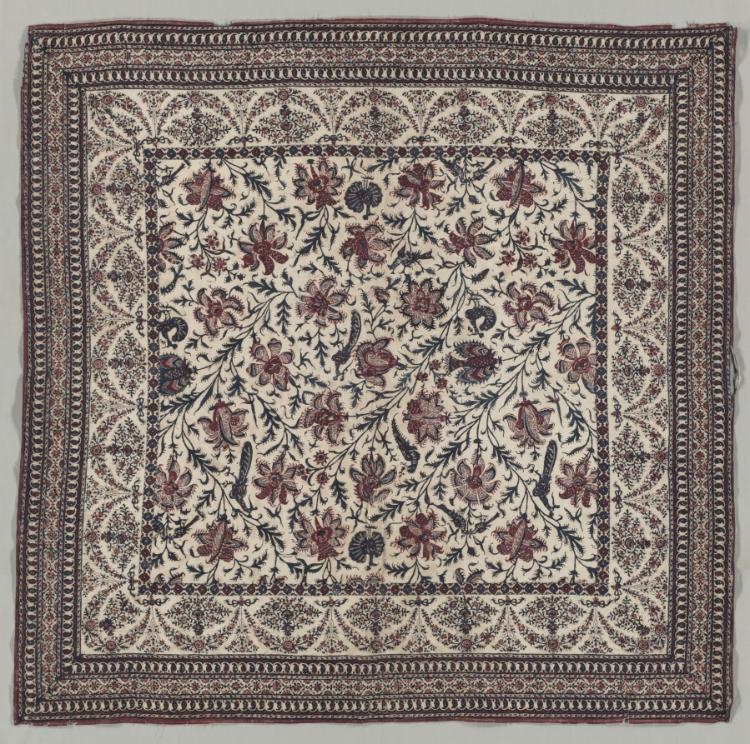
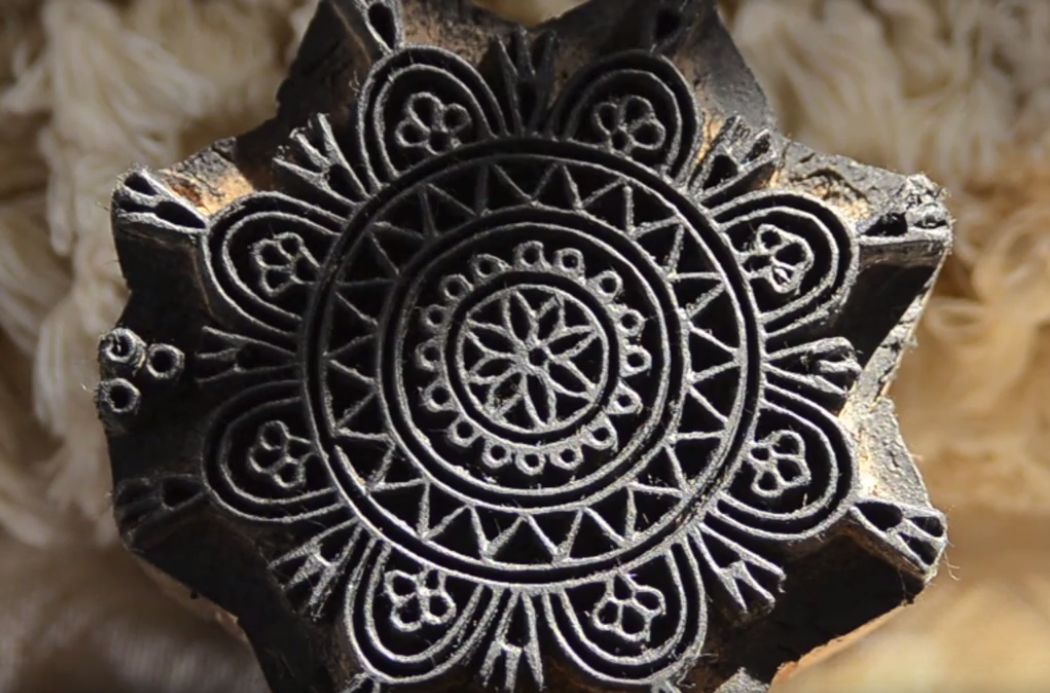
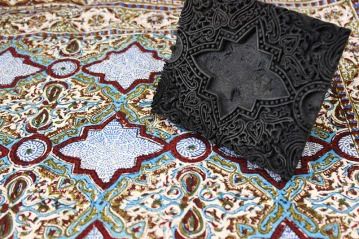
Reference photographs of documented Qalamkar block printing pieces, credited to their sources. Compare construction, surface and wear with any piece you are offered — a resemblance is not proof of origin.
Qalamkar block printing at a glance
| Persian name | قلمکار |
| Category | Textiles · Printed and painted cloth |
| Main techniques | block-printing |
| Typical materials | cotton |
| Places of making | isfahan |
| Current vitality | At risk |
Understanding Qalamkar block printing
What Qalamkar block printing is and how it is made
Definition
Qalamkar denotes cotton cloth decorated with dense repeating pattern applied by carved wooden printing blocks, historically combined with mordant dyeing and, in the finest work, some hand-finishing with a pen (the word qalam refers to this pen or reed tool). The term is used both for the technique and for the finished tablecloths, curtains and hangings it produces.
Unlike embroidery-based textiles, qalamkar pattern is built up through successive printing and dyeing stages, with different blocks applying outline and then colour fills, so registration between blocks is a central technical concern that directly affects the crispness of the finished design.
History
Block-printed and resist-dyed cotton is documented in Isfahan from at least the Safavid period, when the city's textile workshops served both domestic use and trade along routes connecting Iran to South Asia and Europe, regions with related but distinct block-printing traditions of their own. The exact lines of technical exchange between these traditions are not fully settled in the published literature.
Production continued through the Qajar and Pahlavi periods, adapting palette and subject matter for changing markets, including tourist and export demand in the twentieth century which favoured recognisable motifs such as the paisley-like boteh and garden scenes over more specialised religious or narrative imagery.
Materials
Plain-weave cotton cloth is the standard ground. Mordants, traditionally derived from materials such as alum, fix natural dyes to the fibre, while carved pear or other close-grained wood blocks carry the design.
- Cotton cloth as the printing ground
- Carved wooden printing blocks, one per colour or outline stage
- Mordants to fix dye to the fibre
- Natural dyes historically, with synthetic dyes common in later production
General background on the craft, not a statement about any individual object; dates and attributions summarise common positions in the literature and remain under review. Read the full Qalamkar block printing entry.
Before you buy: what to inspect
- Hand block-printing shows small misalignments where blocks meet and slight variation in colour density.
- Look at the back: block-printed and mordant-dyed colours soak through the cotton more than surface screen prints.
- Check for fading, and for areas of the pattern that have been painted in afterwards.
Typical materials: cotton.
Red flags: copies and 'Persian style' imports
- Screen-printed or digitally printed cloth sold as hand block-printed.
- Pieces with perfectly identical repeats and no block joins.
A genuine Qalamkar block printing piece should come with a named place of making in Iran (often isfahan) and a clear statement that it is handmade.
Questions to ask the seller
- Was it printed by hand with wooden blocks?
- What dyes were used?
- Which workshop printed it (for example in Isfahan)?
What affects the price
| Hand block-printing |
| Number of colours and blocks |
| Size |
| Workshop |
Care and cleaning
- Ask the maker whether the piece can be washed; many are best spot-cleaned or dry-cleaned.
- Keep out of strong sunlight, which fades the dyes.
Storage
- Roll with the pile facing inward, never fold.
- Wrap in breathable cotton, not plastic.
- Protect against moths with regular airing and inspection.
Shipping
Rolled textiles travel well; ask for tube or rolled packing and tracked delivery.
Disclaimer
This guide is educational. It cannot confirm that any particular object is genuine, old or valuable. For important purchases, ask an independent specialist. Read the full Qalamkar block printing entry.