
Yazd province
Yazd
یزدSilk and velvet weaving, zilu flatweave and traditional dyeing houses.
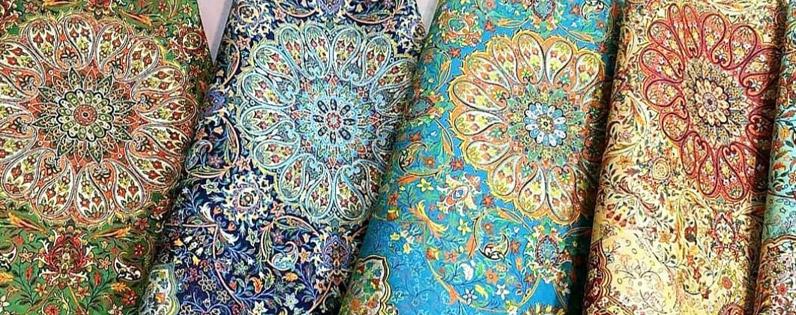
Workshop image, date unverified · IVisitIran / Yazd Termeh workshop (photographer not stated) · Permission status not reviewed · Photo source ↗
Geography
A desert city of adobe architecture and qanat irrigation between two mountain ranges.
Historical background
A silk-weaving centre from at least the Safavid period, supplying brocade and velvet to court and export markets.
Major crafts
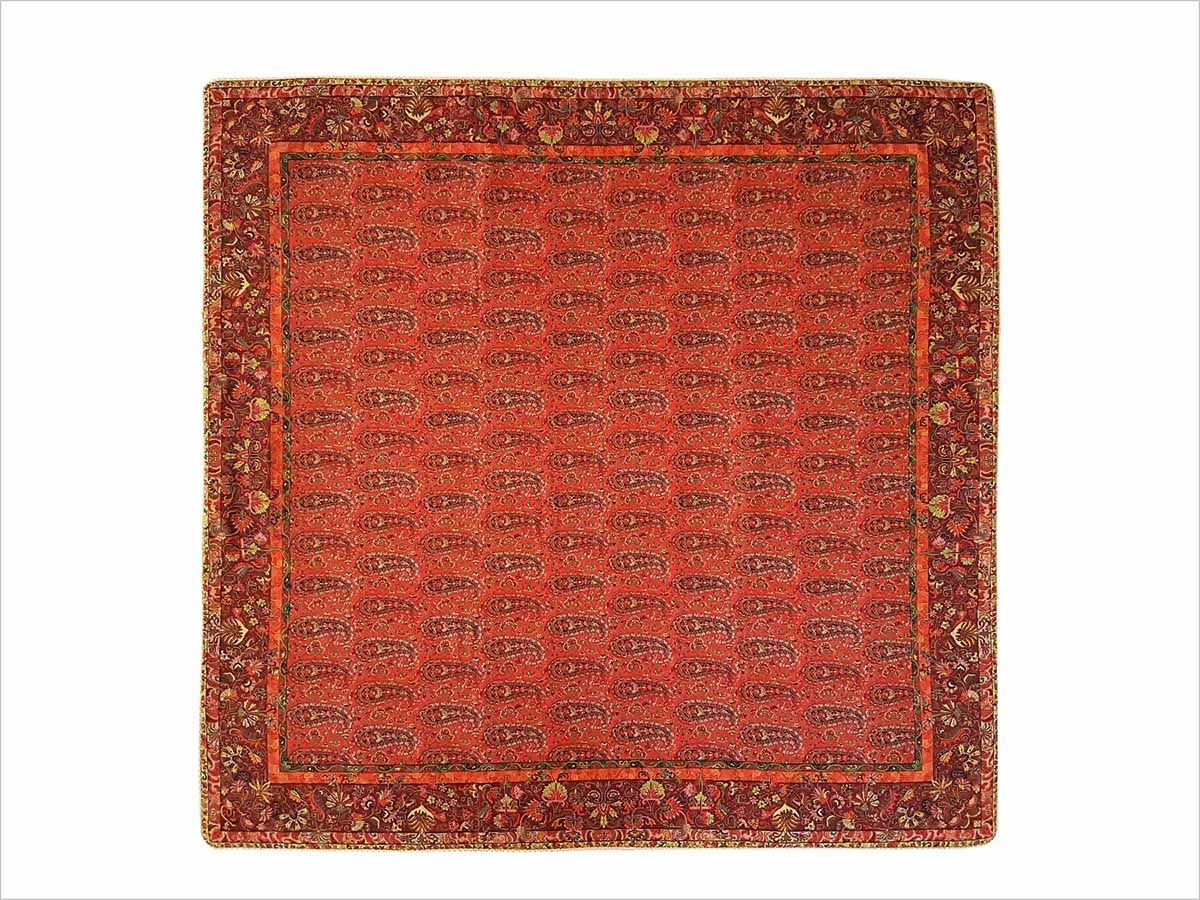 TermehTextilesAt risk
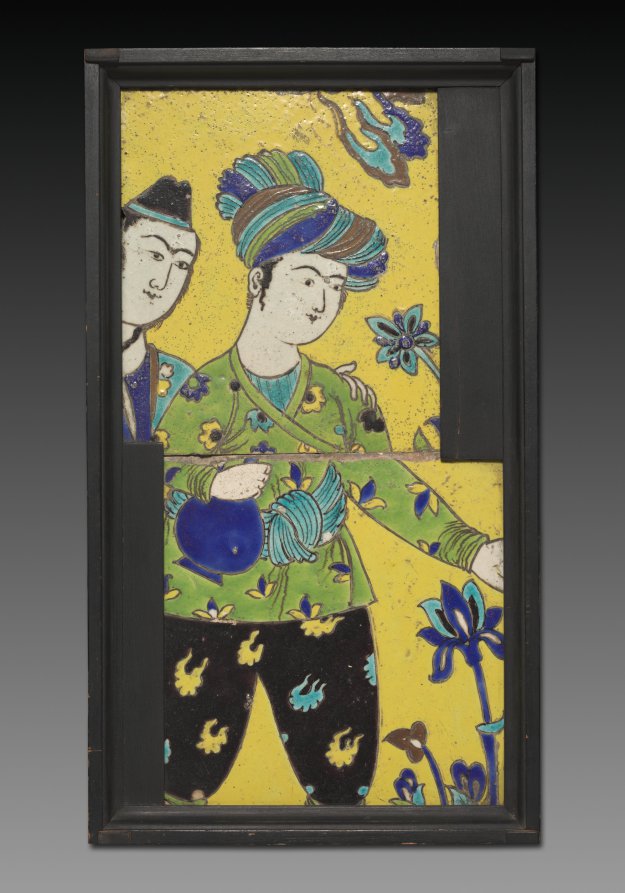 Haft-rang tileworkCeramicsLiving tradition
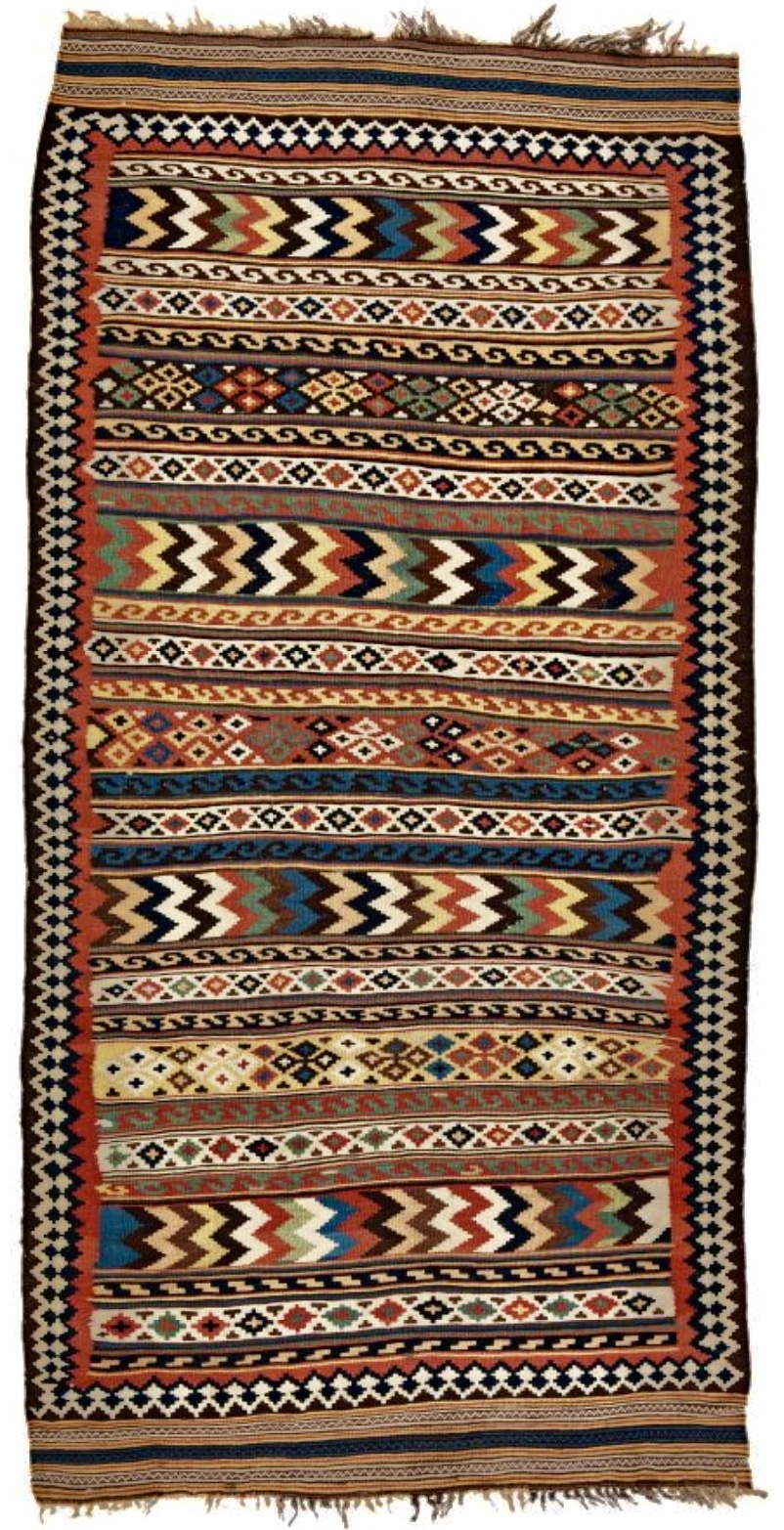 Kilim (Gelim)TextilesLiving tradition
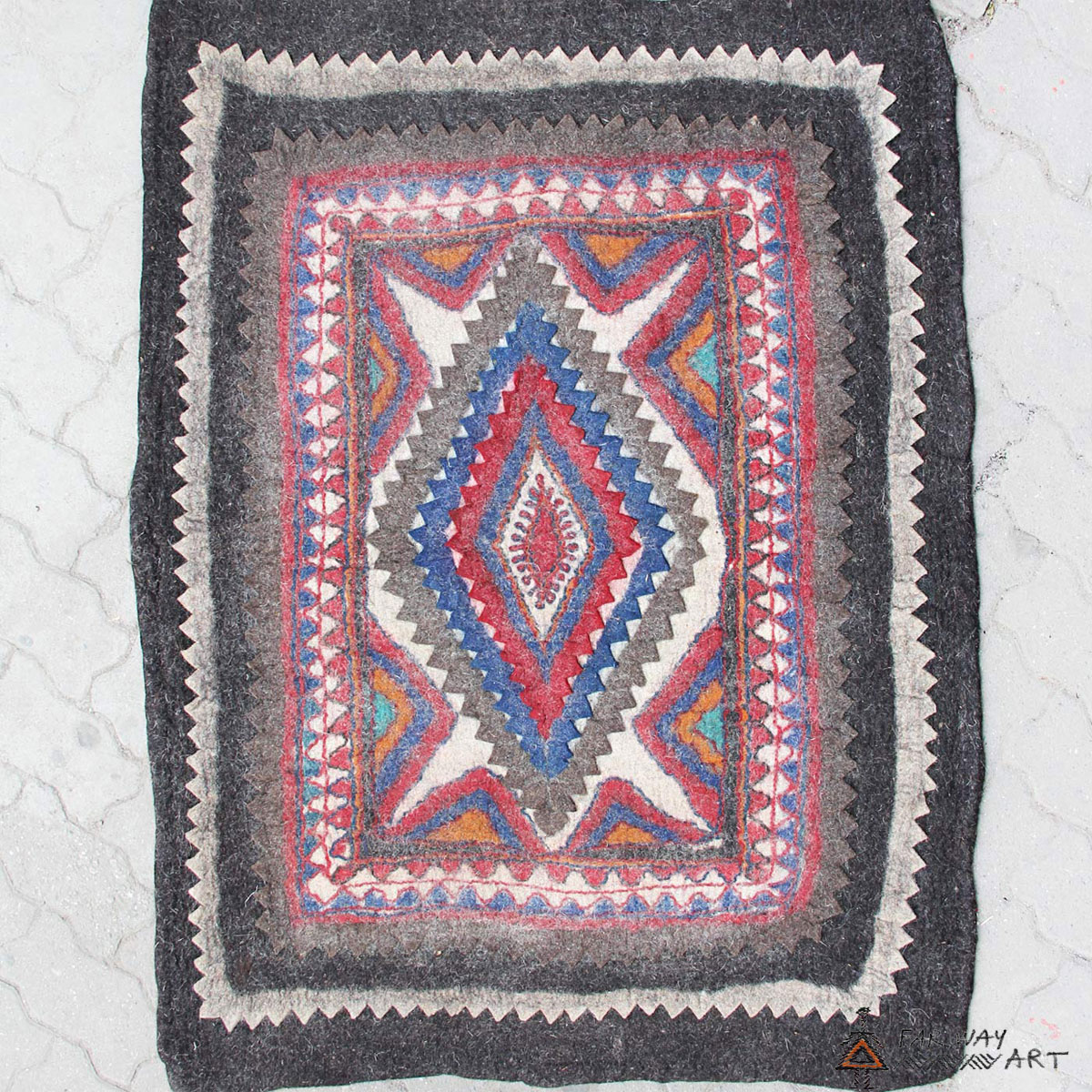 Namad feltTextilesAt risk
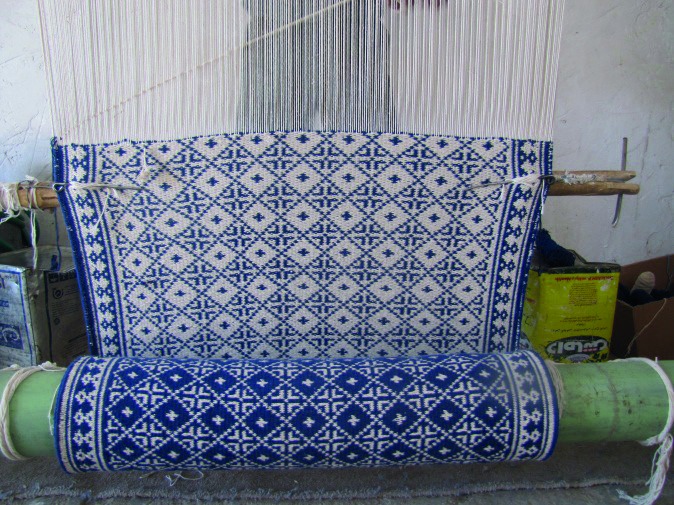 Zilu (Meybod)TextilesEndangered
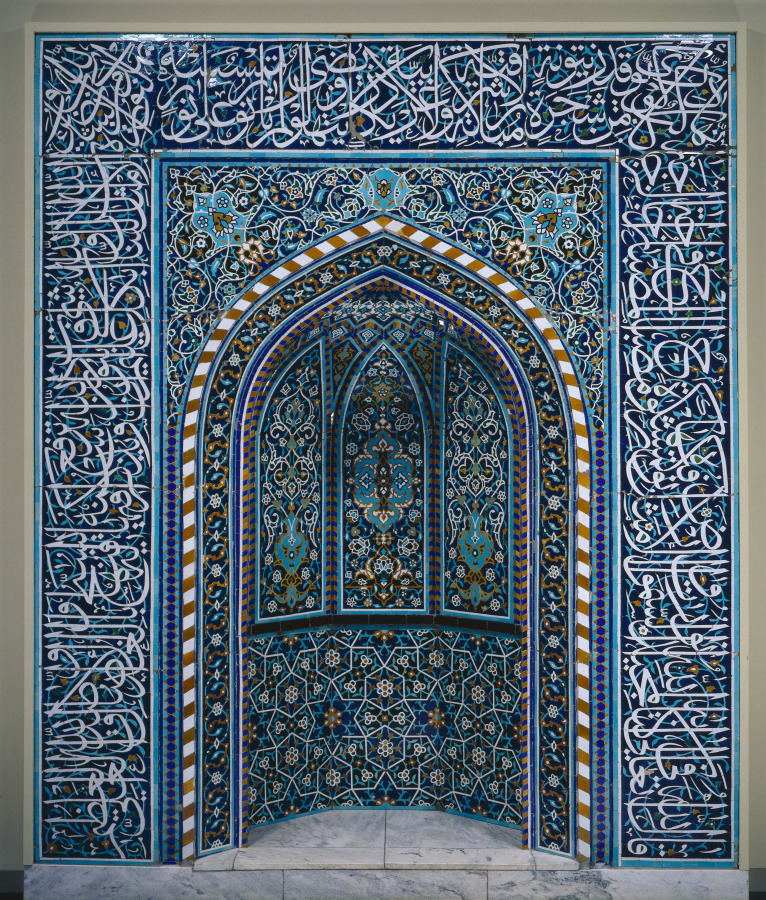 Moarraq tile mosaicCeramicsLiving tradition
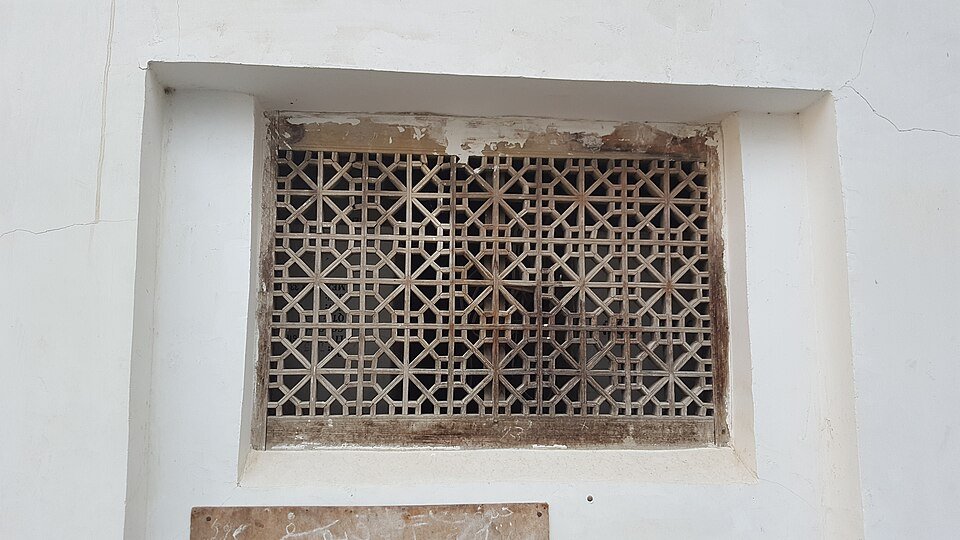 Gereh-chini latticeWoodworkAt risk
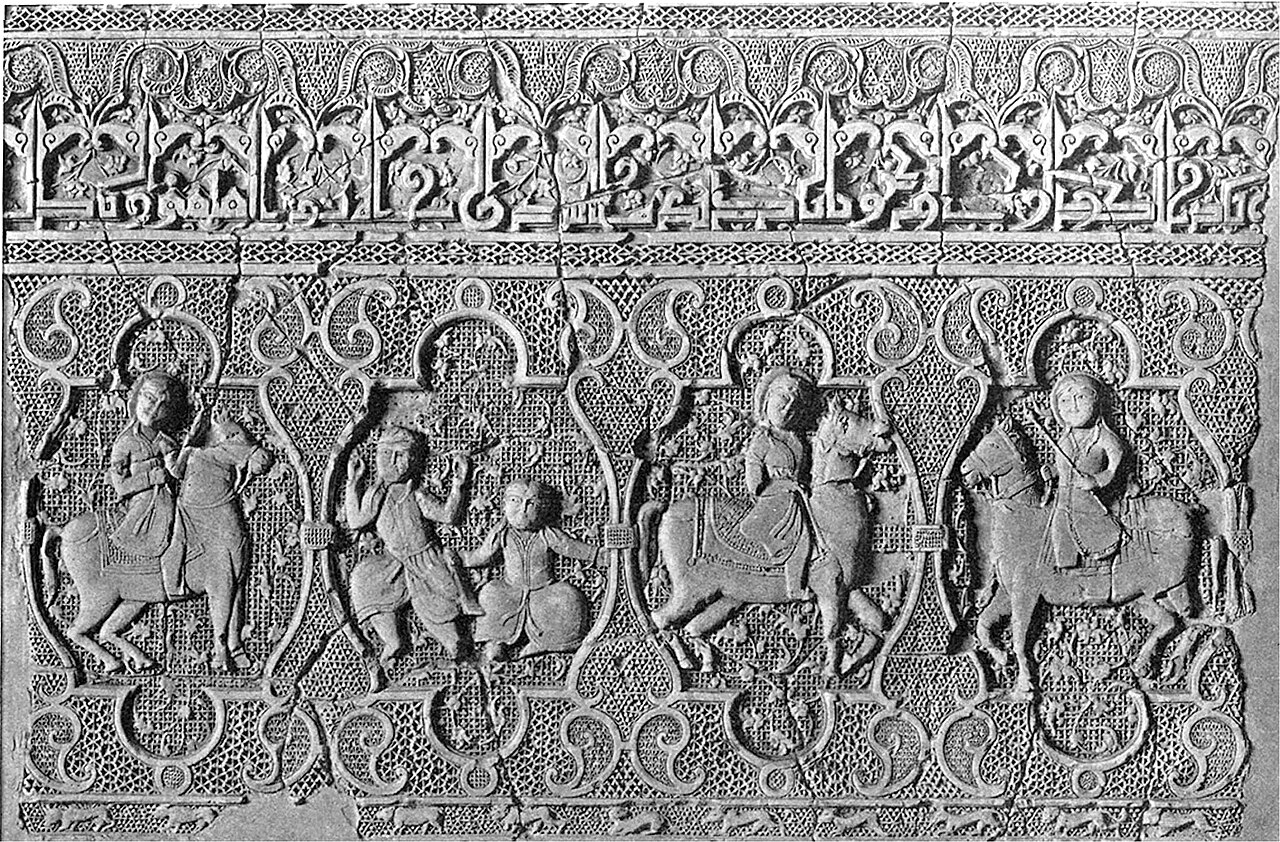 Stucco carving (Gach-bori)Architectural ornamentationLiving tradition
Objects from this region
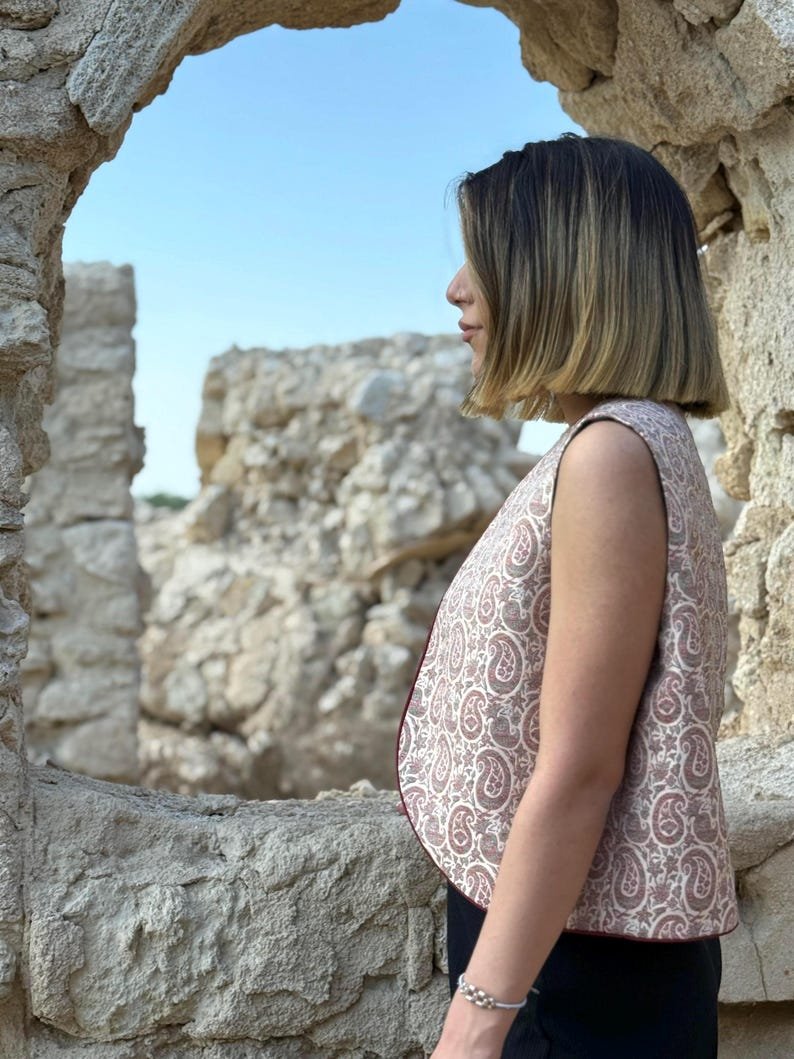
Cultural tourism
Markets and craft destinations documented here can be visited. Workshop access usually depends on the artisan; where a workshop receives visitors, that is noted on their profile.
- Province
- Yazd
- Signature crafts
- Termeh, zilu, silk weaving
- UNESCO site
- Historic City of Yazd (2017)
- Architecture
- Adobe, wind-catchers, qanats
Textile city of the desert
Yazd is closely tied to textile weaving, especially termeh brocade and zilu, a flatwoven cotton floor covering often made for mosques. The old city, with its adobe houses and wind-catchers, was inscribed by UNESCO in 2017.
Zilu weaving in Meybod, near Yazd, is a well-documented at-risk tradition.
- Termeh
- Zilu (Meybod)
- Darayi silk
- Ceramics (Meybod)
- Confectionery trades
- Adobe building crafts
Working traditions and technique
Termeh, zilu and other woven textiles are structurally different. Termeh uses patterned woven repeats; zilu is a flatwoven cotton floor covering. The earthen historic city is an architectural context, not certification of an object's production site.
Check fibre, front and reverse pattern, loom structure, and later backing; silk-like lustre may come from several materials. Meybod near Yazd is associated with zilu production.
Visiting, collecting and documenting
Ask which town and workshop made a piece, what fibre and loom method were used, and whether there is a sales or production record. Avoid interpreting a UNESCO city listing as a craft certificate.
Observe working methods with permission; do not treat a market label, regional motif or heritage listing as evidence of the maker of an individual object.
Crafts of Yazd in photographs
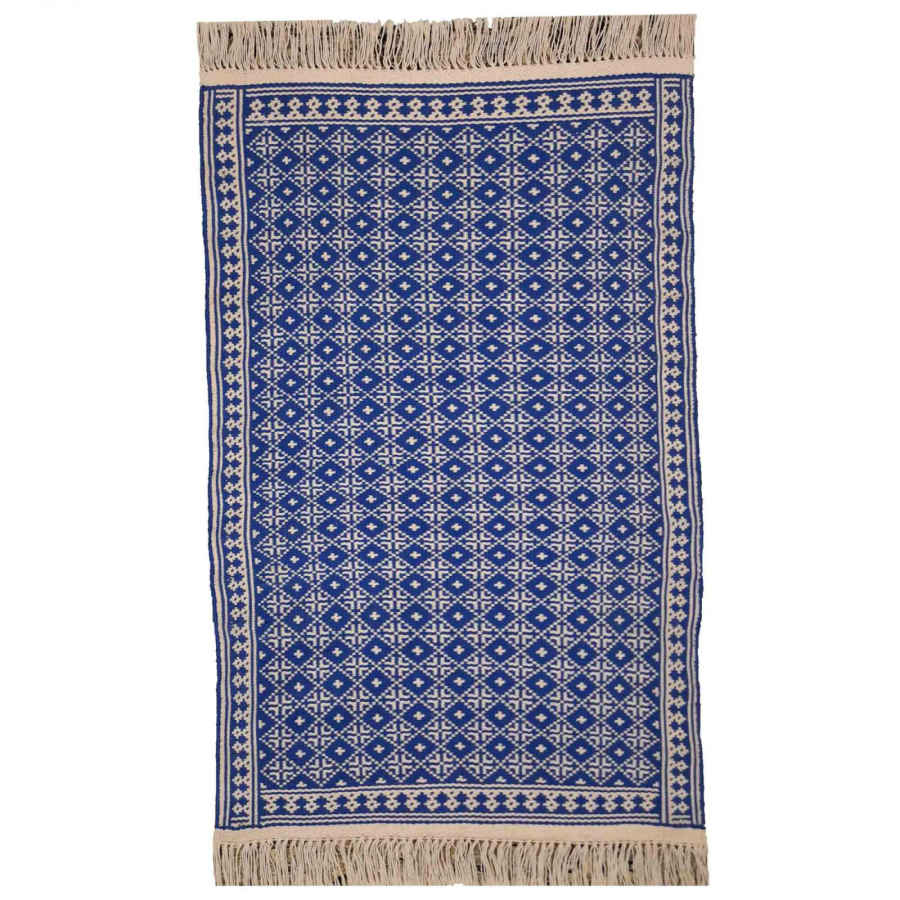
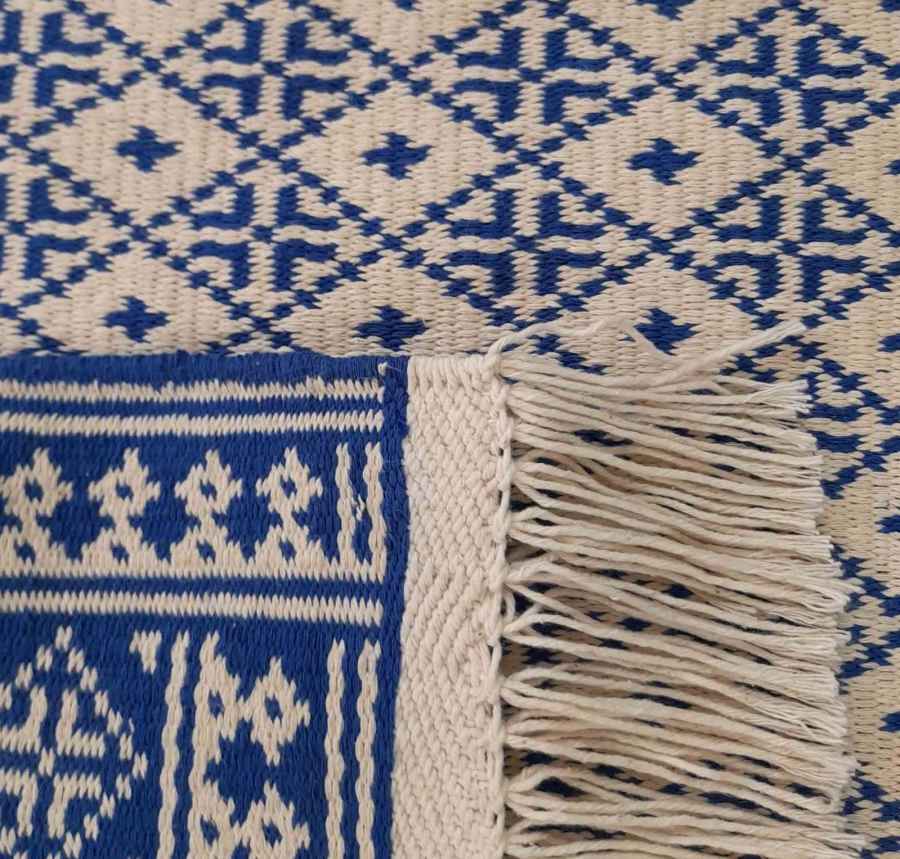
Representative photographs only. Marketplace examples rely on seller descriptions; CraftPersia has not independently authenticated their maker, origin, or rights status. Follow each source link for the listing context.
Craft presence is a qualitative editorial rating (1–5) of how visible each tradition is in the region today, not a measured statistic.
| Tradition | Working method | Evidence to request |
|---|---|---|
| Termeh | Patterned figured cloth | Repeat, yarn and reverse floats |
| Zilu | Cotton flatwoven covering | Two faces and structure |
Timeline
- Medieval
Yazd grows as a trading and textile centre.
- 2017
Historic City of Yazd inscribed by UNESCO.
References and further reading
- [1] UNESCO World Heritage Centre, Historic City of Yazd. ↗World Heritage listing documents the site, not the production or origin of an individual object.
These sources provide context, not authentication or provenance for an individual object. Editorial interpretations remain under review.