
Qom province
Qom
قمA relatively young but technically exacting silk carpet tradition.
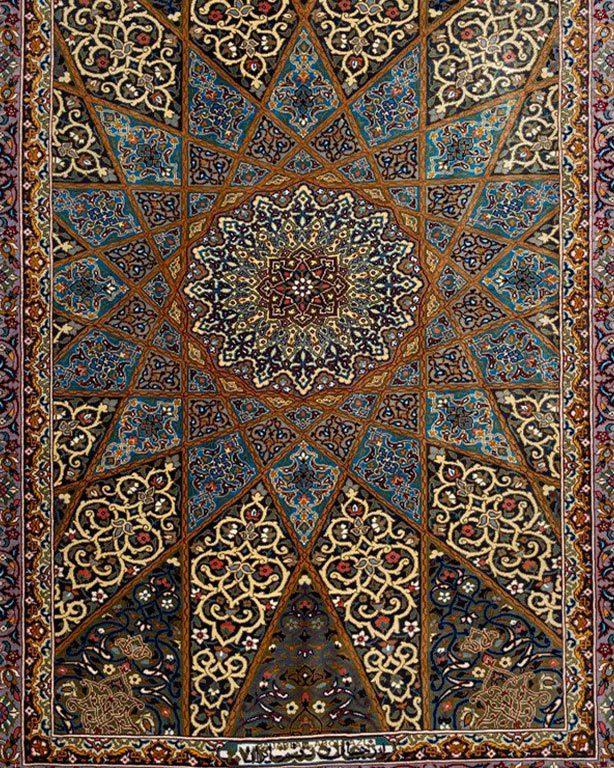
Listing image, 2024 · Verna Carpets (photographer not stated) · Permission status not reviewed · Photo source ↗
Geography
A central city on the northern edge of the salt desert.
Historical background
Carpet weaving was established here in the twentieth century and specialised quickly in fine silk pile.
Major crafts
Cultural tourism
Markets and craft destinations documented here can be visited. Workshop access usually depends on the artisan; where a workshop receives visitors, that is noted on their profile.
- Province
- Qom
- Signature crafts
- Silk carpets
- Rise of weaving
- Mostly 20th century
- Character
- Very fine, often all-silk
A young carpet centre
Compared with Tabriz or Kashan, Qom is a relatively recent weaving centre, with commercial production growing mainly from the mid-twentieth century. It became best known for fine all-silk rugs.
Because silk rugs are valuable, buyers should confirm fibre content carefully; mercerised cotton and synthetic 'art silk' can look similar.
Working traditions and technique
Qom's commercial silk-carpet reputation grew principally in the twentieth century. Lustrous pile need not be natural silk; construction, fibres and documentation matter more than sheen.
Silk, mercerised cotton and regenerated cellulosic fibres can be confused visually. Destructive fibre tests are unsuitable for home identification or fragile objects.
Visiting, collecting and documenting
Ask whether 'silk' applies to pile, warp or highlights, and request any test documentation. Photograph the reverse, edge and worn areas and seek qualified fibre analysis if a purchase hinges on composition.
Observe working methods with permission; do not treat a market label, regional motif or heritage listing as evidence of the maker of an individual object.
Crafts of Qom in photographs
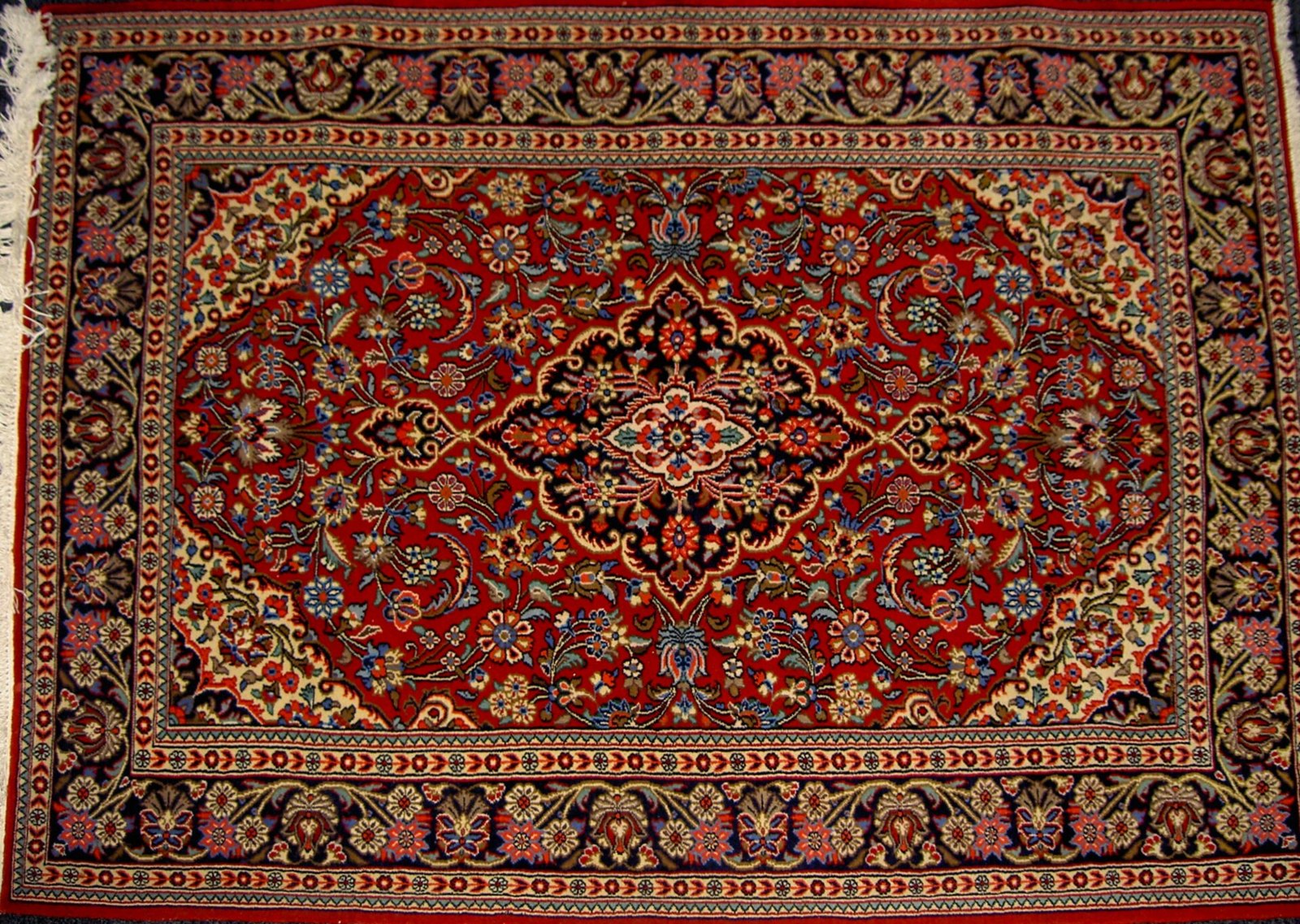
Representative photographs only. Marketplace examples rely on seller descriptions; CraftPersia has not independently authenticated their maker, origin, or rights status. Follow each source link for the listing context.
| Fibre | Feel | Burn behaviour (lab/expert only) |
|---|---|---|
| Silk | Cool, strong | Smells of burnt hair, ash crumbles |
| Mercerised cotton | Very soft, shiny | Smells of paper |
| Viscose | Shiny, weak when wet | Smells of paper, no bead |
| Tradition | Working method | Evidence to request |
|---|---|---|
| Silk pile | Protein filament fibre | Qualified fibre identification |
| Mercerised cotton | Shiny plant fibre | Laboratory comparison rather than touch alone |
| Viscose | Regenerated cellulose | Strength and composition require appropriate testing |
Timeline
- 20th century
Commercial fine-carpet production expands in Qom.
- Today
Different pile materials are marketed; request evidence for fibre claims.
References and further reading
- [1] A. C. Edwards, The Persian Carpet, Duckworth, 1953.Historical overview; not a test of a specific Qom carpet or a source for current trade figures.
These sources provide context, not authentication or provenance for an individual object. Editorial interpretations remain under review.