
راهنمای خرید · 10 min
Iranian copper cookware: tinning, safety and care
Editorial team · بهروزرسانی 2026-10-12
Why copper needs tin
Bare copper reacts with acidic food, and in large amounts copper can be harmful. Traditional cooking pots are therefore lined with tin, a process called sefid-gari (whitening). Decorative or engraved copper is not meant for cooking unless it is properly lined.
Making and lining
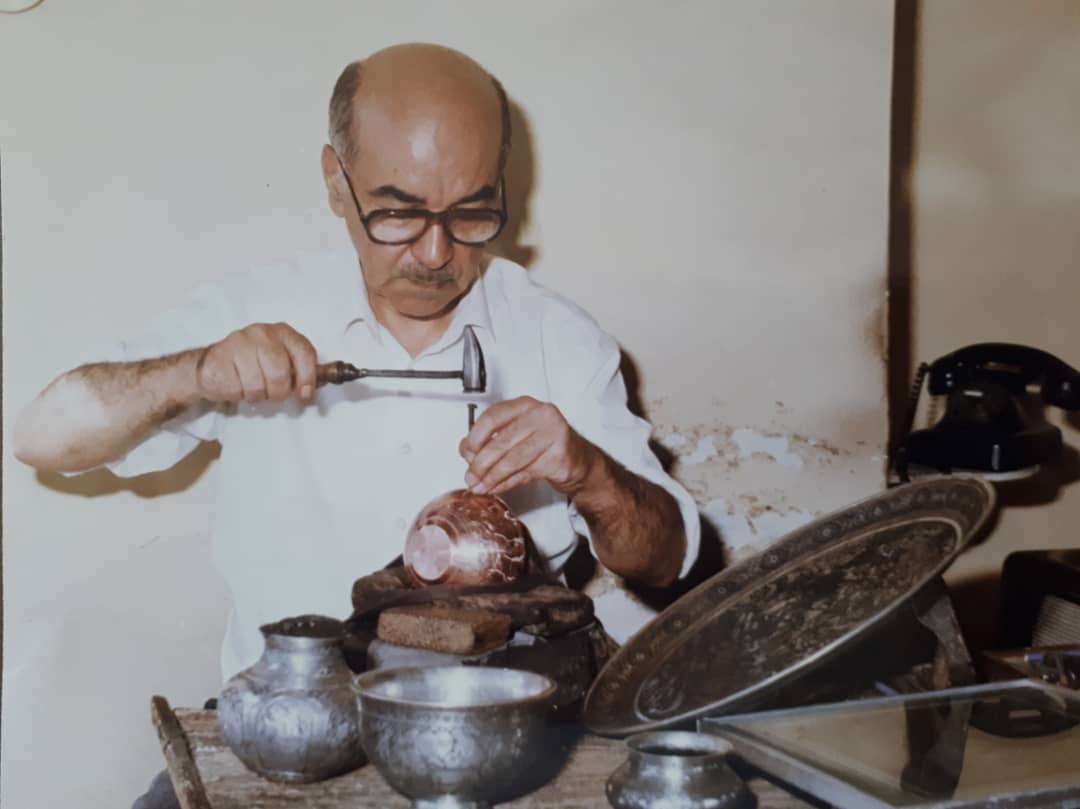
Coppersmiths raise vessels from sheet copper with hammers. To tin a pot, they clean and heat it, then wipe molten tin over the inside. The lining wears thin with use and must be renewed when copper shows through.
Buying checklist
- Ask whether the piece is for cooking or display
- Check that the lining is even and covers the whole inside
- Ask what the lining is made of: tin, nickel or stainless steel
- Look for hammer marks and seams as signs of hand work
- Avoid old pots with worn lining unless you plan to re-tin them
Care
Do not heat an empty tinned pot, because tin melts at a low temperature. Use wooden or silicone utensils, wash by hand and dry straight away. Polish the outside with a gentle copper cleaner. Do not use abrasives on the lining.
Display pieces
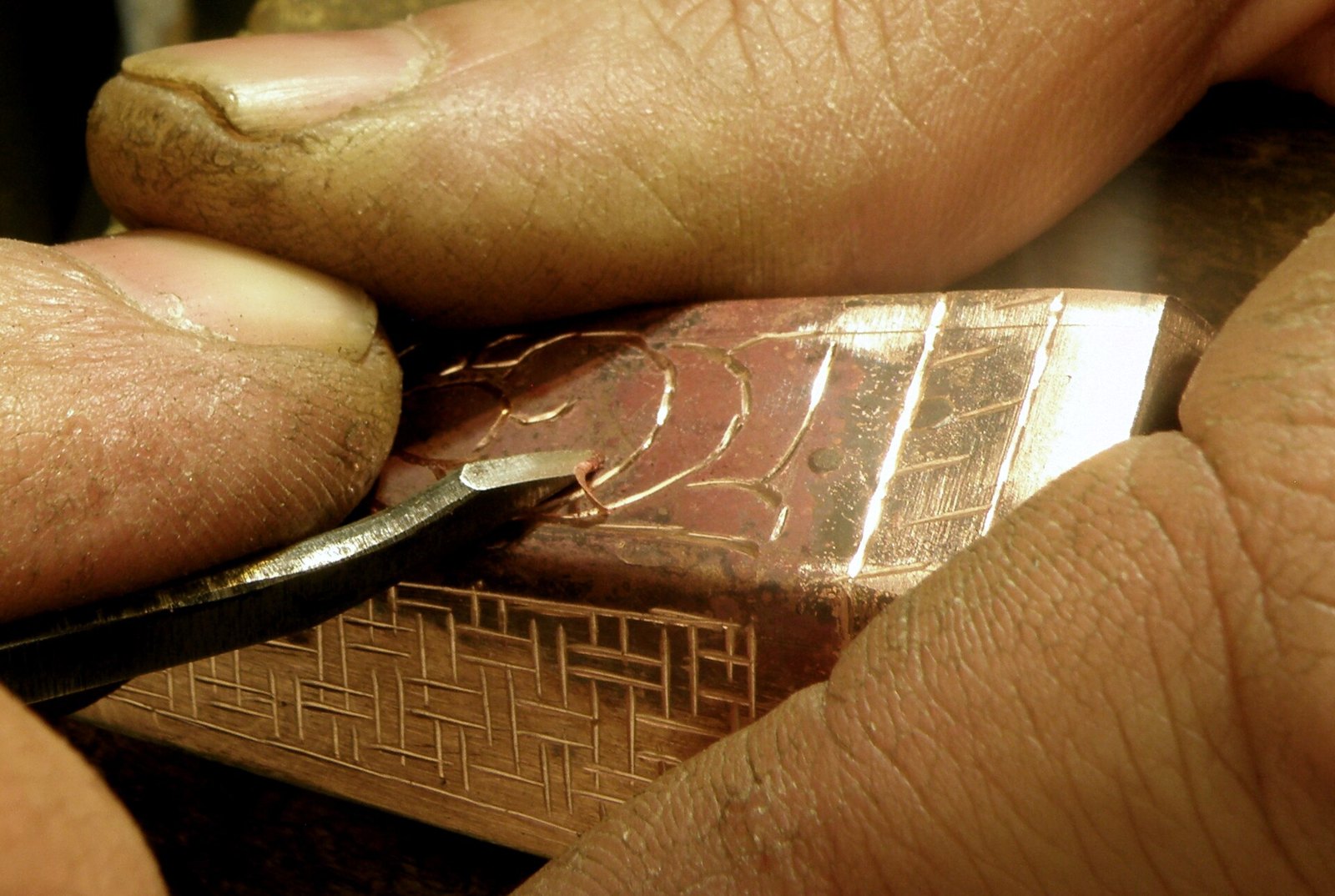
Engraved (qalam-zani) and enamelled (minakari) copper are decorative. Do not use them for food or drink unless the maker says they are food-safe.
A note on this guide
This is general information from the CraftPersia editorial team and has not been reviewed by a specialist. It is not a valuation, authentication or conservation treatment. For valuable or fragile pieces, consult a qualified conservator or appraiser.
عکسهای مرتبط و نمونههای بررسیشده
این تصاویر فقط نمونههای نمایشی هستند. نمونههای بازار بر توضیحات فروشنده متکیاند و سازنده، منشأ یا وضعیت حقوقی آنها بهطور مستقل توسط کرفتپرشیا تأیید نشده است. برای زمینهٔ کامل، پیوند منبع هر تصویر را ببینید.