
نگهداری · 10 min
Persian rug repair and restoration: what can and cannot be fixed
Editorial team · بهروزرسانی 2026-10-12
Repair, restoration and conservation
Repair stabilises damage so it does not spread. Restoration rebuilds missing areas to look complete. Conservation tries to keep as much original material as possible and to make changes reversible and documented. Different pieces need different approaches; ask which one a workshop is offering.
Common problems
- Fraying ends: the fringe and the first knots unravel
- Loose or worn sides (selvedges)
- Holes from moths, wear or accidents
- Dry rot in the cotton foundation, often from damp
- Colour run after flooding or poor washing
Typical treatments
Ends are usually secured with stitching so no more knots are lost. Sides can be re-wrapped with matching wool. Holes can be rewoven by re-creating the warps, wefts and knots, which takes time and skilled colour matching. Dry rot makes the foundation brittle, so it often cannot be fully repaired and only stabilised.
Questions to ask a restorer
- Will you send photographs before and after?
- Will the wool be dyed to match, and with what dyes?
- Will any original material be removed?
- Is the price fixed or estimated?
- How will the rug be washed and dried?
When not to restore
Heavy reweaving can lower the value of an antique or a rare tribal piece if it replaces too much original material. For important pieces, ask a conservator rather than a general repair shop. Stabilising damage is often the better choice.
A note on this guide
This is general information from the CraftPersia editorial team and has not been reviewed by a specialist. It is not a valuation, authentication or conservation treatment. For valuable or fragile pieces, consult a qualified conservator or appraiser.
عکسهای مرتبط و نمونههای بررسیشده
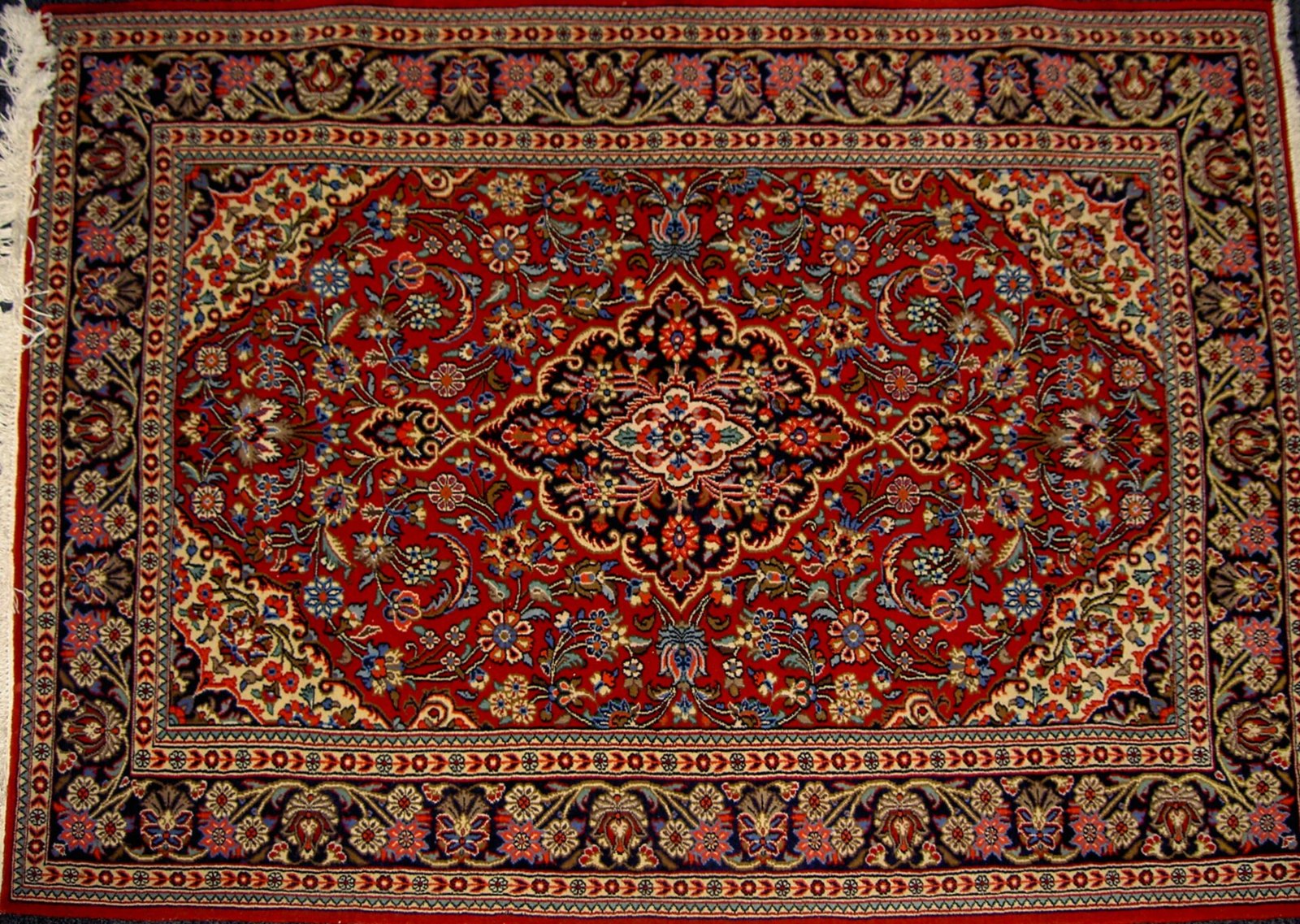
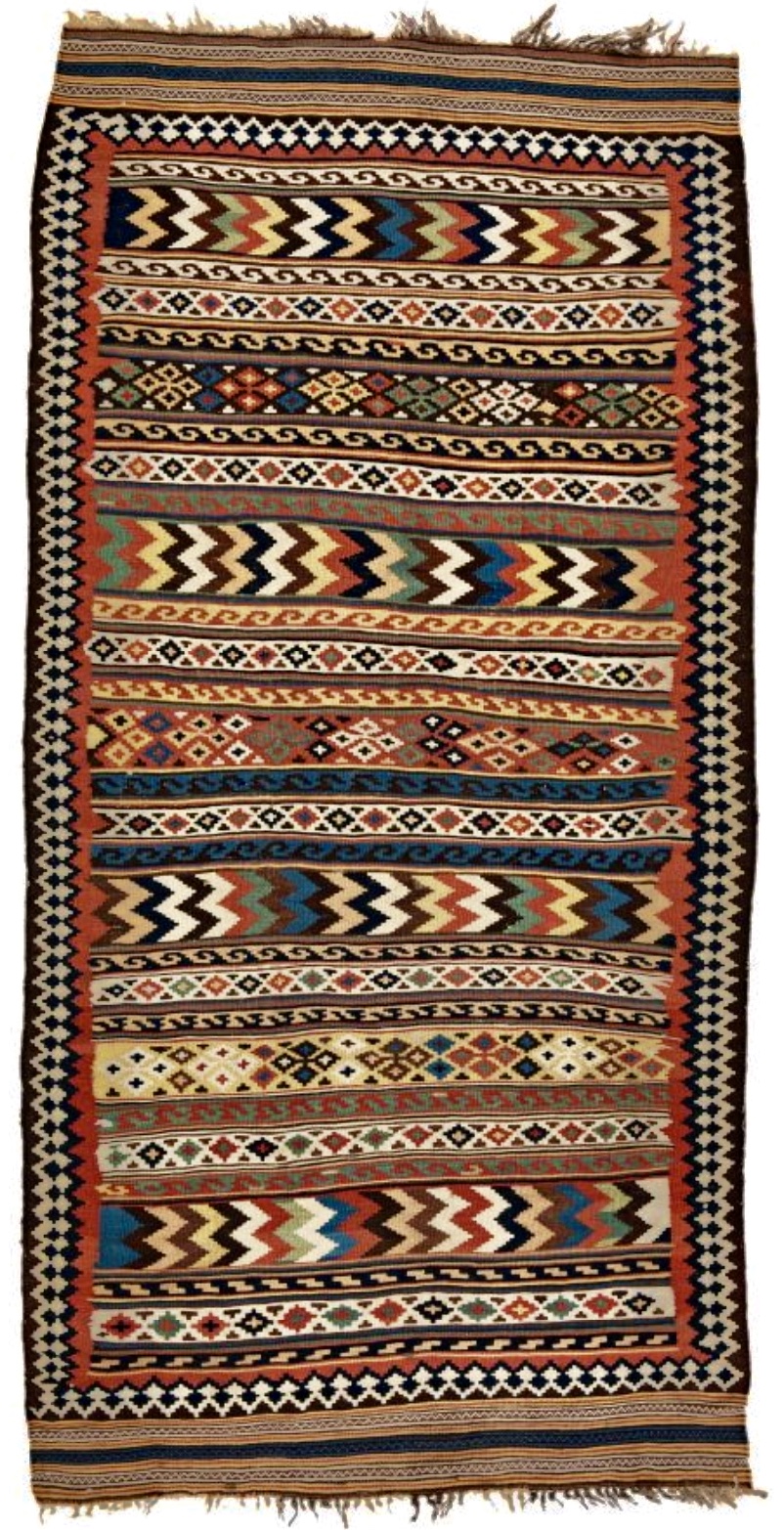
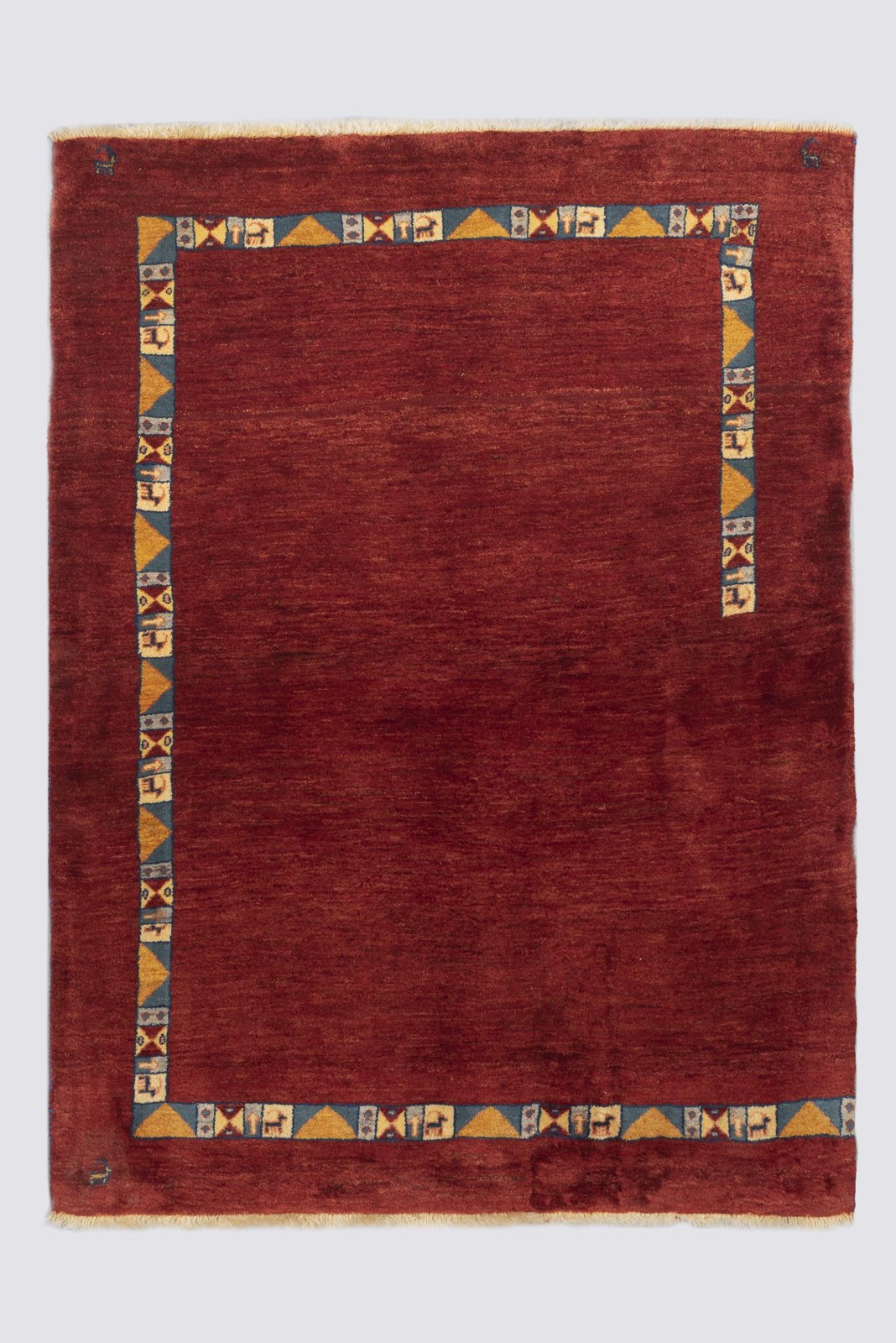
این تصاویر فقط نمونههای نمایشی هستند. نمونههای بازار بر توضیحات فروشنده متکیاند و سازنده، منشأ یا وضعیت حقوقی آنها بهطور مستقل توسط کرفتپرشیا تأیید نشده است. برای زمینهٔ کامل، پیوند منبع هر تصویر را ببینید.